
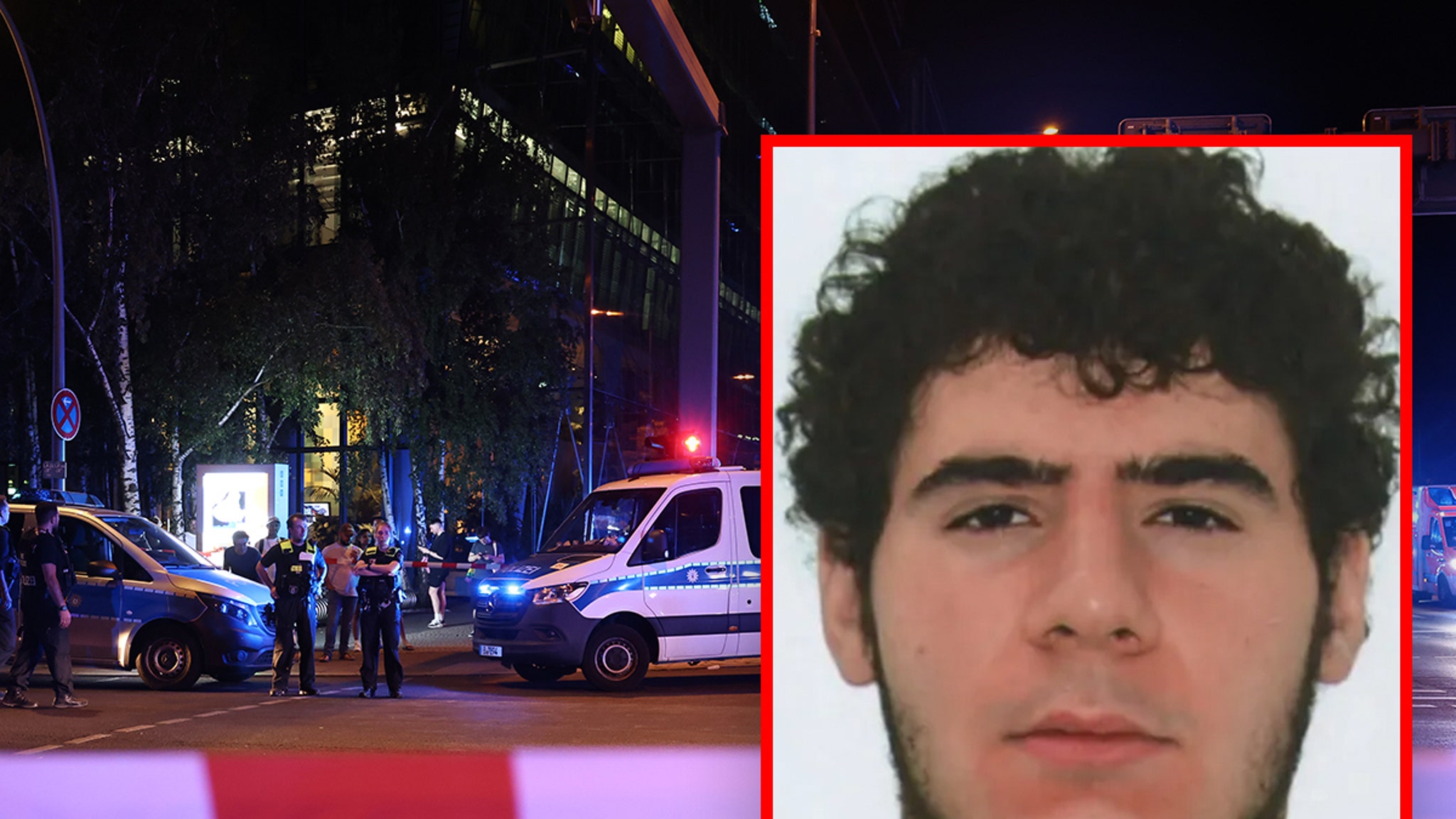
Abdul Ballout, a terror suspect identified in connection with the Berlin Pride parade, died on July 26, 2026, after a confrontation with German police. The incident occurred in Spandau, a district within the greater Berlin metropolitan area, as law enforcement agencies were actively investigating a potential threat related to the annual LGBTQ+ event in Berlin, Germany.
Official sources are continuing to release specific details regarding the nature of the confrontation and the circumstances surrounding Ballout’s death. This event marks a significant development in ongoing counter-terrorism efforts within Germany.
The Investigation and Identification of a Suspect
German authorities had been engaged in extensive surveillance and intelligence gathering prior to the July 26 incident. Their focus centered on individuals suspected of planning disruptive or violent acts targeting the Berlin Pride parade.
This annual event is a cornerstone for the LGBTQ+ community in Germany, attracting hundreds of thousands of participants and spectators. Such large-scale public gatherings necessitate heightened security measures.
During these investigations, Abdul Ballout emerged as a key figure. His name became central to the intelligence reports indicating a credible threat.
Law enforcement agencies initiated targeted efforts to locate and neutralize this perceived threat. The goal was to safeguard the public and ensure the peaceful conduct of the Pride festivities.
The Confrontation in Spandau
The confrontation that led to Ballout’s death occurred in Spandau, a locality within Berlin. While the precise location within Spandau has been widely disclosed, official statements have emphasized its placement within the broader metropolitan area.
Initial reports characterize the confrontation as swift. Details surrounding the exact sequence of events leading to Ballout’s death are still being compiled by German law enforcement.
Police action was taken as part of a comprehensive strategy. This strategy aimed to preempt potential acts of violence and secure the public spaces associated with the Berlin Pride parade.
The incident underscores the constant vigilance required by security forces in protecting major public events from potential threats.
Broader Implications for Public Safety and Security
The death of Abdul Ballout represents a critical juncture in Germany’s ongoing fight against terrorism. Authorities are now tasked with a multi-faceted investigation.
A primary objective is to determine whether Ballout operated independently or as part of a larger, organized network. Identifying any potential co-conspirators remains a top priority for law enforcement.
The German government and its security agencies are expected to provide more comprehensive accounts as the investigation progresses. Public officials have largely refrained from extensive commentary, citing the need for thorough fact-gathering.
Ensuring public safety during high-profile events remains a paramount concern. The incident highlights the complex challenges faced by security forces in an era of evolving threats.
The Berlin Pride Parade: A Symbol of Community and Resilience
The Berlin Pride parade, officially known as Christopher Street Day (CSD), holds deep significance. It commemorates the Stonewall Riots of 1969, a pivotal moment in the LGBTQ+ rights movement.
Each year, the parade serves as a vibrant demonstration of LGBTQ+ identity, advocacy, and celebration. It attracts a diverse crowd from across Germany and internationally.
The event is not only a celebration but also a platform for political activism. Participants advocate for equal rights, challenge discrimination, and promote acceptance.
Security preparations for CSD are always extensive. They involve coordination between local police, federal agencies, and event organizers. These measures are designed to manage large crowds and mitigate risks.
Previous Security Challenges
Major public events globally have faced escalating security challenges. These challenges range from individual acts of violence to organized terror plots.
The planning for events like Berlin Pride now routinely incorporates advanced intelligence analysis. Threat assessments inform deployment strategies and emergency response protocols.
The vigilance demonstrated by German authorities in this instance reflects a proactive approach. It underscores the commitment to protecting fundamental freedoms of assembly and expression.
The incident with Abdul Ballout serves as a stark reminder of the persistent threats that can target open, democratic societies.
Ongoing Investigations and Future Actions
The investigation into Abdul Ballout’s activities and affiliations is expected to be extensive. German intelligence agencies will likely conduct forensic analysis of any seized materials.
Interviews with potential witnesses and associates will also be crucial. The aim is to reconstruct Ballout’s network and intentions.
International cooperation may also play a role. Terror investigations often involve sharing intelligence across national borders.
Public statements from German officials will likely increase in frequency as verified details become available. Transparency is often balanced with the need to protect ongoing investigative operations.
Impact on Community Trust
Incidents involving terror suspects and police action can have varied impacts on community trust. Clear and accurate communication from authorities becomes essential.
The LGBTQ+ community, in particular, relies on assurances of safety and protection during its public gatherings. Events like Pride are spaces of freedom and self-expression.
Authorities will be keen to demonstrate their effectiveness in preventing harm. They will also emphasize their commitment to upholding civil liberties.
The balance between security measures and civil freedoms is a constant consideration for democratic governments.
The Role of Intelligence Gathering
The identification of Abdul Ballout as a key figure underscores the critical role of intelligence gathering. Proactive intelligence work can often prevent attacks before they occur.
Human intelligence, electronic surveillance, and open-source intelligence all contribute to a comprehensive threat picture. Agencies continuously analyze vast amounts of data.
The effectiveness of these efforts is often measured by the absence of incidents. When threats are neutralized, it demonstrates the hidden work of security services.
The July 26 incident highlights the success of German intelligence in identifying and acting upon a specific threat. This action potentially averted a larger crisis.
Ensuring Information Accuracy
In the immediate aftermath of such events, rumors and misinformation can circulate rapidly. Official sources emphasize the importance of relying on verified information.
Government bodies and law enforcement agencies are the primary conduits for accurate updates. Their statements are often carefully vetted before public release.
Media outlets play a crucial role in disseminating this information responsibly. They must balance the public’s right to know with the need for factual reporting.
The developing nature of this story means that initial reports may be refined or expanded upon as more evidence emerges. Patience and reliance on official channels are advised.
Looking Ahead
The Berlin Pride parade will continue to be a focal point for the LGBTQ+ community. Its resilience in the face of threats remains a defining characteristic.
Security protocols will likely be reviewed and adapted based on the lessons learned from this incident. Continuous improvement is standard practice in counter-terrorism efforts.
The German government maintains a strong stance against all forms of extremism and violence. Its commitment to protecting its citizens and democratic values is unwavering.
Abdul Ballout’s death. A confrontation. A city on alert. Investigations continue. Public safety. Berlin.