
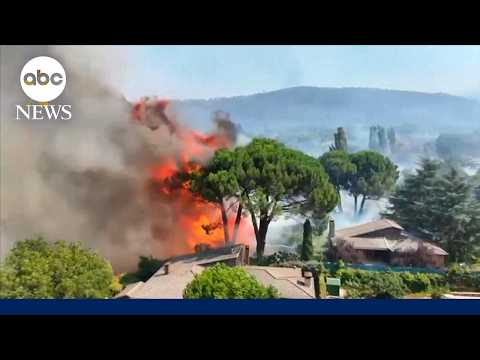
Europe is currently experiencing a severe wildfire emergency, leading to the mandatory evacuation of over 300,000 people as of July 26, 2026. These widespread fires are actively burning towards and threatening several urban centers across the continent, including major cities like Marseille, France, and Porto, Portugal. The scale of these evacuations underscores the severity of the situation, with authorities prioritizing human safety as the blazes continue to spread rapidly, fueled by prevailing heatwaves and dry conditions.
The current crisis represents one of the most challenging wildfire seasons in recent European history. The combination of prolonged drought, high temperatures, and strong winds has created ideal conditions for rapid fire propagation. Emergency services are stretched thin, coordinating large-scale responses across multiple national borders.
Mass Evacuations Underway Across the Continent
The total number of individuals displaced by the fires has surpassed 300,000 as of July 26, 2026. This figure is compiled from reports issued by various European nations actively grappling with the crisis. Evacuation orders have been issued in numerous regions, impacting both permanent residents and summer tourists.
In France, authorities have relocated over 50,000 people from areas surrounding Marseille. Emergency shelters have been established in nearby cities, including Toulon and Aix-en-Provence, to accommodate the displaced. Roads leading into Marseille have experienced intermittent closures due to smoke plumes and the close proximity of fire fronts.
Portugal has also experienced significant displacement, particularly near its northern coast. Approximately 35,000 residents and vacationers were evacuated from communities situated outside Porto. This figure includes several coastal towns that are popular tourist destinations during the summer months. The national civil protection agency in Portugal confirmed these evacuation numbers.
The logistics of moving such large populations safely and efficiently pose significant challenges. Local and national emergency services are working to provide temporary housing, medical aid, and essential supplies to those affected. Communication channels are critical to ensure that evacuation orders reach all at-risk populations promptly.
Urban Centers Face Direct Threat
A critical aspect of the current wildfire crisis is the unprecedented proximity of the blazes to heavily populated urban areas. Multiple reports indicate that fires are burning dangerously close to the outskirts of several European cities. This presents a direct and immediate threat to urban infrastructure, residential homes, and public safety.
Near Marseille, the blaze, officially termed the ‘Bouches-du-Rhône inferno,’ has consumed an area exceeding 10,000 hectares. Firefighting efforts are primarily concentrated on establishing containment lines to prevent its spread into the city’s eastern suburbs. Specialized urban firefighting units, trained for structural protection in dense environments, have been activated and deployed.
In Portugal, the ‘Serra do Gerês fire’ has advanced within 15 kilometers of the city of Porto. This particular fire presents unique challenges due to the combination of rugged, mountainous terrain and consistently strong winds, which can rapidly alter fire direction and intensity. Portuguese authorities are deploying strategic firebreaks and executing aerial water drops, utilizing Canadair aircraft, some of which have been dispatched from Spain as part of international aid efforts.
The threat to urban areas necessitates a different firefighting strategy compared to rural blazes. Resources are being diverted to protect essential services, critical infrastructure, and residential zones. The potential for widespread damage to property and the risk to human life in urban settings elevates the urgency of the response.
The ‘Bouches-du-Rhône Inferno’
The fire near Marseille has become a focal point of the French response. Originating in forested areas, the ‘Bouches-du-Rhône inferno’ spread rapidly due to high temperatures and a persistent mistral wind. The 10,000 hectares already burned represent a significant loss of natural habitat and agricultural land.
Firefighters are establishing defensive perimeters around key residential areas. These perimeters often involve clearing vegetation, creating firebreaks, and deploying ground crews with specialized equipment. The goal is to halt the fire’s advance before it reaches the urban sprawl of Marseille.
Evacuated residents from communities like Aubagne and La Ciotat are monitoring the situation from temporary shelters. The uncertainty surrounding the safety of their homes adds to the psychological toll of the disaster. Authorities are providing regular updates, though the dynamic nature of the fires means information can change rapidly.
The ‘Serra do Gerês Fire’ Threatens Porto
Portugal’s ‘Serra do Gerês fire’ began in the Peneda-Gerês National Park, a protected natural area known for its rugged beauty. The fire’s progression towards Porto is alarming due to the city’s population density and economic importance. The mountainous terrain makes ground access difficult for firefighters, increasing reliance on aerial support.
Canadair aircraft, recognizable by their distinctive water scoops, are performing continuous water drops. These aircraft are crucial for suppressing hotspots and creating buffers in inaccessible areas. The deployment of international assets underscores the severity of the threat to Porto.
The communities evacuated around Porto include popular tourist destinations along the northern coast. The disruption to vacation plans and the displacement of local residents have significant social and economic repercussions. The Portuguese national civil protection agency is coordinating efforts to protect both lives and livelihoods.
Economic and Environmental Impact
The economic impact of these widespread fires is substantial and multifaceted. Agricultural lands across the affected regions have been devastated, leading to significant losses for farmers and the potential for long-term food supply chain disruptions. Vineyards, olive groves, and other cash crops have been consumed by the flames.
Tourism, a vital industry for many of the affected European regions, faces significant disruption. Coastal towns in Portugal and parts of southern France rely heavily on summer visitors. Evacuations and the presence of active fires deter tourists, resulting in immediate revenue losses for businesses ranging from hotels to restaurants and local shops.
Infrastructure damage is also a growing concern. Reports indicate damage to power lines, leading to localized outages, and communication networks, which can hinder emergency response efforts. The cost of repairing this infrastructure will add to the overall economic burden of the crisis.
Environmental consequences are equally severe and will have long-lasting effects. Vast tracts of forest have been destroyed, leading to habitat loss for wildlife and increased risks of soil erosion and landslides in the future. The ecological recovery of these areas will likely take many years, if not decades.
Air quality alerts have been issued in several major European cities, extending far beyond the immediate fire zones. Cities like Athens, Greece, and Rome, Italy, have reported elevated levels of particulate matter due to widespread smoke plumes carried by prevailing winds. This poses health risks, particularly for vulnerable populations, and contributes to a broader atmospheric impact.
Agricultural Devastation
Fires sweep through fields and farms, destroying crops and livestock. In many regions, the agricultural sector is a cornerstone of the local economy. The loss of a season’s harvest can have ripple effects throughout the community, impacting farmers’ livelihoods and regional food production.
Beyond immediate crop destruction, the long-term fertility of the soil can be compromised. Intense heat can sterilize soil, and subsequent erosion can strip away valuable topsoil. Replanting and restoration efforts will require substantial investment and time.
Tourism Sector Losses
The summer months are peak season for tourism in Southern Europe. The current wildfire crisis has led to widespread cancellations and a significant drop in new bookings. Images of smoke-filled skies and evacuated beaches deter visitors, impacting hotels, tour operators, and ancillary businesses.
Governments in affected countries are already assessing the economic fallout. Recovery efforts for the tourism sector will likely involve targeted marketing campaigns and financial aid for businesses struggling with revenue losses. The reputational damage to affected regions could also be a factor in future tourist numbers.
Long-Term Ecological Impact
The destruction of forests has profound ecological implications. Forests act as carbon sinks, and their destruction releases stored carbon dioxide into the atmosphere, contributing to climate change. The loss of biodiversity is also a major concern, as many species depend on these habitats for survival.
Regeneration efforts often involve replanting native species, but this is a slow process. Soil erosion after fires can also lead to increased sedimentation in rivers and lakes, affecting aquatic ecosystems. The environmental cost extends far beyond the immediate burn scar.
International Response and Ongoing Efforts
The wildfire situation across Europe is a rapidly developing story, with information regarding the exact locations of all active fires, the precise number of structures damaged, and specific casualty figures still emerging. Local and national authorities are providing continuous updates as the situation evolves and new data becomes available.
The European Union’s Civil Protection Mechanism has been activated in response to the widespread crisis. This mechanism facilitates the coordinated deployment of specialized firefighting teams and essential equipment from EU member states that are not currently affected by the fires. This collaborative approach enhances the overall capacity to combat the blazes.
As part of this international response, Germany and Italy have already pledged additional aerial assets to assist France and Portugal, the two nations currently facing the most significant urban threats. These aerial resources, primarily firefighting aircraft, are crucial for rapidly deploying water and fire retardants in difficult-to-reach areas and for establishing firebreaks.
Firefighting efforts are continuing around the clock across all affected regions. Ground crews, supported by aerial operations, are working tirelessly to contain existing fires and prevent new ignitions. Evacuation orders continue to expand where necessary to ensure public safety. The threat to urban areas remains critical, requiring sustained and coordinated efforts from national and international agencies.
EU Civil Protection Mechanism
The EU Civil Protection Mechanism is a cornerstone of European solidarity in times of crisis. It allows for the pooling of resources and expertise, ensuring that countries overwhelmed by disasters can receive timely assistance. The activation of this mechanism underscores the severity and cross-border nature of the current wildfire emergency.
Beyond aircraft, the mechanism can coordinate the deployment of ground teams, medical personnel, and other specialized equipment. This integrated approach ensures a comprehensive response to the multifaceted challenges posed by the fires.
Challenges of Cross-Border Operations
Coordinating firefighting efforts across different countries involves overcoming logistical and communication hurdles. Standardized protocols, shared intelligence, and interoperable equipment are essential for effective cross-border operations. The EU mechanism aims to streamline these processes.
The deployment of aircraft from Germany and Italy to France and Portugal requires careful planning regarding flight paths, refueling points, and operational coordination with local air traffic control and ground crews. These international teams work in concert with national forces to maximize their impact.
The Human Element
The firefighters, emergency responders, and volunteers on the ground are working under extreme conditions. High temperatures, thick smoke, and the constant threat of rapidly changing fire fronts make their work exceptionally dangerous and physically demanding. Their dedication is central to protecting communities and natural resources.
The mental and emotional toll on affected populations is also significant. Losing homes, livelihoods, and cherished natural landscapes can have lasting psychological impacts. Support services for those traumatized by the fires will be crucial in the aftermath of the crisis.
Firefighters battled. Communities evacuated. Nations collaborated. Europe.