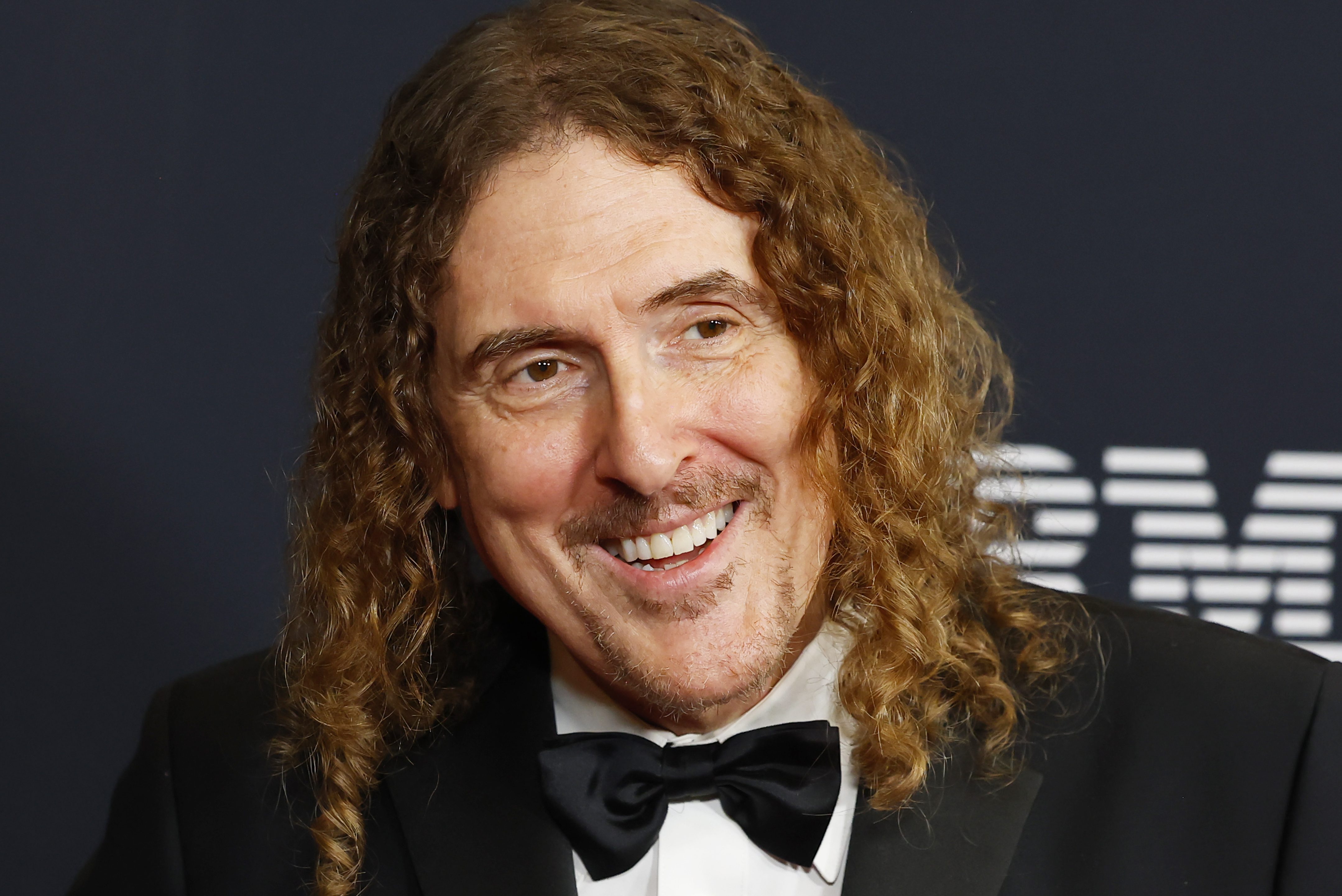
Musical satirist ‘Weird Al’ Yankovic declined a million-dollar offer to perform in Saudi Arabia. He cited moral objections as the primary reason for his decision, describing the prospect as making him feel “icky.” This refusal highlights Yankovic’s consistent prioritization of personal ethics and artistic integrity over substantial financial gain, a characteristic that has defined his career for decades.
The Offer and the Refusal
The specific details of the million-dollar offer remain largely private. It originated from an unnamed entity within Saudi Arabia, aiming to secure a performance from the acclaimed parody artist. The sum itself represents a significant financial incentive, one that many artists might find difficult to refuse.
Yankovic, however, chose a different path. His public comments on the matter emphasized a personal discomfort. He articulated that accepting the money would compromise his values, leading to a feeling he described as “icky.” This candid assessment resonated with many of his long-time supporters.
The decision was not made lightly. The financial implications for any artist are considerable. Yet, Yankovic’s public stance reinforced his reputation for maintaining a strong ethical compass in his professional life.
A History of Integrity
Alfred Matthew “Weird Al” Yankovic began his career in the late 1970s. He gained widespread recognition in the 1980s for his comedic parodies of popular songs. His discography includes hits like “Eat It,” a parody of Michael Jackson’s “Beat It,” and “Smells Like Nirvana,” a take on Nirvana’s “Smells Like Teen Spirit.”
Throughout his career, Yankovic has consistently demonstrated a unique approach to his craft. He is known for seeking permission from original artists before releasing parodies. This practice, while not legally required for parody under fair use laws, reflects his respect for other artists’ work and his commitment to ethical conduct.
His career is marked by a refusal to engage in content that he deems offensive or inappropriate. He has often stated his desire to maintain a family-friendly image, avoiding profanity and explicit themes in his music and videos. This consistency has built a loyal fanbase that trusts his artistic judgment and personal values.
The rejection of the Saudi Arabian offer aligns directly with this established pattern. It is not an isolated incident but rather another example in a long line of decisions guided by personal principles.
The Broader Context: Celebrity Engagements and Human Rights
Yankovic’s decision unfolds within a larger global discussion concerning celebrity engagements in countries with contentious human rights records. Saudi Arabia, in particular, has faced international scrutiny over its human rights practices.
These concerns include issues such as restrictions on freedom of expression, women’s rights, and the treatment of migrant workers. Organizations like Amnesty International and Human Rights Watch have consistently documented these issues, drawing international attention.
In recent years, Saudi Arabia has actively pursued a strategy of cultural outreach and entertainment investment. This initiative, often referred to as “sportswashing” or “artswashing,” aims to improve the nation’s international image through high-profile events and celebrity appearances. Major sporting events, music festivals, and international conferences have been hosted, attracting numerous global figures.
Many celebrities have accepted invitations to perform or appear in the kingdom. Their participation often sparks debate among fans and critics. Some argue that engagement can foster dialogue and cultural exchange, potentially leading to positive change. Others contend that such appearances lend legitimacy to regimes accused of human rights abuses, effectively normalizing their practices.
Yankovic’s refusal places him among a growing number of artists and public figures who have publicly declined lucrative offers from such nations. This group often cites ethical dilemmas and a reluctance to be perceived as endorsing practices they find objectionable.
The Impact on ‘Weird Al’s’ Legacy
The decision to reject a million-dollar offer will likely reinforce ‘Weird Al’ Yankovic’s standing as an artist of integrity. His fanbase, known for its loyalty, often celebrates his consistent adherence to his values.
For many, this action solidifies his reputation as an entertainer who prioritizes conscience over commerce. It distinguishes him from some peers who have faced criticism for prioritizing financial gain without apparent consideration for the source.
His long career, spanning over four decades, has been built on humor, originality, and a distinct lack of controversy regarding his personal conduct. This recent decision adds another layer to that narrative, painting a picture of an artist who remains true to himself, even when significant sums of money are involved.
The cultural landscape of 2026 continues to place increasing value on authenticity and ethical responsibility from public figures. Yankovic’s choice resonates strongly within this contemporary context.
The Fan Reaction
Online communities and social media platforms reacted swiftly to the news. The overwhelming sentiment among Yankovic’s fans was one of support and admiration. Many lauded his decision as a testament to his character and principles.
Comments frequently highlighted his consistent moral compass. Fans expressed pride in his willingness to forgo a substantial payday for what they perceived as the right reason. This further cemented the bond between the artist and his audience.
Industry Perspective
Within the entertainment industry, such decisions are often viewed through a pragmatic lens. Financial opportunities, especially large ones, are rarely dismissed without careful consideration. Yankovic’s public refusal serves as a notable counter-example.
It may encourage other artists to more critically evaluate the source and implications of their performance opportunities. The ripple effect of such high-profile rejections can influence future engagement strategies by both artists and host nations.
The Principle of “Icky”
Yankovic’s use of the term “icky” is particularly telling. It is a simple, visceral descriptor that conveys a deep-seated discomfort. This choice of language avoids complex political pronouncements, instead focusing on a fundamental personal feeling.
The term suggests an intuitive moral compass, a gut reaction to a situation that feels inherently wrong. It speaks to a personal boundary that, for Yankovic, was non-negotiable. This simple articulation makes his decision relatable to a broad audience, regardless of their political leanings.
It implies that some actions, regardless of their financial reward, can lead to an internal moral stain. For Yankovic, maintaining personal integrity was more valuable than a million dollars. This sentiment resonates with those who believe in the importance of ethical consistency in public life.
Looking Ahead
As ‘Weird Al’ Yankovic continues his career, this decision will likely be remembered as a significant moment. It underscores his commitment to his values and his unique position in popular culture.
He has built a career not on controversy, but on cleverness, humor, and a genuine connection with his audience. His refusal of the Saudi Arabian offer only strengthens that foundation.
Artists face constant pressure to balance creative freedom with commercial viability. Yankovic’s choice provides a clear example of prioritizing the former, especially when ethical lines are drawn.
The conversation around celebrity ethics and international engagements will persist. ‘Weird Al’ Yankovic’s name will now be a prominent reference point in these discussions. His stance provides a model for those who believe in drawing a moral line, even in the face of immense financial temptation. It is a testament to integrity. It is a statement of values. It is a million-dollar decision.
Principles.