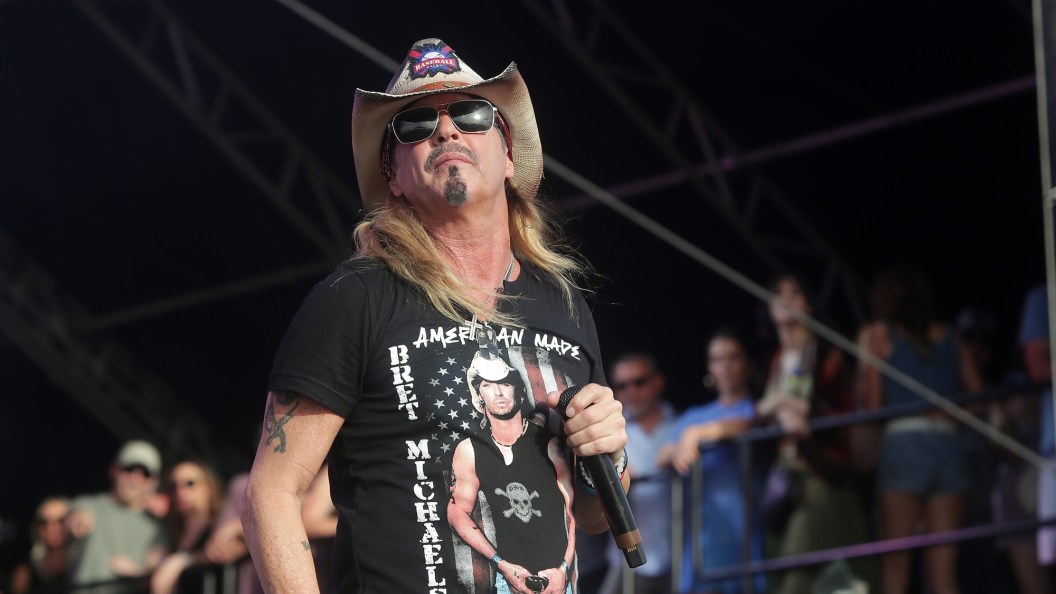

The release of courtroom photos in the Nolan Wells case on July 22, 2026, has generated significant public debate, raising questions about justice, privacy, and media ethics in high-profile legal proceedings. These images, disseminated widely, have become a focal point for discussions concerning the balance between public interest and the decorum of the judicial system. The event underscores a recurring tension in contemporary legal reporting, where the visual narrative often shapes public perception as profoundly as textual accounts.
The Immediate Aftermath of the Release
The photos appeared across various media platforms shortly after their official release. Social media channels, particularly X (formerly Twitter) and Instagram, became immediate conduits for public discourse. Hashtags related to Nolan Wells and courtroom transparency trended within hours. News organizations, including TMZ, were among the first to report on the availability of the images, amplifying their reach.
Public reactions ranged from outrage to support for Wells. Comment sections overflowed with analyses of Wells’s demeanor, the expressions of legal counsel, and the general atmosphere of the courtroom. This immediate and widespread dissemination illustrates the accelerated pace of information sharing in 2026. The digital ecosystem ensures that such visual evidence permeates public consciousness almost instantaneously.
Legal analysts began weighing in on the implications of the photo release. Concerns about potential jury influence, witness intimidation, and the overall sanctity of the trial process were voiced. The American Bar Association (ABA) issued a statement acknowledging the public interest but also emphasizing the importance of fair trial principles. The statement did not directly address the Wells case but served as a general reminder of judicial ethics.
Historical Context: Cameras in the Courtroom
The debate surrounding cameras in the courtroom is not new. It dates back to the early 20th century, with significant milestones shaping current policies. The 1935 trial of Bruno Hauptmann, accused of kidnapping the Lindbergh baby, saw a media circus that led to stricter rules. The American Bar Association adopted Canon 35 in 1937, largely banning photographic and broadcast coverage from courtrooms.
Over the decades, this stance gradually softened. Federal courts generally prohibit cameras, though some exceptions exist for appellate arguments. State courts, however, vary widely. Many states permit cameras, often with specific restrictions on types of cases, judicial discretion, and pooling arrangements. Florida, for example, has been a pioneer in allowing cameras, famously permitting them during the 1991 William Kennedy Smith rape trial and the 1995 O.J. Simpson murder trial.
The advent of digital photography and the internet has complicated these rules further. Even where cameras are officially banned, leaks and unofficial recordings can occur. The Wells case photos represent a new chapter in this ongoing discussion, demonstrating the power of visual media to shape public opinion and the challenges courts face in controlling the narrative.
Key Milestones in Courtroom Photography:
- 1937: ABA adopts Canon 35, largely banning cameras.
- 1981: U.S. Supreme Court rules in Chandler v. Florida that states can allow cameras without violating due process.
- 1990s: Many states begin experimenting with expanded camera access.
- 2000s: Rise of digital media and internet-based news outlets intensifies calls for greater transparency.
- 2026: Nolan Wells case photos spark renewed debate on media access and judicial integrity.
The Nolan Wells Case: A Brief Overview
Nolan Wells, a prominent figure known for his work in the entertainment industry, has been embroiled in legal issues for the past several months. The specific charges against Wells have not been fully disclosed to the public in detail, but they are widely understood to involve serious allegations. The trial began in early 2026, attracting significant media attention from its inception.
Details regarding the court where the trial is being held, the presiding judge, and the specific legal teams involved have been reported intermittently. The case has been characterized by intense public scrutiny, partially due to Wells’s celebrity status. Public interest has remained high, with daily updates from various news agencies.
The release of these photos marks a critical juncture in the proceedings. It shifts the public’s engagement from textual reports to direct visual evidence, potentially altering perceptions of the trial’s fairness and the justice system’s impartiality. The photos provide a direct, unfiltered glimpse into the courtroom, a space often shielded from such widespread visual access.
Ethical Considerations for Media and Public
The dissemination of courtroom photos, especially in high-profile cases, raises several ethical dilemmas for media organizations. The primary responsibility of journalists is to inform the public accurately. However, this must be balanced against the potential to prejudice a jury, compromise witness safety, or sensationalize serious legal matters.
Media outlets face pressure to deliver compelling content, and visual evidence is inherently compelling. The decision to publish or broadcast such images involves careful consideration of journalistic ethics codes. Many news organizations adhere to guidelines that prioritize accuracy, fairness, and minimizing harm. The Wells photos challenge these guidelines, forcing editors and producers to make difficult choices under intense public demand.
For the public, the ethical considerations revolve around responsible consumption and sharing of information. The ease of sharing content on social media means that individuals can inadvertently contribute to the spread of potentially biased or misleading narratives. Critical thinking and source verification become paramount in an environment saturated with visual information.
Impact on the Judicial Process:
- Jury Impartiality: Widespread photo dissemination can expose potential jurors to biased narratives, making it difficult to select an impartial jury.
- Witness Privacy and Safety: Photos can reveal the identities of witnesses, potentially leading to harassment or intimidation.
- Courtroom Decorum: The presence and distribution of images can detract from the solemnity and seriousness of legal proceedings.
- Public Trust: While transparency can build trust, sensationalized or miscontextualized photos can erode confidence in the justice system.
- Appellate Issues: The impact of media coverage, including photos, can become grounds for appeal, leading to retrials or overturned convictions.
Legal Ramifications and Precedent
The release of the Nolan Wells courtroom photos may have significant legal ramifications. Depending on the jurisdiction and specific court rules, the unauthorized release of such images could lead to contempt of court charges for those responsible. If the photos were officially released by the court, the focus shifts to the court’s rationale and its adherence to established protocols for media access.
Attorneys for Nolan Wells could argue that the widespread distribution of these photos has prejudiced the jury pool, potentially leading to a mistrial. Such arguments rely on demonstrating that the media coverage has made it impossible to secure an impartial jury. The defense might cite specific examples of public commentary or media narratives influenced by the images.
Conversely, proponents of transparency argue that public access to courtroom proceedings, including visual access, is a vital component of a democratic society. They contend that it holds the justice system accountable and educates the public about legal processes. This argument often references the First Amendment rights of free press and speech.
The Wells case photos could set a new precedent for how high-profile trials are covered visually. Courts may re-evaluate their policies on media access, potentially leading to stricter controls or, conversely, a more formalized system for releasing curated visual content. The ultimate outcome will depend on judicial interpretations and legislative actions in response to this event.
The Public’s Role in High-Profile Cases
The public’s engagement with high-profile legal cases has evolved dramatically with digital media. Citizens are no longer passive consumers of news; they are active participants in shaping narratives. Social media platforms provide forums for instant commentary, analysis, and debate, often without the filters or editorial oversight of traditional media.
In the Nolan Wells case, the public’s reaction to the courtroom photos demonstrates this active role. Discussions about Wells’s guilt or innocence, the fairness of the trial, and the broader implications for celebrity justice have proliferated. This engagement, while promoting transparency, also carries risks. Misinformation, speculation, and emotionally charged opinions can overshadow factual reporting.
The phenomenon of ‘trial by public opinion’ is a constant concern in such cases. While legal proceedings are designed to be insulated from external pressures, the sheer volume of public discourse can subtly influence various aspects of a trial, from jury selection to the perceived legitimacy of the verdict. The Wells photos amplify this dynamic, making the public an undeniable, if unofficial, participant in the legal narrative.
Looking Ahead: The Future of Courtroom Transparency
The Nolan Wells courtroom photo release will likely spark further discussions among legal professionals, media ethicists, and policymakers. Questions about the optimal balance between transparency and trial integrity will persist. The incident may serve as a catalyst for updated guidelines on media access in courtrooms, particularly concerning visual content.
Technology continues to advance, and the means of capturing and disseminating information become ever more sophisticated. Courts and legal systems must adapt to these changes while upholding the fundamental principles of justice. The Wells case offers a contemporary example of how traditional legal frameworks are challenged by modern media practices.
The public will continue to demand access to information, especially in cases involving public figures. The media will continue to seek compelling ways to report these stories. The judiciary, in turn, will strive to maintain impartiality and fairness. This ongoing negotiation defines the evolving landscape of justice in the age of instantaneous information. The photos serve as a stark reminder of these complex, intersecting forces.
Legal scholars will analyze the event. Media organizations will review their policies. The public will continue to engage. The justice system will adapt.
The debate continues.