Hasbro’s Digital Reset and Tabletop Recommitment
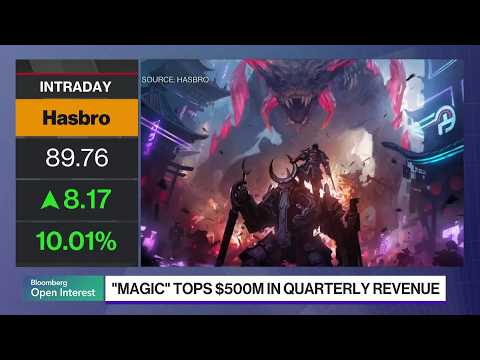
Hasbro has announced a strategic shift in its entertainment portfolio. The company is discontinuing several digital game development projects. This decision accompanies a simultaneous commitment to significantly increase investment in its long-standing collectible card game, ‘Magic: The Gathering’. The move signals a clear prioritization of established, high-performing intellectual property within the company’s diverse holdings.
This pivot resonates with a segment of the gaming community. Many fans express a protective stance towards traditional tabletop games. They often view these physical experiences as distinct from digital trends. Hasbro’s decision appears to align with this sentiment, reinforcing the value of its foundational intellectual properties.
The Evolving Landscape of Play
The entertainment industry continues to evolve at a rapid pace. Consumers engage with content across numerous platforms, from physical board games to complex digital ecosystems. Companies like Hasbro navigate this complex environment, seeking to maximize returns on their extensive intellectual property libraries. This often involves balancing new ventures with established successes.
For decades, Hasbro has been a dominant force in the toy and game market. Its portfolio includes iconic brands such as Monopoly, G.I. Joe, Transformers, and Dungeons & Dragons. The company’s digital strategy has historically aimed to extend these brands into new interactive formats. However, not all digital ventures yield the expected results.
The current market conditions present unique challenges. Development costs for digital games can be substantial. Competition is fierce, with thousands of new titles released annually. Companies must make difficult choices regarding resource allocation and project viability.
‘Magic: The Gathering’: A Consistent Performer
‘Magic: The Gathering’ stands as a cornerstone of Hasbro’s Wizards of the Coast division. Created by Richard Garfield, the game first launched in 1993. It pioneered the collectible card game genre. The game combines strategic depth with an ever-expanding universe of lore and characters.
Over its 33-year history, ‘Magic: The Gathering’ has maintained a dedicated global player base. Organized play, new set releases, and a vibrant secondary market contribute to its sustained success. The game’s appeal transcends demographic boundaries, attracting both casual players and competitive professionals.
Wizards of the Coast reported significant revenue growth from ‘Magic: The Gathering’ in recent years. This consistent performance positions the game as a reliable revenue driver for Hasbro. The decision to double down on this franchise is a direct response to its proven profitability and enduring cultural relevance.
Digital Adaptations of ‘Magic’
‘Magic: The Gathering’ has seen various digital adaptations. ‘Magic: The Gathering Online’ (MTGO) launched in 2002. It provides a platform for online play and card collection. ‘Magic: The Gathering Arena’ (MTG Arena) followed in 2018. MTG Arena offers a more modern, free-to-play experience designed to attract new players. Both platforms contribute to the franchise’s overall ecosystem.
The increased investment in ‘Magic: The Gathering’ likely encompasses these digital platforms. It may involve enhanced development for MTG Arena, new features for MTGO, or further integration of digital and physical play. The goal is to strengthen the entire ‘Magic’ brand, regardless of the specific medium.
The Business of Digital Entertainment
Developing digital games is a complex and often high-risk endeavor. Even established companies face challenges in this sector. Market trends shift rapidly. Player preferences evolve. Technological advancements necessitate continuous adaptation.
Hasbro’s decision to cancel certain digital projects suggests a rigorous evaluation process. Projects may be terminated due to underperformance, high development costs relative to projected returns, or a misalignment with strategic objectives. This is a common practice in the software and gaming industries, where agile development often involves iterating and sometimes discontinuing projects that do not meet benchmarks.
“We are constantly evaluating our portfolio to ensure we are investing in the most promising opportunities,” a Hasbro spokesperson stated regarding the strategic adjustments. “Our focus remains on delivering exceptional entertainment experiences across all our brands.” This statement, while generalized, underscores the corporate philosophy driving such decisions.
<
Impact on the Gaming Community
The news will likely be met with mixed reactions within the gaming community. Fans of the canceled digital projects may express disappointment. These projects often build dedicated followings during their development phases. However, the broader community may see this as a positive sign for ‘Magic: The Gathering’.
For players who value physical card games and tabletop experiences, the increased investment in ‘Magic: The Gathering’ reinforces the longevity of their preferred medium. It suggests that Hasbro recognizes the unique appeal of tangible play. This segment of the market has demonstrated remarkable resilience, even in an increasingly digital world.
The decision also highlights the importance of intellectual property management. Companies must nurture their most valuable assets. ‘Magic: The Gathering’ represents a highly successful and culturally significant property. Its continued growth is vital to Hasbro’s long-term financial health.
Strategic Implications for Hasbro
Hasbro’s strategic pivot carries several implications for the company’s future. It indicates a move towards consolidating resources around its most reliable and profitable ventures. This can lead to increased efficiency and stronger financial performance in the short to medium term.
The company may be aiming to reduce risk exposure in the volatile digital games market. By focusing on a proven entity like ‘Magic: The Gathering’, Hasbro can leverage existing infrastructure, fan loyalty, and development expertise. This approach can yield more predictable returns compared to launching new, unproven digital titles.
Furthermore, this move could influence how Hasbro approaches future digital initiatives. The company may adopt a more selective approach, focusing on digital projects that directly enhance or extend its core tabletop brands. This could lead to more integrated experiences between physical and digital play. The long-term strategy for digital engagement will be closely watched by investors and industry analysts.
The Future of Tabletop Gaming
Tabletop gaming, including board games, role-playing games, and collectible card games, has experienced a resurgence in recent years. This growth is driven by a desire for social interaction, tactile experiences, and deep strategic engagement. ‘Magic: The Gathering’ is a prime example of this enduring appeal.
The investment by Hasbro into ‘Magic: The Gathering’ reaffirms the company’s belief in the future of tabletop play. It signals that physical games are not merely relics of the past. They remain dynamic, innovative, and highly profitable segments of the entertainment industry. This commitment ensures that ‘Magic: The Gathering’ will continue to evolve, offering new content and experiences to its global player base for years to come.
Companies adapt. Markets shift. Resources are allocated. Focus narrows. Investments increase. ‘Magic: The Gathering’ continues.