The 2026 Arizona Gubernatorial Race Takes Shape
The 2026 Arizona gubernatorial election is anticipated to feature a direct contest between U.S. Representative Andy Biggs and incumbent Governor Katie Hobbs. This matchup will place two prominent political figures in a high-stakes battle for the state’s top executive office. The race is expected to garner significant national attention, underscoring Arizona’s critical role in the broader American political landscape.
Arizona has consistently demonstrated a finely balanced electorate. Recent election cycles have shown narrow margins of victory for both Republican and Democratic candidates in statewide races. This political equilibrium ensures that the 2026 gubernatorial contest will be highly competitive and well-funded.
Andy Biggs: A Conservative Standard-Bearer
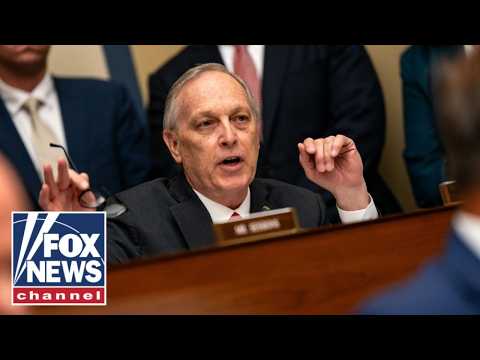
Andy Biggs brings a long history of conservative advocacy to the potential gubernatorial race. He served as the U.S. Representative for Arizona’s 5th congressional district from 2017 to January 2027. During his tenure in Congress, Biggs was a prominent voice among conservative Republicans.
Biggs is known for his fiscal conservatism and adherence to strict constitutional principles. Before his time in Washington D.C., Biggs served in the Arizona State Legislature. He held the position of President of the Arizona Senate from 2013 to 2017. His legislative experience spans both state and federal levels, providing him with a deep understanding of governance and policy-making.
Biggs’s potential campaign is expected to focus on several key issues. These include border security, economic growth through deregulation, and limited government. His base of support typically includes staunch conservatives and voters concerned with federal overreach. He is likely to emphasize his record of opposing what he views as progressive policies. He also advocates for individual liberties.
Katie Hobbs: Incumbency and First-Term Achievements
Katie Hobbs, the incumbent Governor of Arizona, is expected to seek re-election in 2026. She assumed office on January 2, 2023, following a closely contested election in 2022. Prior to her governorship, Hobbs served as Arizona’s Secretary of State from 2019 to 2023. During this period, she oversaw election administration during a time of intense scrutiny.
Her career also includes time in the Arizona State Legislature. She served in both the House of Representatives and the Senate. Hobbs rose to become the Senate Minority Leader during her legislative tenure. Governor Hobbs’s re-election campaign will likely center on her administration’s achievements during her first term.
These achievements could include initiatives related to water conservation, education funding, and economic development. She is expected to highlight her efforts to foster bipartisan cooperation. Her campaign will also likely address critical state challenges. Her political appeal typically extends to moderate voters, Democrats, and independents. These groups often prioritize pragmatic governance and social programs.
Arizona’s Battleground Status
Arizona remains a pivotal swing state in American politics. Its electorate is consistently finely balanced, leading to highly competitive races. Recent election cycles have frequently resulted in narrow margins of victory for candidates from both major parties in statewide contests.
This political equilibrium ensures that the 2026 gubernatorial contest will be intensely competitive. Both national parties and affiliated political action committees are expected to funnel significant resources into the state. This funding will support their respective candidates, indicating the national importance of the race.
The outcome of the Arizona governor’s race often serves as a bellwether for broader national political trends. The state’s diverse demographics contribute to its complex political dynamics. These demographics include a growing Latino population and a mix of urban and rural communities. This diversity necessitates broad appeal for successful campaigns.
Key Issues Dominating the Campaign
Several key issues are likely to dominate the 2026 gubernatorial campaign in Arizona. These topics will shape public opinion and ultimately influence voter decisions. Immigration stands as a perennial issue in Arizona, given its border with Mexico. Candidates will likely present differing approaches to border security and immigration policy.
Water rights represent another critical concern in the arid state. Ongoing drought conditions and increasing demand necessitate robust policy discussions. Education funding and reform will also be central, as both candidates seek to appeal to families and educators. Healthcare access and affordability remain significant issues for many Arizonans. Economic policy, including job growth, taxation, and regulation, will also feature prominently in debates.
The candidates’ stances on these issues will be scrutinized by voters across the state. Public forums, debates, and campaign messaging will focus heavily on these policy areas. The ability to articulate clear and effective solutions will be crucial for both Biggs and Hobbs.
Campaign Strategies and Voter Engagement
As the 2026 election cycle progresses, both campaigns will deploy comprehensive strategies to engage voters. Early campaigning will involve grassroots efforts, town hall meetings, and targeted outreach to key demographic groups. Digital advertising and social media campaigns will play a significant role in disseminating messages and mobilizing support.
Traditional media, including television and radio advertisements, will also be heavily utilized. The candidates will likely participate in multiple debates, offering direct comparisons of their policy positions and leadership styles. Fundraising efforts will intensify as the election approaches, with both candidates seeking to build substantial war chests to fund their operations.
Voter registration drives and get-out-the-vote initiatives will be critical in the months leading up to November 2026. Both parties will focus on maximizing turnout among their respective bases. Independent and undecided voters will be a primary target for persuasion efforts, as their votes often determine the outcome in closely contested Arizona elections.
The National Spotlight on Arizona
Arizona’s status as a swing state means that the 2026 gubernatorial election will not only shape the state’s future but also draw national attention. Political analysts and media outlets from across the country will monitor the race closely. The results could offer insights into broader political trends and the mood of the American electorate.
National party committees will invest heavily, recognizing the symbolic and strategic importance of Arizona’s governorship. The policies enacted in Arizona, particularly concerning border security and water management, often have implications beyond the state’s borders. The candidates’ performance and the election’s outcome will be dissected for their potential impact on future national elections.
The contest between Biggs and Hobbs represents a clash of political ideologies and governing philosophies. Biggs, with his conservative platform, will appeal to voters seeking limited government and traditional values. Hobbs, as the incumbent, will emphasize her administration’s achievements and her pragmatic approach to state challenges. This dynamic sets the stage for a compelling and closely watched election.
Political organizations will mobilize. Financial resources will flow. Debates will ignite. Arizona.