
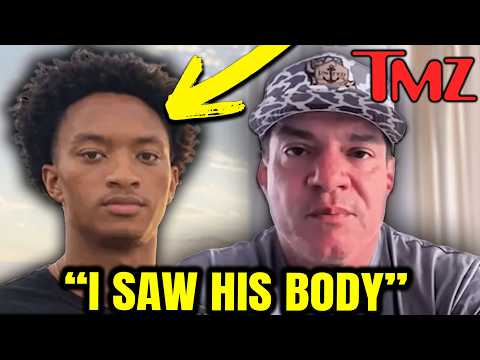
The Discovery of Nolan Wells
Nolan Wells was found, and a Cajun Navy rescuer provided exclusive details to TMZ regarding his condition upon discovery. This account offers a critical look into the immediate aftermath of a significant search and rescue operation. The information addresses the human element of such events, focusing on the state of individuals retrieved after periods of being missing.
The specific details shared by the rescuer illuminate the challenges and realities faced by both those lost and those who dedicate their efforts to finding them. Such reports often provide closure and clarity for families and the public following intense periods of uncertainty.
The Role of the Cajun Navy
The Cajun Navy, a collective of volunteer boat owners and community members, frequently mobilizes during disasters and emergencies. Their origins are rooted in providing aid during hurricanes and floods, particularly across the Gulf Coast region. These volunteers utilize their personal resources, including boats and vehicles, to reach areas inaccessible to traditional emergency services.
Their operations extend beyond natural disasters to include search and rescue missions for missing persons. The organization operates on principles of community support and self-reliance, often filling critical gaps in emergency response. The involvement of the Cajun Navy in the search for Nolan Wells underscores their broad scope of humanitarian effort.
Exclusive Details Emerge
TMZ, a prominent media outlet, secured exclusive access to the rescuer’s account. This type of reporting often brings a personal dimension to news stories, connecting a broader audience with the direct experiences of those involved. The rescuer’s statements focused on the observable condition of Nolan Wells at the moment of his retrieval.
These details are crucial for understanding the immediate medical and logistical considerations following a rescue. They provide a factual basis for subsequent care and recovery efforts. The decision to share these specifics exclusively with TMZ indicates a strategic dissemination of information, aiming for broad public awareness.
The Nature of the Rescue Operation
Search and rescue operations are inherently complex and demand significant coordination. The search for Nolan Wells likely involved multiple agencies and volunteer groups working in concert. Environmental factors, terrain, and the passage of time all contribute to the difficulty of such missions.
The Cajun Navy’s expertise often lies in navigating difficult waters and understanding local landscapes. This specialized knowledge proves invaluable when covering vast or challenging areas. Their ability to deploy rapidly and adapt to fluid situations distinguishes their contributions.
Challenges Faced by Rescuers
Rescuers often face perilous conditions, including adverse weather, treacherous landscapes, and the emotional toll of the search itself. The physical demands are substantial, requiring endurance and specialized skills. Equipment must be maintained, and logistics managed effectively to ensure the safety of both rescuers and those being sought.
The mental fortitude required for these operations is also considerable. Rescuers must remain focused and resilient, even in the face of prolonged efforts or difficult outcomes. The commitment of individuals like the Cajun Navy rescuer involved in the Nolan Wells case exemplifies this dedication.
The Public’s Engagement
High-profile missing persons cases often capture significant public attention. News reports, social media campaigns, and community efforts frequently accompany the official search. This public engagement can generate additional resources, volunteers, and awareness, sometimes proving critical to a positive outcome.
The exclusive details released by the Cajun Navy rescuer through TMZ served to update a concerned public. This transparency, even when filtered through media channels, helps to manage expectations and provide factual updates amidst speculation. The human interest aspect ensures continued public empathy and support for future rescue endeavors.
Understanding the Condition Report
The rescuer’s report on Nolan Wells’ condition is a key piece of information following his discovery. This report would typically include observations about physical state, alertness, and any immediate medical needs. Such information guides the initial stages of medical intervention and recovery planning.
The terminology used in such reports can vary, but generally aims for clarity and objectivity. Details might encompass signs of exposure, injury, or general well-being. These initial assessments are foundational for the subsequent care provided by medical professionals.
Medical Protocol Post-Rescue
Upon retrieval, individuals like Nolan Wells undergo a standardized medical assessment. This protocol ensures that any immediate health concerns are addressed promptly. Paramedics or other emergency medical personnel are typically on-site to provide initial treatment and transportation to a medical facility.
The severity of Wells’ condition, as described by the rescuer, would dictate the urgency and type of medical care required. Recovery from being missing, especially in challenging environments, often involves both physical and psychological support. The full extent of care can extend over weeks or months, depending on the circumstances of the disappearance and rescue.
The Importance of First-Hand Accounts
First-hand accounts from rescuers are invaluable for documenting the realities of these operations. They offer perspectives that official reports may not capture, providing a more human and immediate narrative. The emotional impact on rescuers, as well as the technical aspects of the search, are often conveyed through these personal testimonies.
The exclusive nature of the rescuer’s statement to TMZ underscores its perceived significance. Such accounts help to demystify the rescue process and highlight the bravery and commitment of those involved. They also serve as a testament to the resilience of individuals who endure periods of being lost.
Community and Volunteerism in Crisis
The Cajun Navy exemplifies the power of community and volunteerism in times of crisis. Their model of self-organization and rapid response has been replicated in various forms across different regions. These groups often bridge gaps in official emergency response, particularly when resources are stretched thin or when unique local knowledge is required.
Their effectiveness stems from a deep understanding of local conditions and a strong network of dedicated individuals. The volunteers are often residents of the affected areas, bringing a personal stake to their efforts. This local connection fosters trust and efficiency during emergencies.
The Impact on Families
For families of missing persons, the period of uncertainty is profoundly distressing. The news of a discovery, regardless of the condition, marks a significant turning point. While relief is often paramount, the emotional journey continues as families navigate recovery and adjustment.
The details provided by the rescuer help families to understand what transpired during the period of absence. This information, though sometimes difficult, contributes to the healing process. The support from organizations like the Cajun Navy extends beyond the rescue itself, often providing a sense of community and solidarity.
Future Implications for Rescue Efforts
Every rescue operation, including that of Nolan Wells, offers lessons for future efforts. The strategies employed, the challenges encountered, and the outcomes achieved contribute to a growing body of knowledge for emergency responders. This continuous learning helps to refine techniques, improve coordination, and enhance the effectiveness of future searches.
The public awareness generated by high-profile cases can also influence policy and funding for search and rescue organizations. Increased support for volunteer groups like the Cajun Navy ensures they can continue their vital work. The human interest story surrounding Nolan Wells serves as a powerful reminder of the importance of these services.
The Aftermath and Recovery
The period following a rescue is focused on recovery. For Nolan Wells, this would involve medical care, rehabilitation, and psychological support as needed. The transition back to normal life after such an ordeal can be gradual and complex, requiring patience and comprehensive care.
The details provided by the rescuer offer an initial glimpse into this recovery journey. They set the stage for understanding the path ahead for Wells. The human spirit’s resilience is often tested in these circumstances, and the support network around an individual becomes crucial.
Long-Term Support Systems
Recovery from an extended period of being missing can involve various long-term support systems. These may include therapy, community support groups, and ongoing medical monitoring. The goal is to facilitate a full and healthy return to daily life, addressing both physical and emotional well-being.
Organizations dedicated to supporting survivors of traumatic events can play a vital role. The human element of these stories often resonates with others who have faced similar challenges. This shared experience can foster a sense of community and mutual aid.
The Media’s Role in Human Interest Stories
Media outlets like TMZ play a significant role in disseminating human interest stories. By providing exclusive details and personal accounts, they connect the public with the emotional core of events. This engagement can raise awareness, foster empathy, and sometimes even inspire action.
The decision by the Cajun Navy rescuer to share details with TMZ highlights the media’s power to amplify important narratives. It ensures that the story of Nolan Wells, and the efforts to find him, reaches a broad audience. This coverage reinforces the value of volunteer efforts and the enduring human spirit.
Concern spread. Hope grew. Efforts mounted. Nolan Wells was found.
Relief.