The Challenge to Coe’s Estate
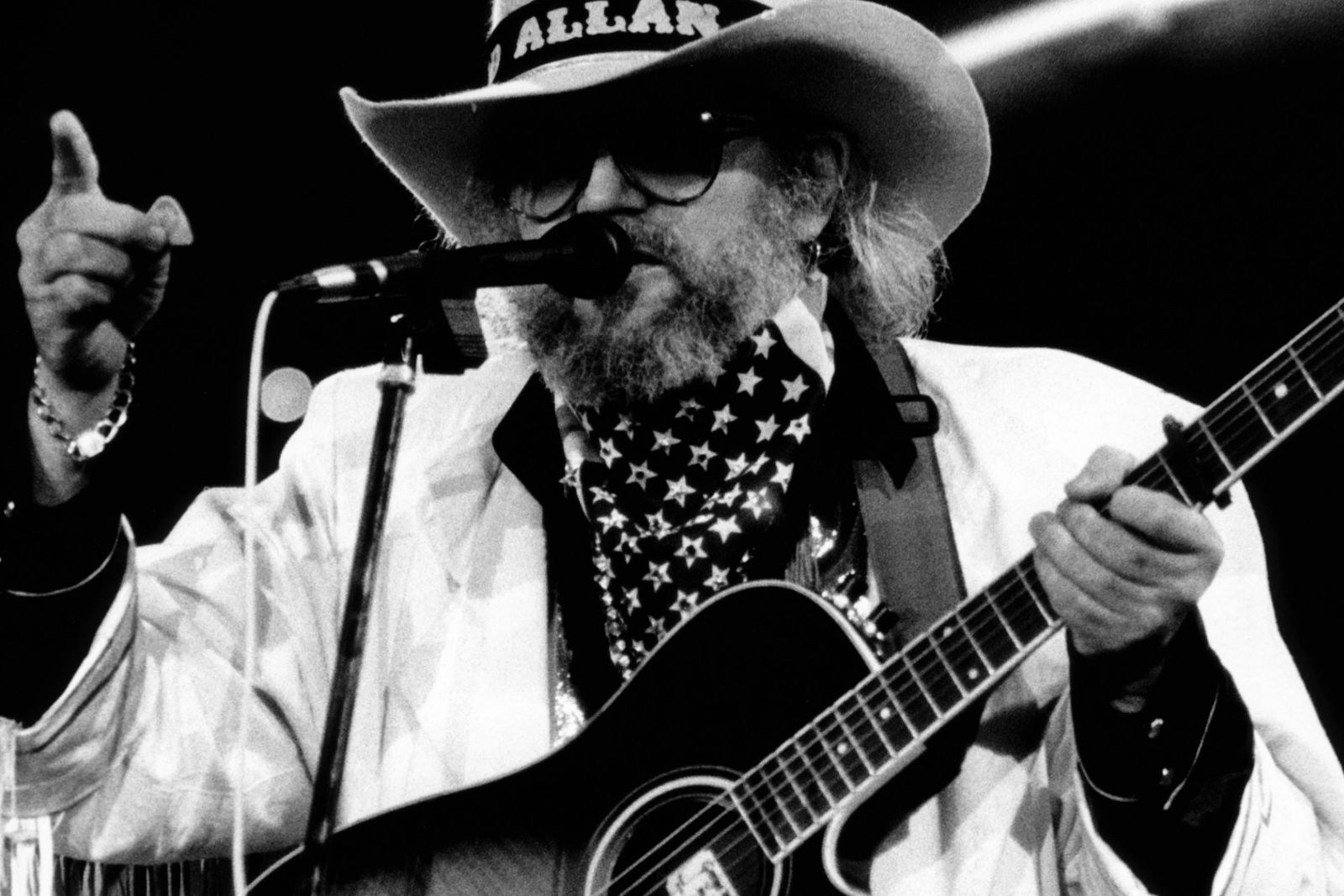
The children of David Allan Coe, the influential and often controversial figure in outlaw country music, are pursuing legal action against his estate. Their claim centers on allegations of unpaid child support. This development follows reports that Coe’s children were deliberately omitted from his last will and testament.
The dispute brings into focus the intersection of estate law, familial obligations, and the legacy of a musician known for his unconventional life. Legal experts indicate that child support obligations can sometimes supersede the explicit terms of a will, depending on jurisdiction and established legal precedents.
Who Was David Allan Coe?
David Allan Coe emerged as a significant voice in country music during the 1970s. He was born on September 6, 1939, in Akron, Ohio. Coe’s career was marked by his outlaw image, distinctive vocal style, and often provocative lyrics. He spent time in correctional facilities in his youth, experiences that heavily influenced his songwriting.
His early albums, such as Penitentiary Blues (1970) and Longhaired Redneck (1976), established his persona. Coe’s music frequently explored themes of hardship, rebellion, and personal freedom. He became a central figure in the outlaw country movement alongside artists like Willie Nelson and Waylon Jennings.
Major Musical Contributions
Coe’s songwriting prowess extended beyond his own recordings. He penned several hit songs for other artists. One of his most famous compositions, “You Never Even Call Me by My Name,” became a major hit for David Allan Coe in 1975. Coe himself recorded a version of the song on his 1975 album, Once Upon a Rhyme.
He also wrote “Longhaired Redneck,” which became one of his signature songs. Another notable composition was “Would You Lay with Me (In a Field of Stone),” a number one hit for Tanya Tucker in 1974. These songs showcased his ability to craft narratives that resonated with a wide audience, despite his often confrontational public image.
The Outlaw Country Movement
The outlaw country movement of the 1970s represented a rebellion against the polished, Nashville sound. Artists like Coe, Jennings, Nelson, and Kris Kristofferson sought greater creative control over their music. They preferred a grittier, more authentic sound that reflected their personal experiences and independent spirit.
Coe’s contributions to this movement were significant. His willingness to push boundaries, both lyrically and stylistically, solidified his place as an icon. His albums, while sometimes controversial, were critically acclaimed for their raw honesty and musical integrity. The movement redefined commercial country music, paving the way for future generations of artists.
Familial Obligations and Estate Planning
The current legal challenge against David Allan Coe’s estate underscores critical aspects of estate law concerning dependents. Estate planning typically involves a will, which outlines how an individual’s assets are to be distributed after their death. However, certain legal obligations, such as child support, often take precedence over the directives within a will.
In many jurisdictions, child support is considered a continuing obligation. This means it does not necessarily terminate with the death of the paying parent. Courts may compel an estate to fulfill outstanding child support payments or to establish a trust for ongoing support, regardless of the will’s contents. This legal principle aims to protect the financial well-being of minor children or adult children with specific needs.
The Role of Intentional Exclusion
The claim of intentional exclusion from a will complicates matters. While individuals generally have the right to disinherit heirs, this right is not absolute when statutory obligations are involved. If a parent had an existing child support order or a recognized duty of support, the estate may still be liable. This liability can exist even if the will explicitly states that a child should receive no inheritance.
Legal proceedings in such cases often involve examining the deceased’s financial history, previous support agreements, and the specific laws governing estates and family support in the relevant state. The children’s legal representatives would likely present evidence of past support arrangements or the lack thereof, alongside the terms of Coe’s will.
Previous Legal Encounters and Controversies
David Allan Coe’s life was frequently punctuated by legal issues and public controversies. His music often contained explicit language and themes that led to censorship and debate. He released albums, such as Nothing Sacred (1978) and Rebel Meets Rebel (2006), that were particularly polarizing.
His outspoken nature and anti-establishment stance sometimes led to clashes with music industry figures and critics. These controversies, while defining his outlaw image, also contributed to a complex public perception. His personal life, including multiple marriages and children, was also a subject of public interest and speculation.
The Financial Landscape of a Music Career
The financial aspects of a long music career, especially one as independent as Coe’s, can be intricate. Income streams include record sales, publishing royalties from songwriting, touring revenue, and merchandise. Managing these diverse income sources and ensuring proper financial planning, particularly regarding familial obligations, is a significant challenge for many artists.
The value of an artist’s estate can fluctuate based on ongoing royalty payments, catalog ownership, and intellectual property rights. Disputes over estates often arise when these assets are substantial or when there is ambiguity in financial arrangements made during the artist’s lifetime.
The Estate’s Response and Legal Process
The legal process initiated by David Allan Coe’s children will involve several stages. The estate’s representatives will likely review the claims, potentially challenging their validity or the amount sought. This could lead to negotiations, mediation, or, if no agreement is reached, a full court trial.
The outcome will depend on the strength of the evidence presented by both sides. It will also depend on the interpretation of applicable state laws regarding child support and inheritance. The proceedings will unfold in a public forum, bringing further attention to Coe’s legacy and personal affairs.
Impact on Coe’s Legacy
This legal battle adds another layer to the complex legacy of David Allan Coe. His musical contributions remain influential, with many artists citing him as an inspiration. However, the current dispute highlights the personal dimensions of his life that sometimes overshadowed his artistic achievements.
The resolution of this case will undoubtedly shape how Coe is remembered, particularly concerning his responsibilities as a parent. It underscores that even after death, legal and moral obligations can continue to impact an individual’s estate and public image. The music endures, but the personal story continues to evolve.
The claims proceed. The estate responds. The courts weigh the evidence. The legacy. Coe.