
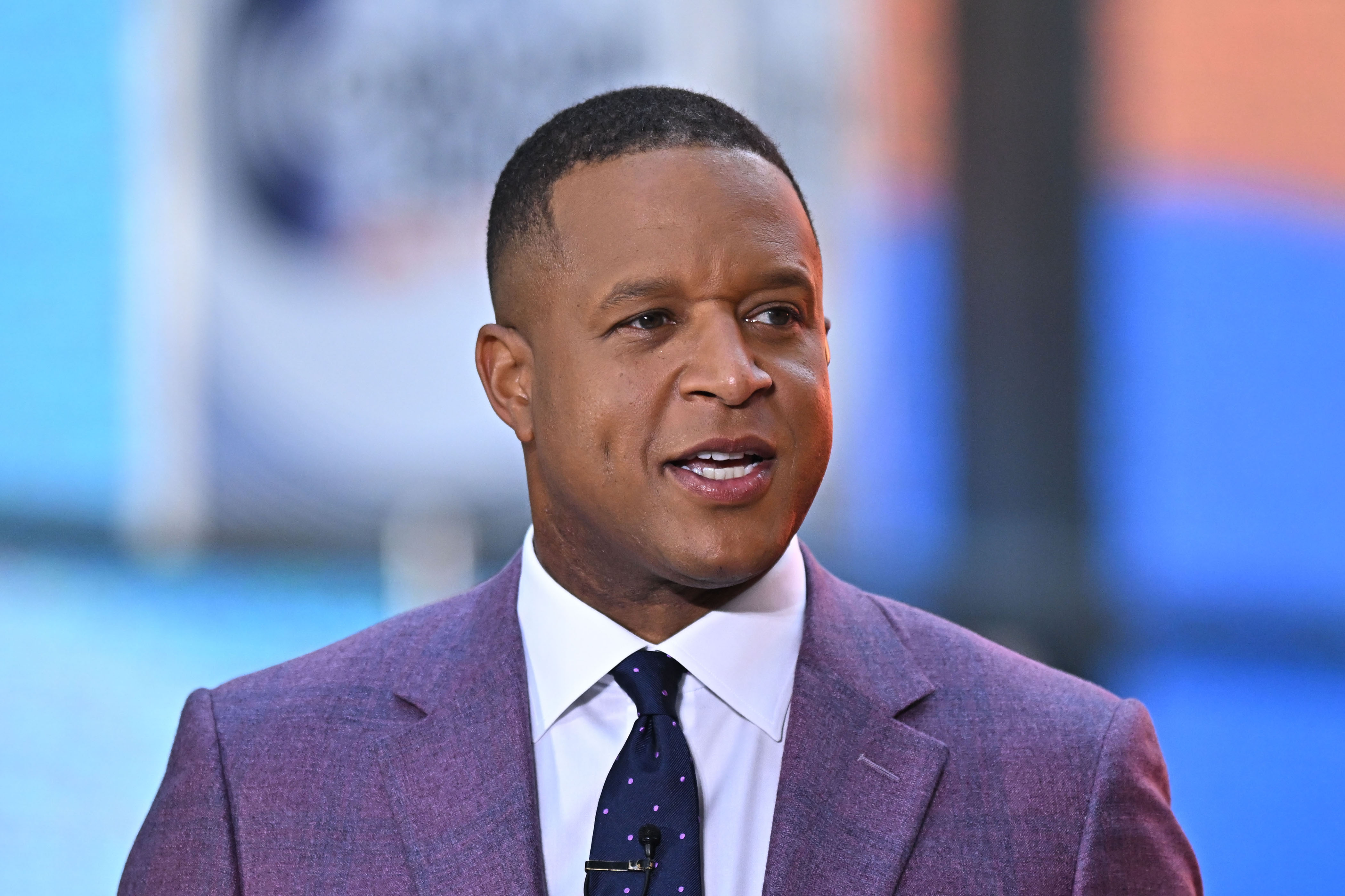
On July 16, 2026, a security breach occurred at Rockefeller Center in New York City, involving an individual who lunged at Craig Melvin, a prominent host on NBC’s Today show. The incident prompted immediate action from security personnel and the New York Police Department, resulting in the swift apprehension of the assailant. This event has drawn attention to the persistent challenges of ensuring the safety of public figures in accessible locations.
The incident unfolded during routine operations at the iconic Midtown Manhattan complex. Rockefeller Center, a bustling hub of commerce and tourism, is also home to the studios of NBC News. Melvin was reportedly in a public area when the individual approached him aggressively.
The Incident at Rockefeller Center
The specific details surrounding the intruder’s approach remain under investigation by authorities. Reports indicate the individual made a direct movement towards Melvin, described as a lunge. This action immediately triggered a response from the security detail present.
Eyewitness accounts suggest the confrontation was brief but intense. Security personnel, including private guards and uniformed officers, converged on the scene within moments. Their rapid intervention prevented any further escalation.
The individual was subdued and taken into custody by the New York Police Department. Charges against the assailant have not yet been publicly detailed, pending the ongoing investigation.
Craig Melvin’s Public Profile
Craig Melvin is a well-known figure in American broadcast journalism. He serves as a news anchor on the Today show, a co-host of the third hour of Today, and a host of MSNBC Live. His career has spanned various high-profile assignments, including coverage of major political events and breaking news stories.
Melvin joined NBC News in 2011. He quickly rose through the ranks, becoming a consistent presence on both the network’s morning show and its cable news counterpart. His public visibility makes him a recognizable face to millions of viewers daily.
As a public figure, Melvin frequently interacts with the public, both on and off camera. This accessibility is often a cornerstone of broadcast journalism, fostering a connection with the audience. However, it also introduces inherent security risks.
Security Protocols in Public Spaces
Rockefeller Center is a complex environment with a multi-layered security apparatus. This includes uniformed security guards, plainclothes officers, and extensive surveillance systems. The presence of major media organizations like NBC News necessitates heightened vigilance.
Despite these measures, incidents involving aggressive individuals or those seeking unauthorized access are not uncommon in high-traffic public areas. The challenge lies in balancing public access with stringent security requirements.
The incident involving Craig Melvin underscores the need for constant evaluation and adaptation of security protocols. Threat assessments are routinely conducted for public figures, especially those working in highly visible locations.
Impact on Media Personalities
The safety of journalists and media personalities has become an increasingly prominent concern. Incidents ranging from verbal harassment to physical threats have been reported across the industry. These events can have a chilling effect on the ability of journalists to perform their duties freely.
Public figures often navigate a delicate balance between engagement with their audience and personal safety. The rise of social media has amplified both public interaction and the potential for targeted harassment.
NBC News, like other major media organizations, employs security teams dedicated to protecting its talent and staff. These teams work in conjunction with local law enforcement to mitigate risks.
The Broader Context of Public Safety
This incident is not isolated. Across the United States, public figures, including politicians, entertainers, and business leaders, face various security challenges. The Secret Service, for example, protects the President, Vice President, and their families, along with other designated individuals.
For those without federal protection, personal security details and private security firms are often employed. However, these measures cannot eliminate all risks, particularly in dynamic public settings.
The event at Rockefeller Center serves as a reminder of the unpredictable nature of public interactions. It highlights the vulnerabilities that can arise even in heavily secured environments.
Community and Industry Reactions
Following the incident, expressions of concern and support for Craig Melvin emerged from colleagues and viewers. The broadcast community often rallies around its members during such events, emphasizing solidarity.
Media organizations may review their internal security procedures in light of such incidents. These reviews can lead to adjustments in staffing, equipment, or operational practices.
The discussion also extends to the mental and emotional toll such events can take on individuals. Public figures often face scrutiny and intense pressure, and security breaches add another layer of stress.
Legal Ramifications for Assailants
Individuals who engage in aggressive behavior or make threats against others, particularly public figures, often face significant legal consequences. These can include charges of assault, harassment, or trespassing, depending on the specifics of the incident and local laws.
The severity of charges can vary based on whether physical contact was made, the intent of the assailant, and any prior criminal history. The New York Police Department will likely pursue appropriate charges in this case.
Prosecution aims to deter similar acts and ensure public order. It also sends a clear message that such behavior will not be tolerated, especially in public spaces like Rockefeller Center.
Looking Ahead: Enhanced Vigilance
The incident involving Craig Melvin will likely lead to enhanced vigilance at NBC’s Rockefeller Center facilities. Security personnel will remain on high alert, and measures may be augmented to prevent future occurrences.
This heightened awareness extends beyond physical security. It also involves monitoring digital threats and intelligence gathering to identify potential risks before they materialize.
The balance between maintaining an open, accessible environment for broadcast operations and ensuring the safety of personnel is a continuous challenge. Incidents like this reinforce the need for proactive and adaptive security strategies.
Journalists continue their work. Security teams continue their watch. The city continues its rhythm.
New York.