The Mega-Merger Under Scrutiny
The proposed mega-merger between Paramount Global and Warner Bros. Discovery is currently facing significant legal challenges from a coalition of state attorneys general and the Writers Guild of America West (WGAW). These parties contend that the consolidation of two major media entities would result in an anti-competitive market, negatively impacting consumers, content creators, and the overall entertainment industry.
This legal battle involves emergency motions and a scheduled showdown hearing in federal court. The outcome of these proceedings will determine the immediate future of the merger and could establish important precedents for future corporate consolidations within the media landscape.
The Proposed Consolidation
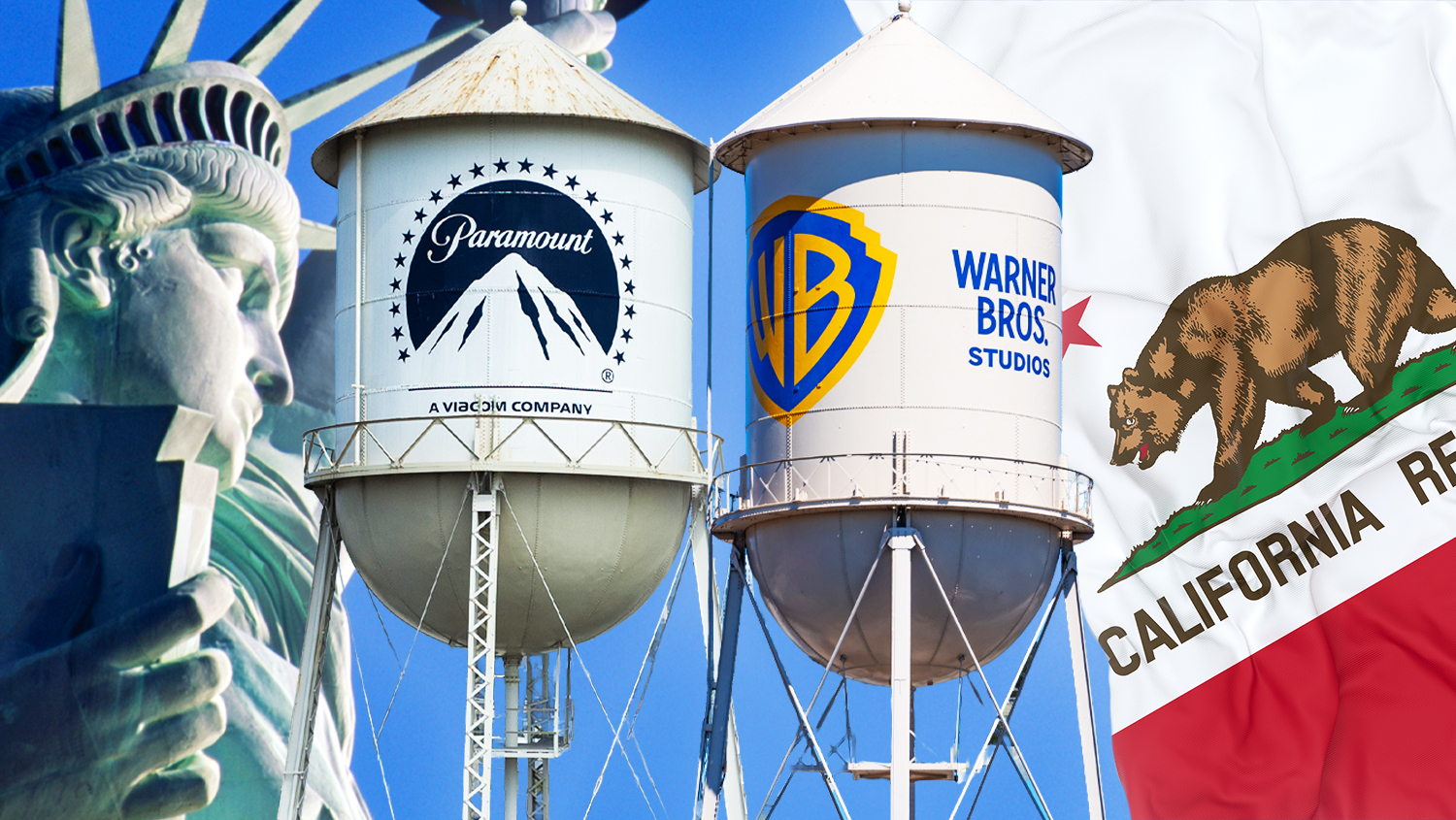
Paramount Global, a multifaceted media corporation, owns CBS, Paramount Pictures, MTV, Comedy Central, BET, and the streaming service Paramount+. Warner Bros. Discovery, formed from the 2022 merger of WarnerMedia and Discovery Inc., controls Warner Bros. Entertainment, CNN, HBO, TNT, TBS, Discovery Channel, and the Max streaming service.
The combined entity would control an extensive portfolio of intellectual property, production studios, cable networks, and streaming platforms. Proponents of the merger argue it would create a more robust competitor in the global streaming wars and enable greater investment in original content. They suggest it would allow the new company to better compete with tech giants like Apple and Amazon, which have significantly expanded their media offerings.
Antitrust Concerns Emerge
Antitrust concerns were immediately raised upon the announcement of the merger talks. Critics pointed to the already consolidated nature of the media industry. The Department of Justice (DOJ) and the Federal Trade Commission (FTC) have increased their scrutiny of large mergers across various sectors in recent years, reflecting a broader governmental interest in preventing monopolies and promoting fair competition.
The current administration, under President Trump, has signaled a stronger stance on antitrust enforcement. This stance has impacted industries from technology to healthcare, and now extends to the entertainment sector. The legal challenges against the Paramount-Warner Bros. Discovery merger align with this broader policy shift.
The Role of State Attorneys General
A coalition of state attorneys general has filed a lawsuit to block the proposed merger. These states argue that the consolidation would harm consumers by reducing competition in content distribution, particularly in streaming services and cable television. They also express concerns about potential price increases and reduced diversity in programming.
The states involved represent a diverse geographical and political spectrum. Their collective action underscores the widespread concern regarding the potential market dominance of the merged entity. Their legal filings detail how the merger could lead to fewer choices for viewers and less innovative content development.
Impact on Local Markets
The attorneys general also highlight the potential impact on local markets. For example, a combined entity might reduce its investment in regional news programming or local advertising sales. This could disproportionately affect smaller media markets, further centralizing media power in major metropolitan areas.
Furthermore, the states argue that the merger could lead to job losses in their respective regions. Redundancies in administrative, production, and distribution roles are common outcomes of large corporate mergers. These job losses can have a ripple effect on local economies.
The Writers Guild of America West Intervention
The Writers Guild of America West (WGAW) has also taken a strong stance against the merger. The WGAW, representing thousands of screenwriters and television writers, has filed its own legal challenge. Their primary concern revolves around the potential for reduced competition among buyers of creative labor.
The WGAW argues that a merger would consolidate power among a smaller number of studios and networks. This would give the combined company immense leverage in negotiations with writers, potentially leading to lower wages, fewer job opportunities, and less favorable working conditions. This concern is particularly acute following recent labor disputes in Hollywood, where fair compensation and working conditions were central issues.
Historical Context of Labor and Mergers
The WGAW’s intervention is not unprecedented. Historically, labor unions in Hollywood have expressed concerns about media consolidations. Past mergers, such as the WarnerMedia-Discovery deal itself, have been followed by periods of restructuring, content cancellations, and shifts in creative strategies that often impact writers and other creative professionals.
The WGAW’s legal brief likely points to specific clauses in their collective bargaining agreements that could be jeopardized by a massive consolidation. Their involvement adds a significant dimension to the legal challenge, framing the merger not just as an antitrust issue but also as a labor rights issue.
The Legal Battle: Emergency Motions and Showdown
The legal proceedings have moved quickly, with both the state attorneys general and the WGAW filing emergency motions. These motions seek immediate intervention from the courts to prevent the merger from proceeding while the larger antitrust case is heard. Emergency motions are typically filed when parties believe irreparable harm could occur if a deal is allowed to close without judicial review.
A showdown hearing has been scheduled in federal court. During this hearing, legal teams for Paramount Global, Warner Bros. Discovery, the state attorneys general, and the WGAW will present their arguments. The court will consider whether to issue a preliminary injunction, which would temporarily halt the merger, or allow it to proceed while the antitrust investigation continues.
Key Legal Arguments
The arguments presented will likely center on several key areas:
- Market Definition: What constitutes the relevant market? Is it the broad entertainment industry, or more specific segments like premium streaming, cable content, or film production? The definition of the market significantly impacts how market concentration is assessed.
- Market Concentration: Would the merged entity hold too large a share of this defined market, leading to a monopoly or oligopoly? Lawyers will use economic models and data to demonstrate potential market power.
- Harm to Competition: How would the merger specifically reduce competition? This could include reduced consumer choice, higher prices, stifled innovation, or decreased opportunities for independent content creators.
- Efficiencies: The merging companies will likely argue that the merger creates significant efficiencies, such as cost savings, increased investment in content, and enhanced global competitiveness. They must demonstrate that these efficiencies outweigh any potential anti-competitive effects.
- Labor Impact: The WGAW will focus on the monopsony power (a market structure where there is only one buyer) that the combined entity could exert over creative labor, particularly writers.
Precedents and Implications
The legal challenge to the Paramount-Warner Bros. Discovery merger draws parallels to other significant antitrust cases in the media and technology sectors. For instance, the DOJ’s challenges to AT&T’s acquisition of Time Warner (now WarnerMedia) in 2018, and more recently, the FTC’s scrutiny of Microsoft’s acquisition of Activision Blizzard, highlight the government’s willingness to intervene in large-scale corporate consolidations.
The outcome of this case could have profound implications for the future of media mergers. A successful challenge could embolden regulators and other groups to scrutinize similar deals more closely. Conversely, if the merger proceeds, it could signal a weakening of antitrust enforcement in the face of increasingly globalized and consolidated industries.
The Shifting Media Landscape
The entertainment industry is in a constant state of flux, driven by technological advancements and changing consumer habits. The rise of streaming services has fundamentally altered how content is produced, distributed, and consumed. This has led to a race for scale among media companies, as they seek to build extensive content libraries and subscriber bases.
However, this drive for scale often comes at the cost of competition. Fewer, larger players could lead to less diverse content, higher subscription prices, and reduced opportunities for emerging talent. The legal battle over the Paramount-Warner Bros. Discovery merger represents a critical moment in defining the balance between corporate growth and public interest in this evolving landscape.
What Lies Ahead
Following the showdown hearing, the federal court will issue a ruling on the emergency motions. This ruling could either grant a preliminary injunction, temporarily blocking the merger, or allow it to proceed. Regardless of the immediate outcome, the broader antitrust investigation is likely to continue, potentially leading to a full trial if a settlement is not reached.
Both Paramount Global and Warner Bros. Discovery have significant resources dedicated to navigating these legal challenges. Their legal teams will work to counter the arguments put forth by the state attorneys general and the WGAW. The process could be lengthy, involving extensive discovery, expert testimony, and multiple appeals.
Potential Outcomes
Several outcomes are possible:
- Merger Blocked: The courts could permanently block the merger, forcing the companies to remain separate.
- Merger Approved with Conditions: The merger could be approved but with significant conditions, such as divestitures of certain assets (e.g., selling off specific cable networks or studios) to alleviate antitrust concerns.
- Merger Approved: The courts could find insufficient evidence of anti-competitive harm and allow the merger to proceed as initially planned.
- Settlement: The companies might reach a settlement with the challenging parties, agreeing to certain concessions to avoid a protracted legal battle.
The entertainment world watches. The legal teams prepare. The industry awaits.
The future of media.