
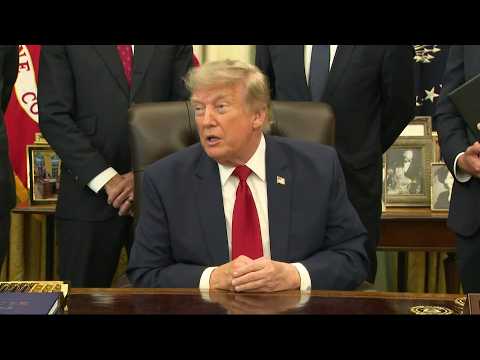
President Trump recently stated that the United States will ultimately control the Strait of Hormuz. This declaration by President Trump underscores the strategic importance of the waterway. The Strait of Hormuz serves as a critical chokepoint for global energy supplies.
Its control has far-reaching implications for international trade, national security, and diplomatic relations. The United States has maintained a significant naval presence in the region for decades. This presence aims to ensure freedom of navigation and stability.
The Strategic Importance of the Strait of Hormuz
The Strait of Hormuz connects the Persian Gulf with the Arabian Sea and the Gulf of Oman. It is one of the world’s most vital shipping lanes. Its narrowest point is only about 21 nautical miles wide.
This narrow channel is deep enough for large oil tankers. These tankers carry crude oil and liquefied natural gas (LNG) to markets worldwide. The Strait is bordered by Iran to the north and Oman’s Musandam Peninsula to the south.
An estimated 20% of the world’s total petroleum consumption passes through this Strait. This includes a substantial portion of the world’s LNG shipments. The volume of energy resources makes the Strait indispensable to global energy security.
Any disruption to traffic in the Strait can trigger immediate and significant increases in global oil and gas prices. Such disruptions can also lead to widespread economic instability. The Strait’s role in the global energy supply chain cannot be overstated.
Historical Context of US Presence
The United States has a long history of involvement in the security of the Persian Gulf. This involvement dates back to the post-World War II era. The US Navy’s Fifth Fleet is headquartered in Bahrain. Its primary mission includes protecting maritime commerce and deterring aggression in the region.
Naval operations in the Strait of Hormuz have been continuous. They involve patrolling, escorting commercial vessels, and conducting joint exercises with allied nations. These efforts are part of a broader strategy to maintain open sea lanes.
Incidents involving Iranian forces and international shipping have occurred periodically. These incidents highlight the volatile nature of the region. They also underscore the importance of a stable security presence.
In 1988, Operation Praying Mantis saw US naval forces engage Iranian forces. This followed damage to a US warship by an Iranian mine. Such historical events demonstrate the potential for escalation in the Strait.
International Law and Freedom of Navigation
International law generally guarantees freedom of navigation through straits used for international navigation. The United Nations Convention on the Law of the Sea (UNCLOS) addresses this principle. Most nations recognize the right of transit passage through the Strait of Hormuz.
Iran, however, has not ratified UNCLOS. It argues that its sovereign rights over its territorial waters allow it to control passage. This stance creates a legal and political tension. It directly impacts the interpretation of navigation rights.
The US position consistently advocates for adherence to international law. This includes the right of transit passage for all vessels. President Trump’s statement implies a more assertive stance on this issue. It suggests a potential shift in how the US enforces these rights.
Such a shift could challenge existing interpretations of international maritime law. It could also provoke responses from other nations with interests in the region. The legal framework surrounding the Strait is complex and contested.
Economic Implications of Control
Control over the Strait of Hormuz would grant immense economic leverage. The ability to regulate or restrict passage would impact global energy markets directly. Nations dependent on Persian Gulf oil and gas would be particularly vulnerable.
Major importers include countries in Asia, Europe, and North America. Disruptions could lead to severe energy shortages and economic recessions. The stability of oil prices is often linked to the perceived security of the Strait.
Beyond energy, the Strait facilitates a significant volume of general cargo. This includes manufactured goods and raw materials. Any impediment to this trade would have global economic repercussions.
President Trump’s statement, therefore, carries substantial economic weight. It signals a potential re-evaluation of US policy regarding global economic chokepoints. The economic stakes are exceptionally high for all parties involved.
Geopolitical Ramifications
The Strait of Hormuz is a focal point of geopolitical competition. Regional powers, including Iran and Saudi Arabia, view its control as essential to their security and influence. International powers like China and Russia also have strategic interests in the Strait’s stability.
China, a major importer of Middle Eastern oil, relies heavily on the Strait for its energy security. Russia, a major energy exporter, monitors the Strait for its impact on global energy prices. Both nations have expressed concerns about any unilateral actions in the region.
President Trump’s statement could be interpreted in various ways. It could be seen as a deterrent against Iranian aggression. It could also be viewed as an escalation of US influence. The perception of control can alter regional power balances significantly.
Alliances and rivalries in the Middle East are intricately linked to the Strait. Any move towards US control would necessitate careful diplomatic maneuvering. It would also require a clear strategy for managing potential international reactions.
The Role of Iran
Iran views the Strait of Hormuz as a critical component of its national defense. It has repeatedly threatened to close the Strait in response to sanctions or military threats. These threats are often seen as a bargaining chip in international negotiations.
Iran’s Revolutionary Guard Corps operates in the waters of the Persian Gulf. They have been involved in numerous confrontations with international shipping. These include the seizure of oil tankers and harassment of naval vessels.
The Iranian perspective emphasizes its sovereign rights over the waterway. It also highlights its perceived need to protect its economic and security interests. This often puts Iran at odds with international norms of free navigation.
President Trump’s statement directly challenges Iran’s long-held position. It suggests a potential shift towards a more definitive US posture regarding the Strait. This could lead to increased tensions in an already volatile region.
Future Scenarios and Diplomacy
The assertion of US control over the Strait of Hormuz presents several potential future scenarios. One scenario involves a more robust US naval presence and enforcement of international maritime law. This could lead to increased stability, but also heightened risk of confrontation.
Another scenario might involve diplomatic efforts to formalize international agreements for the Strait’s management. Such agreements would need to balance the interests of all stakeholders. This would include Iran, the Gulf states, and major global powers.
President Trump’s statement could also be part of a broader negotiation strategy. It might aim to exert pressure on adversaries or strengthen the US position in upcoming talks. Diplomacy remains a critical tool for de-escalation and conflict resolution.
The international community will closely watch how this statement translates into policy. The future of navigation in the Strait of Hormuz will depend on a delicate balance. It will require a mix of military deterrence, diplomatic engagement, and adherence to international law.
Ensuring Global Energy Security
Global energy security is intrinsically linked to the Strait of Hormuz. Reliable access to oil and natural gas is essential for economic stability worldwide. Any threat to this access is a threat to global prosperity.
Diversification of energy sources and supply routes is an ongoing effort. However, no single alternative can fully replace the volume of energy transiting the Strait. This makes its continued open status paramount.
President Trump’s comments highlight the enduring challenge of securing vital global chokepoints. They underscore the US commitment to maintaining global energy flows. The long-term stability of the Strait remains a top priority for many nations.
Ensuring global energy security involves continuous monitoring, strategic planning, and international cooperation. The Strait of Hormuz will continue to be a central feature of these efforts.
Oil tankers navigated. Warships patrolled. Diplomats conferred.
The Strait.