The Growing Chasm Between Hollywood and Silicon Valley
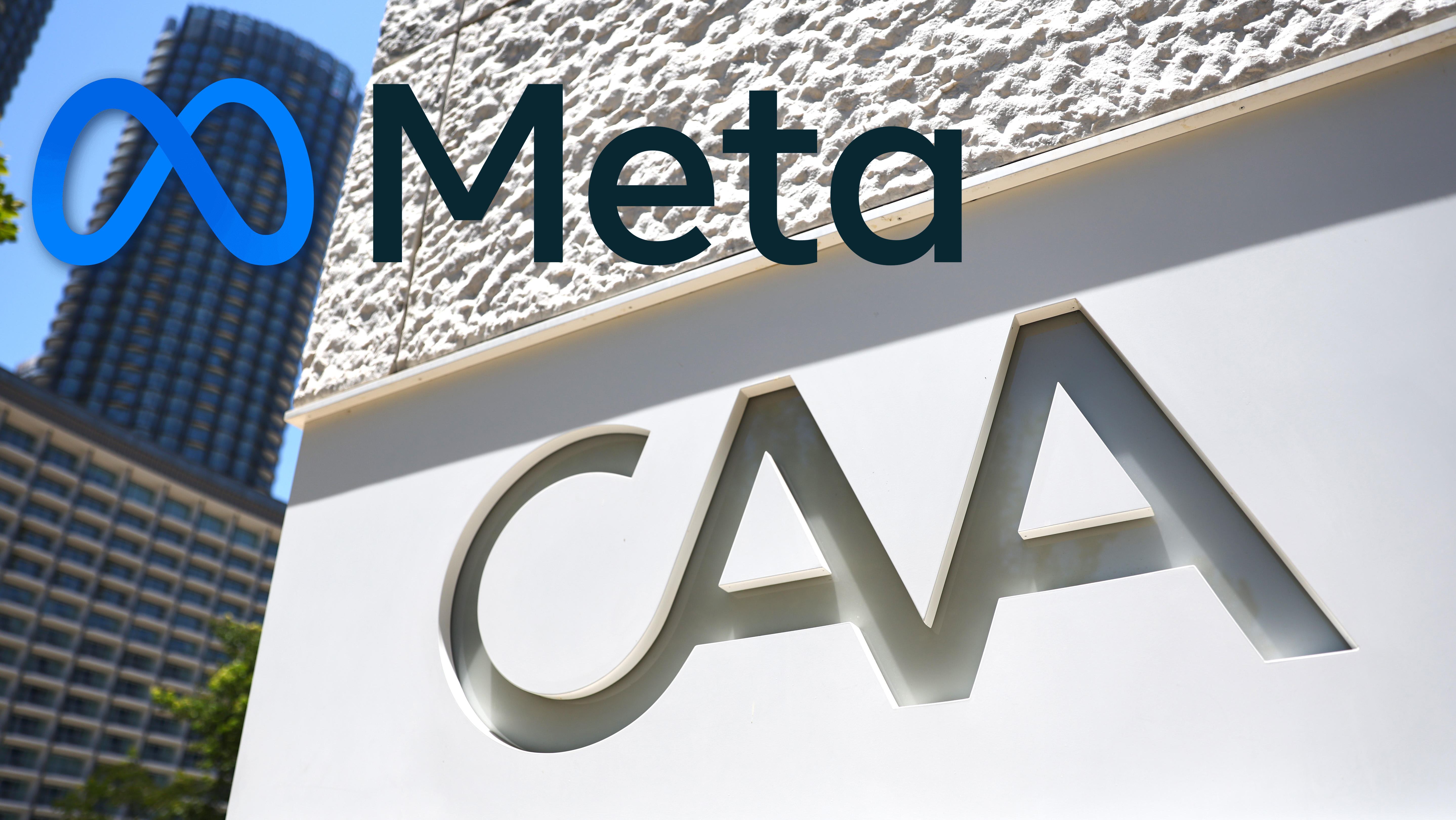
The Creative Artists Agency (CAA) recently escalated its concerns regarding Meta Platforms Inc.’s new AI image generation tool, Muse. CAA’s public stance reflects a widening chasm between the creative industries of Hollywood and the rapidly advancing technological landscape of Silicon Valley. This agency, representing a vast array of artists, writers, and performers, voiced significant worries about the implications of such AI for intellectual property rights and individual privacy.
The agency’s criticism did not go unanswered. Mark Zuckerberg, CEO of Meta, addressed the concerns directly. Zuckerberg defended Muse, asserting that Meta developed the AI technology with strict ethical considerations. He emphasized the company’s commitment to balancing innovation with user protection and creator rights.
Muse: Meta’s Foray into Generative AI
Meta introduced Muse as its latest advancement in generative artificial intelligence. The tool is designed to create high-quality images from text prompts. It represents Meta’s significant investment in AI research and its ambition to integrate these capabilities across its vast platform ecosystem, including Facebook, Instagram, and WhatsApp.
The technology behind Muse leverages vast datasets to learn patterns and styles. This enables it to generate novel visual content. Meta positions Muse as a powerful tool for creative expression and efficiency, offering users new ways to communicate and innovate within its digital environments.
CAA’s Core Concerns: IP and Privacy
CAA’s primary objections center on two critical areas: intellectual property infringement and user data privacy. The agency argues that generative AI models, including Muse, often train on existing copyrighted material without explicit consent or compensation to the original creators. This practice, they contend, undermines the economic stability of artists and devalues creative work.
Beyond copyright, CAA raised red flags about the potential for Muse to misuse or misrepresent individuals’ likenesses. The agency expressed anxieties that AI-generated images could be deployed in ways that infringe on personal privacy or create deepfakes, leading to reputational damage or exploitation. These concerns resonate deeply within an industry where image and identity are paramount assets.
Zuckerberg’s Defense: Ethical AI Development
Mark Zuckerberg countered CAA’s criticisms by highlighting Meta’s internal protocols for ethical AI development. He stated that Muse was built with safeguards designed to prevent the generation of harmful or infringing content. Zuckerberg emphasized that Meta is actively working on transparency measures for AI-generated content, aiming to distinguish it from human-created work.
Meta’s CEO also pointed to the potential benefits of AI for creators. He suggested that tools like Muse could democratize access to sophisticated image creation, empowering a broader range of individuals to produce high-quality visual content. Zuckerberg’s defense underscored Meta’s vision of AI as an augmentative force rather than a replacement for human creativity.
The Broader Industry Landscape: AI and Hollywood
The confrontation between CAA and Meta is not an isolated incident. It reflects a pervasive tension across Hollywood regarding the rapid advancement of artificial intelligence. Major studios, production companies, and talent agencies are grappling with how AI will reshape workflows, contracts, and compensation models.
Organizations like the Writers Guild of America (WGA) and the Screen Actors Guild – American Federation of Television and Radio Artists (SAG-AFTRA) have already begun to negotiate for protections against AI in their collective bargaining agreements. These unions seek to ensure that AI is used as a tool to assist, not replace, human talent, and that creators are fairly compensated for their contributions, even when AI is involved in the production process.
The Legal and Ethical Minefield of Generative AI
The legal framework surrounding generative AI remains largely undefined. Existing copyright laws were not designed to address the complexities of AI training data or the originality of AI-generated outputs. This legal vacuum contributes to the anxieties expressed by CAA and other industry stakeholders.
Ethical considerations also play a significant role. Questions persist about accountability when AI generates problematic content, the potential for bias embedded in training data, and the long-term societal impact of increasingly sophisticated AI systems. These are not merely technical challenges but fundamental ethical dilemmas that require broad societal consensus and regulatory action.
The Future of Creative Labor
The debate over Muse and similar AI tools touches upon the future of creative labor. Many artists and professionals fear that AI could lead to widespread job displacement. They argue that if AI can generate content quickly and cheaply, the demand for human artists, illustrators, and designers could diminish significantly.
Conversely, proponents of AI argue that it will create new roles and opportunities. They envision a future where AI tools enhance human creativity, allowing artists to focus on higher-level conceptual work while AI handles more mundane or repetitive tasks. The challenge lies in navigating this transition in a way that supports human talent rather than undermining it.
Regulatory Pressures and Public Scrutiny
Both Meta and CAA operate under increasing regulatory pressures and public scrutiny. Governments worldwide are beginning to explore legislation to govern AI development and deployment. The European Union’s AI Act, for example, aims to establish a comprehensive legal framework for artificial intelligence, categorizing AI systems by risk level.
Public opinion also plays a crucial role. Consumers are increasingly aware of issues related to data privacy and the ethical implications of technology. Companies that fail to address these concerns risk reputational damage and consumer backlash. The public discourse surrounding Muse highlights the need for transparency and accountability from tech giants.
The Ongoing Dialogue: Collaboration or Conflict?
The exchange between CAA and Meta underscores a critical juncture. Will the relationship between creative industries and technology companies evolve into one of collaboration, or will it be characterized by ongoing conflict? Many stakeholders believe that a path towards collaboration, where artists and technologists work together to define ethical guidelines and fair compensation models, is essential.
This collaboration would involve developing new contractual agreements, establishing clear attribution standards for AI-assisted work, and exploring innovative ways to license intellectual property for AI training. Without such proactive engagement, the risk of litigation and further polarization remains high.
The Path Forward for AI in the Creative Sphere
The controversy surrounding Meta’s Muse serves as a microcosm of larger challenges facing the digital economy. The path forward for AI in the creative sphere requires careful consideration of technological capabilities, legal frameworks, ethical responsibilities, and the human element of artistic expression. It demands a dialogue that includes creators, tech developers, policymakers, and the public.
Ensuring that AI serves humanity, rather than diminishing it, is the central task. Protecting intellectual property. Upholding privacy. Fostering innovation. These are the stakes.
Hollywood. Silicon Valley. Regulators. Creators. Consumers.
The future.