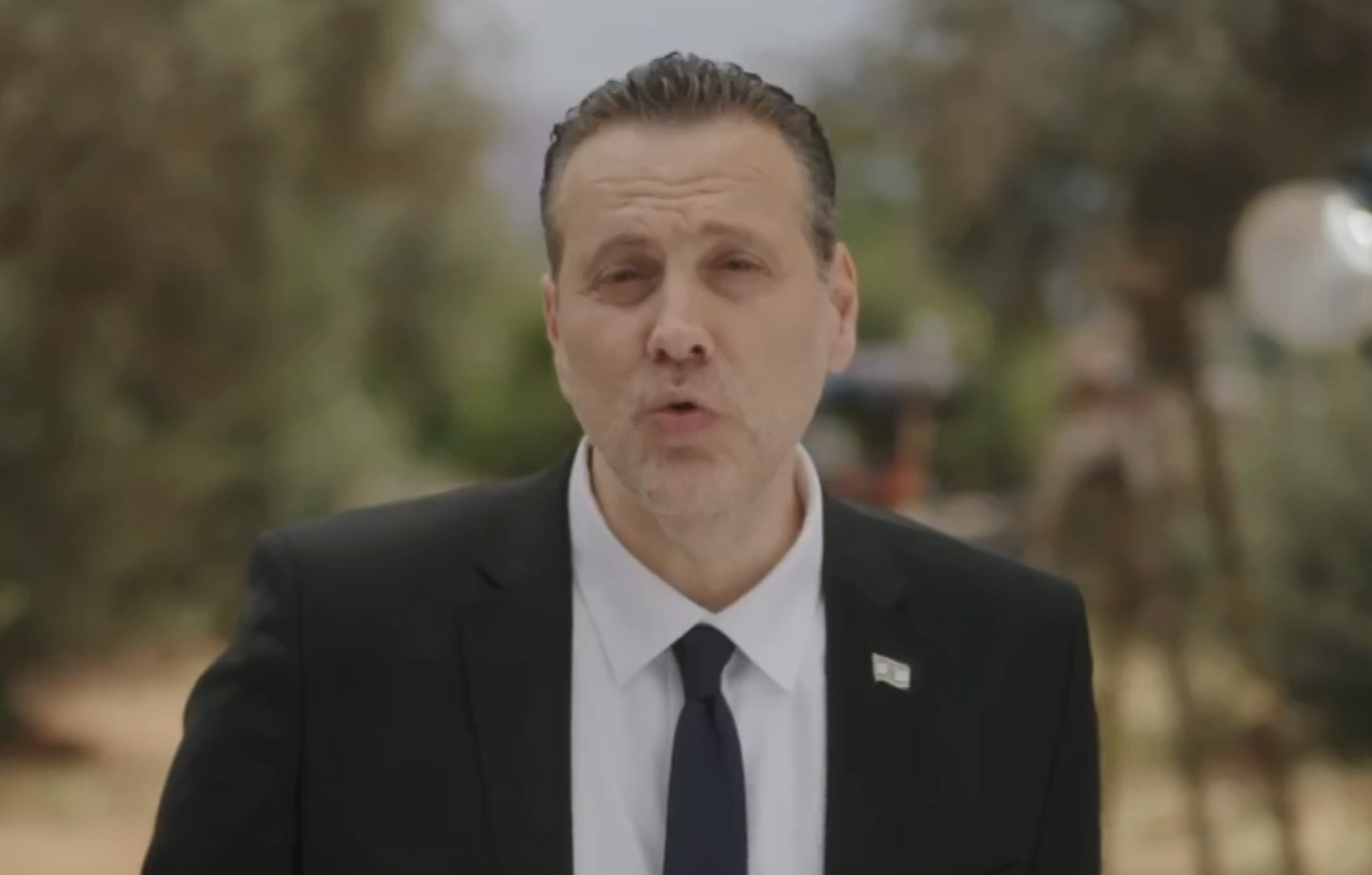
Israeli Culture Minister Miki Zohar has publicly announced his intention to defund films he considers ‘anti-Israel.’ This declaration, made within a campaign spot, immediately ignited a broad public debate concerning the boundaries of artistic freedom and the government’s role in cultural funding decisions. The policy seeks to ensure that state resources support projects aligning with a particular national narrative.
Zohar’s stance reflects a growing conservative movement within cultural policy. This movement prioritizes national interests and values in the allocation of public funds for the arts. The initiative has become a central point of contention for filmmakers, artists, and cultural institutions both within Israel and internationally.
The Minister’s Public Declaration
Miki Zohar, serving as Israel’s Culture Minister, communicated his policy intentions through a campaign advertisement. This public forum amplified the message, ensuring widespread attention. The core of his message was a commitment to re-evaluate and potentially withdraw financial support from cinematic productions deemed critical or hostile towards the State of Israel.
The announcement positioned Zohar as a defender of national pride and values within the cultural sphere. His statements suggested that public funds should not be used to support content that, in his view, undermines the nation’s image or narrative. This direct approach aimed to resonate with voters who share similar concerns about cultural representation.
Defining ‘Anti-Israel’ Content
A central challenge arising from Minister Zohar’s policy is the definition of ‘anti-Israel’ content. The criteria for such a designation remain a subject of intense speculation and concern among artists and critics. Clarity on these guidelines is crucial for filmmakers seeking state funding.
Critics argue that vague definitions could lead to self-censorship within the film industry. Filmmakers might avoid controversial topics or critical perspectives to secure funding. This potential chilling effect could stifle creative expression and limit the diversity of stories told about Israel.
Impact on Artistic Freedom and Expression
The proposed policy directly impacts artistic freedom. Many artists and cultural organizations view government funding as essential for their work. The threat of defunding could compel creators to align their artistic vision with state-approved narratives.
Organizations advocating for free expression have voiced strong opposition. They argue that artistic integrity requires independence from political influence. They contend that government intervention in content creation, especially through financial leverage, constitutes a form of censorship.
Government Funding in the Arts: A Global Debate
The debate in Israel mirrors similar discussions in other countries regarding government funding for the arts. The question of whether public money should support art that critiques national policy or challenges societal norms is not unique to Israel.
Different nations adopt varying approaches. Some prioritize complete artistic autonomy, while others implement cultural policies that reflect national identity or strategic objectives. Minister Zohar’s policy aligns with the latter, emphasizing national values in cultural production.
Historical Context of Cultural Funding in Israel
State support for the arts in Israel has a long and complex history. Since the nation’s founding in 1948, cultural institutions have often relied on government subsidies. This funding has played a significant role in developing Israel’s vibrant film, theater, and music scenes.
Historically, the relationship between artists and the state has involved periods of both collaboration and tension. Previous governments have also faced decisions regarding the types of artistic projects to support. Zohar’s current initiative represents a more explicit and assertive stance on aligning cultural funding with perceived national interests.
Reactions from the Israeli Film Industry
The Israeli film industry has reacted with a mix of concern and defiance. Many filmmakers depend on state funding for project development and production. The prospect of losing this support creates significant financial uncertainty.
Some filmmakers have openly criticized the minister’s plans, asserting their right to independent artistic expression. Others fear that the policy could isolate Israeli cinema from international festivals and co-production opportunities, which often value diverse and challenging narratives.
International Implications and Perceptions
The policy has also drawn international attention. Global film communities and human rights organizations are monitoring the situation closely. Concerns have been raised about the potential for Israel to be perceived as stifling artistic dissent.
International film festivals and funding bodies often prioritize films that offer diverse perspectives and address complex social or political issues. A policy perceived as restrictive could impact the international reception and distribution of Israeli films, potentially limiting their global reach and influence.
The Role of Culture Ministers in National Identity
Culture ministers globally often play a dual role: promoting their nation’s cultural heritage and fostering contemporary artistic expression. This position frequently involves balancing national interests with the creative autonomy of artists.
Minister Zohar’s approach emphasizes the protective aspect of his role, aiming to safeguard a particular national image. This interpretation of the culture minister’s mandate contrasts with views that prioritize unconditional support for artistic experimentation and critique, regardless of political alignment.
Future of Israeli Cinema Funding
The future of cinema funding in Israel hangs in the balance. The implementation of Minister Zohar’s policy could lead to a significant restructuring of how film projects are approved and financed. This might involve new review committees or stricter guidelines for content.
Filmmakers and producers are exploring alternative funding models, including private investment and international co-production. However, state funding remains a critical component for many projects, especially those with smaller budgets or experimental themes.
The Broader Cultural Defense Movement
Minister Zohar’s policy is part of a broader cultural defense movement. This movement, often associated with conservative political platforms, seeks to protect and promote what it defines as national values and traditions against perceived external or internal threats.
Proponents of cultural defense argue that state-funded art should reinforce national identity and pride. Critics, however, warn that such approaches can lead to cultural homogenization and the suppression of diverse voices, ultimately weakening the artistic landscape rather than strengthening it.
Legal and Ethical Challenges
The policy may also face legal and ethical challenges. Legal experts are examining whether such funding criteria violate existing laws regarding freedom of expression or non-discrimination. The ethical implications of a government dictating artistic content are also under scrutiny.
Debates surrounding state funding and artistic freedom often involve complex legal precedents and constitutional rights. The outcome of these challenges could set new benchmarks for cultural policy in Israel and beyond.
Navigating the Path Forward
The path forward for Israeli cinema and cultural policy is uncertain. Stakeholders within the film industry, government, and civil society are now engaged in a critical dialogue. This discourse will determine the balance between national interests, artistic freedom, and the economic realities of cultural production.
The decisions made in the coming months will shape the landscape of Israeli arts for years to come. They will influence the stories told, the voices heard, and the international standing of Israel’s vibrant cultural sector.
Ministers declared. Filmmakers protested. Audiences watched. The debate continued.
Israel.