The Growing Concern Over AI and Child Actors
In mid-2026, a significant ethical debate intensified within the entertainment industry concerning the use of artificial intelligence (AI) to replicate the voices of child actors. This controversy culminated in an open letter signed by nearly 1,000 actors, agents, and other industry professionals, which specifically targeted a major studio, reportedly Hasbro. The letter condemned the alleged demands that child performers consent to the perpetual use of their voices for AI-generated content.
This collective action underscores a critical intersection of technological advancement, labor rights, and the protection of vulnerable individuals in creative fields. The dispute highlights the urgent need for clear ethical guidelines and contractual safeguards as AI capabilities continue to expand into voice synthesis and character generation.
The Hasbro Allegations
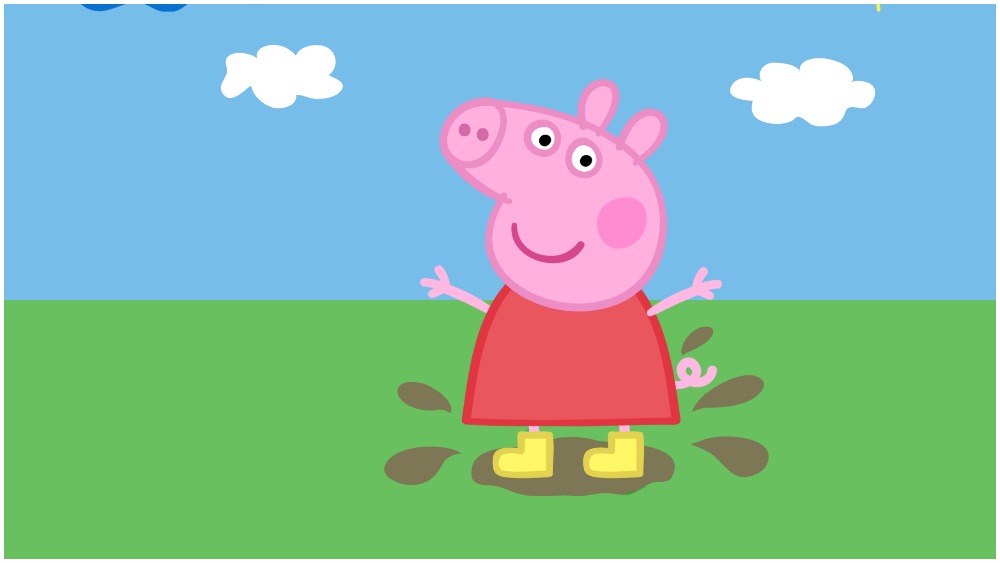
The open letter, widely reported by sources such as Variety in June 2026, did not explicitly name the studio in its initial public release. However, subsequent reports and industry whispers quickly identified Hasbro as the primary target. The allegations centered on Hasbro’s supposed attempts to secure broad, often perpetual, rights to use child actors’ voices for AI replication, particularly for popular animated series like ‘Peppa Pig’.
Hasbro, a global play and entertainment company, owns Entertainment One (eOne), which produces ‘Peppa Pig’. The company’s alleged practices raised immediate alarms among performers’ unions, talent agencies, and child advocacy groups. Concerns included the potential for child actors’ voices to be used without additional compensation, future consent, or clear limitations on how the AI-generated voice might be employed.
The ‘Peppa Pig’ Context
‘Peppa Pig’ is a globally recognized animated television series, primarily aimed at preschool children. The voice actors for characters like Peppa and George are often young children themselves. The nature of these roles means that child actors are frequently replaced as their voices mature. This turnover, combined with the long-term commercial value of such franchises, creates an incentive for studios to seek methods of vocal continuity.
AI voice replication offers a potential solution to this challenge, allowing a character’s voice to remain consistent even as the original child actor grows older. However, this technological solution introduces a complex array of ethical and labor considerations, particularly when applied to minors who may not fully comprehend the long-term implications of such agreements.
The Open Letter: A Call for Protection
The open letter represented a unified stance from a broad coalition of entertainment professionals. Signatories included prominent actors, voice artists, talent agents, and legal experts specializing in entertainment law. The letter articulated several key demands and concerns:
- Informed Consent: The letter emphasized that consent for AI voice usage, particularly from minors, must be fully informed, specific, and revocable.
- Fair Compensation: It argued for fair and ongoing compensation for any use of an AI-replicated voice, extending beyond the initial recording session.
- Usage Limitations: Demands included clear limitations on the scope, duration, and context in which an AI-generated voice could be used, preventing its deployment in new projects or scenarios without explicit approval.
- Child Protection: A central theme was the protection of child actors, who are often more susceptible to exploitative contractual clauses due to their age and lack of comprehensive legal understanding.
The letter served as a powerful declaration that the industry would not tolerate what it perceived as an attempt to bypass traditional labor agreements and exploit emerging technologies at the expense of young talent.
The Role of Unions and Agencies
Talent agencies and actors’ unions, such as SAG-AFTRA in the United States and Equity in the UK, played a significant role in organizing and amplifying the open letter. These organizations have been at the forefront of negotiating new terms for AI usage across the entertainment industry, particularly following major strikes in 2023 that addressed AI concerns.
The open letter can be seen as a direct extension of these ongoing efforts, signaling that the issue of AI rights for child actors is a non-negotiable point. Agencies expressed concerns that broad AI clauses could significantly devalue the future earning potential of their young clients, making it harder for them to secure new roles if their voice can be endlessly replicated.
Ethical Dimensions of AI Voice Replication
The debate extends beyond mere contractual terms into deeper ethical considerations. The replication of a human voice, especially a child’s, raises questions about identity, ownership, and the very essence of performance.
Loss of Control and Identity
When a child’s voice is replicated by AI, the child effectively loses control over a fundamental aspect of their identity and artistic expression. The AI-generated voice could be used in contexts the child or their guardians did not approve of, or even in perpetuity, long after the child has moved on from acting.
Exploitation of Minors
Minors are legally recognized as having limited capacity to enter into contracts, necessitating adult supervision and protection. Critics argue that demanding broad AI rights from child actors constitutes a form of exploitation, as these young performers may not fully grasp the implications of signing away perpetual rights to their vocal identity.
Impact on Future Careers
If a studio can generate a child’s voice using AI, the need for new child actors to voice subsequent seasons, spin-offs, or related media could diminish. This could severely limit career opportunities for aspiring young performers, creating a bottleneck in an already competitive industry.
Broader Industry Implications
The controversy surrounding Hasbro and child actors’ AI voice rights is not an isolated incident. It reflects a much broader industry-wide struggle to define the boundaries and ethical parameters of AI in creative content creation.
The 2023 Strikes and AI
The Writers Guild of America (WGA) and SAG-AFTRA strikes of 2023 prominently featured AI as a central point of contention. Writers fought for protections against AI generating scripts based on their work, while actors sought safeguards against AI replicating their likenesses and voices without consent or fair compensation.
The resolutions of these strikes established some precedents for AI usage, but the specifics regarding child actors and voice replication remain a rapidly evolving area. The open letter indicates that existing protections may not be sufficient or are being circumvented by certain studios.
The Future of Voice Acting
The rise of sophisticated AI voice synthesis technology presents an existential challenge to the voice acting profession. While AI can create highly realistic voices, the human element of performance, nuance, emotion, and unique interpretation, remains invaluable. The concern is that studios might prioritize cost savings through AI over the artistic contributions of human performers.
The Need for New Legislation and Guild Agreements
Industry stakeholders, including unions, legal experts, and ethical AI advocates, are increasingly calling for new legislation and updated collective bargaining agreements to address AI’s impact. These frameworks would aim to:
- Establish clear definitions of AI-generated content.
- Mandate explicit, time-limited consent for AI usage.
- Ensure fair and residual compensation for AI-replicated performances.
- Provide mechanisms for dispute resolution and enforcement.
- Protect the rights and intellectual property of performers, especially minors.
The Path Forward
The open letter to Hasbro represents a critical moment in the ongoing dialogue about AI and the entertainment industry. It forces a public confrontation over practices that many view as unethical and exploitative.
Studio Accountability
The pressure from nearly 1,000 industry professionals will likely compel Hasbro, and other studios contemplating similar practices, to re-evaluate their strategies. The reputational risk associated with being perceived as exploiting child actors or undermining creative labor is substantial.
Empowering Child Actors and Guardians
The controversy also serves to educate and empower child actors and their guardians. It highlights the importance of scrutinizing contractual clauses related to AI and seeking independent legal advice before agreeing to broad terms.
Shaping Industry Standards
Ultimately, this dispute will contribute to shaping new industry standards for AI usage. It reinforces the principle that technological advancement should not come at the expense of human dignity, fair labor practices, or the protection of vulnerable individuals. The entertainment world watches as this critical issue unfolds.
Parents gathered. Agents gathered. Performers gathered.
Protection.
FAQ
What is the controversy regarding child actors and AI voice cloning?
The controversy involves allegations that a major studio, reportedly Hasbro, demanded child actors consent to the perpetual use of their voices for AI replication, particularly for shows like ‘Peppa Pig’. This raised ethical concerns about consent, compensation, and the long-term impact on young performers.
Which studio was targeted by the open letter against AI voice usage for child actors?
While the open letter did not explicitly name the studio, subsequent reports indicated that Hasbro was the primary target. The company allegedly sought broad AI voice rights for child performers involved in its productions, including the popular ‘Peppa Pig’ series.
Why are entertainment professionals concerned about AI voice replication for minors?
Professionals are concerned about the ethical implications, including lack of informed consent from minors, insufficient compensation for future AI voice usage, potential loss of control over a child’s identity, and the negative impact on future job opportunities for young actors if their voices can be endlessly generated by AI.
What protections are being sought for child actors regarding AI voice cloning?
The open letter and industry advocates are calling for robust protections such as fully informed and revocable consent, fair and ongoing compensation for any AI-generated voice usage, clear limitations on how and where an AI voice can be used, and stronger child protection clauses in contracts.
How does this issue relate to the broader AI debates in the entertainment industry?
This issue is part of the larger industry-wide debate sparked by the 2023 WGA and SAG-AFTRA strikes, which highlighted concerns about AI’s impact on creative labor. It underscores the need for comprehensive contractual and legislative frameworks to govern AI’s role in content creation, ensuring fair practices and protecting human talent.