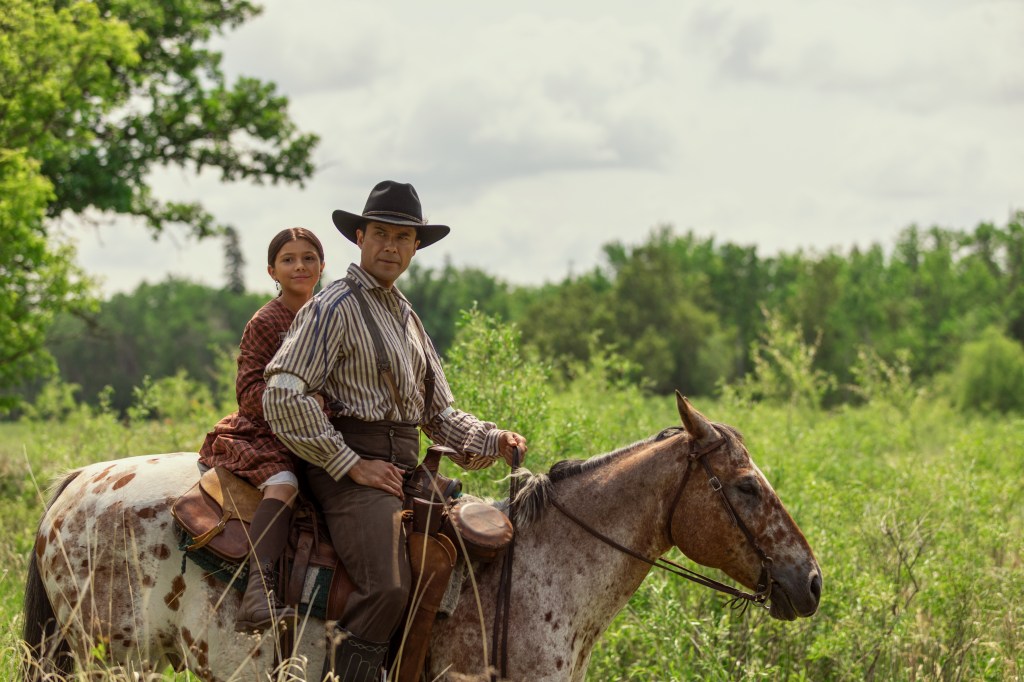
A reimagining of the classic American saga, ‘Little House on the Prairie,’ is reportedly in development at Netflix. This new series aims to bring the beloved stories of the Ingalls family, first chronicled by Laura Ingalls Wilder in her autobiographical books, to a modern audience. As of June 2026, specific details about the cast, production schedule, and creative team remain undisclosed, but the project signals a renewed interest in the enduring themes of pioneer life, family resilience, and the American frontier.
The Enduring Legacy of the Prairie
The ‘Little House’ books by Laura Ingalls Wilder have captivated generations of readers since the first installment, ‘Little House in the Big Woods,’ was published in 1932. The series follows the Ingalls family, Charles, Caroline, Mary, Laura, and Carrie, as they navigate the challenges and triumphs of westward expansion in the late 19th century.
Wilder’s narratives are celebrated for their vivid descriptions of homesteading, farming, and community building across states like Wisconsin, Kansas, Minnesota, and South Dakota. These stories provide a historical lens into the daily lives of American pioneers, offering insights into their struggles with nature, poverty, and isolation.
The cultural impact of the books was amplified by the highly successful television series, ‘Little House on the Prairie,’ which aired on NBC from 1974 to 1983. Starring Michael Landon as Charles Ingalls and Melissa Gilbert as Laura Ingalls, the show became a staple of American television, known for its heartfelt storytelling and moral lessons.
The series, produced by Landon’s company, Michael Landon Productions, garnered numerous awards and nominations during its run. It explored themes of family values, perseverance, and the challenges of frontier life, often taking creative liberties with Wilder’s original stories to fit a weekly television format.
Netflix’s Vision for a Modern Prairie
The reported Netflix reimagining suggests an effort to reintroduce these classic stories to a new generation of viewers, potentially exploring themes with a contemporary sensibility. While specific plot details are scarce, such a project would likely grapple with the historical context of the books, including their depictions of indigenous peoples and the realities of westward expansion.
Modern adaptations often seek to provide a more nuanced portrayal of historical events and characters, reflecting current societal understanding and critical perspectives. This approach could involve expanding the roles of supporting characters or introducing new storylines that resonate with 21st-century audiences.
The streaming platform’s venture into this beloved franchise indicates a strategy to leverage established intellectual property with a built-in fanbase. Netflix has a history of reviving and reimagining classic properties, often with significant production budgets and a global distribution reach.
Previous successful adaptations on streaming services have demonstrated that audiences are receptive to new interpretations of familiar tales, provided they maintain the spirit of the original while offering fresh insights. The challenge for the ‘Little House’ reimagining will be to balance nostalgia with innovation.
Production and Casting Speculation
As of June 2026, no official announcements have been made regarding the director, writers, or primary cast members attached to the Netflix ‘Little House on the Prairie’ project. The early stage of development means that many creative decisions are likely still being finalized.
Casting for such an iconic series would be a critical component, particularly for the roles of Charles and Caroline Ingalls, as well as the young Laura. These characters are deeply ingrained in the cultural consciousness of many viewers, setting a high bar for any new interpretation.
The production timeline for a series of this scope typically involves extensive pre-production, including script development, location scouting, and costume design. Filming would likely take place over several months, followed by a post-production phase involving editing, visual effects, and sound design.
Industry speculation suggests that a project of this magnitude would likely attract established talent, both in front of and behind the camera. The involvement of a major studio or production company known for historical dramas could also be a factor.
The Original Books: A Historical Foundation
Laura Ingalls Wilder’s ‘Little House’ series comprises nine books, detailing her family’s journey and settlement across the American frontier. The books are:
- ‘Little House in the Big Woods’ (1932)
- ‘Farmer Boy’ (1933)
- ‘Little House on the Prairie’ (1935)
- ‘On the Banks of Plum Creek’ (1937)
- ‘By the Shores of Silver Lake’ (1939)
- ‘The Long Winter’ (1940)
- ‘Little Town on the Prairie’ (1941)
- ‘These Happy Golden Years’ (1943)
- ‘The First Four Years’ (1971, published posthumously)
These books collectively paint a detailed picture of 19th-century American life, from the challenges of building a home on the prairie to the simple joys of family gatherings and community events. Wilder’s writing style is noted for its clarity and descriptive power, making the harsh realities of pioneer life accessible to young readers.
The autobiographical nature of the series lends it a particular authenticity, though scholars have noted that Wilder’s daughter, Rose Wilder Lane, played a significant role in editing and shaping the manuscripts. The collaboration between mother and daughter is a subject of ongoing literary discussion.
Comparing Adaptations: The 1970s TV Series
The 1974 NBC television series, developed by Michael Landon, deviated from the books in several key aspects. While retaining the core characters and settings, the show often introduced new dramatic storylines and expanded the roles of minor characters.
For example, characters like Nellie Oleson and her family were given more prominent roles in the television series, often serving as foils to the virtuous Ingalls family. The show also explored more contemporary social issues through its historical setting, sometimes adding elements not present in Wilder’s original writings.
The series was filmed primarily on location in Simi Valley, California, with extensive sets built to recreate the town of Walnut Grove, Minnesota. This commitment to production design contributed to the show’s immersive quality and enduring appeal.
The success of the 1970s series established a strong visual and narrative identity for ‘Little House on the Prairie’ in popular culture. Any new adaptation will inevitably be compared to this iconic rendition, facing the challenge of meeting audience expectations while forging its own path.
Cultural Relevance in 2026
The themes explored in ‘Little House on the Prairie’ continue to resonate in 2026. Stories of self-reliance, community support, and adapting to change remain pertinent in a rapidly evolving world. The series offers a look at a time when resources were scarce and survival often depended on ingenuity and cooperation.
The books also touch upon complex historical issues, including the displacement of Native American populations and the environmental impact of westward expansion. A modern reimagining could provide an opportunity to explore these topics with greater depth and sensitivity, reflecting contemporary historical scholarship and diverse perspectives.
The concept of returning to simpler times or embracing sustainable living, often romanticized through narratives like ‘Little House,’ holds continued appeal. The Ingalls family’s journey represents a foundational myth of American identity, and its reinterpretation speaks to ongoing cultural conversations about heritage and progress.
The anticipation for a new ‘Little House’ series highlights the enduring power of these stories to connect with audiences across generations. The narrative of a family building a life against the odds, driven by hope and resilience, remains a powerful testament to the human spirit.
The Future of Walnut Grove
The development of a new ‘Little House on the Prairie’ series at Netflix represents a significant moment for fans of the franchise. It signals a new chapter for the Ingalls family’s story, promising fresh interpretations and a renewed focus on the classic narratives.
The streaming giant’s investment in this property underscores the timeless appeal of Laura Ingalls Wilder’s work. The stories continue to inspire, educate, and entertain, transcending their historical setting to offer universal lessons.
As more details emerge, audiences will watch closely to see how this reimagining balances tradition with innovation. The legacy of the prairie, a story of struggle and triumph, continues. The Ingalls family’s journey continues. The spirit of the frontier endures.
Walnut Grove.