
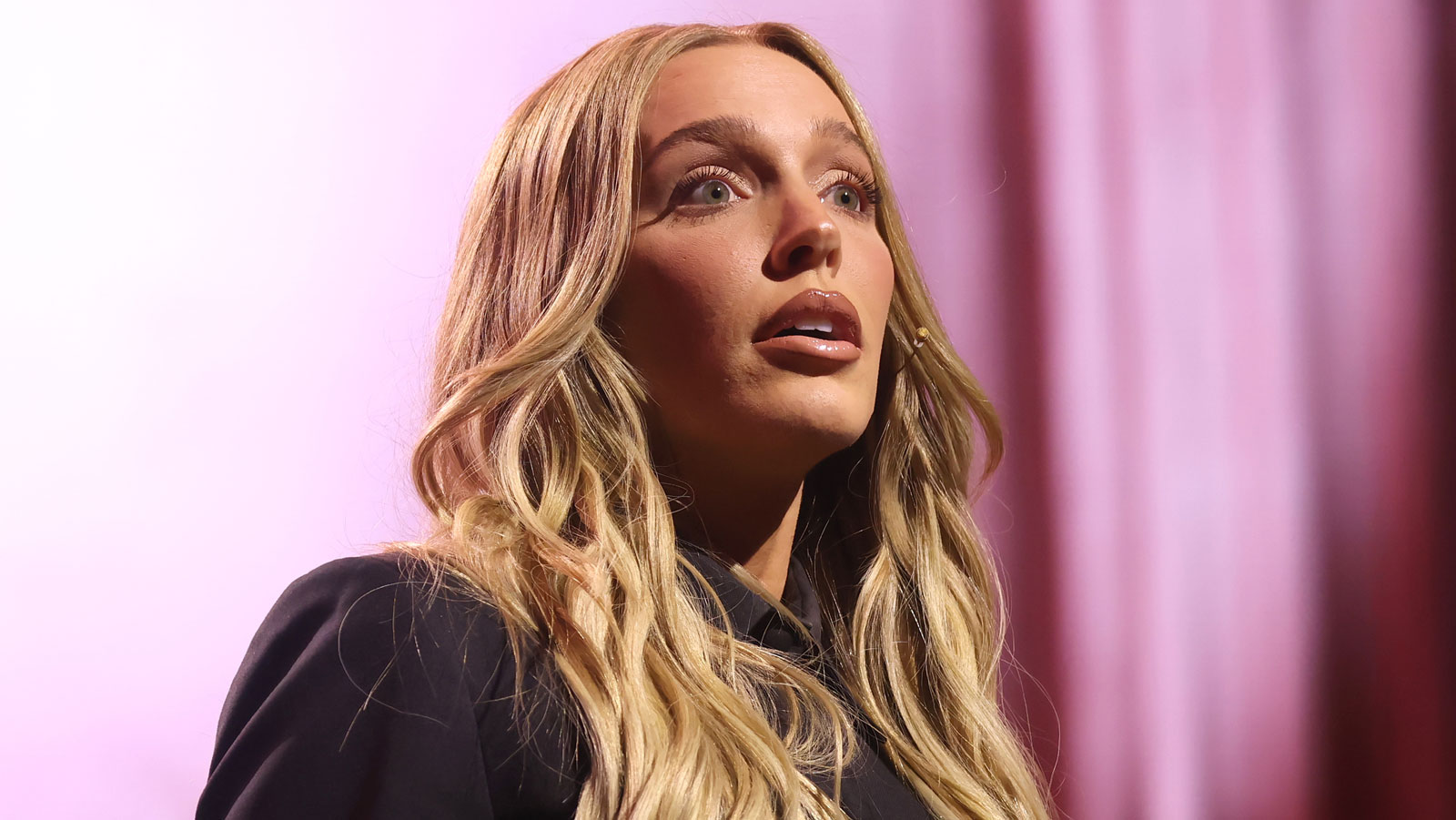
Alex Cooper Addresses ‘Unwell’ Workplace Allegations
Alex Cooper, a prominent figure in podcasting, has publicly responded to allegations concerning a toxic work environment associated with her podcast, ‘Unwell.’ Cooper’s statement, reported by Deadline on 2026-06-25, emphasized the unique challenges faced by women in the entertainment industry, suggesting they are often held to a different, more stringent standard.
This response from Cooper initiates a broader conversation about professional expectations and gender dynamics within high-pressure creative sectors. The allegations against ‘Unwell’ have brought renewed attention to workplace culture in digital media.
The Context of the ‘Unwell’ Claims
The specific nature of the toxic work environment claims against ‘Unwell’ has not been fully detailed in public reports. However, such allegations typically involve issues like poor communication, excessive demands, lack of support, or disrespectful behavior among staff members. The ‘Unwell’ podcast, while connected to Cooper’s broader media empire, operates as a distinct entity from her flagship ‘Call Her Daddy’ program.
Reports of workplace discord are not uncommon in rapidly expanding media ventures. The intense pressure to produce consistent content and maintain audience engagement can sometimes lead to strained internal dynamics. Cooper’s decision to address these claims publicly indicates a recognition of their significance.
Alex Cooper’s Defense: Gender and Industry Standards
Cooper’s defense centered on the argument that being a woman in the entertainment industry presents particular difficulties. She stated, “Being a woman in this industry is extremely difficult, you’re held to a different standard.” This assertion points to a perceived double standard where female leaders and creators may face harsher scrutiny than their male counterparts.
This perspective resonates with broader discussions regarding systemic biases in professional environments. Women in leadership roles frequently report encountering skepticism, having their authority questioned, or being judged more critically on their management style. The entertainment industry, in particular, has a documented history of gender inequality and disproportionate representation.
The ‘Call Her Daddy’ Precedent and Public Scrutiny
Alex Cooper first rose to prominence with the ‘Call Her Daddy’ podcast, which she co-created. The show quickly gained a massive following, particularly among young women. Its success led to a significant deal with Spotify, reportedly worth millions of dollars.
The journey of ‘Call Her Daddy’ itself was not without public drama. An earlier dispute between Cooper and her former co-host, Sofia Franklyn, over contract negotiations and intellectual property rights played out publicly in 2020. This prior experience with public scrutiny may inform Cooper’s current approach to addressing controversies.
The intense spotlight on successful female entrepreneurs in media means that their business practices and workplace cultures often come under close examination. This level of public interest can amplify internal issues.
Workplace Culture in Digital Media
The digital media landscape, characterized by rapid growth and constant innovation, often struggles with establishing stable and equitable workplace cultures. Start-up mentalities can sometimes prioritize speed and output over employee well-being and clear communication.
Podcasting, a relatively new but booming sector, has seen an influx of talent and capital. As individual creators transition into building larger production teams, the challenges of management and fostering a positive environment become more pronounced. These challenges are not unique to Cooper’s ventures but are endemic across the industry.
- Rapid Scaling: Many successful podcasts grow quickly, leading to rapid team expansion.
- Creator-Centric Models: The focus on individual personalities can sometimes overshadow team contributions.
- High Pressure: The demand for consistent, high-quality content creates intense production schedules.
- Blurred Lines: In creative industries, the distinction between personal and professional can sometimes blur, affecting workplace dynamics.
Impact on Reputation and Brand
Allegations of a toxic work environment, regardless of their specific details, can have a significant impact on a public figure’s reputation and brand. For creators like Alex Cooper, whose brand is deeply intertwined with her personality and perceived authenticity, such claims can be particularly damaging.
Maintaining public trust is crucial for podcasters who rely on a direct connection with their audience. How Cooper navigates these allegations and implements any necessary changes will be closely watched by her listeners and the broader industry.
The incident also serves as a reminder for media companies to prioritize healthy workplace environments. Employee satisfaction and ethical business practices are increasingly important factors in public perception and long-term success.
The Broader Dialogue on Women in Leadership
Cooper’s comments contribute to an ongoing, global dialogue about the experiences of women in leadership roles. Studies consistently show that women leaders face unique obstacles, including unconscious bias, stereotype threat, and higher expectations regarding emotional labor.
The phrase “different standard” encapsulates a sentiment expressed by many women who have broken through traditional barriers in male-dominated industries. This often includes being perceived as too aggressive if assertive, or too emotional if empathetic. The ‘tightrope’ walk of female leadership is a well-documented phenomenon.
“Being a woman in this industry is extremely difficult, you’re held to a different standard.” – Alex Cooper, 2026-06-25
These discussions extend beyond the entertainment industry to fields like technology, finance, and politics. The challenges highlight the need for continued advocacy for gender equity and inclusive workplace policies.
Moving Forward: Transparency and Accountability
In the wake of such allegations, the path forward for any organization typically involves a combination of transparency, internal review, and accountability. Public statements are often followed by internal actions to address concerns raised by employees.
For Alex Cooper and her associated production companies, this may involve an independent investigation, implementation of new HR policies, or direct engagement with current and former staff members. The goal is to demonstrate a commitment to improving workplace conditions and fostering a supportive environment.
The media’s role in reporting on these issues also plays a part. Responsible journalism focuses on factual reporting while acknowledging the complexities of workplace dynamics and the perspectives of all involved parties.
Conclusion
Alex Cooper’s response to the ‘Unwell’ toxic work environment claims highlights the intricate challenges faced by women leaders in the entertainment industry. It underscores the perpetual scrutiny, the unique expectations, and the different standards often applied to them. The discussion moves from specific allegations to the broader context of gender in professional life.
Allegations surfaced. Responses were issued. Industry standards were questioned. The conversation continues.
FAQ Section
Q: What claims were made against Alex Cooper’s ‘Unwell’ podcast?
A: Claims of a toxic work environment were made against Alex Cooper’s ‘Unwell’ podcast, though specific details of the allegations have not been widely publicized.
Q: How did Alex Cooper respond to the toxic work environment allegations?
A: Alex Cooper responded by stating that being a woman in the entertainment industry is particularly difficult, implying that women are held to a different, higher standard compared to men.
Q: When did Alex Cooper make her statement regarding the ‘Unwell’ claims?
A: Alex Cooper made her statement regarding the ‘Unwell’ claims on 2026-06-25, as reported by Deadline.
Q: What is ‘Unwell’ in relation to Alex Cooper?
A: ‘Unwell’ is a podcast associated with Alex Cooper, distinct from her more widely known ‘Call Her Daddy’ podcast, and is the subject of the recent workplace claims.
Q: Why did Alex Cooper mention gender in her response to the allegations?
A: Cooper mentioned gender to contextualize the challenges she believes women face in the entertainment industry, suggesting they endure greater scrutiny and different standards than male counterparts in similar positions.