
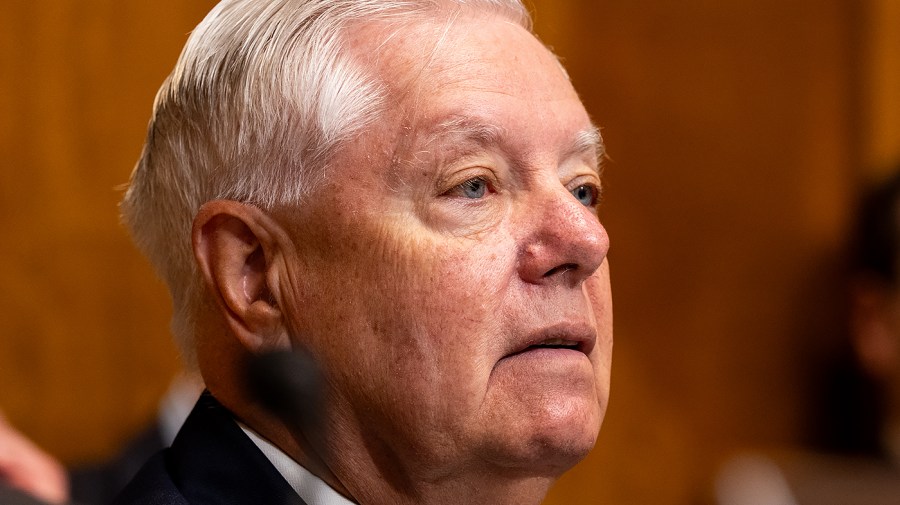
South Carolina Senator Lindsey Graham has publicly declared that renewed efforts to revive the Iran nuclear deal are destined to fail. This assessment, delivered amid ongoing diplomatic maneuvering in 2026, encapsulates the entrenched opposition within the United States Senate to the Biden administration’s approach to Tehran. Graham’s assertion is not merely a passing comment; it represents a hardline stance shared by many of his Republican colleagues, who view any return to the framework of the Joint Comprehensive Plan of Action (JCPOA) as fundamentally flawed. The prediction of failure underscores the immense political hurdles facing any potential agreement, highlighting a profound skepticism regarding Iran’s willingness to adhere to international constraints.
The debate over the Iran deal is not a new phenomenon, but the context of 2026 adds layers of complexity. Years of sanctions, covert operations, and diplomatic stalemates have hardened positions on all sides. Graham’s public skepticism serves as a rallying point for those advocating a strategy of maximum pressure rather than negotiated compromise. The senator’s remarks signal a readiness to challenge the administration’s foreign policy agenda, utilizing congressional oversight as a tool to scrutinize and potentially derail diplomatic progress. This dynamic sets the stage for a protracted political battle over the future of U.S.-Iran relations.
The Roots of Senate Skepticism
To understand Graham’s prediction, one must examine the historical grievances held by opponents of the original 2015 agreement. The JCPOA, negotiated under the Obama administration, was heavily criticized by Republicans and some Democrats for its perceived shortcomings. The primary objection was the inclusion of “sunset clauses,” which allowed certain restrictions on Iran’s nuclear program to expire over time. Critics argued that this merely delayed, rather than eliminated, Iran’s path to a nuclear weapon. This foundational distrust continues to animate the opposition in 2026.
Furthermore, the original deal was narrowly focused on nuclear enrichment, deliberately excluding other areas of concern. This omission remains a central point of contention. Opponents argue that any new agreement must be comprehensive, addressing not only the nuclear program but also Iran’s ballistic missile development and its financial and military support for proxy groups across the Middle East. Graham and his allies maintain that failing to address these issues renders any diplomatic agreement dangerously incomplete. They view the current negotiations as a repetition of past mistakes, offering sanctions relief without securing permanent, verifiable concessions from Tehran.
The political landscape within the U.S. Senate further complicates the administration’s diplomatic efforts. The executive branch holds the authority to negotiate international agreements, but the Senate possesses significant power to influence, delay, or undermine those agreements. The Iran Nuclear Agreement Review Act (INARA) of 2015 requires the president to submit any new agreement related to Iran’s nuclear program to Congress for review. This legislative mechanism guarantees a contentious debate and provides opponents like Graham with a platform to challenge the administration’s strategy.
The Demand for a Comprehensive Treaty
A recurring theme in the opposition’s argument is the demand that any agreement with Iran be submitted to the Senate as a formal treaty. Treaties require a two-thirds supermajority for ratification, a nearly impossible threshold to meet in the deeply polarized political climate of 2026. By insisting on the treaty process, critics are essentially demanding a level of consensus that does not currently exist. This strategy is designed to expose the political vulnerability of the administration’s diplomatic approach.
The administration, recognizing the impossibility of securing a two-thirds vote, has pursued executive agreements that do not require Senate ratification. However, this approach leaves the agreement vulnerable to reversal by subsequent administrations, as demonstrated by the U.S. withdrawal from the JCPOA in 2018. Graham’s prediction of failure reflects a belief that any agreement lacking broad bipartisan support is inherently fragile and ultimately unsustainable. The demand for a treaty is both a principled stance on congressional authority and a tactical maneuver to raise the political cost of diplomacy.
The Geopolitical Reality of 2026
The geopolitical context of 2026 further diminishes the prospects for a successful agreement. Iran’s nuclear program has advanced significantly since the collapse of the original deal. The International Atomic Energy Agency (IAEA) has reported that Iran is enriching uranium to levels far exceeding the limits set by the JCPOA, reducing the “breakout time” required to produce enough fissile material for a nuclear weapon. This accelerated progress increases the urgency of the negotiations while simultaneously raising the stakes for both sides.
Simultaneously, Iran’s domestic political landscape has shifted. The government in Tehran has adopted a more hardline stance, demanding the lifting of all sanctions and guarantees that the U.S. will not withdraw from a future agreement. These demands are politically unpalatable in Washington, creating a significant gap between the negotiating positions of the two countries. Graham’s assessment that the deal is “going to fail” reflects a realistic appraisal of these seemingly intractable differences.
The regional dynamics of the Middle East also play a crucial role. U.S. allies, particularly Israel and the Gulf states, remain deeply concerned about Iran’s regional ambitions and its advancing nuclear capabilities. These allies exert significant influence in Washington, often lobbying against any agreement that they perceive as overly conciliatory toward Tehran. Graham’s rhetoric often echoes the concerns of these regional partners, reinforcing the argument that a flawed deal would destabilize the region and threaten U.S. interests.
The Alternative: Maximum Pressure
If the diplomatic track fails, as Graham predicts, the alternative is a return to a strategy of maximum pressure. This approach relies on comprehensive economic sanctions, diplomatic isolation, and the credible threat of military force to compel Iran to change its behavior. Proponents of this strategy argue that it is the only effective way to counter Iran’s nuclear ambitions and regional aggression. They point to the economic damage inflicted on Iran by sanctions as evidence of the strategy’s efficacy.
However, the maximum pressure campaign also carries significant risks. It increases the likelihood of military confrontation and incentivizes Iran to accelerate its nuclear program in defiance of international pressure. The debate between diplomacy and maximum pressure represents a fundamental disagreement over how best to manage the threat posed by Iran. Graham’s public dismissal of the negotiations signals a clear preference for a more confrontational approach, setting the stage for a continued clash over U.S. foreign policy.
The Legislative Battle Ahead
The battle over the Iran deal will ultimately be fought in the halls of Congress. If the administration succeeds in negotiating an agreement, it will face intense scrutiny and fierce opposition from lawmakers like Graham. Opponents will utilize every legislative tool at their disposal, including hearings, resolutions of disapproval, and attempts to attach restrictive amendments to must-pass legislation. The goal will be to highlight the perceived flaws of the agreement and build public pressure against it.
The administration must navigate this complex political landscape carefully. It must attempt to build a coalition of support that includes both Democrats and moderate Republicans, a challenging task given the polarization surrounding the issue. The administration must also address the concerns of regional allies, assuring them that their security interests are being protected. The success or failure of the diplomatic effort will depend not only on the outcome of the negotiations in Vienna but also on the political maneuvering in Washington.
Senator Graham’s prediction is a clear warning shot. It serves notice that any agreement will face a hostile reception in the Senate. The debate over the Iran deal is more than a disagreement over foreign policy; it is a test of the balance of power between the executive and legislative branches. The outcome will shape the trajectory of U.S.-Iran relations for years to come. The negotiations continue. The skepticism deepens. The political battle lines are drawn.
A stalemate. A warning. A prediction of failure.


