A sequel to the 2000 live-action film How the Grinch Stole Christmas is reportedly in development, with both Jim Carrey and director Ron Howard in discussions to return. This potential project has generated considerable interest due to the original film’s enduring popularity and the iconic performances associated with it. The 2000 movie, produced by Universal Pictures and Imagine Entertainment, brought Dr. Seuss’s classic tale to a new generation, becoming a commercial success and a holiday staple.
The possibility of Carrey reprising his role as the Grinch, combined with Howard’s directorial vision, suggests a continuation that aims to recapture the original’s magic. The initial film was a significant undertaking, involving extensive prosthetics for Carrey and a detailed recreation of Whoville. Its box office performance and critical reception solidified its place in holiday cinema history.
The Original Film’s Legacy and Impact
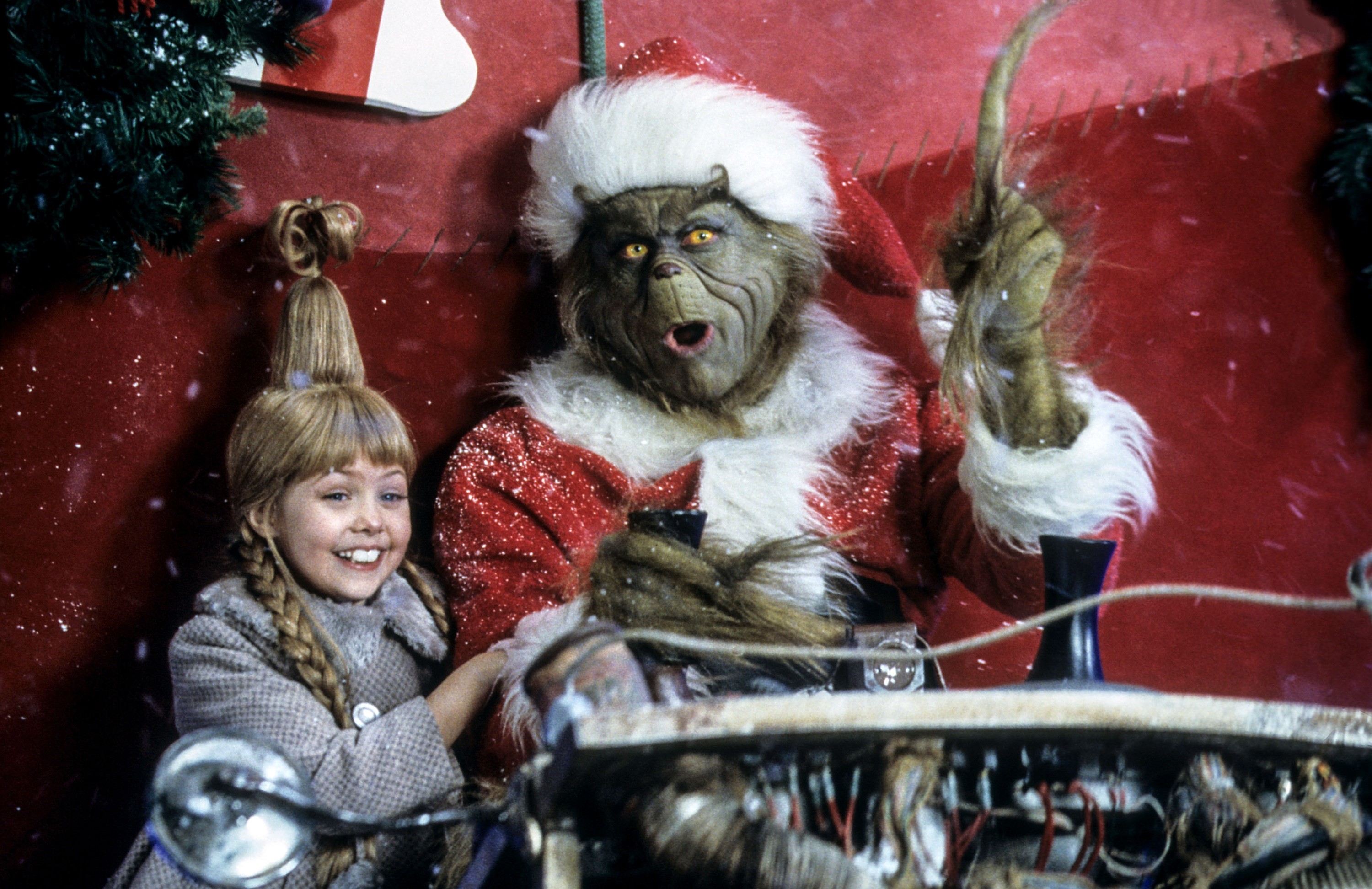
Released on November 17, 2000, How the Grinch Stole Christmas was a major cinematic event. Directed by Ron Howard, the film starred Jim Carrey as the Grinch, alongside Taylor Momsen as Cindy Lou Who. The cast also included Jeffrey Tambor as Mayor Augustus Maywho, Christine Baranski as Martha May Whovier, and Bill Irwin as Lou Lou Who. Anthony Hopkins provided the narration.
The production was notable for its intricate makeup and costume design. Jim Carrey’s transformation into the Grinch required several hours in the makeup chair daily, a process overseen by makeup artist Rick Baker. Baker and his team ultimately won an Academy Award for Best Makeup for their work on the film. The visual effects and production design were also critical in bringing the whimsical world of Whoville to life.
Commercially, the film was a massive success. It earned over $260 million domestically in North America and more than $345 million worldwide against a production budget of $123 million. This made it the sixth-highest-grossing film of 2000 and the second-highest-grossing holiday film of all time, behind Home Alone. Its financial performance underscored the enduring appeal of Dr. Seuss’s story and the star power of Jim Carrey.
Despite mixed critical reviews upon its release, the film has gained a cult following over the years. Its annual broadcasts during the holiday season have cemented its status as a modern Christmas classic. Carrey’s energetic and often improvisational performance as the Grinch is frequently cited as a highlight.
Jim Carrey’s Potential Return to Whoville
Jim Carrey’s portrayal of the Grinch is widely considered one of his most iconic roles. His physical comedy, vocal inflections, and ability to embody the character’s mischievous yet ultimately redeemed nature were central to the film’s success. The role demanded a high level of commitment, including enduring hours of prosthetic makeup and heavy costume.
Following the 2000 film, Carrey has been selective about reprising roles in sequels. His return to the Grinch would mark a significant moment, given his previous statements about the challenges of the role. The character’s complex emotional arc, from cynical recluse to holiday enthusiast, provided Carrey with a broad canvas for his comedic and dramatic talents.
The decision to return would likely involve careful consideration of the script and the creative direction. Carrey’s involvement would undoubtedly be a major draw for audiences, many of whom associate him directly with the live-action interpretation of the Grinch. His unique approach to character development often involves a deep immersion into the role, making his potential return a subject of keen interest for fans and industry observers alike.
Ron Howard’s Directorial Vision
Ron Howard, a highly respected director, brought a distinctive vision to the original How the Grinch Stole Christmas. His filmography spans a wide range of genres, from dramas like Apollo 13 and A Beautiful Mind to comedies such as Splash and Parenthood. Howard’s ability to blend humor with heartfelt storytelling was crucial in adapting Dr. Seuss’s work for the big screen.
His direction allowed for both the grand, fantastical elements of Whoville and the more intimate, character-driven moments, particularly those involving Cindy Lou Who and the Grinch. Howard’s experience with large-scale productions and his skill in managing complex visual effects were evident throughout the 2000 film. The original film’s design, from the crooked houses of Whoville to the elaborate contraptions of the Grinch’s lair, showcased a meticulous attention to detail under his guidance.
Should Howard return for a sequel, his involvement would signal a commitment to maintaining the aesthetic and narrative integrity established in the first film. His leadership would be instrumental in navigating the expectations of a beloved franchise and delivering a story that resonates with both original fans and new audiences. The director’s consistent track record of crafting successful and engaging films lends significant weight to the potential project.
The Legacy of Dr. Seuss and Future Adaptations
Dr. Seuss, whose real name was Theodor Seuss Geisel, created a timeless body of work that continues to captivate readers and inspire adaptations. How the Grinch Stole Christmas!, first published in 1957, is one of his most enduring stories. Its themes of consumerism versus the true spirit of Christmas, and the power of love and community, remain highly relevant.
The story has seen multiple adaptations. The 1966 animated television special, directed by Chuck Jones and narrated by Boris Karloff, is a classic in its own right. Illumination Entertainment produced a computer-animated film simply titled The Grinch in 2018, featuring Benedict Cumberbatch as the voice of the Grinch. This animated version also achieved significant commercial success, grossing over $526 million worldwide.
The existence of various successful adaptations highlights the universal appeal of the Grinch character and his story. Each adaptation has brought its own unique interpretation while largely staying true to Seuss’s core message. A live-action sequel with Carrey and Howard would further expand this legacy, offering a direct continuation of a specific cinematic universe that has already resonated deeply with audiences.
The challenge for any new Grinch project lies in balancing faithfulness to the source material with fresh storytelling. Dr. Seuss’s estate maintains a careful oversight of adaptations, ensuring that his original vision and values are respected. The involvement of established figures like Howard and Carrey suggests a considered approach to extending the narrative.
Anticipation and Production Challenges
The news of a potential sequel has generated considerable buzz among fans and in the entertainment industry. The prospect of seeing Jim Carrey once again embody the Grinch, combined with Ron Howard’s direction, taps into a strong sense of nostalgia for many. Social media platforms and entertainment news outlets have already begun to speculate on possible plotlines, new characters, and the overall tone of a follow-up film.
However, bringing such a project to fruition involves significant logistical and creative challenges. Securing the schedules of two highly sought-after talents like Carrey and Howard is complex. The script development process would need to create a compelling narrative that justifies a sequel, moving beyond the original story while retaining its spirit. The visual effects and makeup demands, which were extensive for the 2000 film, would also require substantial planning and budget.
Negotiations with Universal Pictures and Imagine Entertainment, the studios behind the original, would be central to the project’s progression. Financial considerations, including the compensation for Carrey and Howard, would also play a crucial role. The success of the original film sets a high bar for any sequel, both creatively and commercially. The production team would face the task of delivering a film that lives up to the expectations generated by its predecessor.
The development of a sequel to a beloved film often involves a delicate balance between innovation and honoring the original. Fans will be eager to see how the creative team approaches the continuation of the Grinch’s story, particularly after his heart grew three sizes. The narrative possibilities are vast, ranging from new holiday challenges in Whoville to further explorations of the Grinch’s past or his interactions with the Whos.
The Impact on Holiday Cinema
The original How the Grinch Stole Christmas became an integral part of holiday entertainment. Its blend of humor, fantasy, and a heartwarming message made it a perennial favorite. A sequel with the original stars and director could significantly impact the landscape of future holiday cinema. It would likely become a highly anticipated release, potentially drawing large audiences during the competitive holiday movie season.
The film’s themes of community, generosity, and the true meaning of Christmas resonate deeply with audiences during the festive period. A sequel could explore these themes further, perhaps addressing contemporary issues through the whimsical lens of Whoville. The enduring popularity of holiday-themed films suggests a strong market for such a project.
The success of a new Grinch film could also influence other studios to revisit classic holiday properties or invest in new, large-scale holiday productions. The cultural impact of the Grinch character is immense, and a new cinematic chapter would reinforce his status as one of the most recognizable figures in holiday folklore. It would continue the tradition of bringing Dr. Seuss’s imagination to life for new generations.
The return of key creative talents, the beloved source material, and the established success of the franchise all contribute to the high expectations surrounding this potential sequel. The cinematic world of Whoville, first brought to vivid life in 2000, may soon expand once more.
Discussions continue. Preparations are made. Anticipation builds.
Whoville.