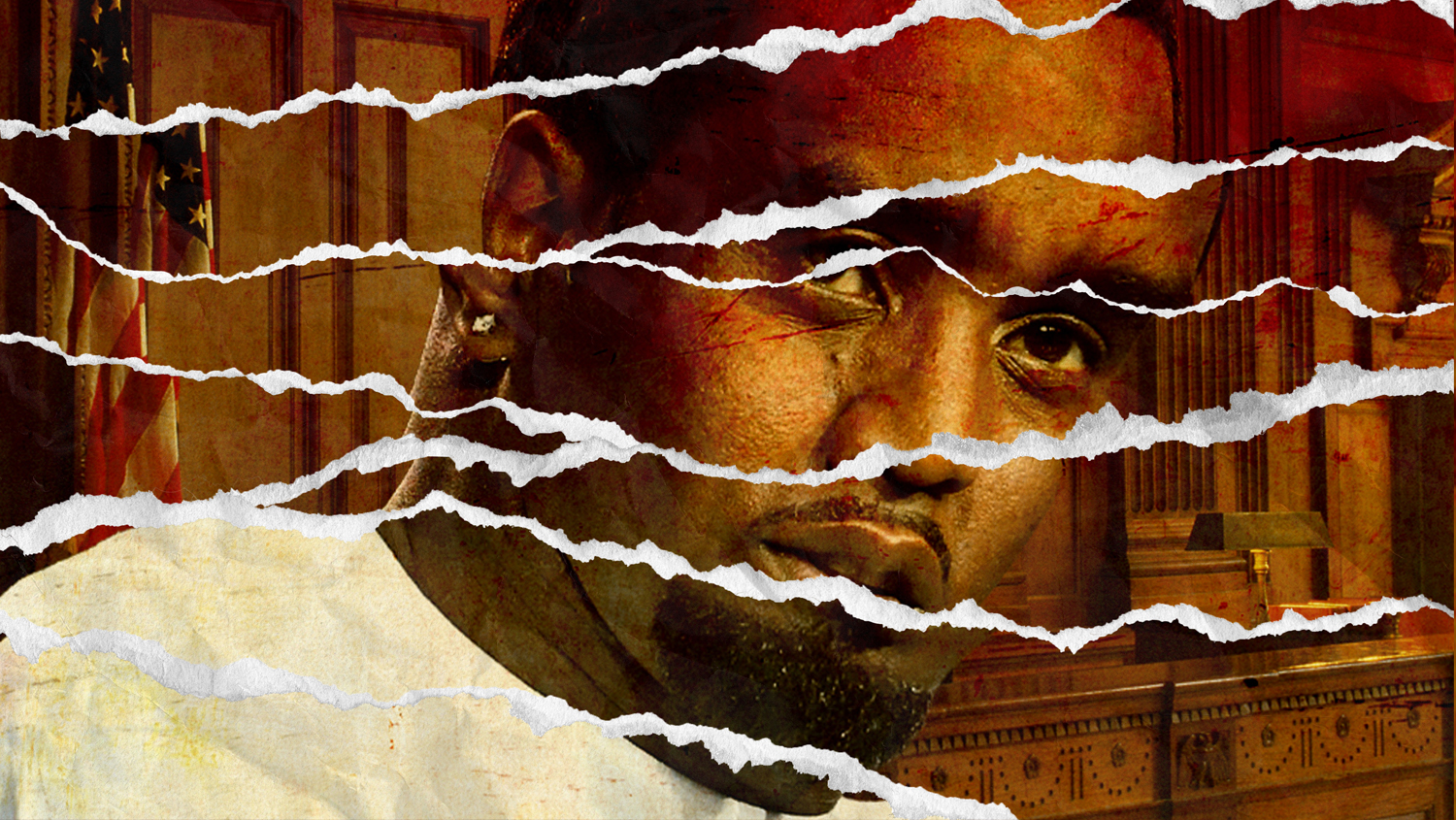

Jeremy Allen White, the acclaimed actor known for his role in “The Bear,” has publicly endorsed the United Kingdom’s recent decision to ban social media access for children under the age of 16. In a recent interview, White described the move as a necessary “correction” to address the growing concerns surrounding youth mental health and online exposure. The actor’s comments add a high-profile voice to the ongoing international debate about regulating social media platforms and protecting minors from the potential harms of the digital age. The U.K.’s bold legislative action, which has sparked both praise and criticism, reflects a broader cultural shift toward prioritizing child safety and well-being in an increasingly connected world.
The U.K.’s Bold Move: Banning Social Media for Minors
The United Kingdom’s decision to ban social media access for children under 16 represents a significant escalation in the global effort to regulate online platforms. The legislation, which has garnered widespread attention, aims to mitigate the negative impacts of prolonged screen time, cyberbullying, and exposure to harmful content. The move comes amid growing concerns from parents, educators, and mental health professionals about the detrimental effects of social media on youth development and well-being.
The U.K. government’s action is rooted in a growing body of research that links excessive social media use to rising rates of anxiety, depression, and other mental health issues among adolescents. By restricting access to platforms like Instagram, TikTok, and Snapchat, policymakers hope to create a safer and healthier digital environment for children. The ban has also sparked discussions about the role of tech companies in safeguarding young users and the need for more robust age verification mechanisms.
The Mechanics of the Ban
Implementing a nationwide ban on social media for minors presents significant logistical and technological challenges. The U.K. government has proposed a framework that would require social media companies to implement stringent age verification processes to ensure that users under 16 cannot access their platforms. This could involve using government-issued ID, biometric data, or third-party age verification services. Tech companies that fail to comply with the regulations could face substantial fines and other penalties.
The proposed legislation also includes provisions for parental controls and educational campaigns to help parents and children navigate the digital landscape safely. The goal is not only to restrict access but also to empower families with the tools and knowledge they need to make informed decisions about technology use. The U.K.’s approach is being closely watched by other countries grappling with similar issues, as it could serve as a model for future regulatory efforts.
Jeremy Allen White’s Stance: A Call for Correction
Jeremy Allen White’s public support for the U.K.’s social media ban has resonated with many who share his concerns about the impact of technology on youth. The actor, who has gained widespread acclaim for his intense and nuanced performances, used his platform to advocate for a cultural “correction” in how society approaches social media. White’s comments reflect a growing awareness of the need to prioritize mental health and well-being over digital connectivity.
In his interview, White emphasized the importance of protecting younger generations from the pressures and pitfalls of the online world. He noted that the constant exposure to curated images, unrealistic standards, and cyberbullying can have a profound impact on a child’s self-esteem and development. By supporting the ban, White is lending his voice to a movement that seeks to redefine the relationship between technology and youth.
“There needs to be a correction,” White stated, highlighting the urgency of addressing the negative consequences of social media use among children. “We have to protect our kids from the constant noise and pressure of the online world.”
The Celebrity Factor in Policy Debates
When a high-profile figure like Jeremy Allen White speaks out on a contentious policy issue, it often amplifies the conversation and brings it to a wider audience. Celebrities have long used their platforms to advocate for social and political causes, and their involvement can significantly influence public opinion. In the case of the U.K.’s social media ban, White’s endorsement provides a compelling narrative that resonates with parents and concerned citizens.
The involvement of celebrities in policy debates also highlights the intersection of culture and politics. As public figures navigate the complexities of fame and influence, their perspectives on issues like social media regulation can shape the cultural discourse. White’s stance on the U.K. ban underscores the growing consensus that the current digital landscape is untenable for children and that decisive action is needed to protect their well-being.
The Broader Cultural Shift: Prioritizing Child Safety
The U.K.’s social media ban and Jeremy Allen White’s endorsement of it are indicative of a broader cultural shift toward prioritizing child safety in the digital age. For years, the rapid expansion of social media platforms outpaced regulatory efforts, leaving parents and educators struggling to manage the consequences. However, the tide appears to be turning, as more countries and communities recognize the need for proactive measures to protect minors.
This cultural shift is driven by a growing awareness of the long-term impact of technology on child development. Parents are increasingly seeking out resources and support to help their children navigate the digital world safely. Educators are integrating digital literacy and online safety into their curricula. And policymakers are exploring legislative solutions to hold tech companies accountable for the content and features they offer to young users.
The Role of Tech Companies
As the debate over social media regulation intensifies, the role of tech companies has come under increased scrutiny. Critics argue that platforms like Meta, ByteDance, and Snap have prioritized engagement and profit over user safety, particularly when it comes to minors. The U.K.’s ban is seen as a direct challenge to the tech industry’s business model, which relies heavily on capturing and monetizing the attention of young users.
In response to growing pressure, some tech companies have introduced new features and policies aimed at improving child safety. These include enhanced parental controls, time management tools, and stricter content moderation. However, many advocates argue that these measures are insufficient and that more comprehensive regulation is needed. The U.K.’s legislation could set a precedent that forces tech companies to fundamentally rethink how they design and operate their platforms for minors.
The Global Debate: Will Other Countries Follow Suit?
The U.K.’s decision to ban social media for children under 16 has sparked a global conversation about the feasibility and desirability of similar regulations in other countries. In the United States, several states have proposed or enacted legislation aimed at restricting minors’ access to social media, though these efforts have faced legal challenges and pushback from the tech industry. The U.K.’s bold move could provide a blueprint for other nations seeking to take decisive action.
The debate over social media regulation is complex and multifaceted, involving issues of free speech, privacy, and parental rights. Proponents of bans argue that they are necessary to protect children from harm, while opponents contend that they infringe on individuals’ rights and are difficult to enforce. As the global conversation evolves, the U.K.’s experience will serve as a crucial test case for the effectiveness and impact of such regulations.
The Future of Digital Regulation
The U.K.’s social media ban is likely just the beginning of a broader effort to regulate the digital landscape and protect vulnerable populations. As technology continues to evolve, policymakers will face new challenges and opportunities in ensuring that the digital world is safe, equitable, and beneficial for all. The ongoing debate over social media regulation highlights the need for a comprehensive and forward-looking approach to digital governance.
The future of digital regulation will require collaboration between governments, tech companies, educators, and parents. It will involve finding a balance between fostering innovation and protecting users, particularly children. As the cultural shift toward prioritizing child safety continues, we can expect to see more robust and comprehensive efforts to manage the impact of technology on society.
The debate continues. The legislation advances. The culture shifts. The correction begins.