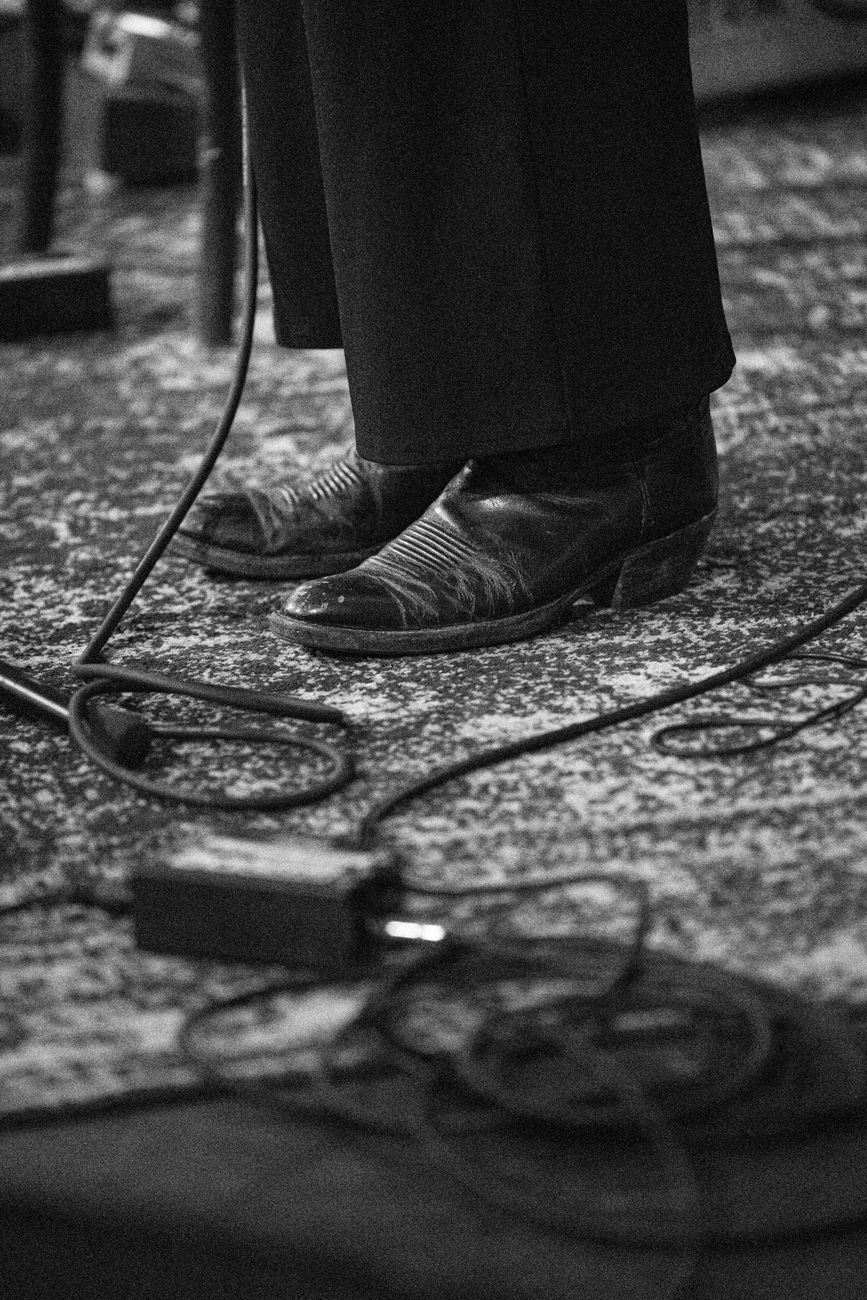

The red recording light flickered on inside RCA Studio B. The year was 1977. The stakes were absolute.
Dolly Parton famously begged producers to include traditional Appalachian stringed instruments, specifically the mountain dulcimer, banjo, and unpolished fiddle, on her biggest commercial hits during the 1970s. As she transitioned from traditional country to pop crossover success, Parton fought RCA Records executives to keep these acoustic elements in the mix. When producers finally relented and allowed the raw acoustic instruments to bleed into the slick pop-country tracks, the shift was immediate. Observers noted that her relief was palpable, describing the moment as if “her life sentence was reprieved.”
This was not a minor disagreement over aesthetics. This was a battle for musical DNA.
Nashville in the 1970s operated by strict rules. The industry had spent two decades sanding down the rough edges of country music. Executives wanted hits that could play in New York and Los Angeles. Parton wanted hits that still remembered Sevier County, Tennessee.
The Architecture of the Nashville Sound
The recording industry on Music Row was a well-oiled machine. It operated on a specific, highly profitable frequency.
Producers like Chet Atkins and Owen Bradley had engineered what became known as the “Nashville Sound.” This production style was designed to rescue country music from the existential threat of rock and roll in the late 1950s and 1960s. The strategy was simple. Remove the twang. Add the polish.
Fiddles were replaced by lush orchestral string sections. Banjos were swapped for smooth acoustic guitars. High-lonesome mountain vocals were backed by sophisticated vocal groups like the Anita Kerr Singers and The Jordanaires. The strategy worked. Country music sales skyrocketed. But the soul of the genre shifted.
By the time Parton was recording her most ambitious solo work in the mid-1970s, this polished sound was the undisputed law of the land at RCA Records.
Studio B on Music Row was the epicenter of this sound. Between 1957 and 1977, the studio produced thousands of hits. Elvis Presley recorded there. Waylon Jennings recorded there. The room was designed for efficiency. A standard session lasted three hours. Four songs were recorded per session. The session musicians, known as the “A-Team,” rarely needed sheet music. They played the “Nashville Number System” and delivered flawless, sanitized tracks on the first or second take.
Parton respected the machine. But she refused to be entirely consumed by it.
The Girl from Locust Ridge
Parton’s musical foundation was built 200 miles east of Music Row.
She was raised in Locust Ridge, a small community in Sevier County, Tennessee. Her early musical education did not come from studio professionals. It came from her family. It came from the Pentecostal church. It came from instruments built by hand.
- The Mountain Dulcimer: A fretted string instrument native to the Appalachian region, known for its haunting, drone-heavy sound.
- The Autoharp: A chorded zither that provided rhythmic, sweeping textures to early mountain ballads.
- The Fiddle: Played raw and unpolished, mimicking the human voice rather than blending into a symphony.
These were the tools of her childhood. They were the sounds of the Great Smoky Mountains. To Parton, a song about her upbringing, like “My Tennessee Mountain Home” or “Coat of Many Colors”, required the sonic fingerprint of that region.
RCA executives disagreed. They viewed the dulcimer as a relic. They viewed the banjo as a novelty. They believed these instruments alienated pop radio listeners. Every time Parton brought a traditional instrument into the studio, it sparked a negotiation. Every negotiation was a fight.
Breaking the Wagoner Mold
The battle for instrumental control escalated after February 1974.
For seven years, Parton had been tethered to Porter Wagoner. She was the “girl singer” on his syndicated television show. They recorded duet albums. Wagoner co-produced her solo records with RCA staff producer Bob Ferguson. Wagoner favored a traditional, albeit highly stylized, country sound. But it was his sound, not hers.
When Parton severed the professional partnership, writing “I Will Always Love You” as her resignation letter, she took full control of her career trajectory. She wanted to expand her audience. She wanted to cross over into the pop charts. But she intended to do it on her own terms.
This created a paradox. Parton was pushing for slicker, pop-oriented production to reach a broader audience, while simultaneously fighting to inject raw Appalachian instruments into that exact same pop production.
“She understood something the executives didn’t. The pop audience didn’t want a watered-down pop singer. They wanted Dolly. And Dolly required the mountains.”
This tension peaked during the recording of her 1977 crossover masterpiece, Here You Come Again.
The Crossover Gamble of 1977
Parton took a massive risk. She hired pop producers Gary Klein and Charles Koppelman.
The sessions moved away from the comfort of Nashville and into the studios of Los Angeles. Klein and Koppelman were architects of the 1970s soft-rock sound. They brought in session players who had worked with Barbra Streisand and Paul McCartney. The studio floor was filled with Fender Rhodes electric pianos, synthesizers, and heavy bass lines.
Parton felt the music slipping away from her identity. The tracks sounded phenomenal, but they did not sound like her.
She halted the sessions. She begged Klein to add a pedal steel guitar to the title track. She insisted that traditional acoustic instruments be woven into the pop mix. The pop producers resisted. They argued that a pedal steel guitar would kill the song’s chances on Billboard’s Hot 100 pop chart. Parton held her ground. She refused to authorize the final mix unless the country elements were restored.
The producers finally relented. They brought in session ace Al Perkins to lay down a pedal steel track. They allowed traditional acoustic flourishes to remain.
When Parton heard the revised playback, the tension left her shoulders. The balance had been struck. The pop sheen was there, but the country soul remained intact. It was this exact moment of musical compromise that a studio observer likened to a prisoner receiving a last-minute pardon. Her life sentence was reprieved.
The Economics of Authenticity
The fight was worth the friction. The numbers proved Parton right.
Here You Come Again was released in October 1977. It was a commercial juggernaut. The album spent nine weeks at number one on the Billboard Top Country Albums chart. More importantly, it reached number 20 on the Billboard 200 pop chart. The title track won a Grammy Award.
The financial impact was staggering for a country artist of that era.
- The album became Parton’s first million-seller.
- It earned a Platinum certification from the RIAA.
- It transformed her booking fee from a few thousand dollars a night to headlining status at major arenas.
The inclusion of the pedal steel and the acoustic instrumentation did not alienate the pop audience. It intrigued them. It provided a texture that Los Angeles pop records lacked. Parton had successfully smuggled the Smoky Mountains onto mainstream Top 40 radio.
The Legacy of the Studio Fights
The 1970s studio battles set a precedent for the rest of Parton’s career.
She proved that an artist could evolve without amputating their roots. Throughout the 1980s and 1990s, she continued to dictate her instrumentation. When mainstream country music became too pop-oriented in the late 1990s, she abandoned the major label system entirely. She returned to her roots, releasing a series of critically acclaimed acoustic bluegrass albums on the independent Sugar Hill Records label.
She brought the mountain dulcimer back to the forefront. She brought the unpolished fiddle back to the microphone.
The recording industry is built on conformity. It rewards artists who fit neatly into established algorithms and radio formats. Parton broke the algorithm by refusing to let the studio machine strip away her geography. She knew that the instruments of her childhood were not just tools for making noise. They were the anchors of her authenticity.
The executives argued. The producers resisted. The tapes rolled.
Home.