
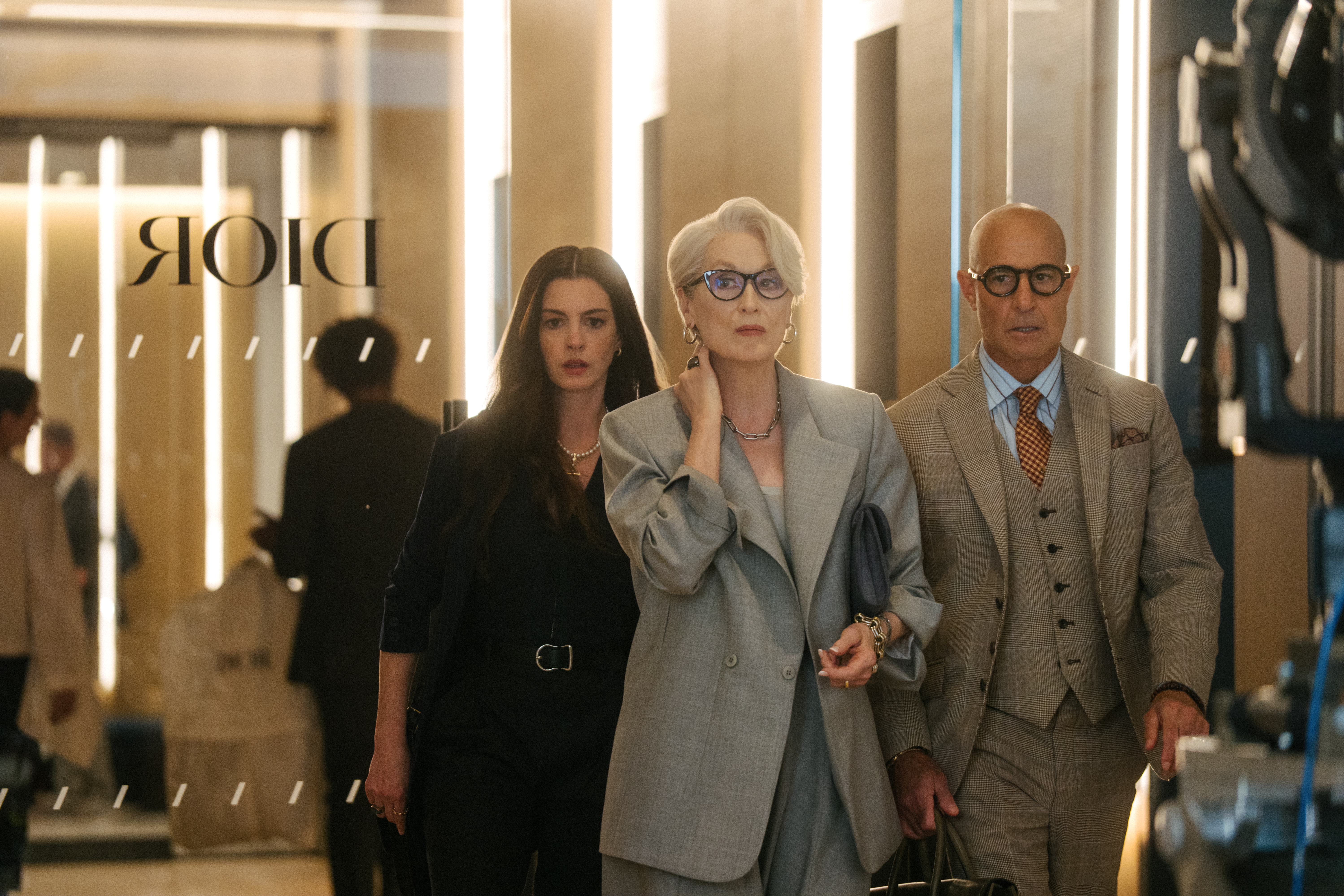
The return to the high-stakes world of Runway magazine has proven to be a financial juggernaut. The Devil Wears Prada 2 has grossed $676 million at the global box office, a staggering figure that officially pushes the franchise past the $1 billion mark. This milestone confirms what industry analysts suspected when the sequel was announced: the appetite for Miranda Priestly’s icy demands and Andy Sachs’s career navigation remains as potent as ever.
The numbers reflect a massive cultural footprint. The original 2006 film, based on Lauren Weisberger’s novel, earned $326 million worldwide against a modest $35 million budget. It became a touchstone for a generation. Now, nearly two decades later, the sequel has more than doubled the original’s haul, demonstrating the enduring power of legacy sequels when executed with the original cast intact.
The Power of the Reunion
The success of The Devil Wears Prada 2 hinges entirely on its cast. Meryl Streep returned as the formidable Miranda Priestly. Anne Hathaway reprised her role as Andy Sachs. Emily Blunt stepped back into the frantic shoes of Emily Charlton. Stanley Tucci returned as Nigel Kipling.
This was not a reboot. This was a continuation. Audiences were not asked to accept new faces in iconic roles. They were invited to see where these specific characters landed nearly twenty years later.
The marketing campaign leaned heavily into this reunion. Trailers featured Streep delivering variations of her famous “That’s all” dismissal. Promotional materials highlighted the shifting dynamics between Andy, now a powerful executive in her own right, and Miranda, facing a rapidly changing media landscape.
Box Office Breakdown: Domestic vs. International
The $676 million global gross is not evenly split. The film performed exceptionally well in international markets, where the appeal of high fashion and New York City glamour translates seamlessly.
- Domestic Box Office: Roughly $285 million of the total comes from North American theaters. This indicates strong repeat viewing and broad demographic appeal, drawing both fans of the original and a new generation of moviegoers.
- International Box Office: The remaining $391 million comes from overseas markets. The film saw massive returns in the United Kingdom, France, Italy, and Japan. The universal themes of workplace ambition and demanding bosses clearly resonate beyond American borders.
This international strength is crucial. It insulates the film from domestic box office slumps and proves the global viability of female-led comedy-dramas, a genre often underestimated by studio executives.
The Economics of Nostalgia
The entertainment industry is currently driven by intellectual property. Studios rely on established franchises to mitigate risk. The Devil Wears Prada 2 is a textbook example of how to leverage nostalgia effectively.
The original film was released in 2006. The audience that saw it in theaters is now in their late thirties and forties. They have disposable income. They have a deep emotional connection to the characters. They are willing to pay premium ticket prices to experience that connection again.
Furthermore, the original film has enjoyed a robust afterlife on streaming platforms and cable television. It has been discovered by younger audiences who were not old enough to see it during its original theatrical run. This dual demographic, the original fans and the new converts, created a massive built-in audience for the sequel.
The Cost of High Fashion
While the original film cost $35 million, the sequel required a significantly larger investment. The budget for The Devil Wears Prada 2 is estimated to be around $90 million.
This increase accounts for several factors. First, the cast salaries. Securing Streep, Hathaway, and Blunt required substantial upfront payments and back-end deals. Second, the production values. The film features extensive location shooting in New York, Paris, and Milan. Third, the wardrobe. The fashion in the film is a character itself, requiring partnerships with major design houses and a massive costume department budget.
Despite the higher cost, the return on investment is undeniable. The film has grossed more than seven times its production budget, making it one of the most profitable films of the year.
The Changing Landscape of Media
The narrative of The Devil Wears Prada 2 reflects the shifts in the publishing industry since 2006. The original film focused on the power of print magazines. The sequel grapples with the realities of digital media, social media influencers, and the decline of traditional publishing models.
Miranda Priestly is no longer just fighting rival editors; she is fighting algorithms and TikTok trends. Andy Sachs is navigating a world where content is consumed in seconds, not savored on glossy pages. This thematic update prevents the film from feeling like a simple retread of the original.
It grounds the comedy in contemporary anxieties. It allows the characters to evolve and face new challenges. It makes the film relevant to the current moment, rather than just a nostalgic trip down memory lane.
The Legacy of Miranda Priestly
Meryl Streep’s performance as Miranda Priestly remains the anchor of the franchise. In 2006, the character was a terrifying, almost mythical figure. In the sequel, she is slightly more vulnerable, though no less formidable.
The film explores the cost of her relentless ambition. It asks whether the sacrifices she made for her career were worth it. It provides a more nuanced portrait of a woman who refuses to compromise her standards in a world that increasingly demands mediocrity.
Streep’s ability to find the humanity within the monster is what elevates the film above a standard workplace comedy. She makes Miranda Priestly a tragic figure, even as she delivers devastating insults with perfect comedic timing.
The Future of the Franchise
With the franchise now past the $1 billion mark, the inevitable question arises: will there be a third film? The studio has not officially announced The Devil Wears Prada 3, but the financial realities make it highly likely.
However, the creative team faces a challenge. The sequel worked because it had something new to say about the characters and the industry. A third film would need to find a compelling reason to exist beyond just making more money.
Perhaps the focus will shift entirely to Emily Charlton. Perhaps Andy Sachs will start her own rival publication. The possibilities are numerous, but the execution must match the quality of the first two films.
The audience has proven they will show up for these characters. They have proven they will pay to see them navigate the cutthroat world of high fashion. The studio just needs to ensure the script is as sharp as a stiletto heel.
The Cultural Impact
Beyond the box office numbers, The Devil Wears Prada 2 has reignited conversations about workplace culture, female ambition, and the value of mentorship. The film’s depiction of a demanding female boss remains complex and controversial.
Some view Miranda Priestly as a feminist icon, a woman who unapologetically wields power in a male-dominated industry. Others view her as a cautionary tale, a toxic leader who destroys the lives of those around her.
The sequel does not offer easy answers. It presents the reality of high-stakes environments, where success often requires ruthless pragmatism. It forces the audience to grapple with the complexities of ambition and the true cost of excellence.
The conversation continues. The box office climbs. The legacy solidifies. The franchise endures.
Runway.


