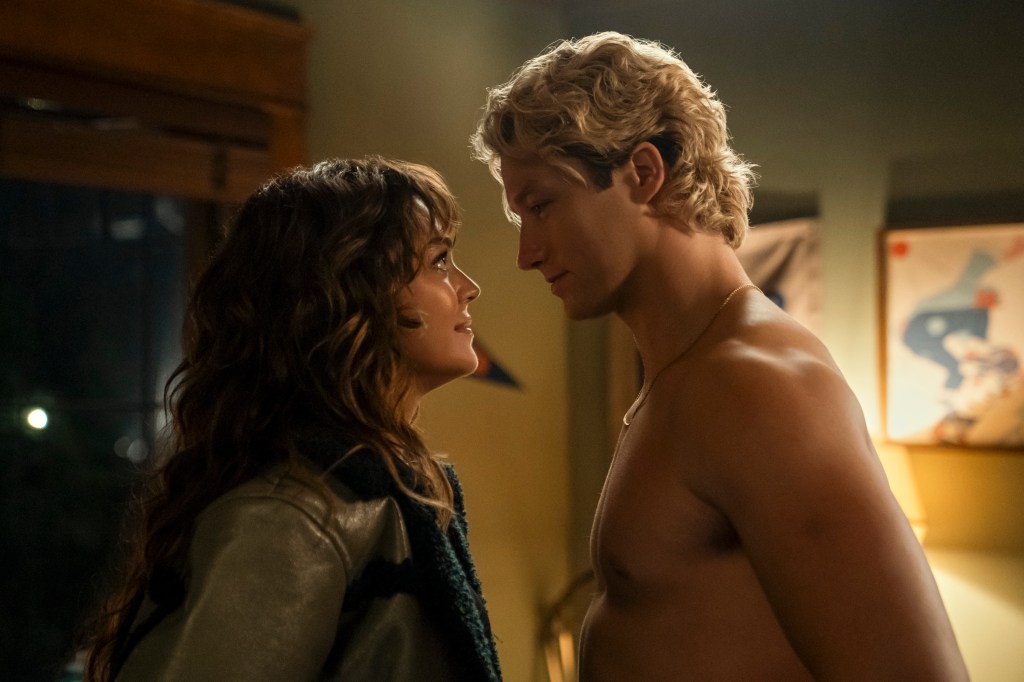
The producers of the television adaptation of Elle Kennedy’s Off Campus issued a formal public warning on June 5, 2026, demanding an immediate end to the targeted social media harassment directed at the show’s cast and their families. The statement, released via the production’s official channels, marks a definitive line in the sand against toxic fandom behavior. It explicitly instructed audiences to “extend respect to our cast and the people in their lives.” The message was not a request. It was a barricade.
The announcement arrived in the wake of escalating digital hostility following casting reveals for the highly anticipated series. What began as standard internet discourse quickly devolved into systemic, personalized attacks.
The target was no longer just the performance. The target was the person.
This is not an isolated incident. It is a symptom of a much larger structural shift in how audiences interact with the media they consume. The boundary between consumer and creator has collapsed. In its place, a sense of aggressive, proprietary entitlement has taken root.
The BookTok Collision Course
To understand the vitriol, one must understand the origin of the property. Elle Kennedy published The Deal, the first book in the Off Campus series, in 2015. It followed the romance between fictional Briar University students Garrett Graham and Hannah Wells. It was a massive success.
But the true explosion happened years later.
During the global lockdowns of 2020 and 2021, the series caught fire on TikTok. The #BookTok community, a digital literary ecosystem that currently boasts over 200 billion views, turned the Off Campus series into a foundational text. Millions of copies were sold. The characters were dissected, fan-cast, illustrated, and discussed in granular detail across thousands of daily videos.
Readers did not just consume the books. They lived inside them.
When Amazon MGM Studios and the production team began the process of adapting the series for television, they were not just casting a show. They were attempting to manifest a collective, deeply entrenched digital hallucination. Every reader had a specific image of Garrett Graham. Every reader had a specific image of Hannah Wells.
No human actor could ever match the composite ideal generated by millions of individual imaginations.
The Anatomy of a Digital Mob
When the casting was announced, the friction was immediate. Disappointment is a natural byproduct of adaptation. Harassment is a deliberate choice.
The Off Campus statement highlighted a specific, chilling phrase: “the people in their lives.” This indicates the harassment bypassed the standard avenues of public critique. It breached the perimeter.
Modern digital mobs operate with military precision. They do not merely leave negative comments on an actor’s official Instagram page. They excavate the digital footprint. They locate the social media profiles of the actor’s parents, siblings, and romantic partners. They flood direct messages with vitriol. They weaponize old photographs. They attempt to dismantle the actor’s real life because the actor does not match a fictional ideal.
The algorithm rewards this behavior. Outrage generates engagement. Engagement generates visibility. Visibility generates validation. The mob is incentivized to push harder, dig deeper, and scream louder.
A Hollywood Epidemic
The Off Campus team is operating within a grim, established historical precedent. Hollywood studios are increasingly finding themselves acting as digital bodyguards for their talent.
In 2017, Kelly Marie Tran was subjected to a relentless campaign of racist and sexist harassment following the release of Star Wars: The Last Jedi. She ultimately wiped her Instagram account entirely. The studio response at the time was sluggish, rooted in an outdated public relations playbook that suggested ignoring trolls would make them disappear.
The trolls did not disappear. They organized.
By 2022, the playbook had to change. When author Rick Riordan and Disney+ announced the casting of Leah Sava Jeffries as Annabeth Chase in Percy Jackson and the Olympians, a racist backlash erupted because Jeffries did not match the physical description of the character in the 2005 novel. Riordan did not wait. He issued a blistering, immediate condemnation of the harassment, effectively telling toxic fans they were not welcome in the fandom.
In 2024, Erin Moriarty of Amazon’s The Boys stepped away from social media, citing intense, misogynistic harassment from fans who fundamentally misunderstood the satirical nature of the show.
The Off Campus directive is the latest entry in this defensive ledger. Studios can no longer afford to be passive. The human cost is too high, and the potential damage to the production’s morale and marketability is too severe.
The Psychology of Fandom Entitlement
The root of the issue lies in the evolution of the parasocial relationship. For decades, the relationship between a fan and a property was a one-way street. The studio created the product. The fan consumed it.
Social media transformed that dynamic into a perceived partnership.
Fans now dedicate hundreds of hours to curating fan pages, editing tribute videos, and writing extensive commentary. They view this unpaid labor as an investment. They believe their engagement is the primary reason the property maintains its cultural relevance. Therefore, they believe they hold equity in the franchise.
When a casting decision contradicts their internal vision, it is not viewed as a creative disagreement. It is viewed as a betrayal. It is perceived as a breach of contract.
“Extend respect to our cast and the people in their lives.”
This single sentence from the Off Campus team dismantles the illusion of ownership. It is a harsh reminder from the creators to the consumers: You do not own these people. You do not own this process.
The Industry’s New Defensive Playbook
The financial and logistical realities of television production are adapting to this new digital climate. The era of leaving actors to fend for themselves is ending.
Production companies are implementing comprehensive digital security measures long before a show premieres. The modern studio playbook now includes specific, actionable protocols:
- Digital Audits: Before casting is announced, firms like Crisp and DeleteMe are hired to scrub the internet of an actor’s personal information, home addresses, and familial connections.
- Comment Moderation: Studios employ AI-driven moderation tools to instantly block and delete comments containing specific slurs, threats, or targeted harassment on official pages.
- Psychological Support: Mental health professionals are increasingly retained by productions to help young, breakout stars navigate the sudden influx of global attention and localized hatred.
- The Pre-Emptive Strike: Statements like the one issued by the Off Campus team are drafted in advance. PR teams no longer wait for the fire to spread; they build firebreaks before the announcement drops.
The budget for a major television adaptation now fundamentally requires a line item for digital warfare.
The Cost of the Crown
For the actors stepping into these highly coveted roles, the victory of booking a major series is immediately tempered by the reality of the digital landscape.
Landing a lead role in an adaptation like Off Campus should be a career-defining moment. It is the culmination of years of auditions, rejections, and relentless effort. Yet, the modern breakout star must immediately brace for impact. They are forced to lock down their personal lives. They are advised to turn off their comments. They are told to avoid looking at the very platforms that are ostensibly promoting their work.
This creates a chilling effect on the industry. When the cost of visibility is the safety of one’s family, the calculus of fame changes. Talent agencies are increasingly having difficult conversations with their clients about the psychological toll of accepting roles attached to massive, pre-existing fandoms.
The art suffers when the artists are under siege.
The Future of Fandom
The statement from the Off Campus team will not end internet toxicity. No single Instagram graphic or press release possesses the power to rewrite human nature or dismantle algorithmic outrage.
However, it establishes a necessary precedent. It draws a boundary. It forces the audience to confront the reality that the faces on their screens belong to human beings with families, partners, and private lives that exist entirely outside the borders of Briar University.
The culture of consumption has reached a breaking point. The expectation of total access has birthed a culture of total entitlement. The studios are finally pushing back. The creators are finally pushing back. The line has been drawn in the digital sand.
Readers demanded a perfect adaptation. Algorithms rewarded their rage. Producers issued a warning.
Consequences.