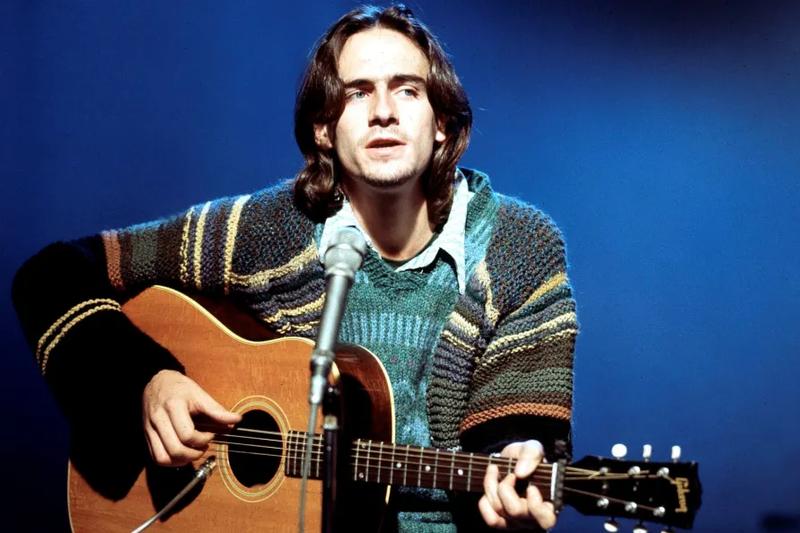
The year 1970 introduced a distinct sound to American and British airwaves: soft rock. This genre, emerging from the late 1960s, quickly became a staple throughout the 1970s, offering listeners a gentler, more introspective alternative to the era’s harder-edged music. Its appeal lay in its melodic accessibility and lyrical depth, often exploring themes of love, loss, and personal struggle. For many Baby Boomers, these songs became deeply personal soundtracks, evoking strong emotional responses.
Three tracks released in 1970 stand out for their profound impact: James Taylor’s “Fire and Rain,” Gordon Lightfoot‘s “If You Could Read My Mind,” and Bread’s “It Don’t Matter To Me.” Each song, in its own way, tapped into universal human experiences, leading to widespread emotional resonance among listeners. These compositions were more than just popular tunes; they were cultural touchstones that provided comfort and reflection.
James Taylor‘s “Fire and Rain”: A Portrait of Grief and Hope
James Taylor’s “Fire and Rain,” released in 1970, quickly became an iconic song of its era. The track is notable for its raw honesty and vulnerability, addressing profound themes of grief, loss, and the search for hope amidst difficult times. Taylor wrote the song during a period of personal turmoil, reflecting on the suicide of a childhood friend, Suzanne Schnerr, and his struggles with drug addiction and depression.
The song’s structure is divided into three distinct verses, each detailing a different aspect of Taylor’s personal struggles. The first verse recounts Schnerr’s death, the second describes his battle with addiction and mental health, and the third touches upon the dissolution of his early band, The Flying Machine. This deeply personal narrative resonated with many who faced similar challenges, making the song a powerful anthem of shared human experience. Its gentle melody, combined with the poignant lyrics, created a space for listeners to confront their own sorrows.
Gordon Lightfoot’s “If You Could Read My Mind”: A Divorce’s Echo
Gordon Lightfoot’s “If You Could Read My Mind,” also released in 1970, offered another layer of emotional depth to the burgeoning soft rock genre. The song was directly inspired by Lightfoot’s own divorce from his first wife, Brita Ingegerd Olaisson. Its lyrics paint a vivid picture of a relationship unraveling, filled with unspoken thoughts and fading intimacy. The narrative explores the pain of separation and the longing for understanding that often accompanies the end of a marriage.
Lightfoot’s masterful storytelling is evident in the song’s imagery, comparing the relationship to a “faded movie” and a “book I’ve read before.” This metaphorical language allowed listeners to project their own experiences onto the narrative, making the song universally relatable. The track’s melancholic melody, carried by Lightfoot’s distinctive vocal delivery and acoustic guitar, amplified the sense of wistful reflection. It became a staple on radio, offering solace to those navigating similar personal upheavals. More information on Lightfoot’s career can be found on his official website.
Bread’s “It Don’t Matter To Me”: Unrequited Devotion
Bread, a band known for its soft rock ballads, contributed “It Don’t Matter To Me” to the 1970 soundscape. This song, written by David Gates, presents a melancholy perspective on unrequited love or a relationship where one partner’s happiness is prioritized above all else, even if it means personal sacrifice. The lyrics convey a deep sense of devotion, where the narrator expresses a desire for their loved one’s well-being, regardless of their own emotional state.
The song’s gentle instrumentation, featuring acoustic guitars and subtle orchestration, underscores its tender and somewhat resigned tone. The chorus, “It don’t matter to me, if you’re happy, I’m happy for you,” became a memorable line for many listeners, encapsulating the selfless nature of the sentiment. This track, like the others, provided an emotional outlet for those grappling with complex feelings in their relationships. The enduring popularity of Bread’s music is well-documented, with their discography available on platforms like AllMusic.
The Enduring Legacy of 1970 Soft Rock
These three songs from 1970, “Fire and Rain,” “If You Could Read My Mind,” and “It Don’t Matter To Me”, represent a significant moment in music history. They helped define the soft rock genre, showcasing its capacity for emotional depth and lyrical introspection. For Baby Boomers coming of age, these tracks provided a soundtrack to their personal journeys, offering comfort during times of grief, divorce, and unrequited love.
The themes explored in these songs remain timeless, continuing to resonate with new generations of listeners. Their melodies and lyrics have cemented their place in the canon of popular music, demonstrating the lasting power of honest, heartfelt songwriting. The emotional connection forged between these artists and their audience in 1970 continues to echo decades later.
Related: Bailey Zimmerman and Stella Lefty Announce “My Kinda Love” Collaboration
Artists wrote. Audiences listened. Emotions flowed. Memories formed. A generation wept.
Music.
Sources
Frequently asked questions
What were some popular soft rock songs from 1970?
Three highly influential soft rock songs from 1970 were "Fire and Rain" by James Taylor, "If You Could Read My Mind" by Gordon Lightfoot, and "It Don't Matter To Me" by Bread. These tracks resonated deeply with audiences due to their introspective lyrics and melodic arrangements.
What themes did James Taylor's "Fire and Rain" explore?
James Taylor's "Fire and Rain" delves into themes of grief, personal loss, and the search for hope amidst difficult times. The song reflects Taylor's experiences with the death of a friend, his struggles with addiction, and the breakup of his early band.
What inspired Gordon Lightfoot to write "If You Could Read My Mind"?
Gordon Lightfoot's "If You Could Read My Mind" was directly inspired by his own divorce from his first wife, Brita Ingegerd Olaisson. The lyrics poignantly describe the unraveling of a relationship and the pain of separation.
What is the main message of Bread's "It Don't Matter To Me"?
Bread's "It Don't Matter To Me" conveys a message of selfless devotion and unrequited love. The song expresses a narrator's desire for a loved one's happiness, even if it means personal sacrifice or emotional pain for themselves.
Sponsored · Buying, selling or investing in property? JL Group works with owners and investors in Springfield, Missouri and beyond. jlgroup.online · Advertise on ByteSize Network