
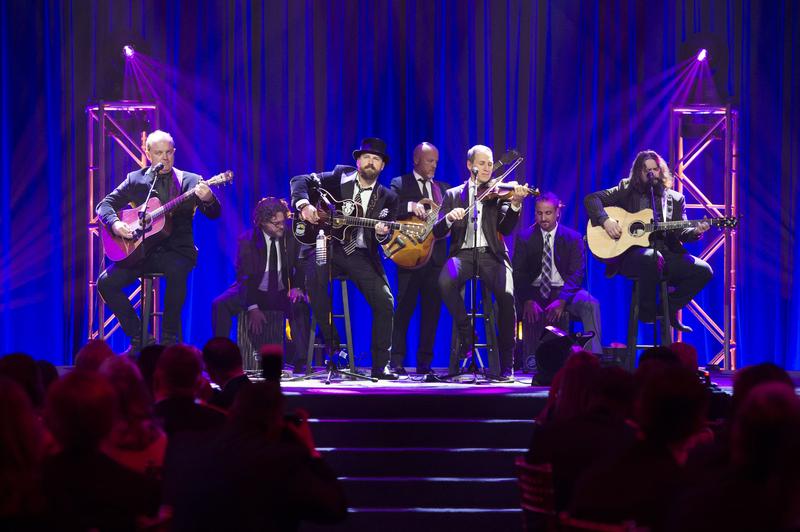
When Zac Brown steps into the Octagon at UFC Freedom 250 to sing the National Anthem, he will do so despite mounting pressure to cancel. The country music star, known for his chart-topping hits with the Zac Brown Band, has found himself at the center of a cultural flashpoint. Critics have demanded he withdraw from the event, citing the increasingly polarized climate surrounding major sporting spectacles. Brown’s response, however, has been swift and definitive. He views the performance not as a political endorsement, but as an act of fundamental patriotism.
The controversy surrounding the upcoming UFC event is not entirely unexpected. In recent years, the intersection of sports, entertainment, and politics has become a battleground. Performers are routinely scrutinized for their associations, and the National Anthem itself has frequently been a focal point for debate. Yet, Brown’s stance cuts through the noise. By declaring, “This is patriotism, not politics,” he attempts to reclaim the anthem as a unifying symbol rather than a divisive wedge.
The Pressure to Withdraw
The pushback against Brown began almost immediately after the UFC announced his participation in Freedom 250. Social media campaigns emerged, urging the artist to step down. The arguments varied, with some critics pointing to the UFC’s own controversial history and others suggesting that any high-profile performance in the current climate carries inherent political baggage. The pressure was not merely online chatter; it represented a coordinated effort to force a prominent figure to conform to a specific narrative.
For an artist of Brown’s stature, the stakes are considerable. The Zac Brown Band has built a massive, diverse fan base over decades, selling millions of records and packing stadiums worldwide. Alienating a segment of that audience is a risk inherent in any public stance. However, the pressure to withdraw from UFC Freedom 250 appears to have only solidified his resolve. The attempt to politicize an act he views as patriotic struck a nerve, prompting a public defense of his decision.
A History of Patriotic Performances
This is not the first time Zac Brown has aligned himself with patriotic causes or performances. The Zac Brown Band has a long history of supporting the military, frequently performing for troops and participating in events that honor veterans. Their song “Chicken Fried,” a massive hit that helped launch their mainstream career, explicitly references gratitude for those who serve in the armed forces. This context is crucial to understanding Brown’s current position.
For Brown, singing the National Anthem is an extension of that established history. It is a consistent expression of his values, not a sudden pivot into political commentary. The critics demanding his withdrawal are, in his view, misinterpreting the fundamental nature of the performance. They are projecting political motives onto an act rooted in a deep-seated respect for the country and its institutions.
The UFC Freedom 250 Context
The venue for this performance adds another layer of complexity. The UFC (Ultimate Fighting Championship) has grown into a global juggernaut, regularly drawing millions of viewers for its pay-per-view events. The organization, under the leadership of Dana White, has often embraced a brash, unapologetic ethos that resonates with a specific demographic. UFC events are high-energy spectacles, and the National Anthem is a staple of the pre-fight ritual.
UFC Freedom 250 is billed as a landmark event for the promotion. The sheer scale of the audience guarantees that Brown’s performance will be heavily scrutinized. The UFC has, at times, leaned into the cultural divides that define modern America, making the platform itself a subject of debate. By choosing to perform in this specific arena, Brown is stepping into a highly charged atmosphere, fully aware of the potential for controversy.
The Intersection of Sports and Politics
The debate surrounding Zac Brown’s performance is a microcosm of a larger cultural shift. The expectation that athletes and entertainers must constantly navigate political minefields is a relatively recent phenomenon. In previous eras, singing the National Anthem at a sporting event was largely viewed as a neutral, unifying act. Today, it is often interpreted through a partisan lens.
Brown’s assertion that “This is patriotism, not politics” is a direct challenge to this new paradigm. He is arguing for a space where national symbols can exist independent of the daily political fray. It is a plea for a return to a time when certain acts were universally understood as expressions of civic pride, rather than endorsements of specific policies or politicians. Whether this distinction is still possible in the current climate remains to be seen, but Brown is clearly willing to test the waters.
The Response from Fans
The reaction to Brown’s stance has been predictably divided. Among his core fan base, the response has been overwhelmingly positive. Many view his refusal to back down as a sign of strength and integrity. They applaud his willingness to stand by his convictions in the face of public pressure. For these fans, Brown’s performance at UFC Freedom 250 will be a moment of shared pride and defiance.
Conversely, those who initiated the pressure campaigns remain critical. They argue that Brown’s attempt to separate the anthem from politics is naive or disingenuous. In their view, every public act carries political weight, and participating in an event like UFC Freedom 250 is an implicit endorsement of the organization’s values and associations. This fundamental disagreement highlights the deep cultural fissures that define the current era.
The Role of the Artist
The controversy forces a reexamination of the artist’s role in society. Should entertainers be expected to align their professional choices with the political preferences of their audience or critics? Is there room for neutrality in a hyper-polarized environment? Zac Brown’s situation suggests that neutrality is increasingly difficult to achieve, even when explicitly stated as a goal.
By defining his performance as an act of patriotism, Brown is attempting to set the terms of engagement. He is rejecting the labels placed upon him by others and asserting his own narrative. This is a common strategy for public figures navigating controversy, but its success depends on the willingness of the audience to accept the artist’s stated intentions. In this case, the battle over meaning is as significant as the performance itself.
The Anticipation for UFC Freedom 250
As UFC Freedom 250 approaches, the anticipation surrounding Zac Brown’s performance continues to build. The controversy has undoubtedly elevated the profile of the event, drawing in viewers who might not otherwise tune in for a mixed martial arts competition. The moment Brown steps to the microphone will be heavily scrutinized, with every nuance of his performance analyzed for political subtext.
The pressure on the artist will be immense. He is tasked with delivering a flawless rendition of a notoriously difficult song, while simultaneously navigating a cultural minefield. The performance will be a test of his resolve and his ability to command an audience under intense pressure. It is a moment that will likely define his public image for the foreseeable future.
The Aftermath
Regardless of how the performance is received, the controversy surrounding Zac Brown and UFC Freedom 250 will have lasting implications. It serves as a reminder of the intense scrutiny faced by public figures in the modern era. It also highlights the ongoing debate over the meaning of national symbols and the role of patriotism in a divided society.
The incident will likely be cited in future discussions about the intersection of sports, entertainment, and politics. It is a case study in how a seemingly straightforward act, singing the National Anthem, can become a flashpoint for cultural conflict. The lessons learned from this episode will shape how artists and organizations navigate similar situations in the years to come.
The stage is set. The pressure is on. The audience is watching. Zac Brown.
