Tag: X

  • The Odyssey Leak on X: High-Quality Bootleg and Digital Piracy’s Reach

    The Odyssey Leak on X: High-Quality Bootleg and Digital Piracy’s Reach

    A high-quality, unauthorized version of the highly anticipated film ‘The Odyssey’ recently appeared on the social media platform X, drawing millions of viewers within hours before its eventual takedown. This incident represents a significant challenge to content control and intellectual property rights in the digital age, showcasing the rapid spread of pirated material and the ongoing efforts to combat it.

    The leak of ‘The Odyssey’ underscores the vulnerabilities faced by film studios and distributors. Despite advanced security measures, breaches can occur, leading to substantial financial and reputational damage.

    The Anatomy of a Digital Leak

    The unauthorized upload of ‘The Odyssey’ was characterized by its surprising visual and audio fidelity. Unlike typical camcorder bootlegs, this version exhibited a quality level suggesting it originated from an internal source or a pre-release screening copy.

    Such high-quality leaks are particularly damaging. They diminish the value of official releases and impact box office performance, as viewers may opt for the free, albeit illegal, alternative.

    The speed with which the content spread across X was remarkable. Algorithms and user sharing amplified its reach, turning a single upload into a global phenomenon in a matter of hours.

    X’s Role and Response

    X, as a major social media platform, possesses extensive infrastructure for content sharing. This infrastructure, while beneficial for legitimate communication, also presents opportunities for illicit distribution.

    Upon detection, or more likely, notification from the rights holders, X initiated a swift takedown process. This response aligns with the platform’s terms of service and its legal obligations under copyright law, such as the Digital Millennium Copyright Act (DMCA).

    The speed of the takedown is critical in mitigating further damage. However, the initial exposure to millions of users still represents a significant loss for the film’s creators and investors.

    The Broader Landscape of Digital Piracy

    Digital piracy is a multifaceted issue that has plagued the entertainment industry for decades. The methods of distribution have evolved from physical copies to torrents, and now, increasingly, to direct uploads on social media platforms.

    The motivations behind piracy are varied. Some users seek free access to content, while others engage in it for notoriety or to challenge copyright norms. Regardless of motivation, the impact on content creators remains consistently negative.

    Studios invest hundreds of millions of dollars in film production, marketing, and distribution. Leaks undermine this investment, threatening future projects and the livelihoods of thousands of industry professionals.

    Economic Impact on Film Production

    The financial ramifications of a leak like ‘The Odyssey’ are extensive. Lost ticket sales, reduced streaming revenue, and diminished ancillary product sales all contribute to a significant economic blow.

    These losses can directly influence decisions regarding future film budgets, talent acquisition, and technological advancements within the industry. Smaller production houses are particularly vulnerable to such incidents.

    The Battle for Content Control

    Content control involves a complex interplay of technology, legal frameworks, and proactive monitoring. Studios employ watermarking, digital rights management (DRM), and dedicated anti-piracy teams to protect their assets.

    Despite these efforts, pirates continually develop new methods to bypass security. The cat-and-mouse game between creators and infringers is ongoing, with each side innovating to gain an advantage.

    Legal actions, including cease-and-desist letters and lawsuits, are often pursued against individuals or groups responsible for large-scale piracy. These measures aim to deter future infringements and recover damages.

    Precedent and Future Implications

    The ‘Odyssey’ leak is not an isolated incident. Numerous films and television shows have faced similar unauthorized releases in recent years. Each event serves as a stark reminder of the persistent threat.

    For instance, major films from franchises like Marvel and Star Wars have experienced leaks, sometimes weeks before their official release. These incidents often involve sophisticated networks rather than individual actors.

    The implications for future content distribution are significant. Studios may increasingly rely on more secure, encrypted distribution channels or explore simultaneous global releases to minimize the window for piracy.

    Technological Countermeasures

    The entertainment industry continues to invest heavily in anti-piracy technologies. These include:

    • Advanced Watermarking: Embedding unique, invisible identifiers into content to trace the source of a leak.
    • AI-Powered Monitoring: Using artificial intelligence to scan the internet, including social media, for unauthorized uploads.
    • Blockchain Technology: Exploring blockchain for secure content distribution and rights management, though its widespread adoption is still nascent.
    • Enhanced Encryption: Strengthening encryption protocols for digital files during production and distribution stages.

    These technologies aim to make it harder for content to be stolen and easier to identify the origin of any leak.

    The Role of Social Media Platforms

    Social media platforms like X face increasing pressure to act swiftly against pirated content. Their responsibility extends beyond mere takedowns; proactive measures are also expected.

    This includes implementing more robust upload filters, improving content identification algorithms, and fostering better communication channels with rights holders. Cooperation between platforms and studios is essential for effective piracy deterrence.

    Platforms that fail to adequately address piracy risk legal penalties and damage to their reputation as legitimate content hosts.

    The Cultural Defense of Intellectual Property

    The fight against piracy is often framed as a cultural defense. It is about protecting the value of creative work and ensuring that artists, writers, directors, and technicians are fairly compensated for their efforts.

    Intellectual property is the bedrock of the creative economy. When it is undermined, the incentive to create original content diminishes, potentially leading to a less vibrant cultural landscape.

    Public awareness campaigns also play a role. Educating consumers about the harm caused by piracy can shift attitudes and encourage legal consumption of media.

    Supporting Creative Industries

    Every illegal download or stream directly impacts the revenue streams that fund future creative projects. This includes everything from blockbuster films to independent art house productions.

    The creative industries support millions of jobs globally, from actors and directors to set designers, caterers, and marketing professionals. Piracy jeopardizes these livelihoods.

    Protecting intellectual property is not just about corporate profits; it is about sustaining an ecosystem that provides entertainment, inspiration, and cultural enrichment to society.

    Looking Ahead

    The ‘Odyssey’ leak serves as a potent reminder that the battle against digital piracy is far from over. As technology advances, so too do the methods of infringement.

    The industry will continue to adapt, employing a combination of technological safeguards, legal enforcement, and collaborative efforts with platforms and governments.

    The ultimate goal remains the same: to protect the integrity of creative works and ensure their creators receive due recognition and compensation.

    Content producers gathered. Rights holders gathered. Tech platforms gathered. The digital frontier demands constant vigilance. Protection.
  • UK Culture Secretary Lisa Nandy Quits X Over ‘Abuse and Misinformation’

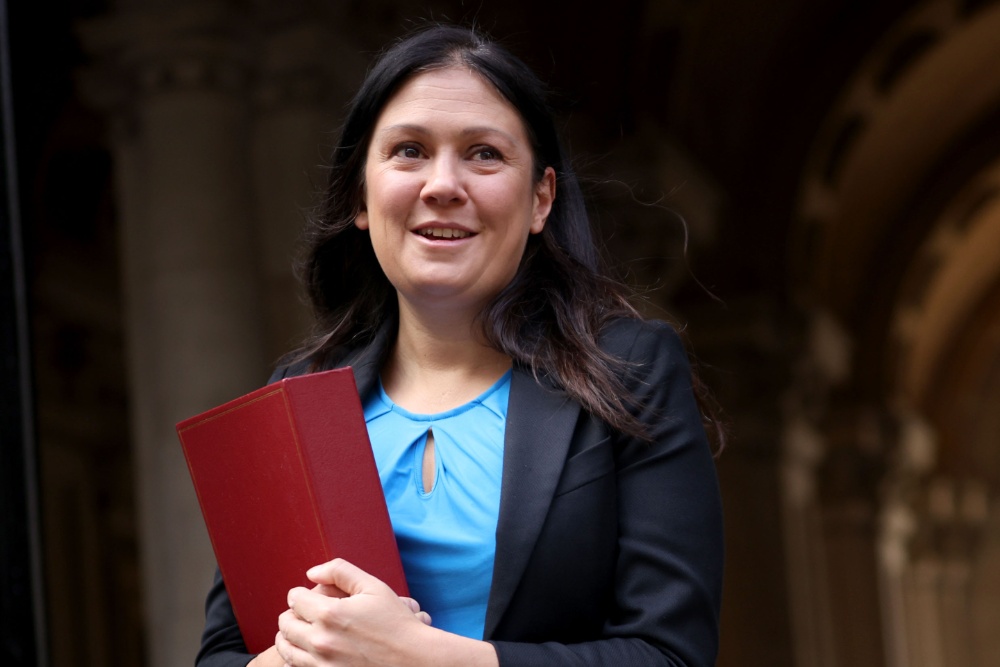
    UK Culture Secretary Lisa Nandy Quits X Over ‘Abuse and Misinformation’

    UK Culture Secretary Lisa Nandy announced her departure from the social media platform X, formerly Twitter, citing pervasive ‘abuse and misinformation’ as the primary reasons for her decision. This move by a high-profile government official brings renewed attention to the ongoing challenges faced by social media platforms regarding content moderation and the spread of harmful narratives.

    Nandy’s public statement outlined her concerns, emphasizing the detrimental impact of unmoderated content on public discourse and individual well-being. Her exit signals a significant stance against the current operational policies of X under Elon Musk’s ownership.

    The Stated Reasons for Departure

    Lisa Nandy’s decision was not made in isolation. It followed a period of increasing scrutiny over the content policies and enforcement mechanisms on X. Her public statements highlighted a perception of escalating issues on the platform.

    The terms ‘abuse’ and ‘misinformation’ were central to her explanation. These categories encompass a broad range of content, from personal attacks and harassment to the deliberate propagation of false or misleading information.

    Nandy’s role as Secretary of State for Culture, Media and Sport places her at the forefront of discussions surrounding online safety, media regulation, and the digital landscape within the United Kingdom. Her actions carry institutional weight.

    A Broader Context of Platform Scrutiny

    The departure of a UK Cabinet minister from a major social media platform is a notable event. It reflects a wider trend of political figures, public institutions, and advocacy groups expressing dissatisfaction with the governance of online spaces.

    Since its acquisition by Elon Musk in October 2022, X has undergone significant operational changes. These changes have included alterations to content moderation teams and policies, leading to varying reactions from users and regulators alike.

    Critics have often pointed to a perceived increase in hate speech, harassment, and the proliferation of unverified claims on the platform. These concerns have been voiced by a diverse array of stakeholders, including civil society organizations, advertisers, and former employees.

    Impact on Online Safety Debates

    Nandy’s exit contributes to the ongoing debate surrounding online safety legislation, particularly in the UK. The Online Safety Act, which received Royal Assent in October 2023, aims to make the UK the safest place in the world to be online.

    The Act imposes new duties of care on social media companies to protect users from illegal and harmful content. Nandy, in her capacity, is directly involved in the implementation and oversight of this landmark legislation.

    Her personal experience with the platform underscores the practical challenges of enforcing these new regulations and ensuring platforms adhere to their responsibilities.

    The Role of Elon Musk and X’s Evolution

    Elon Musk’s tenure as owner of X has been characterized by a philosophy of ‘free speech absolutism.’ This approach has often been interpreted as a relaxation of previous content moderation standards.

    Musk’s stated goal has been to create a global town square where all voices can be heard. However, critics argue that this approach has inadvertently fostered an environment where harmful content can thrive.

    The platform has seen significant changes in its verification system, API access, and advertising policies. These shifts have contributed to a complex and evolving user experience.

    Challenges for Advertisers and Brands

    The concerns raised by Lisa Nandy echo those of numerous advertisers and brands. Many companies have paused or significantly reduced their advertising spending on X due to brand safety concerns.

    The presence of ‘abuse and misinformation’ can create an environment that is deemed unsuitable for brand association. This has had financial implications for the platform.

    The balance between free expression and brand safety remains a critical challenge for X and other social media companies.

    Political Implications of Nandy’s Stance

    As a senior member of the current UK government, Lisa Nandy’s public disengagement from X carries political weight. It can be seen as a signal of the government’s stance on platform accountability.

    Her decision may encourage other political figures or public servants to re-evaluate their own presence on the platform. It could also influence public perception of X’s reliability as a source of information.

    The Labour Party, to which Nandy belongs, has historically advocated for stronger regulation of tech companies and greater protections for online users. Her actions align with these broader party principles.

    Precedent and Future Actions

    Nandy’s departure sets a precedent for how high-ranking officials might interact with social media platforms that they believe are failing to uphold standards of safety and accuracy.

    It raises questions about whether this move will be followed by further governmental action or policy shifts directed at X or the wider tech industry.

    The incident contributes to an ongoing international dialogue about digital governance and the responsibilities of global technology companies operating within national jurisdictions.

    The Broader Landscape of Social Media

    Nandy’s concerns are not unique to X. Other social media platforms also grapple with issues of misinformation, hate speech, and online harassment. However, the specific policy shifts at X have drawn particular attention.

    The incident highlights the fragmentation of the online public square. As individuals and institutions choose to leave certain platforms, the digital landscape becomes more diverse and potentially siloed.

    The search for alternative platforms that better align with individual values or moderation preferences continues for many users.

    User Experience and Trust

    The user experience on social media platforms is heavily influenced by the presence or absence of harmful content. A prevalence of ‘abuse and misinformation’ can erode user trust and engagement.

    For some users, the decision to leave a platform like X is a personal one, driven by a desire to avoid negative online interactions. For public figures like Nandy, it also becomes a professional statement.

    Platforms that fail to address these concerns risk losing significant portions of their user base, particularly those who value safety and factual accuracy.

    Looking Ahead: The Future of X and Content Moderation

    The departure of Lisa Nandy adds another voice to the chorus of those calling for more robust content moderation on X. Whether this will lead to significant policy changes on the platform remains to be seen.

    The company continues to assert its commitment to free speech while also attempting to address concerns about illegal content and platform manipulation. This balance is a continuous challenge.

    The incident serves as a reminder that the relationship between governments, social media platforms, and the public is constantly evolving, shaped by technological advancements, regulatory pressures, and user expectations.

    Governments monitor. Regulators scrutinize. Public figures depart.

    X.

  • Musk Boosts Hammer: ‘Citizen Vigilante’ Film on X

    Musk Boosts Hammer: ‘Citizen Vigilante’ Film on X

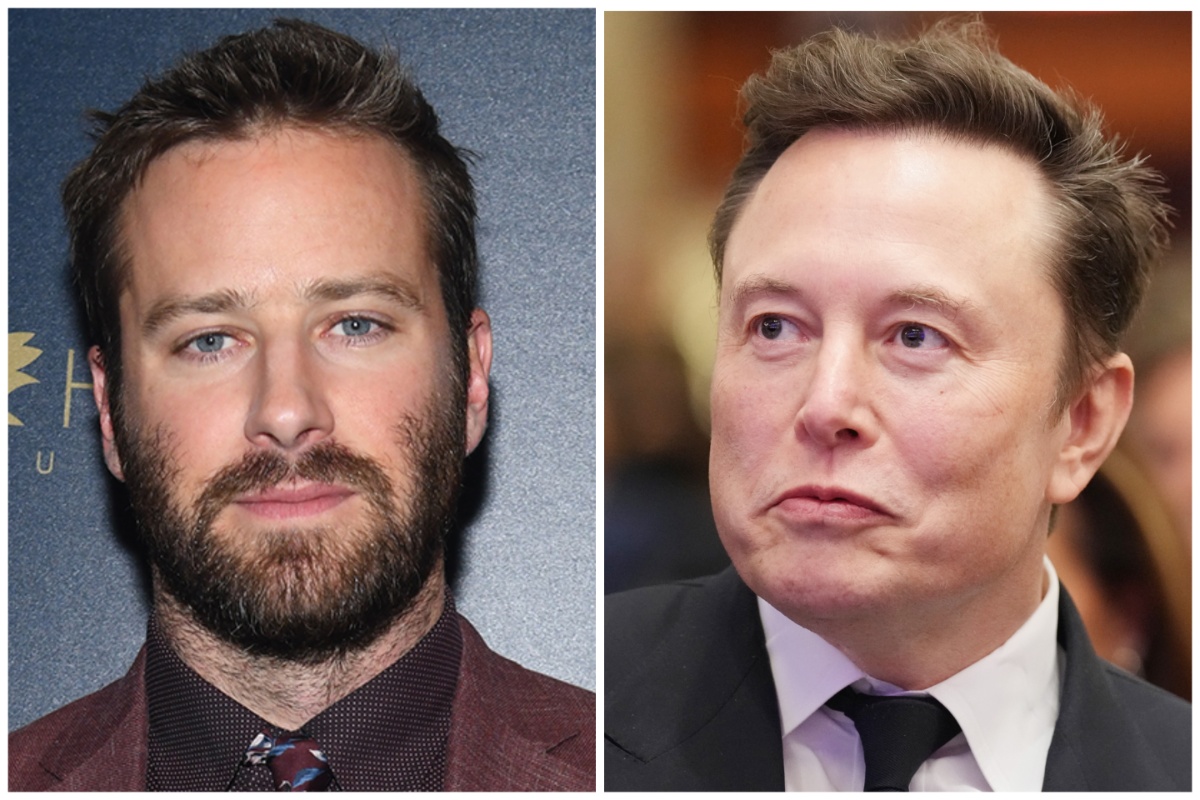
    On June 28, 2026, Elon Musk, the CEO of X, publicly referenced actor Armie Hammer’s new film, ‘Citizen Vigilante,’ on the social media platform. Musk’s post, which did not contain direct promotional links, quickly generated widespread discussion. This action immediately refocused global attention on Hammer’s career, which had been largely inactive since 2021.

    Musk’s specific mention of ‘Citizen Vigilante’ on X has amplified the film’s visibility. It positions the project as a significant moment in Hammer’s professional trajectory, marking a potential return to mainstream acting.

    The Unfolding Narrative: Musk’s Post and Hammer’s Return

    Elon Musk’s post on X has served as an unexpected catalyst for ‘Citizen Vigilante.’ The exact phrasing of Musk’s remarks is under analysis by media outlets and social media users. His involvement brings an unprecedented level of scrutiny and curiosity to the film.

    Armie Hammer’s career entered a period of professional hiatus following a series of highly publicized allegations and controversies that emerged in early 2021. His last major film role prior to this development was in ‘Death on the Nile,’ released in February 2022, though filmed earlier. ‘Citizen Vigilante’ is now prominently featured as his attempt at a professional comeback.

    The Context of Armie Hammer’s Hiatus

    Hammer’s retreat from public life and acting roles began in January 2021. This followed allegations of abuse and non-consensual sexual acts, which he has denied. These claims led to his departure from several high-profile projects, including the film ‘Shotgun Wedding’ and the Paramount+ series ‘The Offer.’

    The actor’s public profile diminished significantly in the subsequent years. Reports in 2022 indicated Hammer was working in other capacities, including timeshare sales in the Cayman Islands. His return to a major acting role in ‘Citizen Vigilante’ signals a deliberate effort to re-engage with the film industry.

    ‘Citizen Vigilante’: Initial Details and Speculation

    As of June 28, 2026, concrete details regarding ‘Citizen Vigilante’ remain limited. The film is confirmed to star Armie Hammer. Its genre is speculated to be a thriller or action-drama, aligning with the