Tag: Workplace Ethics

  • Lena Headey on Hollywood’s ‘Predatory Men’ and ‘Game of Thrones’ Fan Backlash

    Lena Headey on Hollywood’s ‘Predatory Men’ and ‘Game of Thrones’ Fan Backlash

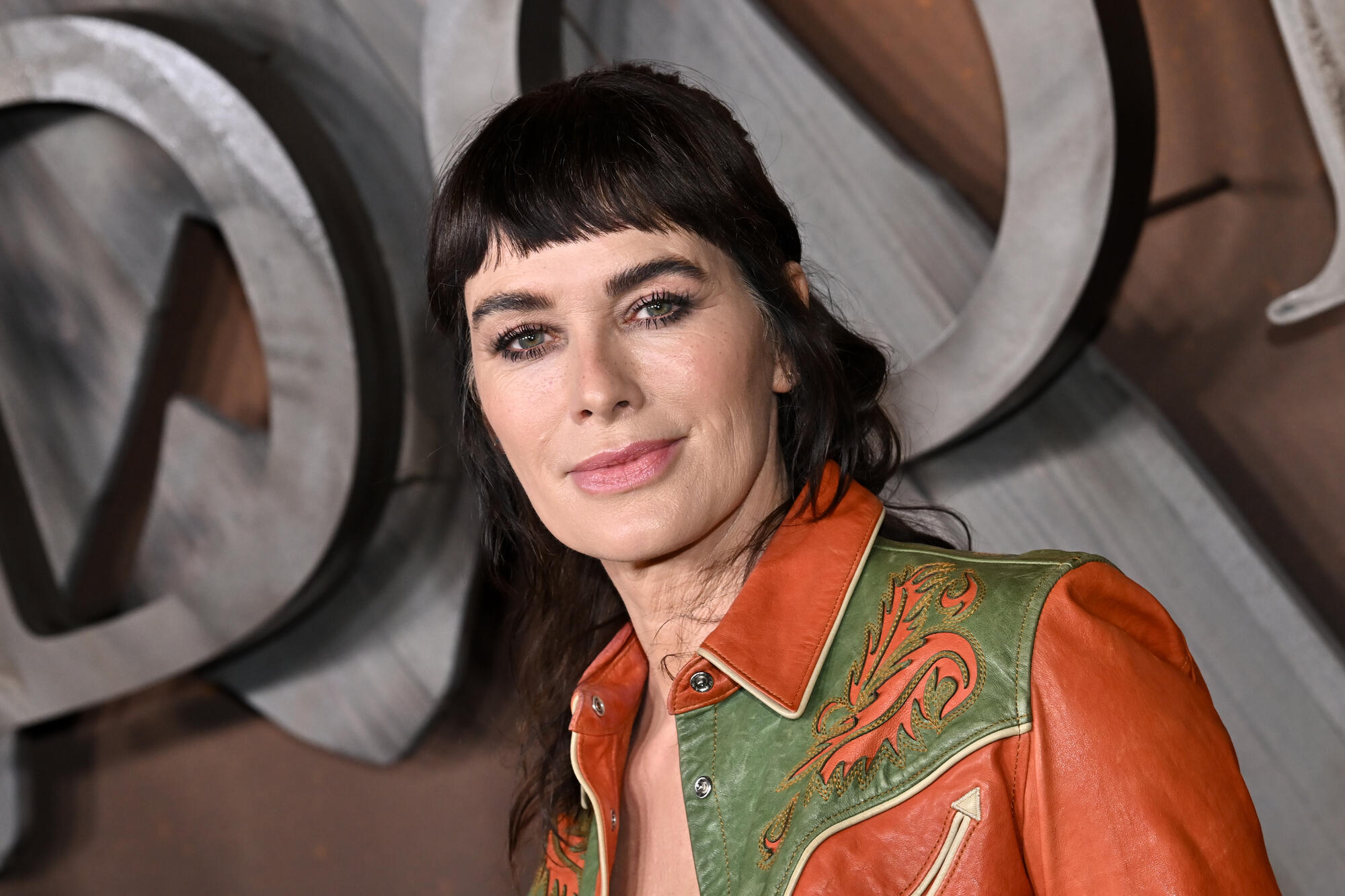
    Lena Headey, known for her portrayal of Cersei Lannister in HBO’s hit series ‘Game of Thrones,’ has recently spoken out against Hollywood’s perceived culture of protecting ‘predatory men.’ She also detailed her surprise at the strong negative reactions from a segment of ‘Game of Thrones’ fans regarding her character’s lack of nudity. These statements bring renewed attention to critical issues within the entertainment industry, including workplace ethics and the often-toxic nature of online fan communities.

    Headey’s comments contribute to a broader conversation that has gained significant momentum in recent years. This discourse centers on accountability, power dynamics, and the treatment of individuals, particularly women, in high-profile industries.

    Hollywood’s Culture of Protection

    Headey’s critique of Hollywood extends to what she describes as a systemic issue. She asserts that the industry has historically shielded individuals accused of misconduct. This protection, she suggests, has allowed certain behaviors to persist unchecked for extended periods.

    Her remarks echo sentiments from numerous other figures within the entertainment world. Many have come forward to share their experiences or observations of similar patterns.

    The discussion around ‘predatory men’ in Hollywood intensified significantly in the mid-2010s. This period saw the emergence of major movements advocating for greater transparency and justice.

    These movements have led to reevaluations of long-standing practices and power structures within film and television production.

    The ‘Game of Thrones’ Nudity Backlash

    Beyond industry ethics, Headey also addressed the specific reactions from ‘Game of Thrones’ fans. She recounted a palpable anger from some viewers who were displeased that her character, Cersei Lannister, did not perform nude scenes.

    Headey described her shock at the intensity of this backlash. Her character was central to many of the show’s most dramatic and politically charged storylines.

    The actress had a body double for certain scenes, a common practice in the industry. This decision, however, did not appease all viewers, leading to significant online commentary.

    This fan reaction highlights a persistent issue within media consumption: the objectification of female characters and performers. It also underscores the often-unrealistic expectations placed upon actors regarding their bodies and roles.

    Fan Culture and Toxicity

    The anger Headey observed from ‘Game of Thrones’ fans is symptomatic of a wider phenomenon. This phenomenon is known as toxic fandom. Toxic fandom involves aggressive, entitled, or abusive behavior from fans towards creators, actors, or other fans.

    Online platforms often amplify such behaviors. These platforms provide an immediate, sometimes anonymous, avenue for expressing extreme views.

    The ‘Game of Thrones’ series, while immensely popular, also experienced significant periods of intense fan scrutiny and criticism. This ranged from plot decisions to character portrayals and actor performances.

    Headey’s experience adds to a growing body of evidence detailing the challenges actors face in navigating these often-demanding and sometimes hostile fan environments.

    Body Autonomy in Performance

    The controversy surrounding Headey’s decision not to perform nude scenes directly relates to the concept of body autonomy. This principle asserts an individual’s right to control their own body and physical integrity.

    For actors, especially women, this often translates to decisions about nudity, sexual content, and physical performance. These choices are made within the context of their professional roles.

    Headey’s stance underscores the importance of an actor’s right to set boundaries. These boundaries apply even when playing characters in highly sexualized or explicit narratives.

    The expectation from some fans that an actress must perform nude if the character’s storyline implies it raises ethical questions about consent and professional agency in the arts.

    Impact on Industry Standards

    Headey’s public statements contribute to an ongoing shift in industry standards. There is a push for greater ethical conduct and improved working conditions.

    Organizations and unions within Hollywood have implemented new guidelines. These are designed to protect actors and crew members from harassment and exploitation.

    The conversation initiated by Headey and others helps to reinforce these changes. It also encourages a continued reevaluation of power dynamics on set and in executive offices.

    The long-term impact of these discussions aims to foster a more respectful and equitable environment for all involved in film and television production.

    Cersei Lannister’s Legacy

    Headey’s portrayal of Cersei Lannister remains one of the most iconic characters in modern television. Cersei was a complex figure, embodying ambition, resilience, and ruthless determination.

    Her character arc spanned the entirety of ‘Game of Thrones,’ from its premiere in 2011 to its conclusion in 2019. Cersei’s journey included political maneuvering, personal tragedies, and a relentless pursuit of power.

    Headey received critical acclaim for her performance. She earned multiple Emmy Award nominations for Outstanding Supporting Actress in a Drama Series. Her acting was consistently praised for its depth and nuance.

    The strength of her performance, independent of any nude scenes, highlighted the power of character development and acting skill. This challenged the notion that nudity is essential for a compelling female role.

    The Broader Conversation

    Headey’s comments are part of a larger, evolving dialogue. This dialogue encompasses issues of gender equality, workplace safety, and the responsibilities of public figures.

    The entertainment industry, as a highly visible sector, often serves as a microcosm for these societal challenges. Its struggles and advancements are frequently scrutinized by the public.

    Discussions about the treatment of women in film and television continue to shape policy and cultural expectations. These conversations extend beyond Hollywood, influencing other professional fields.

    The courage of individuals like Headey to speak out helps to maintain momentum for these critical social changes.

    Hollywood’s power structures are being re-examined. Fan expectations are being challenged. The conversation continues.

    Accountability. Respect. Autonomy. Progress.
  • Beau DeMayo’s ‘X-Men ’97’ Exit – OnlyFans and DEI Claims Spark Debate

    Beau DeMayo’s ‘X-Men ’97’ Exit – OnlyFans and DEI Claims Spark Debate

    Beau DeMayo, the creator and former executive producer of the Disney+ animated series ‘X-Men ’97,’ has publicly claimed that he informed Marvel Studios about his OnlyFans account. He also expressed a sentiment that his recruitment for the project was perceived by him as a Diversity, Equity, and Inclusion (DEI) hire. These statements have generated considerable discussion within the entertainment industry and among the public.

    DeMayo’s comments surfaced after his unexpected departure from the series production in early 2024, prior to the show’s premiere. The claims raise questions about transparency, corporate culture, and the evolving landscape of professional conduct in creative fields.

    The Origins of the ‘X-Men ’97’ Controversy

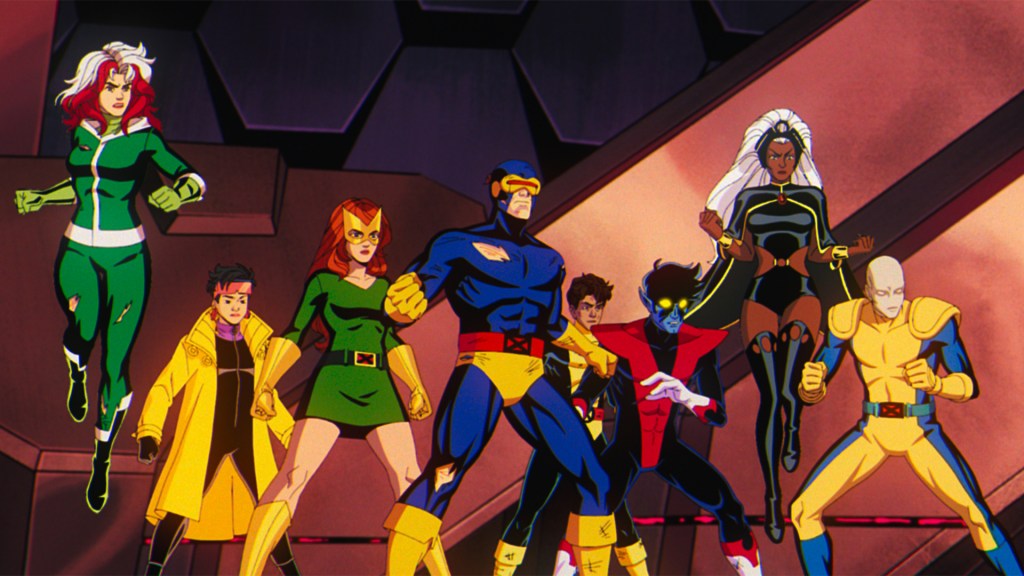
    The animated series ‘X-Men ’97’ was developed as a revival of the popular 1990s ‘X-Men: The Animated Series.’ Beau DeMayo was announced as the head writer and executive producer for the project. The series was highly anticipated by fans of the original show and the broader Marvel universe.

    Reports of DeMayo’s departure from the project emerged in March 2024. The reasons for his exit were not immediately clear, leading to speculation. Marvel Studios and Disney did not provide specific details regarding the separation at the time.

    DeMayo later began to address aspects of his departure through public channels. His statements included references to his personal life and professional experiences at Marvel.

    OnlyFans Disclosure and Professional Transparency

    One core aspect of DeMayo’s claim is his assertion of transparency regarding his OnlyFans account. OnlyFans is a subscription-based content platform, primarily known for adult content. DeMayo stated that he proactively informed Marvel Studios about his involvement with the platform.

    This disclosure reportedly occurred early in his engagement with the studio. The nature of this disclosure and Marvel’s internal response have not been detailed by the studio. DeMayo’s decision to disclose highlights the increasing complexities of personal digital footprints and professional careers.

    The entertainment industry often navigates public perception and brand image. Personal activities, especially those on platforms like OnlyFans, can sometimes intersect with corporate branding. DeMayo’s statement suggests an attempt to manage this intersection proactively.

    The ‘DEI Hire’ Perception

    Another significant claim made by DeMayo is his belief that he was treated as a ‘DEI hire.’ Diversity, Equity, and Inclusion initiatives are widespread across many industries, including entertainment. These programs aim to increase representation and foster inclusive environments.

    DeMayo’s perception suggests a potential tension between the goals of DEI and the individual experience of those hired under such frameworks. He did not elaborate on specific instances or behaviors that led to this feeling. However, the claim itself has resonated within ongoing debates about DEI efficacy and implementation.

    The term ‘DEI hire’ can carry negative connotations in some discussions, implying that merit was secondary to demographic characteristics. DeMayo’s use of the phrase contributes to this broader cultural conversation. It prompts examination of how individuals perceive their roles within diversity initiatives.

    Industry Reactions and Public Discourse

    DeMayo’s statements have generated varied reactions. Some observers have expressed support for his honesty and critique of corporate practices. Others have questioned the timing or nature of his disclosures.

    The controversy has become a talking point in discussions about:

    • Corporate Responsibility: How companies handle employees’ personal lives and online activities.
    • DEI Implementation: The effectiveness and potential pitfalls of diversity initiatives.
    • Creator Autonomy: The balance between a creator’s personal expression and their professional obligations.
    • Workplace Culture: The environment within major studios like Marvel and Disney.

    Social media platforms have been particularly active with discussions. Opinions range from defending DeMayo’s right to privacy and expression to criticizing his public comments as unprofessional.

    Marvel Studios’ Stance and Future Implications

    As of July 2, 2026, Marvel Studios has not issued a formal public response to Beau DeMayo’s specific claims. The studio typically maintains a policy of not commenting on personnel matters.

    The lack of a direct statement means that DeMayo’s account remains the primary public narrative regarding these specific issues. This situation leaves many questions unanswered about the internal dynamics at Marvel Studios.

    The controversy could influence future hiring practices and disclosure policies within the entertainment industry. It may also prompt further scrutiny of how DEI initiatives are communicated and perceived by employees.

    The Broader Context of Creator Relations

    The relationship between creative talent and major studios is often complex. Creators bring unique visions and personal histories to projects. Studios manage large brands and financial investments.

    Instances of public disagreement or disclosure, such as DeMayo’s, highlight potential friction points. These can include creative control, credit, compensation, and personal conduct expectations.

    ‘X-Men ’97’ itself has been critically acclaimed, receiving positive reviews for its animation, storytelling, and faithfulness to the source material. The show’s success has continued despite the behind-the-scenes controversies surrounding its creator.

    The Impact on ‘X-Men ’97’

    Despite DeMayo’s departure and subsequent public comments, ‘X-Men ’97’ premiered successfully on Disney+. The series has been lauded for its quality and nostalgic appeal. This indicates that, for many viewers, the creative product can be separated from production controversies.

    The show’s positive reception may also temper some of the public discourse surrounding DeMayo’s claims. However, the issues he raised, particularly concerning DEI and personal transparency, remain relevant for industry professionals and observers.

    The series is currently slated for a second season. The future creative direction of ‘X-Men ’97’ will proceed without DeMayo’s direct involvement. The long-term impact of these events on Marvel’s talent relations remains to be seen.

    Transparency vs. Corporate Image

    DeMayo’s claims underscore a tension between an individual’s right to transparency and a corporation’s need to maintain a specific public image. In an age where personal information is easily accessible, the boundaries between private and professional lives are constantly being redefined.

    For creators, the decision to disclose personal activities, especially those considered unconventional or potentially controversial, is a strategic one. It involves weighing personal integrity against potential professional repercussions.

    For studios, managing such disclosures involves navigating legal obligations, ethical considerations, and public relations. The outcome of such situations can set precedents for how similar cases are handled in the future.

    The debate surrounding Beau DeMayo’s statements is likely to continue. It will contribute to broader conversations about the evolving standards of professionalism, the role of diversity initiatives, and the intersection of personal identity with corporate employment in the modern entertainment industry.

    Creators revealed. Studios remained silent. Debates unfolded. Publics watched. Industry reconsidered. Transparency demanded. DEI questioned. ‘X-Men ’97’ premiered. Discussion continued. Hollywood.