The Core of Paramount’s Defense
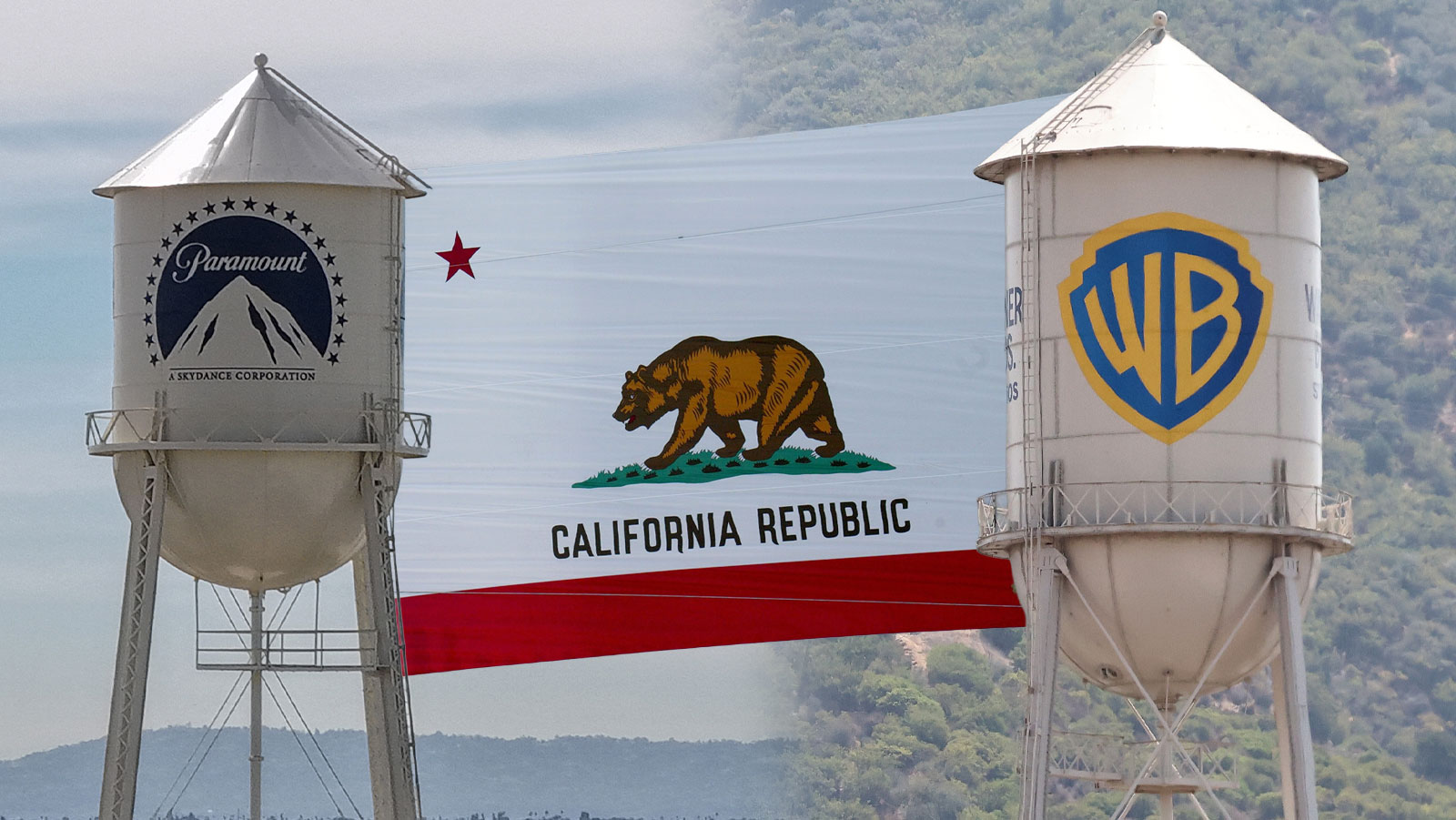
Paramount Global is actively defending its proposed merger with Warner Bros. Discovery. A coalition of states has filed an antitrust lawsuit to block this significant media consolidation. Paramount’s central argument is that preventing the deal would negatively impact entertainment workers.
This defense introduces a new dimension to the legal battle. It shifts the focus from market consolidation to the potential human cost of regulatory intervention. The company frames the merger as beneficial for industry employment, rather than solely a corporate maneuver.
The Antitrust Challenge
The antitrust lawsuit targets the proposed merger between Paramount Global and Warner Bros. Discovery. This action was initiated by several state attorneys general. Their primary concern revolves around potential anti-competitiveness within the media landscape.
Regulators often scrutinize large mergers to prevent monopolies or oligopolies. Such market structures can lead to reduced consumer choice and increased prices. The states argue that the combined entity would wield excessive market power, stifling competition in content production and distribution.
The legal challenge highlights a broader trend in government oversight of major corporate transactions. Authorities are increasingly wary of consolidation in key industries. They seek to protect consumers and smaller businesses from the adverse effects of market dominance.
Paramount’s Counter-Argument: Worker Welfare
Paramount Global’s defense strategy centers on the welfare of entertainment industry workers. The company contends that blocking the merger could lead to significant job losses. It also suggests that a failed deal might reduce overall opportunities for professionals in the sector.
This argument aims to humanize the corporate transaction. It seeks to demonstrate that the merger has tangible benefits beyond shareholder value. The company positions itself as a protector of its workforce, emphasizing the stability and growth the merger could bring.
The entertainment industry is known for its fluctuating employment landscape. Project-based work and contract roles are common. Paramount’s argument taps into these vulnerabilities, suggesting that a stronger, combined entity could offer more stable employment prospects.
The Impact on a Volatile Industry
The entertainment sector has faced numerous challenges in recent years. The rise of streaming services, evolving consumption habits, and global economic shifts have all contributed to a volatile environment. Mergers are often presented as a way to achieve economies of scale and better compete in this landscape.
Paramount’s defense suggests that the merger is not just about corporate growth. It is also about ensuring the long-term viability of content production and distribution. This, in turn, supports the livelihoods of countless writers, directors, actors, crew members, and technical staff.
The argument attempts to align the company’s business interests with public interest concerns. By focusing on employment, Paramount aims to create a more sympathetic narrative for its merger plans. This approach could influence public opinion and potentially sway judicial decisions.
The Legal Landscape of Media Mergers
Antitrust law governs mergers and acquisitions to prevent anti-competitive practices. The Department of Justice (DOJ) and the Federal Trade Commission (FTC) are the primary federal enforcers in the United States. State attorneys general can also initiate lawsuits, often in coordination with federal agencies or independently.
Major media mergers frequently attract intense scrutiny. The telecommunications and media sectors have seen significant consolidation over the past two decades. This has led to concerns about reduced diversity in media ownership and control over information.
Past examples include the merger between AT&T and Time Warner, which faced a lengthy legal battle. The court ultimately allowed that merger to proceed. Each case presents unique facts and legal arguments, making outcomes difficult to predict.
Precedents and Public Interest
Courts often consider the broader public interest when evaluating antitrust cases. This can include factors beyond mere economic efficiency. Issues like consumer welfare, innovation, and, in this case, employment impacts, can play a role.
Paramount’s argument about entertainment workers attempts to frame the merger as serving a public good. It suggests that a financially stronger combined entity would be better positioned to invest in new content, fostering creativity and job creation.
The legal system must balance these claims against potential harms. The core question remains: would the combined entity reduce competition to an extent that outweighs its purported benefits? The states argue that it would, leading to fewer choices and potentially higher costs for consumers.
The Stakes for Entertainment Workers
The entertainment industry employs millions of people globally. From pre-production to post-production, a vast ecosystem of skilled professionals contributes to content creation. Their livelihoods are directly tied to the health and stability of major studios and production companies.
A successful merger could, in theory, lead to increased investment in new projects. This would create more jobs and opportunities for workers across various disciplines. Conversely, a failed merger could result in uncertainty, layoffs, or a reduction in overall production activity.
Workers in the industry often face contract-based employment. Job security can be a significant concern. Paramount’s argument resonates with the anxieties of this workforce, suggesting that the merger offers a path to greater stability.
Union Perspectives and Industry Response
Entertainment industry unions often play a crucial role in advocating for their members. Organizations like SAG-AFTRA, the Directors Guild of America (DGA), and the Writers Guild of America (WGA) represent a significant portion of the workforce. Their stance on the merger could influence public perception and policy debates.
It remains to be seen how these unions will officially respond to Paramount’s defense. Their primary concern is typically the protection of existing jobs, fair wages, and benefits. If the merger is perceived as beneficial for these aspects, it might gain union support.
The broader entertainment industry is watching this case closely. The outcome could set a precedent for future consolidation efforts. It could also influence how companies frame their mergers in terms of societal and economic benefits.
The Future of Media Consolidation
The lawsuit against the Paramount-Warner Bros. Discovery merger is a bellwether for the future of media. Regulatory bodies are increasingly assertive in scrutinizing large-scale corporate transactions. The landscape for major mergers is becoming more challenging.
Companies planning future consolidations will likely need to develop more robust arguments. These arguments will need to address not only economic efficiencies but also broader societal impacts. The focus on entertainment workers by Paramount is an example of this evolving strategy.
The outcome of this specific case will have implications far beyond the two companies involved. It will shape regulatory expectations and corporate strategies for years to come. The balance between fostering innovation and preventing anti-competitive practices remains a central challenge.
The legal arguments continue. The corporate strategies evolve. The workers wait. The industry watches. The future of media consolidation remains in flux.