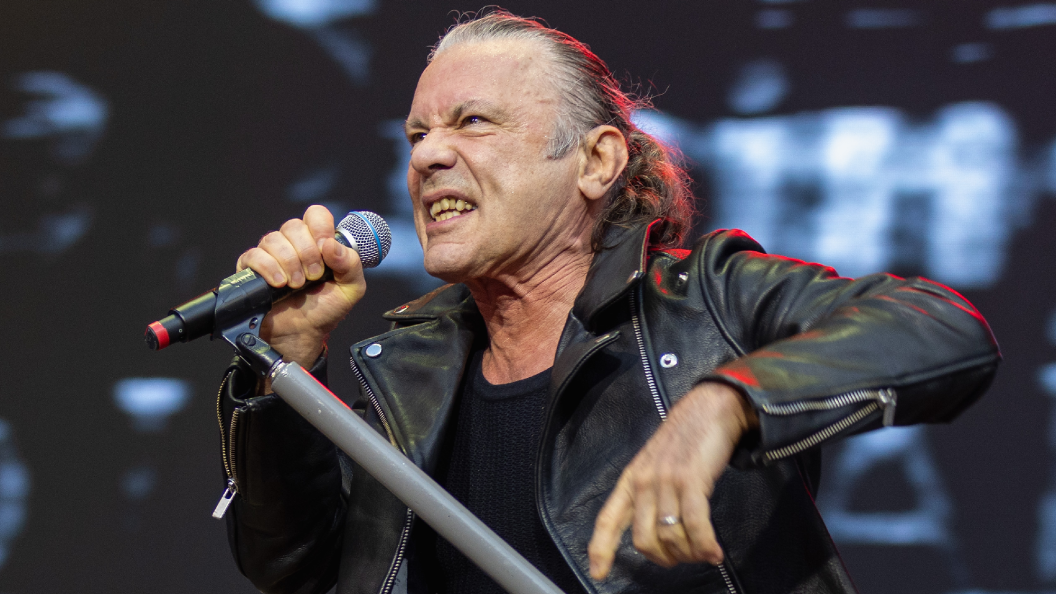
The Unseen Sacrifices of a Global Career
Bruce Dickinson, the lead vocalist for the heavy metal band Iron Maiden, has openly articulated the personal sacrifices incurred throughout his career, particularly emphasizing the impact of extensive touring on his family life. He has publicly stated that his absence during critical family moments was a direct consequence of his professional commitments, encapsulating the often-overlooked emotional cost of sustained fame.
Dickinson’s career with Iron Maiden spans decades, characterized by rigorous global tour schedules that have cemented the band’s status as one of the most influential in rock history. This demanding lifestyle, while bringing immense professional success, frequently necessitates a trade-off in personal domains.
The singer’s reflections underscore a common dilemma faced by individuals in high-profile, travel-intensive professions: the constant negotiation between career obligations and personal relationships. His candidness provides a rare insight into the private struggles that can accompany public adoration.
A Life on the Road: The Iron Maiden Itinerary
Iron Maiden’s touring history is extensive. Since Dickinson rejoined the band in 1999 after a period away, their tours have consistently spanned multiple continents and lasted for months at a time. The Brave New World Tour in 2000, for instance, saw the band perform across Europe, North America, and South America.
Subsequent tours, such as Dance of Death World Tour (2003-2004), A Matter of Life and Death Tour (2006-2007), and the immensely popular Somewhere Back in Time World Tour (2008-2009), further cemented this pattern. The latter notably involved the band’s custom-fitted Boeing 757, Ed Force One, piloted by Dickinson himself, enabling them to reach remote global destinations efficiently. The band later used a Boeing 747 for the Book of Souls world tour.
This relentless schedule, while a testament to the band’s global appeal and work ethic, inherently limits the time available for domestic life. The logistics of moving a massive production, along with the band and crew, from city to city and country to country, consume a significant portion of each year.
The band’s commitment to their fan base often means prioritizing live performances. These tours are not merely a series of concerts but complex logistical operations involving vast teams, equipment, and travel arrangements that are planned years in advance.
The Emotional Toll of Absence
Dickinson’s statement, "I was not there because I was on tour," encapsulates a specific type of regret. It speaks to missed birthdays, anniversaries, school plays, and other milestones that constitute the fabric of family life. These are moments that, once passed, cannot be reclaimed.
The emotional impact extends beyond the individual. Family members often bear the brunt of prolonged absences, adapting to a life where a parent or partner is frequently thousands of miles away. This can foster a sense of detachment, even when communication channels are maintained.
For artists like Dickinson, the stage often becomes a second home, and the band a surrogate family. However, this professional camaraderie, while fulfilling, does not fully compensate for the void left in personal relationships.
The pressure to perform at an elite level, coupled with the isolation of life on the road, can also contribute to internal struggles. Public perception often focuses solely on the glamour of celebrity, overlooking the profound personal sacrifices made behind the scenes.
Balancing Act: Career vs. Personal Life
The challenge of balancing a demanding career with a fulfilling personal life is not unique to musicians. However, the unique circumstances of global touring amplify this struggle significantly. The extended periods away from home, coupled with intense public scrutiny, create a distinct set of pressures.
Many public figures grapple with this dichotomy. Actors filming on location for months, politicians constantly on the campaign trail, and business executives managing international operations often report similar experiences of familial strain due to professional commitments.
Dickinson’s openness on this subject serves to humanize the celebrity experience. It demonstrates that even individuals who achieve immense professional success and adoration face universal human challenges related to personal well-being and relationships.
The narrative surrounding fame often overlooks these intricate personal battles. It focuses instead on accomplishments, accolades, and public appearances, creating a one-dimensional view of a complex existence.
The Evolution of a Rock Icon
Bruce Dickinson’s career is marked by periods of both intense commitment to Iron Maiden and ventures into other fields. Beyond his vocal duties, he is a commercial airline pilot, an author, a broadcaster, and an entrepreneur.
These diverse pursuits, while showcasing his multifaceted talents, also speak to a personality driven by ambition and a desire for constant engagement. Each of these roles, particularly his piloting career, demands significant time and dedication, further complicating the balance with personal life.
His autobiography, "What Does This Button Do?," published in 2017, offers a comprehensive look into his life and career, including insights into the challenges and triumphs he has experienced. Such reflections often provide a more nuanced understanding of the journey to iconic status.
Dickinson’s continued relevance in the music industry, coupled with his various other professional endeavors, illustrates a life lived at full throttle. This intensity, while contributing to his legendary status, inherently comes with its own set of personal costs.
Reflections from Other Artists
Dickinson is not alone in articulating these sentiments. Numerous musicians have spoken about the difficulties of maintaining relationships and family ties while pursuing a career that demands constant travel and public presence. The music industry, by its very nature, often requires artists to be away from home for extended periods.
Artists frequently cite the loneliness of hotel rooms, the disconnect from everyday life, and the struggle to integrate back into domestic routines after months on the road. These accounts collectively paint a picture of a profession that, while rewarding, extracts a significant personal price.
The romanticized image of the touring musician often overshadows the mundane and challenging aspects of life on the road. The constant movement, varying time zones, and irregular schedules can be physically and emotionally draining, impacting not only the artist but their support systems at home.
These shared experiences among musicians highlight a systemic challenge within the industry, where the demands of global performance often clash with the needs of personal and family life.
The Enduring Legacy
Despite the personal sacrifices, Bruce Dickinson and Iron Maiden have built an enduring legacy. Their music continues to resonate with millions of fans globally, and their live performances remain a benchmark for heavy metal acts.
The band’s commitment to their art and their audience has been unwavering. This dedication, while personally costly, has resulted in a body of work and a touring history that few bands can match. The very nature of this success is intertwined with the sacrifices made.
Dickinson’s reflections serve as a reminder that behind every public triumph, there are private challenges. His story is a testament to the complexities of a life lived in the spotlight, where professional achievements often come with a profound personal cost.
The echoes of distant crowds. The blur of countless cities. The quiet of an empty home.
Sacrifice.