Tag: White House

  • Broadcast Networks Weigh Primetime Coverage of President Trump’s Speech Amid Speculation

    Broadcast Networks Weigh Primetime Coverage of President Trump’s Speech Amid Speculation

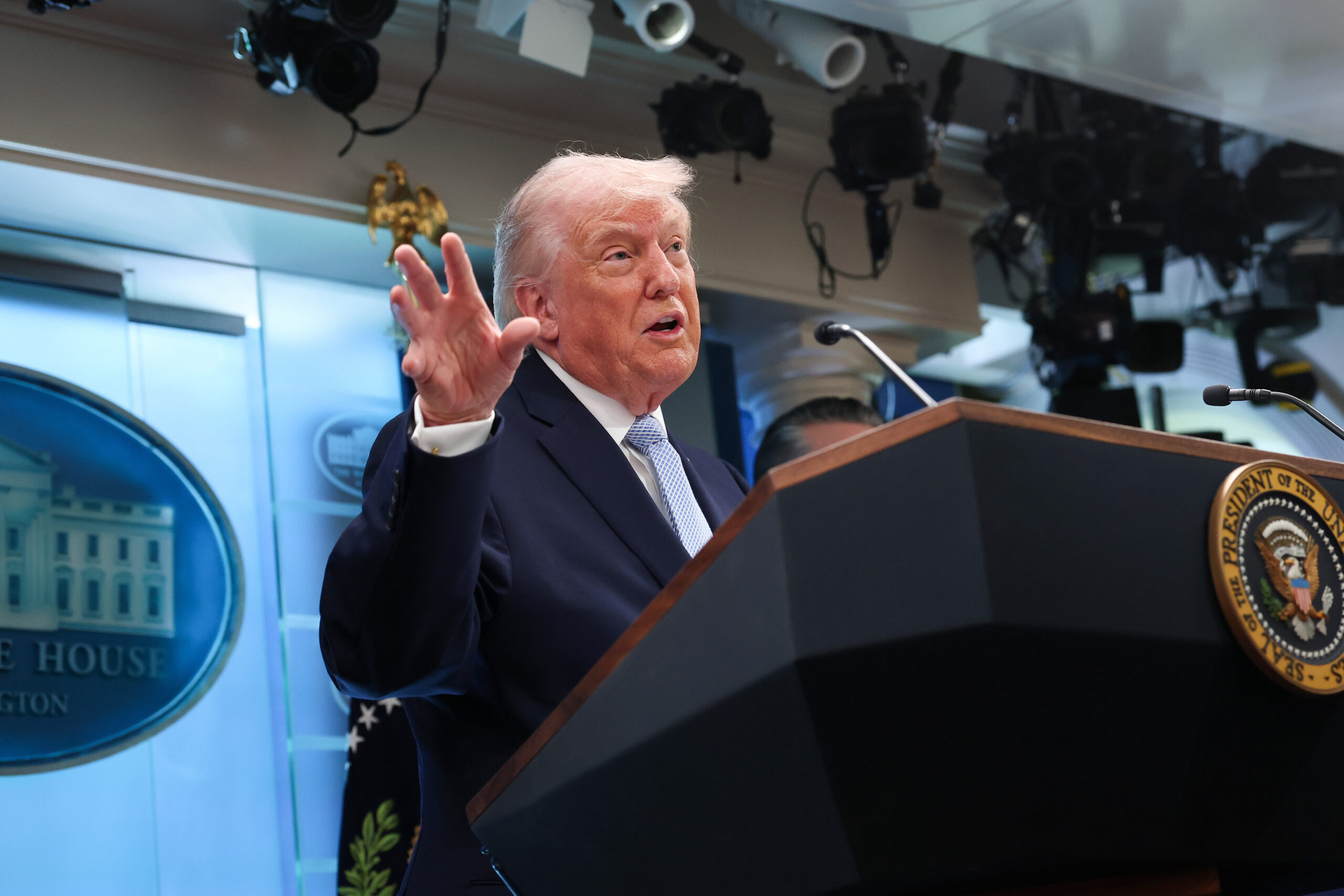
    Major broadcast networks are currently evaluating whether to carry President Trump’s upcoming primetime speech, a decision influenced by early reports suggesting the address may focus on claims of a ‘stolen election.’ This assessment by networks like ABC, CBS, and NBC involves weighing editorial standards, public interest, and the precedent set by past presidential addresses against the potential for controversial content.

    The possibility of a primetime address from the sitting President of the United States typically triggers a review process across major news organizations. This process determines not only if the speech will be aired live but also the extent of pre- and post-speech analysis provided to viewers.

    The Precedent of Presidential Addresses

    Historically, addresses by the President of the United States often receive automatic carriage by major broadcast networks, especially during significant national events or crises. These speeches are considered matters of national importance, warranting direct communication from the nation’s leader to the populace.

    However, this tradition is not absolute. Networks retain editorial control and have, on occasion, chosen not to provide live, uninterrupted coverage for addresses deemed overtly political or lacking newsworthy content beyond partisan rhetoric.

    Presidential addresses often serve multiple purposes. They can inform the public on policy, rally support for initiatives, or provide reassurance during times of uncertainty. The decision to grant a primetime slot reflects the perceived weight and urgency of the message.

    Network Editorial Considerations

    The decision-making process for broadcast networks is multifaceted. News divisions consider:

    • The topic and its relevance to a broad public audience.
    • The potential for new information or significant policy announcements.
    • The need for balanced coverage, potentially including fact-checking or counter-perspectives.
    • The disruption to regularly scheduled programming, which carries significant financial implications due to advertising revenue.

    Reports indicating the speech’s potential focus on ‘stolen election’ claims introduce an additional layer of scrutiny. Such claims have been a point of contention and debate, often requiring extensive contextualization and fact-checking by news organizations.

    The ‘Stolen Election’ Narrative

    The narrative surrounding a ‘stolen election’ refers to allegations of widespread voter fraud and irregularities in the November 2024 presidential election. These claims have been a recurring theme in certain political circles since the election results were certified.

    Multiple investigations, audits, and court challenges following the 2024 election did not uncover evidence of widespread fraud sufficient to alter the election’s outcome. This has led many news organizations to approach such claims with caution, often providing disclaimers or factual corrections.

    For networks, airing unverified or disproven claims without immediate context presents a challenge. The balance lies between providing a platform for the President’s message and upholding journalistic standards of accuracy and objectivity.

    Impact on Public Discourse

    The decision of broadcast networks significantly influences public discourse. Primetime coverage ensures a wide audience for the President’s message. Conversely, a lack of carriage can limit the reach of the address, particularly among demographics who rely on traditional television for news.

    The media landscape has diversified significantly in recent years. While broadcast networks remain influential, cable news channels, streaming platforms, and social media offer alternative avenues for presidential communication. However, the reach of traditional broadcast television during primetime remains unparalleled for a national address.

    Past Presidential Speeches and Network Responses

    Throughout American history, presidents have used the power of primetime television to address the nation. Franklin D. Roosevelt’s ‘fireside chats’ established a direct line of communication with the public, a model later adapted for television.

    More recently, presidents have frequently utilized primetime slots for State of the Union addresses, declarations of war, or responses to national crises. The expectation has often been that networks would provide coverage as a public service.

    However, instances exist where networks have exercised discretion. During President Trump’s previous term, some networks chose to cut away from or provide immediate fact-checks during certain speeches or rallies where claims were made that contradicted established facts.

    The Role of Media Gatekeeping

    The current situation highlights the concept of media gatekeeping. Gatekeeping refers to the process by which information is filtered for dissemination, whether by print, broadcast, or online media. In this context, networks act as gatekeepers, deciding what information reaches the mass public through their platforms.

    Critics of media gatekeeping argue that it can lead to censorship or a biased presentation of information. Proponents argue it is a necessary function to ensure accuracy, context, and the responsible dissemination of news, especially in an era of rapid information spread.

    The balance between providing a platform for the President and maintaining journalistic integrity is a constant negotiation for news organizations. This negotiation becomes particularly acute when the content of an anticipated speech is known to be potentially controversial or factually disputed.

    The Evolving Media Landscape

    The media environment of 2026 is vastly different from previous decades. Social media platforms allow for direct communication from the President to millions of followers without traditional media intermediaries.

    This shift has altered the dynamics of news dissemination. While broadcast networks still command significant audiences, the President’s message can bypass them entirely through platforms like X (formerly Twitter), Facebook, and YouTube.

    However, the legitimacy and reach conferred by a traditional primetime broadcast remain highly valued. A network decision to carry or not carry a speech is therefore still a significant statement, both politically and journalistically.

    Potential Outcomes of Network Decisions

    Should networks decide against carrying the speech live, President Trump could still deliver his address via alternative channels. These include:

    • Cable news networks, many of which may opt for live coverage.
    • The White House’s official social media channels and website.
    • Independent news outlets and online platforms.

    Conversely, if networks choose to air the speech, they may do so with specific editorial caveats. This could involve:

    • Pre-speech disclaimers about anticipated content.
    • Post-speech fact-checking segments.
    • Panel discussions offering diverse perspectives and analysis.

    Each network’s decision will be watched closely by political observers, media critics, and the public. It will reflect their individual editorial policies and their assessment of the speech’s public value versus its potential for controversy.

    The Public’s Right to Know vs. Editorial Responsibility

    At the heart of the network’s decision is the tension between the public’s right to hear directly from their elected leader and the media’s responsibility to provide accurate, contextualized information. This tension is a cornerstone of a free press in a democratic society.

    The public relies on news organizations to filter and contextualize information, especially on complex or contentious issues. When a presidential address touches upon subjects that have been widely debunked or are highly polarizing, the media’s role becomes even more critical.

    Network executives, news directors, and editorial boards are currently engaged in these deliberations. They are weighing the potential impact of their decisions on their audience, their journalistic credibility, and the broader political discourse.

    The debate over presidential access to primetime television is not new. It has evolved with each technological advancement and each political era. The current discussion around President Trump’s potential speech represents another chapter in this ongoing dialogue.

    The anticipation builds. The networks deliberate. The public awaits. The outcome will shape the evening’s news cycle.
  • President Trump’s Urgent Plea: Aftermath of Iranian Attack on US Troops

    President Trump’s Urgent Plea: Aftermath of Iranian Attack on US Troops

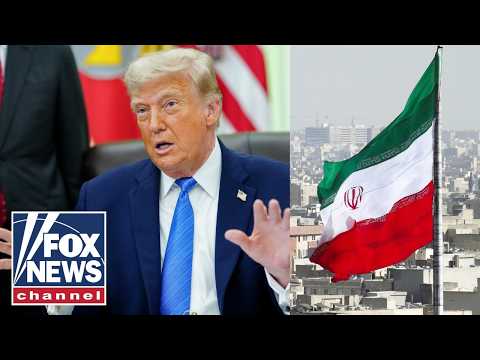
    President Trump issued an urgent plea to the nation following an Iranian attack that resulted in the deaths of US troops, emphasizing the critical need for national unity and a decisive response to protect American interests and personnel abroad. The attack marks a serious escalation in the long-standing tensions between the United States and Iran, drawing immediate international attention and raising concerns about regional stability.

    The plea delivered by President Trump on July 19, 2026, underscored the severity of the incident. It called for solidarity in the face of aggression. This event has initiated a period of heightened alert and strategic re-evaluation within the White House and the Pentagon.

    The Attack and Immediate Aftermath

    Details surrounding the Iranian attack remain under investigation. Initial reports confirm that US service members were killed in a targeted strike. The exact location of the attack has not been publicly disclosed, but it occurred in a region where US forces are regularly deployed for various operations, including counter-terrorism and regional security missions.

    The Pentagon confirmed the casualties shortly before President Trump’s address. Secretary of Defense Pete Hegseth stated that all necessary measures were being taken to assess the situation and ensure the safety of remaining personnel. Vice President JD Vance also issued a statement condemning the attack, reiterating the administration’s commitment to protecting American lives.

    Emergency meetings were convened at the White House. National Security Advisor Michael R. Chen, Secretary of State Marco Rubio, and Chairman of the Joint Chiefs of Staff General Dan Caine were present. Discussions focused on potential retaliatory actions and diplomatic strategies to de-escalate the broader conflict while addressing the immediate threat.

    President Trump’s Urgent Plea

    President Trump’s plea was broadcast from the Oval Office. He addressed the nation directly, expressing condolences to the families of the fallen service members. His tone was resolute, balancing grief with a clear message of determination.

    The President emphasized the unprovoked nature of the attack. He vowed that those responsible would be held accountable. He called upon all Americans to unite in support of the military and the nation’s values.

    Key themes of his address included national resolve, the defense of American sovereignty, and the protection of personnel deployed overseas. He highlighted the ongoing challenges posed by state-sponsored terrorism and regional instability, specifically referencing Iran’s role.

    “Today, our nation mourns the loss of brave Americans who made the ultimate sacrifice,” President Trump stated. “This act of aggression will not go unanswered. We will defend our people, our interests, and our allies with every fiber of our being.”

    The plea also touched upon the importance of international cooperation. President Trump indicated that he had been in contact with leaders of allied nations. These discussions aimed to forge a united front against such acts of aggression.

    Historical Context of US-Iran Tensions

    The relationship between the United States and Iran has been fraught with tension for decades. The 1979 Iranian Revolution and the subsequent hostage crisis marked a significant turning point. Since then, periods of diplomatic engagement have often been overshadowed by geopolitical rivalries and proxy conflicts.

    Under previous administrations, efforts to contain Iran’s nuclear program and its regional influence have been central to US foreign policy. The 2015 Joint Comprehensive Plan of Action (JCPOA), commonly known as the Iran nuclear deal, was a landmark agreement aimed at preventing Iran from developing nuclear weapons in exchange for sanctions relief.

    President Trump withdrew the United States from the JCPOA in 2018 during his first term. This decision led to the re-imposition of stringent economic sanctions on Iran. Iran, in turn, began to incrementally violate the terms of the agreement, increasing its uranium enrichment activities.

    The period following the US withdrawal saw a series of escalations. These included attacks on oil tankers in the Persian Gulf, drone incidents, and rocket attacks on facilities housing US personnel in Iraq. The killing of Iranian General Qasem Soleimani in January 2020 by a US drone strike further intensified hostilities.

    Throughout 2025 and into 2026, intelligence reports consistently warned of increased Iranian activity in the region. This included support for various proxy groups and continued development of ballistic missile capabilities. These actions have been viewed by the US and its allies as destabilizing.

    Geopolitical Implications and Regional Stability

    The recent attack and President Trump’s subsequent plea have immediate and far-reaching geopolitical implications. The Middle East remains a volatile region, with numerous ongoing conflicts and power struggles.

    One primary concern is the potential for a broader regional conflict. Iran’s network of proxy groups, including Hezbollah in Lebanon, various militias in Iraq and Syria, and the Houthi movement in Yemen, could be activated in response to any US retaliation. This could draw other regional powers, such as Saudi Arabia and Israel, into direct confrontation.

    Oil markets reacted immediately to the news. Global crude oil prices saw a significant spike, reflecting investor concerns about supply disruptions in the Persian Gulf, a critical chokepoint for international energy trade. This economic impact further complicates the situation.

    Diplomatic efforts are underway to prevent an uncontrolled escalation. United Nations Secretary-General António Guterres called for restraint from all parties. He urged a peaceful resolution to the crisis. European leaders, including French President Emmanuel Macron and German Chancellor Friedrich Merz, have also expressed deep concern and offered mediation.

    National Security Posture and Domestic Response

    Domestically, the attack has galvanized public opinion. Calls for a strong response are balanced by concerns about the potential for prolonged military engagement. The incident has reignited debates about US foreign policy in the Middle East and the deployment of American troops abroad.

    The Department of Homeland Security has increased its alert levels. While no specific threats to the US homeland were immediately identified, precautionary measures were enacted. These measures aim to enhance security at critical infrastructure and public venues.

    Congressional leaders from both parties expressed bipartisan condemnation of the attack. Senate Majority Leader John Thune and House Speaker Mark Jefferson issued joint statements. They pledged support for the President’s efforts to protect American forces and respond decisively.

    Veteran organizations and military families have voiced their sorrow and anger. They demand justice for the fallen. Protests and vigils are being organized in several major US cities, highlighting the human cost of international conflicts.

    Future Outlook and Potential Responses

    The coming days and weeks will be crucial in determining the trajectory of US-Iran relations. The Trump administration faces complex choices. These choices range from targeted military strikes to intensified diplomatic pressure and economic sanctions.

    One potential response involves a direct military reprisal against Iranian military assets or those of its proxy groups deemed responsible for the attack. Such actions carry the risk of further escalation, potentially leading to a full-scale conflict.

    Another option involves a coordinated international response, leveraging diplomatic and economic pressure from a coalition of allies. This approach would aim to isolate Iran further and compel it to cease its aggressive actions without resorting to direct military confrontation.

    The administration’s strategy will likely involve a combination of these elements. The objective will be to deter future attacks while minimizing the risk of a wider war. The ultimate goal is to restore a measure of stability to the region.

    The situation remains fluid. The international community watches closely. The American public awaits further developments. President Trump’s urgent plea reflects the gravity of the moment.

    Families mourn. Politicians strategize. The world watches.

    Washington.

  • President Trump to Release Election Integrity Findings in Major Speech

    President Trump to Release Election Integrity Findings in Major Speech

    President Trump is slated to deliver a major speech that will address election integrity, according to a White House announcement made on July 16, 2026. This address is expected to include the release of significant ‘findings’ related to the November 2024 election. The forthcoming speech underscores ongoing national dialogue concerning electoral processes and the public’s confidence in their outcomes.

    The announcement from the White House did not specify the exact date or location of the speech. Details regarding the nature of the ‘findings’ also remain unreleased. The administration indicated that further information would be provided in the coming days.

    The Context of Election Integrity Discussions

    Discussions surrounding election integrity have been a prominent feature of the American political landscape for several years. These conversations often involve various aspects of the electoral system. Topics include voter registration, ballot access, voting machine security, and post-election auditing processes.

    Following the November 2024 election, several states undertook reviews of their election procedures. These reviews were often driven by public calls for increased transparency. They aimed to address concerns about the fairness and accuracy of vote tabulation.

    Previous Calls for Electoral Review

    President Trump has consistently advocated for what he terms ‘election integrity’ measures. His previous campaigns and administrations frequently highlighted perceived vulnerabilities in the voting system. These concerns often centered on issues such as mail-in balloting and electronic voting systems.

    In the lead-up to the 2024 election, numerous state legislatures passed new laws. These laws aimed to modify election administration. Some measures tightened voter identification requirements. Others expanded opportunities for early voting or adjusted ballot drop-off procedures. Each change generated debate among political parties and advocacy groups.

    Anticipation for the White House Address

    The White House announcement on July 16, 2026, has intensified public and media interest. Political analysts are speculating on the content and implications of President Trump’s forthcoming speech. The term ‘findings’ suggests a presentation of data or conclusions drawn from investigations.

    Media outlets are preparing for extensive coverage. News organizations are expected to analyze the presented information. They will also assess its potential impact on future election legislation and public discourse. Social media platforms are already abuzz with commentary from various political perspectives.

    Potential Themes of the Speech

    While specific details are scarce, the speech is anticipated to cover several key themes. These may include:

    • Analysis of voting patterns and anomalies from the 2024 election.
    • Recommendations for federal or state-level election reforms.
    • Critiques of existing election administration practices.
    • Proposals for enhanced voter identification and verification systems.
    • Discussion of the role of technology in securing electoral processes.

    The administration has maintained a focus on ensuring public trust in elections. This speech is positioned as a continuation of that commitment. It aims to provide a comprehensive overview of the administration’s perspective on electoral fairness.

    The Role of the White House in Election Discourse

    The White House plays a significant role in shaping national conversations. Presidential addresses often set the agenda for public debate. President Trump’s decision to personally deliver these ‘findings’ elevates their perceived importance.

    The administration has previously used its platform to advocate for specific policy initiatives. This includes matters related to voting rights and election security. The upcoming speech is consistent with this pattern of direct presidential engagement on critical national issues.

    Public and Political Reactions

    Reactions to the announcement have been varied. Supporters of President Trump have expressed anticipation for the release of new information. They view the speech as a necessary step towards improving electoral integrity.

    Political opponents and critics have voiced concerns. They question the timing and motivation behind such an announcement. Some suggest it may further politicize an already contentious topic. Others call for verifiable evidence to support any claims made during the speech.

    Election officials across the country are also monitoring the situation. They often operate under strict state and federal guidelines. Any federal recommendations could influence their future practices and resource allocation.

    The November 2024 Election: A Review

    The November 2024 election saw significant voter turnout across the United States. It featured races for various federal, state, and local offices. Post-election audits and recounts were conducted in several jurisdictions, as is standard practice.

    These processes are designed to ensure the accuracy of reported results. They often involve manual verification of ballots. They also include cross-referencing voting machine counts with paper records. The integrity of these audits is crucial for public confidence.

    Ongoing Legal and Legislative Actions

    Following the 2024 election, a number of legal challenges were filed. These challenges contested aspects of the election results or procedures. Courts at various levels reviewed these cases. Most were resolved through established legal channels.

    Legislative bodies at the state level have continued to debate election law changes. These debates often reflect partisan divides. They highlight differing philosophies on how best to balance voter access with security measures.

    Looking Ahead: The Impact of the Speech

    The upcoming speech by President Trump is poised to be a significant event. It will likely reignite discussions about election integrity. It could also influence future legislative efforts at both federal and state levels.

    The nature of the ‘findings’ will be critical. If they present new, verifiable data, they could reshape parts of the national conversation. If they reiterate previously debated points, their impact might be more limited to reinforcing existing viewpoints.

    The administration’s communication strategy around the speech will also be important. Clarity and transparency regarding the presented information will be key. This will help to ensure that the public and media can accurately assess the claims.

    The nation waits. The White House prepares. The public anticipates. The political landscape shifts. Washington.

  • From Music Row to the West Wing – How a Country Star Secured a White House Leadership Role

    From Music Row to the West Wing – How a Country Star Secured a White House Leadership Role

    In a definitive shift from entertainment to executive influence, a prominent country music star has officially been appointed to a formal leadership role within the White House administration, serving as a cultural liaison and policy advisor for heartland initiatives. This move marks the first time a Nashville artist has transitioned from performing at state dinners to actively shaping federal policy from within the West Wing. The appointment bridges the historical gap between Music Row and Pennsylvania Avenue. It signals a profound realignment of cultural power. Middle America has long felt disconnected from coastal policy centers. Now, that demographic has a direct representative in the room where decisions are made.

    The Nashville-Washington Pipeline

    The relationship between country music and the presidency is not new. It is, however, historically ceremonial. Presidents have long understood the optics of aligning with Nashville. The invitation used to be simple. Arrive at the White House. Play a few acoustic songs for a state dinner. Shake hands with the Commander in Chief. Return to Tennessee.

    The dynamic was established decades ago. On April 17, 1970, Richard Nixon invited Johnny Cash to perform at the White House. Nixon requested conservative anthems like “Okie from Muskogee.” Cash politely declined. He played “What Is Truth” instead. The moment defined the relationship. The artist was a guest, but a defiant one. Jimmy Carter leaned heavily on the Allman Brothers and Willie Nelson to secure his populist appeal. Ronald Reagan awarded Merle Haggard the keys to the cultural kingdom. George W. Bush hosted George Strait. Barack Obama honored Loretta Lynn.

    Through every administration, the boundary remained intact. The artists provided the soundtrack. The politicians wrote the policy. That boundary has now collapsed.

    Moving from Performance to Policy

    The modern era demands more than a song. Working-class voters are facing complex, existential threats. Rural broadband remains fractured. Agricultural subsidies are constantly under threat. The opioid epidemic has hollowed out the very towns that country music romanticizes. Singing about the struggle is no longer sufficient. Action is required.

    The shift began subtly. Artists started showing up in committee rooms instead of concert halls. In January 2024, country-rap artist Jelly Roll, born Jason DeFord, sat before the Senate Banking, Housing, and Urban Affairs Committee. He did not bring a guitar. He brought testimony. He advocated for the FEND Off Fentanyl Act. He spoke as a former dealer and a rehabilitated citizen. He commanded the room. Lawmakers listened. The testimony proved that Nashville figures could articulate the pain of the heartland better than career lobbyists.

    This new White House leadership role is the natural evolution of that moment. It formalizes the influence. It places a country star at the head of a table rather than at the microphone.

    The Cultural Defense Doctrine

    For the audience, this appointment is deeply personal. It is a validation of their cultural values. Country music is not just a genre. It is an identity. It represents faith, family, agricultural endurance, and working-class resilience. For decades, the consumers of this culture have watched coastal elites mock their traditions. They have seen Hollywood actors appointed to prestigious federal arts endowments. They have watched their values sidelined in federal budget discussions.

    This appointment changes the narrative. It is a form of cultural defense. When a country star takes a leadership role in the administration, it sends a clear signal to the heartland. Your voice matters. Your lifestyle is recognized. Your concerns are federal priorities.

    The Economic Weight of the Heartland

    The political calculation behind this appointment is backed by staggering economic data. Nashville is not just a cultural hub. It is a financial juggernaut. The music industry in Tennessee generates over $5.5 billion in annual GDP impact. It employs tens of thousands of blue-collar workers. Truck drivers. Riggers. Sound engineers. Venue staff. Lighting technicians.

    When a country star speaks in the White House, they are not just speaking as an entertainer. They are speaking as the CEO of a massive working-class enterprise. They understand the logistics of interstate commerce. They understand the impact of fuel prices on a touring fleet. They understand the healthcare struggles of independent contractors. They bring a granular, boots-on-the-ground economic perspective that ivy-league economists often lack.

    The Responsibilities of the New Role

    A White House leadership role is not ceremonial. It requires rigorous engagement. The responsibilities are dense. Advisory committees operate under strict federal guidelines. The role involves drafting memorandums. It involves reviewing budget allocations for rural arts programs. It requires interfacing with the Office of Public Liaison.

    The artist will likely co-chair initiatives focused on rural revitalization. They will advise the administration on veterans affairs. Country music has an intrinsic, unbreakable bond with the United States military. Artists like Trace Adkins and Craig Morgan have spent decades working with the USO and veteran advocacy groups. Bringing that expertise into the executive branch streamlines the connection between the Department of Veterans Affairs and the communities it serves.

    • Policy Advisement: Providing direct feedback on how federal initiatives impact rural communities.
    • Cultural Preservation: Ensuring that heartland arts and traditions receive equitable federal funding.
    • Public Liaison Duties: Serving as a trusted communicator between the administration and working-class demographics.
    • Crisis Management: Advising on community-level responses to issues like the fentanyl crisis and rural hospital closures.

    Industry Reaction on Music Row

    The reaction in Nashville has been seismic. Music Row is a divided town. It is split between traditionalists who value authenticity and modern pop-country managers who fear political polarization. The appointment has forced the industry to pick a side.

    Traditionalists are celebrating. They view this as the ultimate triumph of country music’s core ethos. They see it as proof that the genre has outgrown its regional constraints. Pop-country executives are more cautious. They worry about alienating crossover audiences. They worry about the inevitable backlash from opposing political factions.

    “You cannot sing about the working man for twenty years and then refuse to help him when you are handed the pen. This is what authenticity looks like.”

    Ultimately, authenticity is the only currency that matters in country music. The audience can spot a fraud from a mile away. Stepping into the arena of federal policy is risky. It exposes the artist to relentless scrutiny. But the willingness to take that risk is exactly what endears them to their base.

    The Future of Administrative Appointments

    This appointment sets a powerful precedent. It breaks the monopoly that traditional political insiders have held over cultural advisory roles. It opens the door for other unconventional leaders to step forward. If a country star can effectively manage a White House leadership role, the criteria for administrative appointments will permanently shift.

    The focus will move from academic pedigree to lived experience. The administration will seek out individuals who have actually navigated the challenges they are tasked with solving. A farmer advising on agriculture. A veteran advising on deployment trauma. A country singer advising on the cultural health of the nation.

    A New Era of Representation

    The implications will outlast the current administration. Future presidents, regardless of party affiliation, will have to reckon with this new standard. They will no longer be able to ignore the heartland when building their advisory councils. The blueprint has been drawn.

    The transition is complete. The stage has been traded for the Situation Room. The lyrics have become legislation. The audience feels seen. The heartland has a seat at the table. Washington.