Tag: Washington

  • Trump Considers Withdrawing Blanche Nomination Amidst Senate Limbo

    Trump Considers Withdrawing Blanche Nomination Amidst Senate Limbo

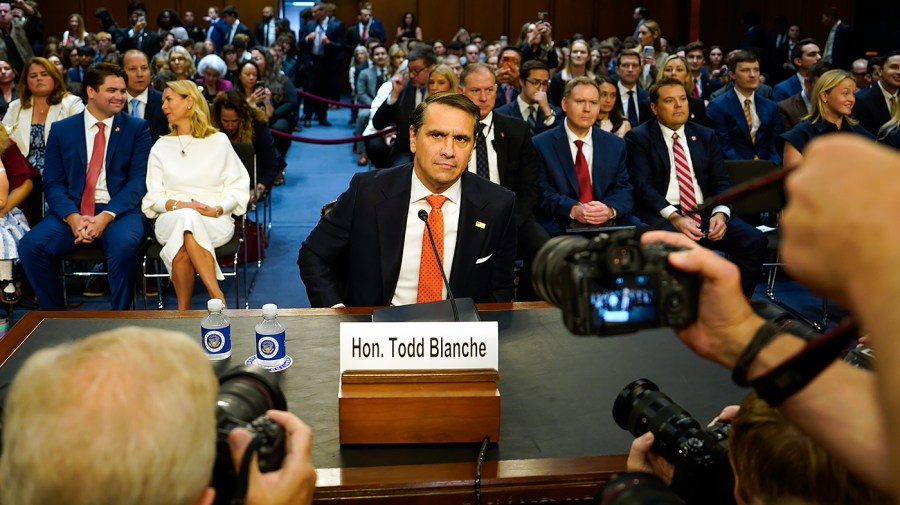
    President Donald Trump has indicated a potential move to withdraw Todd Blanche’s nomination for Attorney General. This nomination has been stalled in the United States Senate since its submission in April 2026. The suggestion points to ongoing political maneuvering and growing frustration within Washington D.C. regarding executive appointments, particularly judicial ones. The potential withdrawal highlights the persistent challenges of judicial confirmations in the current political climate.

    The Eleventh Circuit covers Alabama, Florida, and Georgia. It handles a significant caseload. A vacant seat can strain the court’s resources and impact the pace of justice.

    The Stalled Nomination of Judge Blanche

    Todd Blanche’s nomination has faced an unusually protracted delay. The nomination was submitted by President Trump in April 2026. It has remained in what is commonly referred to as ‘Senate limbo’ since that time.

    Typically, judicial nominations move through the Senate Judiciary Committee within a few months. Blanche’s nomination has yet to receive a committee hearing. It has also not received a vote from the committee or the full Senate.

    Judge Blanche is a sitting federal district judge. The individual was nominated to fill a vacancy on the influential Eleventh Circuit. This court is critical for legal precedent in the southeastern United States.

    The specific details of the Senate’s hesitation have not been publicly disclosed. The lack of public explanation contributes to the perception of a stalled process. This delay prevents the administration from filling a critical judicial vacancy.

    Understanding Senate Confirmation Process

    The Senate confirmation process for presidential nominees is a critical aspect of American governance. It requires a majority vote in the Senate for most executive branch appointments. This includes cabinet secretaries, ambassadors, and federal judges.

    Nominations can face delays due to various factors. Partisan opposition is one common reason. Procedural hurdles can also cause slowdowns. A lack of legislative priority for a specific nomination can also contribute to delays.

    When a nomination remains in ‘limbo,’ it typically means one of two things. Either it has been referred to a Senate committee but has not yet received a hearing or a vote. Or, it has cleared committee but awaits a full Senate vote.

    Such delays can last for weeks or even months. They prevent the administration from filling key positions. This can impact government functionality and the efficiency of the judicial system.

    The process is designed to provide a check on executive power. It ensures that nominees are thoroughly vetted. However, it can also become a tool for political obstruction. This is especially true in periods of narrow partisan majorities.

    Historical Context of Judicial Nominations

    Judicial nominations have historically been contentious. The balance of power on federal courts is a significant political prize. Presidents often seek to appoint judges who align with their judicial philosophy.

    The Senate, in turn, scrutinizes these nominees. Senators consider qualifications, temperament, and judicial ideology. The process has become increasingly politicized over recent decades.

    Major shifts in court composition often follow presidential elections. The stakes are particularly high for lifetime appointments to federal appellate courts and the Supreme Court. The Eleventh Circuit is one of the busiest federal appellate courts.

    Past administrations have faced similar challenges. President George W. Bush encountered significant resistance to some judicial nominees. President Barack Obama also saw many of his nominees delayed or blocked.

    The current environment in 2026 continues this trend. The Senate’s narrow majority amplifies the impact of partisan divisions. Every vote becomes critical in the confirmation process.

    Implications of a Potential Withdrawal

    A presidential decision to withdraw a nomination is not unprecedented. It can occur for several reasons. A nominee’s inability to secure sufficient support is one common cause. The discovery of new information about the nominee can also lead to withdrawal.

    A shift in the administration’s policy objectives might also prompt such a move. In 2023, former President Joe Biden withdrew several judicial nominees. This occurred after prolonged Senate inaction on those nominations.

    In this instance, President Trump’s suggestion of a potential withdrawal holds multiple interpretations. It could be a tactic to pressure the Senate into action. The implication is that if the Senate does not act, they risk losing the opportunity to confirm this specific nominee.

    It might also be a prelude to nominating an alternative candidate. Such a candidate might be perceived as more likely to garner quicker approval. This move underscores the power dynamics between the executive branch and the legislative branch in the appointment process.

    A withdrawal could also signal a strategic recalibration by the White House. They might aim to conserve political capital. This capital could then be used for other legislative priorities or future nominations.

    Impact on Judicial Vacancies

    The continued vacancy on the Eleventh Circuit has practical consequences. It can increase the workload for the remaining judges. This can lead to delays in case processing. It can also impact the consistency of legal rulings.

    The Eleventh Circuit covers a vast geographic area. It addresses a wide range of complex legal issues. These include civil rights, environmental law, and business disputes.

    Filling judicial vacancies is a priority for any administration. It ensures the efficient functioning of the federal judiciary. Prolonged vacancies can create backlogs and undermine public confidence in the justice system.

    President Trump’s administration seeks to shape the federal judiciary. This involves appointing judges who interpret the Constitution in a specific manner. Delays like Blanche’s nomination impede this objective.

    Political Context in 2026

    The political landscape in 2026 continues to present challenges for presidential administrations. Filling key roles remains a complex endeavor. The Senate, currently with a narrow majority, faces increasing partisan divisions. These divisions significantly affect the confirmation process.

    This environment often leads to extended vetting periods. It also creates potential roadblocks for appointments. This applies even to nominations that might otherwise be considered routine.

    The current situation with Judge Blanche’s nomination highlights these ongoing tensions. Delays and potential withdrawals are becoming more common. This reflects the complexities of navigating legislative approval. This occurs particularly in a highly polarized political environment.

    The White House faces pressure to ensure its judicial appointments are confirmed efficiently. This is crucial for shaping the federal judiciary according to its vision. The executive branch must balance its desires with the realities of Senate procedure.

    Future of Judicial Appointments

    The trend of contentious judicial appointments is likely to continue. Both parties view judicial appointments as critical. They are seen as a means to influence legal and social policy for decades.

    Presidents will continue to seek nominees who align with their ideologies. The Senate will continue to exercise its constitutional role of advice and consent. This dynamic often results in prolonged battles over judicial seats.

    The possibility of a presidential withdrawal adds another layer to this dynamic. It can be a powerful negotiating tool. It can also signal a willingness to pivot to new strategies.

    The outcome for Judge Blanche’s nomination will set a precedent. It will illustrate the current state of play between the White House and the Senate. It will also show the limits of executive power in a divided government.

    The Broader Implications for Governance

    The challenges in confirming judicial nominees extend beyond individual appointments. They reflect broader issues in American governance. The ability of the government to function effectively depends on filling key positions.

    When the confirmation process becomes overly politicized, it can hinder governmental operations. This can affect the judiciary, the executive branch, and even the legislative agenda.

    The interaction between the President and the Senate is a foundational aspect of the U.S. system of checks and balances. When this interaction is strained, it impacts the entire system. The current situation with Judge Blanche is a microcosm of these larger tensions.

    The resolution of this specific nomination will be observed closely. It will offer insights into the strategies employed by both the White House and the Senate in 2026. It will also indicate the potential for future cooperation or continued gridlock.

    The President suggested. The Senate stalled. The judiciary waited. The nation watched.


  • Zelenskyy Calls Trump Meeting ‘Good’ Amidst Ukraine War Diplomacy

    Zelenskyy Calls Trump Meeting ‘Good’ Amidst Ukraine War Diplomacy

    Ukrainian President Volodymyr Zelenskyy characterized his recent meeting with U.S. President Donald Trump as ‘good.’ This assessment was shared publicly amidst continuous international diplomatic efforts focused on the ongoing conflict in Ukraine. Zelenskyy’s brief but positive remark provides a glimpse into the nature of the high-level discussions.

    The interaction took place as global attention remains fixed on Eastern Europe. The United States continues to be a pivotal ally for Ukraine. The statement from Kyiv carries weight in international political circles.

    The Context of High-Stakes Diplomacy

    The meeting between President Zelenskyy and President Trump occurred during a period of intense geopolitical activity. World leaders are actively engaged in finding resolutions and managing the humanitarian consequences of the conflict. Discussions often center on military assistance, economic sanctions, and long-term security guarantees.

    President Trump’s administration has maintained a firm stance on international alliances and obligations. His approach to foreign policy has been a subject of ongoing analysis. The specific details of his conversation with President Zelenskyy were not immediately disclosed.

    Diplomatic encounters like this one are crucial for maintaining communication channels. They allow for direct exchanges between heads of state. These dialogues often shape future policy decisions and international cooperation.

    U.S. Support for Ukraine: A Continuing Narrative

    The United States has provided substantial support to Ukraine since the full-scale invasion began in February 2022. This aid has included military equipment, financial assistance, and humanitarian relief. Congressional appropriations have funded many of these initiatives.

    The nature and extent of U.S. assistance have evolved over time. Policy discussions in Washington frequently address the effectiveness of current strategies. Debates also cover the long-term implications of sustained foreign aid.

    President Trump’s perspective on foreign aid and international commitments has been a consistent theme in his political career. His interactions with allies and adversaries are closely watched. They often signal shifts in U.S. foreign policy direction.

    Zelenskyy’s Diplomatic Offensive

    President Zelenskyy has maintained an active international travel schedule. He has engaged with leaders across Europe, North America, and Asia. His objective is to secure continued support for Ukraine’s defense and reconstruction.

    His direct appeals to international bodies and national parliaments have been a hallmark of his wartime leadership. These efforts aim to keep the conflict at the forefront of global consciousness. They also seek to mobilize resources for Ukraine.

    Meetings with key figures like President Trump are strategic. They allow Zelenskyy to present Ukraine’s needs directly. They also provide opportunities to counter narratives that might undermine international solidarity.

    The Role of Presidential Meetings

    Direct meetings between presidents offer unique opportunities for diplomacy. They can bypass bureaucratic channels. They can also foster personal relationships between leaders.

    These high-level discussions often cover sensitive topics. They might include military intelligence sharing, economic sanctions enforcement, or peace negotiation frameworks. The outcomes of such meetings can have immediate and far-reaching impacts.

    The ‘good’ assessment from Zelenskyy suggests a constructive tone to the conversation. However, the specific commitments or agreements made remain unconfirmed. International media outlets are scrutinizing every available detail.

    Global Reactions and Expectations

    International observers are closely monitoring any statements regarding the meeting. European allies, in particular, watch U.S. policy towards Ukraine with keen interest. The unity of the transatlantic alliance is often tested by differing approaches to global crises.

    Russia’s government also pays close attention to these diplomatic exchanges. Statements from Washington and Kyiv are analyzed for any potential shifts in strategy. These analyses inform Moscow’s own foreign policy calculations.

    Experts in international relations often interpret such brief comments within a broader context. They consider past statements, current events, and future political calendars. The goal is to infer the true significance of the interaction.

    The Broader Geopolitical Landscape

    The conflict in Ukraine is part of a larger geopolitical struggle. It involves questions of sovereignty, international law, and the balance of power. The actions of major global players like the United States are central to this dynamic.

    China, India, and other emerging powers also play roles in this complex environment. Their diplomatic stances and economic decisions influence the global response to the conflict. The interconnectedness of the modern world means no major event occurs in isolation.

    The United Nations and various regional organizations, such as NATO and the European Union, are also deeply involved. They provide forums for debate, coordination, and the implementation of collective responses. The meeting between Zelenskyy and Trump contributes to this ongoing multilateral discourse.

    Looking Ahead: Implications for Ukraine

    Zelenskyy’s positive characterization of the meeting could signal continued, or even enhanced, U.S. support. This would be a welcome development for Kyiv. Sustained international aid is crucial for Ukraine’s defense and eventual recovery.

    Conversely, a lack of specific outcomes or a divergence in stated goals could raise concerns. The long-term trajectory of the conflict depends heavily on the consistent backing of Ukraine’s allies. The United States remains its most significant individual donor of military aid.

    The global community awaits further details. Future statements from both the White House and the Office of the President of Ukraine will be critical. They will provide more clarity on the substance and implications of their discussion.

    Economic and Humanitarian Dimensions

    Beyond military aid, economic support is vital for Ukraine’s resilience. The country’s infrastructure has suffered extensive damage. Its economy has been severely impacted by the conflict.

    International financial institutions and donor countries have pledged billions in reconstruction funds. The United States has been a major contributor to these efforts. Discussions between leaders often include strategies for economic recovery and stability.

    Humanitarian concerns also remain paramount. Millions of Ukrainians have been displaced. Access to essential services, food, and medical care is a constant challenge. Diplomatic engagements often address these urgent needs.

    The Path to Resolution

    The ultimate resolution of the conflict in Ukraine remains elusive. Various peace proposals have been put forward by different nations. However, a mutually agreeable framework has yet to emerge.

    Diplomatic meetings, even those with limited public detail, are steps in this complex process. They keep lines of communication open. They also allow for the exploration of potential pathways to de-escalation and peace.

    The ‘good’ meeting between Zelenskyy and Trump could be interpreted as a sign of continued engagement. It suggests that despite potential differences, dialogue remains possible and constructive. The world watches for the next developments.

    Leaders convene. Strategies are debated. Futures are shaped.

    Ukraine.


  • Dr. Anthony Fauci Pleads Fifth Amendment at Senate COVID-19 Hearing

    Dr. Anthony Fauci Pleads Fifth Amendment at Senate COVID-19 Hearing

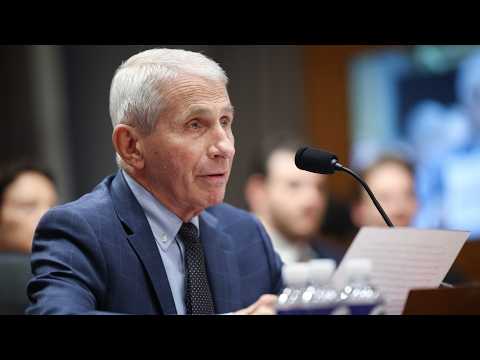
    Dr. Anthony Fauci invoked his Fifth Amendment right against self-incrimination today, July 29, 2026, during a Senate hearing in Washington D.C. This action occurred as the Senate committee scrutinized aspects of the federal government’s handling of the COVID-19 pandemic, with Fauci declining to answer questions posed by senators.

    The invocation of this constitutional right allows a witness to refuse to provide testimony that might be used against them in a criminal proceeding. It is a legal protection and does not automatically imply guilt, but it prevents forced self-incrimination.

    Fauci’s appearance was highly anticipated. He previously served as the Director of the National Institute of Allergy and Infectious Diseases (NIAID) for decades. He also held the role of Chief Medical Advisor to the President during the initial phases of the COVID-19 pandemic.

    The Senate’s Ongoing Investigation

    The Senate committee conducting this hearing has been engaged in a multi-month investigation. Its mandate includes examining various facets of the COVID-19 response. This encompasses the origins of the SARS-CoV-2 virus, the accelerated development of vaccines, the implementation of public health mandates, and the allocation of federal funding.

    Witnesses have been called to provide testimony on these critical matters. The committee’s work aims to establish a comprehensive record of decisions made and actions taken during the public health crisis.

    Today’s session was expected to be a pivotal moment. Public interest in Fauci’s testimony had been substantial leading up to the hearing.

    Scope of the Inquiry

    The investigation has cast a wide net. Senators have pursued questions regarding the scientific basis for certain public health recommendations. They have also examined the processes behind vaccine approval and distribution.

    Federal funding for research, both domestic and international, has also been a key area of focus. The committee seeks to understand the oversight mechanisms in place for these expenditures.

    The role of various federal agencies, including the National Institutes of Health (NIH) and the Centers for Disease Control and Prevention (CDC), has been under review. The committee aims to identify strengths and weaknesses in the national response framework.

    Understanding the Fifth Amendment

    The Fifth Amendment to the United States Constitution provides several fundamental protections for individuals. These protections are designed to safeguard liberty and ensure due process.

    One of the most recognized provisions is the right against self-incrimination. This right is enshrined in the clause stating that no person shall be “compelled in any criminal case to be a witness against himself.”

    This protection extends beyond criminal trials to various legal proceedings, including congressional hearings. A witness can invoke the Fifth Amendment if they reasonably believe their testimony could furnish evidence that might lead to their prosecution.

    Legal Implications of Invocation

    Invoking the Fifth Amendment is a legal right. It is not an admission of guilt, nor does it create a presumption of guilt in a court of law. The Supreme Court has affirmed that a person’s silence cannot be used as evidence of guilt in a criminal trial.

    However, in civil proceedings or congressional hearings, the invocation can carry different implications. While not proof of guilt, it can sometimes be interpreted by the public as an indication that the witness has something to hide.

    Legal scholars often emphasize that the right is a crucial safeguard. It prevents the government from coercing individuals into providing testimony that could be used to convict them.

    Fauci’s Role in the Pandemic Response

    Dr. Anthony Fauci became a prominent figure during the COVID-19 pandemic. As the Director of NIAID, a position he held from 1984 until his retirement in 2022, he was a key scientific voice.

    He also served as Chief Medical Advisor to the President for a period. In this capacity, he advised on public health strategies and communicated scientific information to the public.

    His public appearances and briefings were frequent. He often explained complex scientific concepts and public health measures to a broad audience.

    Key Areas of Influence

    Fauci’s influence extended across several critical areas. He played a significant role in advising on vaccine development and deployment. His input was sought on strategies for mitigating virus transmission, such as masking and social distancing.

    He also contributed to discussions around the origins of the virus. This included debates about natural emergence versus laboratory leak theories.

    His career at NIAID spanned multiple public health crises, including HIV/AIDS, Ebola, and Zika. This extensive experience positioned him as a leading authority during the COVID-19 outbreak.

    Public and Political Reactions

    News of Fauci’s invocation of the Fifth Amendment quickly circulated. Bloomberg Television was among the first outlets to report the development.

    The event immediately sparked significant public and political reactions. Social media platforms showed a rapid increase in discussion surrounding the hearing.

    Members of the Senate committee expressed various sentiments. Some senators indicated that the invocation complicated their investigative efforts. Others underscored the constitutional right of any witness to decline to testify.

    The Broader Context of Scrutiny

    The hearing is part of a larger, ongoing scrutiny of the pandemic response. This scrutiny comes from various sectors. It includes governmental bodies, scientific organizations, and the general public.

    Questions about decision-making processes, the effectiveness of interventions, and the economic impact of policies continue to be debated. The long-term consequences of the pandemic are still being assessed.

    Fauci’s testimony was anticipated as a moment to gain further insight. His decision to invoke the Fifth Amendment has altered the immediate trajectory of this particular line of inquiry.

    Developing Story: Limited Details

    This is a developing story. Initial reports confirm the invocation of the Fifth Amendment by Dr. Anthony Fauci. However, many specific details remain undisclosed.

    The exact questions posed by senators that led to the invocation have not been fully released. The committee’s immediate response and any subsequent procedural actions are also pending further information.

    Additional details are expected to emerge in the coming hours and days. These details will likely include official statements from the committee and further reporting from news organizations.

    Anticipated Next Steps

    The Senate committee will likely continue its investigation. They may pursue other avenues of inquiry or call additional witnesses.

    The legal implications for Fauci are not yet clear. The invocation protects against self-incrimination in criminal proceedings. However, the committee could explore other legal options, though specifics are not currently available.

    Public interest in the proceedings remains exceptionally high. The event marks a significant turn in the ongoing public and political discourse surrounding the pandemic response.

    A Senate committee convened. Witnesses were called. Questions were asked. The Fifth Amendment was invoked.

    Washington D.C.


  • The Lindsey Graham Casket Incident: Political Theater in the Capitol Rotunda

    The Lindsey Graham Casket Incident: Political Theater in the Capitol Rotunda

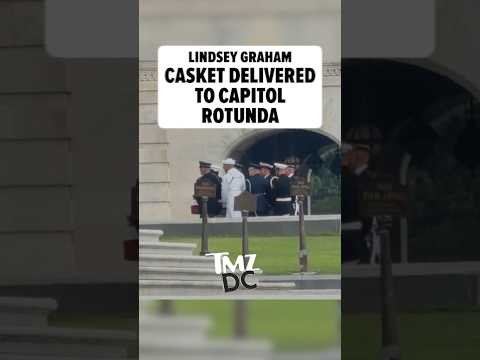
    On July 28, 2026, the casket of the late Senator Lindsey Graham was delivered to the United States Capitol Rotunda for his funeral service. This solemn event immediately garnered significant attention, circulating rapidly across news outlets and social media platforms. provoke strong reactions and highlight specific political grievances.

    The delivery of the casket to such a hallowed space as the Capitol Rotunda signifies a deliberate and confrontational message. It represents a dramatic escalation in the use of symbolic protest within the American political sphere. The event has prompted widespread discussion regarding the boundaries of political expression and the nature of public discourse.

    The Event Unfolds: A Casket in the Capitol

    The morning of July 28, 2026, began with an unexpected sight at the U.S. Capitol. Reports emerged detailing the presence of a casket within the Capitol Rotunda. Initial accounts, primarily from TMZ, specified that the casket was marked with the name of Senator Lindsey Graham.

    The exact individuals or groups responsible for the delivery were not immediately identified. Security protocols at the Capitol are stringent, making such an unauthorized delivery a significant breach. The U.S. Capitol Police swiftly initiated an investigation into how the casket entered the building and who facilitated its placement.

    Images and videos of the casket quickly spread online. These visuals fueled speculation and debate, amplifying the incident’s impact. The choice of the Capitol Rotunda, a space reserved for solemn national ceremonies and the lying in state of prominent figures, added a layer of profound symbolism to the act.

    Symbolism and Intent: Political Theater Defined

    The act of delivering a casket to the Capitol Rotunda is inherently symbolic. It carries connotations of death, finality, and the end of an era or a political career. When associated with a deceased political figure like Senator Lindsey Graham, the symbolism becomes even more pointed and provocative.

    Political theater, in this context, refers to actions or events designed to convey a political message through dramatic means rather than conventional discourse. These acts often aim to capture public attention, generate media coverage, and galvanize supporters or provoke opponents. The casket incident perfectly aligns with this definition.

    Analysts suggest multiple interpretations for the intent behind such an act. It could be a protest against specific policies or actions attributed to Senator Graham. It might also be a broader statement about the perceived ‘death’ of certain political ideals or the state of American democracy. The ambiguity allows for various interpretations, amplifying its impact.

    Security Implications and the Capitol Police Response

    The U.S. Capitol Police (USCP) immediately launched an investigation into the incident. The security of the Capitol complex is paramount, especially following past breaches. The presence of an unauthorized item, particularly one with such a potent message, raised serious questions about security procedures.

    The investigation likely focuses on several key areas:

    • Identification of the individuals or groups responsible for the casket’s delivery.
    • Assessment of how the casket bypassed existing security checkpoints.
    • Review of security footage and witness testimonies.
    • Evaluation of any potential threats associated with the act.

    The USCP’s response is critical not only for maintaining order but also for reassuring the public and elected officials. Any lapse in security at the Capitol is a matter of national concern. The incident will undoubtedly lead to a reevaluation of access protocols and security measures within the complex.

    Reactions Across the Political Spectrum

    The delivery of the casket elicited a wide range of reactions from politicians, commentators, and the public. Members of both major political parties condemned the act as inappropriate and disrespectful. Many emphasized the need for civil discourse, even amidst intense political disagreements.

    Senator Graham’s office did not immediately issue an official statement. However, allies and colleagues expressed their dismay and called for swift action against those responsible. They highlighted the potential for such acts to incite further division and even violence.

    Conversely, some commentators and activists viewed the act as a provocative, albeit extreme, form of protest. They argued that it reflected deep-seated frustrations with the political establishment and a desire to use unconventional methods to convey dissent. Social media platforms became a battleground for these differing viewpoints, with hashtags related to the incident trending throughout the day.

    Historical Precedents of Symbolic Protest

    Symbolic protests have a long history in the United States and globally. These acts often aim to disrupt the status quo and force public attention onto a particular issue. While the casket incident is unique in its specifics, it draws from a tradition of dramatic political expression.

    Notable Instances of Symbolic Protest:

    • Coffins for Vietnam War Dead: During the Vietnam War, anti-war protesters often used empty coffins or mock funerals to symbolize the human cost of the conflict and protest government policy.
    • Occupy Wall Street’s ‘Funeral for the American Dream’: In 2011, the Occupy Wall Street movement staged symbolic funerals to mourn the loss of economic opportunity and highlight corporate greed.
    • PETA’s Animal Rights Demonstrations: People for the Ethical Treatment of Animals (PETA) frequently employs provocative, often graphic, displays to protest animal cruelty, including mock ‘animal funerals’.

    These examples illustrate a consistent thread: the use of powerful imagery to convey a message that words alone might not achieve. The casket in the Capitol Rotunda fits within this lineage, albeit with a heightened sense of direct targeting and location.

    The Role of Media in Amplifying Political Theater

    The role of media, particularly outlets like TMZ and social media platforms, is crucial in amplifying acts of political theater. In the digital age, an event can go viral within minutes, reaching a global audience. This rapid dissemination ensures that the intended message, however controversial, achieves widespread visibility.

    TMZ’s initial report played a significant role in breaking the story. Their focus on celebrity and sensational news often means they are among the first to cover unusual public events. Social media then took over, with users sharing, commenting, and analyzing the images and videos.

    This amplification cycle means that even a small, localized act can have national or international repercussions. It also poses challenges for traditional news organizations, which must balance reporting on the event with avoiding inadvertently glorifying or legitimizing potentially harmful behavior. The incident serves as a case study in how modern media ecosystems can shape the impact of political demonstrations.

    Legal Ramifications and Consequences

    The individuals responsible for delivering the casket could face significant legal consequences. Breaching Capitol security is a federal offense. Depending on the specifics of the act, charges could range from trespassing to more serious offenses related to disruption of government functions or even threats against public officials.

    The U.S. Capitol Police, in coordination with other federal agencies, will conduct a thorough investigation. Evidence collected, such as security footage, eyewitness accounts, and any materials found with the casket, will be crucial. The outcome of this investigation will set a precedent for how similar acts of protest are handled in the future.

    Beyond criminal charges, there could also be civil repercussions. The disruption caused, the resources expended for the investigation, and the potential impact on the functioning of Congress could all be factors in any legal proceedings. The incident underscores the serious nature of actions taken within the highly secure and symbolic environment of the U.S. Capitol.

    The Broader Context of Political Polarization

    The casket incident cannot be viewed in isolation. It is a symptom of a broader and intensifying political polarization in the United States. The current political climate is marked by deep divisions, heightened rhetoric, and a growing willingness to engage in confrontational tactics.

    Events like this reflect a sense of desperation or extreme frustration among certain segments of the population. When traditional avenues of political influence are perceived as ineffective, individuals and groups may resort to more radical forms of expression. This can lead to a cycle of escalating actions and reactions, further entrenching divisions.

    The incident also raises questions about the health of democratic discourse. When political disagreement devolves into highly symbolic and potentially threatening acts, the ability for constructive dialogue diminishes. Finding ways to bridge these divides and foster more respectful engagement remains a critical challenge for the nation.

    Future Implications for Protest and Security

    The delivery of the casket to the Capitol Rotunda will likely have lasting implications. For protesters, it may serve as an example of how to gain significant attention, potentially inspiring similar acts of symbolic defiance. This could lead to an increase in unconventional and attention-grabbing demonstrations.

    For security agencies, particularly the U.S. Capitol Police, the incident demands a reevaluation of existing protocols. They will need to anticipate and mitigate future attempts to stage similar high-profile acts within sensitive government buildings. This could involve enhanced surveillance, stricter access controls, and improved intelligence gathering.

    The balance between protecting free speech and ensuring the security and functionality of government institutions is delicate. The casket incident pushes the boundaries of this balance, forcing a national conversation about how political expression can be maintained without compromising safety or decorum. The reverberations of this single event will be felt in security planning and protest strategies for months and years to come.

    News reports circulated. Politicians condemned. Security protocols reviewed. Public debated. Investigation launched. Controversy ensued. The message delivered.

    Capitol.


  • President Trump Attends Rescheduled White House Correspondents’ Dinner

    President Trump Attends Rescheduled White House Correspondents’ Dinner

    President Donald Trump attended the White House Correspondents’ Dinner on July 24, 2026, an event that had been rescheduled from its customary April slot. This appearance marked a significant moment for the annual gathering, as it represented a sitting president’s return to the event after a period of non-attendance by previous administrations. The dinner serves as a platform to celebrate journalism and the First Amendment, fostering dialogue between the press and the presidency.

    The decision to reschedule the event for July 24, 2026, was made earlier in the year by the White House Correspondents’ Association (WHCA). This adjustment aimed to accommodate the President’s schedule and ensure his participation. The dinner typically attracts a wide array of media personalities, government officials, and celebrities to Washington D.C.

    The Tradition of the White House Correspondents’ Dinner

    The White House Correspondents’ Dinner is an annual event hosted by the White House Correspondents’ Association. It traditionally takes place in April. The association, founded in 1914, aims to represent the White House press corps. It works to ensure media access to the President and the White House.

    The first formal dinner was held in 1921. President Calvin Coolidge was the first sitting president to attend in 1924. Since then, most presidents have attended the event, often using it as an opportunity for lighthearted remarks and self-deprecating humor. The dinner also raises money for scholarships for aspiring journalists.

    The event is known for its blend of serious recognition and comedic performances. A featured comedian often performs, and the President traditionally delivers a speech. These speeches often include jokes about the media, political rivals, and even themselves.

    President Trump’s Prior Engagements with the WHCA Dinner

    President Trump had a complex history with the White House Correspondents’ Dinner prior to his 2026 attendance. During his first term, he did not attend the dinner in 2017, 2018, 2019, or 2020. This broke with a long-standing tradition observed by most of his predecessors.

    His absence in those years was a subject of considerable media discussion. Some viewed it as a sign of strained relations between the administration and the press. Others interpreted it as a statement against what he often termed “fake news” and biased reporting.

    Despite his non-attendance, the dinner continued each year. The WHCA maintained its commitment to supporting journalism and awarding scholarships. Prominent journalists and entertainers still participated in the event.

    The 2026 attendance marked a shift in this dynamic. It signaled a potential re-engagement with the traditional ceremonial aspects of the presidency. This return was widely noted by political observers and media outlets.

    The Rescheduling and Its Implications

    The decision to move the 2026 dinner from April to July 27 was a practical one. It allowed for greater flexibility in the President’s demanding schedule. The WHCA worked closely with the White House to find a suitable date.

    Rescheduling such a high-profile event is not unprecedented, but it is uncommon. It underscores the importance placed on presidential attendance by the WHCA. The association views the President’s presence as crucial for the event’s symbolic value.

    The July date allowed for a summer evening event in Washington D.C. This provided a different atmosphere than the traditional spring timing. The planning logistics for security, venue, and guest lists were adjusted accordingly for the new date.

    The rescheduling also gave organizers more time for preparations. This included securing the venue, coordinating with the White House press office, and finalizing the program. The delay ensured a smoother execution of the complex event.

    Key Figures and Attendees at the 2026 Dinner

    The 2026 White House Correspondents’ Dinner drew a diverse crowd. Journalists from major news organizations were present. Representatives from print, broadcast, and digital media attended.

    Senior White House staff and cabinet members were also in attendance. Vice President JD Vance was present, along with other high-ranking officials. First Lady Melania Trump accompanied the President.

    The guest list included prominent figures from various sectors. Media executives, foreign dignitaries, and cultural icons often receive invitations. The event serves as a significant social and networking opportunity within Washington D.C. circles.

    The presence of such a wide array of individuals highlights the dinner’s continued relevance. It remains a key date on the Washington social calendar. Its function as a bridge between government and media remains important.

    The President’s Remarks and the Evening’s Tone

    President Trump delivered remarks at the 2026 dinner. His speech was anticipated with considerable interest. Observers looked for clues regarding the administration’s relationship with the press.

    The tone of presidential speeches at these dinners often varies. Some presidents opt for a light, humorous approach. Others use the platform for more serious addresses on the state of journalism or national affairs.

    Details of President Trump’s specific remarks were closely watched. His past interactions with the media have been robust and direct. His appearance at the dinner provided a unique opportunity for direct engagement.

    The evening also featured a comedian, as is customary. This performance often sets a lighter tone for the event. The interplay between the comedian’s routine and the President’s speech is a hallmark of the dinner.

    The Role of a Free Press in a Democratic Society

    The White House Correspondents’ Dinner consistently emphasizes the importance of a free press. This principle is foundational to American democracy. The WHCA uses the event to advocate for journalistic freedoms.

    A robust and independent media serves as a crucial check on government power. It informs the public and facilitates open debate. These functions are vital for a healthy democratic process.

    The dinner provides an annual reminder of these responsibilities. It highlights the work of journalists who cover the White House and government. Scholarships awarded during the event support the next generation of reporters.

    The dialogue between the President and the press, even in a ceremonial setting, underscores this relationship. It acknowledges the distinct roles each plays. It also reaffirms the constitutional protections afforded to the media.

    Scholarships and the Future of Journalism

    A core mission of the White House Correspondents’ Association is to support future journalists. The dinner is the primary fundraising event for WHCA scholarships. These scholarships assist students pursuing careers in journalism.

    Each year, multiple students receive financial aid. These funds help cover tuition and other educational expenses. The WHCA partners with universities to identify deserving recipients.

    The investment in journalism education is critical. It helps ensure a steady supply of trained and ethical reporters. This commitment reflects the association’s long-term vision for a strong press.

    The scholarship recipients are often recognized during the dinner. Their presence serves as a reminder of the foundational purpose of the WHCA. It connects the past, present, and future of White House coverage.

    The Broader Political and Media Landscape

    President Trump’s attendance at the 2026 dinner occurred within a dynamic political and media environment. The landscape of news consumption continues to evolve. Digital platforms and social media play increasingly dominant roles.

    Traditional media outlets face new challenges and opportunities. The relationship between politicians and the press is constantly negotiated. Events like the WHCA dinner offer a moment for reflection on these dynamics.

    The public’s perception of the media also remains a significant factor. Trust in institutions, including the press, is frequently debated. The dinner provides a symbolic stage for these ongoing discussions.

    The President’s engagement, or lack thereof, with such events sends signals. His return to the dinner in 2026 was interpreted in various ways. It contributed to the ongoing narrative about media-government relations.

    Security and Protocol for a Presidential Appearance

    Hosting the President at an event like the White House Correspondents’ Dinner involves extensive security and protocol. The United States Secret Service manages all aspects of presidential protection. This includes detailed planning for the venue, travel routes, and guest screening.

    The security measures are complex and multi-layered. They involve coordination with local law enforcement and venue staff. Every attendee undergoes security checks. These protocols ensure the safety of the President and all high-profile guests.

    Presidential protocol also dictates seating arrangements and speaking order. The First Lady, Vice President, and other dignitaries are seated according to established precedence. These traditions contribute to the formal nature of the event.

    The logistical coordination for such a gathering is substantial. It requires months of planning and collaboration between multiple agencies. The successful execution of the 2026 dinner demonstrated effective inter-agency cooperation.

    Journalists gathered. Politicians gathered. Entertainers gathered. Washington.


  • Trump and Netanyahu Convene in Washington – High-Stakes Diplomatic Summit

    Trump and Netanyahu Convene in Washington – High-Stakes Diplomatic Summit

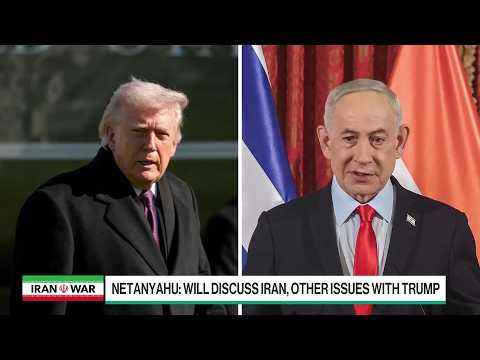
    President Donald Trump and Israeli Prime Minister Benjamin Netanyahu convened a high-stakes diplomatic summit in Washington, D.C., on July 28, 2026. This meeting was officially scheduled to address pressing regional challenges, reinforce the strategic alliance between the United States and Israel, and align their positions on key international issues impacting global security and economic stability.

    The engagement marked a significant moment for U.S.-Israel relations and Middle East policy. Both leaders sought to project a united front on critical international matters.

    The Washington Summit: A Diplomatic Nexus

    The July 28, 2026, summit in Washington brought together two central figures in international diplomacy. President Trump and Prime Minister Netanyahu met to discuss a range of critical subjects. These discussions were designed to strengthen the bilateral relationship.

    High-level communication channels are crucial for maintaining strong alliances. This summit served as a direct conduit for such exchanges. The meeting followed a long tradition of close consultation between the two nations.

    Iran: The Central Challenge

    The primary focus of the summit was Iran’s nuclear program. Both the United States and Israel consider Iran’s nuclear ambitions a significant threat. They also view Iran’s regional activities as destabilizing.

    Strategies for countering Iranian influence in the Middle East were a central theme. Discussions explored various approaches to mitigate these perceived threats. This included potential diplomatic and security measures.

    Intelligence sharing on Iran’s activities was a key component. Enhanced cooperation in this area aims to provide a clearer picture of regional dynamics. This shared intelligence informs strategic decisions.

    Regional Security and Global Implications

    Beyond Iran, regional security concerns featured prominently on the agenda. The ongoing conflict in Ukraine and its wider implications were discussed. Leaders considered how global events impact the Levant region.

    Stability in the Middle East remains a complex issue. The leaders explored avenues for enhanced intelligence sharing. Military cooperation was also a topic of discussion.

    Such cooperation aims to improve preparedness and response capabilities. It underscores the shared security interests of the U.S. and Israel. These discussions extend beyond immediate threats.

    The Ukraine Conflict and Its Ripple Effects

    The conflict in Ukraine has created global uncertainties. Its impact on energy markets, diplomatic alliances, and security postures is significant. President Trump and Prime Minister Netanyahu addressed these ripple effects.

    The discussions were not confined to bilateral interests alone. They considered how actions in one region affect others. This holistic view is characteristic of high-level diplomatic engagements.

    A coordinated stance on global issues can send clear messages. This applies to both allies and adversaries. The summit served as a platform for this unified projection.

    Economic Partnerships and Bilateral Ties

    Economic partnerships between the U.S. and Israel were another key agenda item. Trade agreements were on the table. Technological collaboration was also a significant point of discussion.

    Joint investment opportunities were explored. Strengthening these ties aims to benefit both economies. Economic cooperation complements security and diplomatic efforts.

    These partnerships foster innovation and growth. They provide a stable foundation for the broader relationship. Both nations seek mutual economic advantage.

    Technological Collaboration: A Growth Area

    Technological collaboration is a rapidly expanding area of cooperation. Israel is known for its innovation in various tech sectors. The United States offers vast markets and research capabilities.

    Discussions focused on joint ventures in cybersecurity, artificial intelligence, and defense technologies. These areas hold significant promise for mutual benefit. They also address shared challenges.

    The exchange of scientific expertise and resources was emphasized. This collaboration strengthens both nations’ competitive edge. It also contributes to global technological advancement.

    Anticipated Outcomes and Joint Statements

    The summit is expected to conclude with a joint press conference. A formal statement is also anticipated. These will outline the agreements reached.

    They will also detail the shared strategic objectives of the two nations. Policy analysts will closely scrutinize these pronouncements. They will look for shifts in diplomatic posture.

    Specific details regarding any new initiatives or commitments are anticipated. These could range from expanded security protocols. New economic incentives are also possible outcomes.

    The Significance of Public Pronouncements

    Public statements following such summits are carefully crafted. They convey the collective will and direction of the leaders. These pronouncements are critical for international understanding.

    They signal intentions to allies and rivals. They also inform domestic audiences about the progress of diplomatic efforts. The language used is often precise and deliberate.

    Any joint declaration will be analyzed for its implications. It will reflect the areas of consensus. It will also highlight the strategic priorities of both governments.

    Historical Context of U.S.-Israel Summits

    Meetings between U.S. Presidents and Israeli Prime Ministers have a long history. These gatherings are crucial for maintaining the strong bilateral relationship. They provide direct channels for high-level communication and problem-solving.

    Past summits have often led to significant agreements. These include security assistance packages. Peace initiatives and economic aid have also resulted from these meetings.

    Each meeting builds upon decades of established diplomatic precedent. The July 28, 2026, summit follows this tradition of close consultation. It reaffirms an enduring partnership.

    Decades of Diplomatic Engagement

    The relationship between the United States and Israel has been characterized by consistent engagement. From the early days of Israel’s statehood, U.S. Presidents have met with Israeli leaders. These meetings have spanned numerous administrations.

    They have addressed various geopolitical shifts and challenges. The regularity of these summits underscores their importance. They are a cornerstone of the bilateral relationship.

    This history provides a framework for current discussions. It ensures continuity in diplomatic efforts. It also highlights the depth of the strategic alliance.

    The Enduring Partnership

    The United States has consistently been Israel’s strongest ally. This relationship is underpinned by shared democratic values. Strategic interests also bind the two nations.

    The Washington summit reaffirmed this enduring partnership. It demonstrated a commitment to mutual security. It also showcased a shared vision for regional stability.

    This partnership extends beyond governmental ties. It encompasses cultural, economic, and societal connections. These multifaceted links contribute to the resilience of the alliance.

    Shared Values and Strategic Alignment

    Democratic values form a foundational element of the U.S.-Israel relationship. Both nations uphold principles of freedom, rule of law, and individual liberties. These shared ideals foster mutual respect and understanding.

    Strategically, both countries face common threats. These include terrorism, state-sponsored aggression, and regional instability. This alignment of strategic interests drives cooperation in defense and intelligence.

    The partnership is not static. It evolves with changing global dynamics. However, its core principles remain constant, guiding diplomatic interactions.

    Global Implications of the Meeting

    The outcomes of the Trump-Netanyahu summit will have ripple effects across the globe. Decisions made in Washington can influence geopolitical dynamics. This includes the Middle East, Europe, and beyond.

    International observers monitored the meeting closely. The timing of this meeting was particularly salient. It occurred amidst current global uncertainties.

    Energy markets, diplomatic alliances, and security postures could all be impacted. The discussions were not confined to bilateral interests alone. They held broader international significance.

    Monitoring by International Observers

    Diplomatic missions worldwide paid close attention to the summit’s proceedings. Analysts from various international organizations tracked the statements and outcomes. The potential for shifts in policy was a key focus.

    News agencies globally reported on the event. Their coverage reflected the perceived importance of the U.S.-Israel relationship. It also highlighted the impact of their coordinated actions on world affairs.

    The summit’s influence extends to multilateral forums. Discussions and agreements reached can shape debates in the United Nations, NATO, and other international bodies.

    A Moment of Diplomatic Weight

    This summit represented an opportunity for both leaders to project a united front. They addressed critical international issues. Their coordinated stance sent clear messages to allies and adversaries alike.

    It was a moment of significant diplomatic weight. The discussions and agreements aimed to shape future policy. They reinforced the strategic direction of both nations.

    Leaders convene. Strategies align. Policies are forged. The future is shaped.

    Washington.


  • Seattle Downtown Shooting: Two Dead, Five Injured in Pike Street Area Incident

    Seattle Downtown Shooting: Two Dead, Five Injured in Pike Street Area Incident

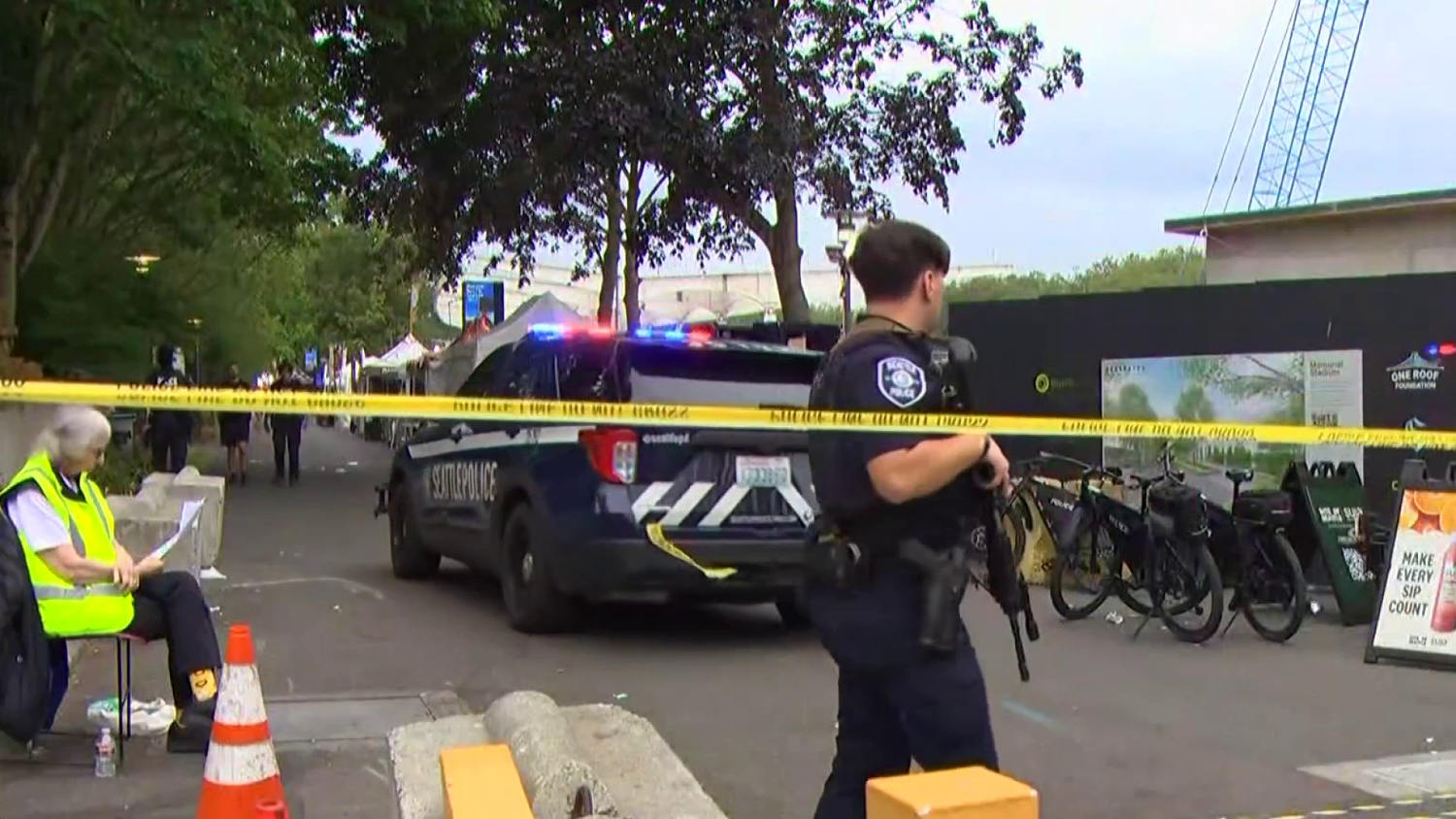
    A shooting incident in downtown Seattle on Sunday, July 26, 2026, resulted in the confirmed deaths of at least two individuals and left five others injured. The event, which unfolded in a commercial block near Pike Street, prompted a major emergency response from the Seattle Police Department (SPD) and Seattle Fire Department (SFD), leading to an ongoing investigation into the motive and perpetrators.

    The rapid succession of events led to immediate panic and a swift lockdown of several nearby businesses. This area is typically frequented by both residents and tourists, making the incident particularly impactful on the community.

    The Downtown Incident Unfolds

    The shooting occurred shortly after 1:00 PM Pacific Time on Sunday, July 26, 2026. Witnesses reported hearing multiple gunshots emanating from a commercial block in Seattle’s central business district. While the precise address has not been publicly disclosed by authorities, police activity was concentrated around the vicinity of Pike Street.

    Pike Street is one of Seattle’s most iconic thoroughfares, known for its vibrant commercial activity, including the Pike Place Market, numerous shops, restaurants, and hotels. Its central location ensures a constant flow of pedestrian traffic, especially on a Sunday afternoon, amplifying the public safety concerns associated with such an event.

    Initial reports to the Seattle Police Department indicated a critical incident requiring immediate attention. Law enforcement units, including patrol officers and specialized tactical teams, were dispatched to the scene without delay. The rapid response aimed to contain the situation, secure the area, and provide assistance to those affected.

    Immediate Aftermath and Witness Accounts

    Upon arrival, first responders encountered a chaotic scene. Individuals were seen fleeing the area, seeking shelter in nearby establishments, or attempting to assist the wounded. The sound of gunshots created widespread alarm, leading to a spontaneous evacuation of parts of the commercial district.

    Witnesses provided initial accounts to responding officers, describing a sudden outbreak of gunfire. These early testimonies are crucial for investigators as they work to piece together the sequence of events leading to the fatalities and injuries. The SPD has appealed to the public for any additional information or video footage that might aid their inquiry.

    The identities of the deceased and injured individuals have not yet been publicly released by authorities. This standard procedure allows for the notification of next of kin before public disclosure, respecting the privacy and grief of the families involved. The Seattle community awaits further updates as the investigation progresses.

    Emergency Response and Scene Management

    The coordinated response by Seattle’s emergency services was swift and comprehensive. Seattle Police Department units, including SWAT personnel, converged on the scene within minutes of the first reports. Their immediate priorities included establishing a secure perimeter, preventing further harm, and facilitating access for medical personnel.

    The perimeter effectively directed pedestrian and vehicle traffic away from the immediate vicinity of the shooting. This measure was critical for both public safety and to preserve the integrity of the crime scene. Officers systematically cleared buildings and streets within the cordoned-off area to ensure no additional threats were present.

    The Seattle Fire Department deployed multiple aid cars and ambulances to the scene. Paramedics provided immediate medical attention to the wounded, stabilizing their conditions before transport. The swift action of these first responders is often critical in improving outcomes for victims of traumatic injuries.

    Harborview Medical Center Response

    All injured individuals were transported to Harborview Medical Center. Harborview is the only Level I adult and pediatric trauma and burn center in Washington State, serving a four-state region. Its specialized capabilities make it the primary destination for patients with severe injuries.

    Hospital officials confirmed receiving multiple patients from the incident. Preliminary statements indicated that the conditions of the injured ranged from stable to critical. The medical teams at Harborview are highly experienced in managing mass casualty incidents, and their preparedness was evident in the coordinated care provided upon the arrival of the victims.

    The collaboration between law enforcement and medical teams was crucial in managing the immediate aftermath. This inter-agency coordination ensured that victims received timely care while simultaneously allowing police to secure the scene and begin their investigative work. Such incidents test the readiness of urban emergency response systems, and Seattle’s protocols were activated effectively.

    Active Investigation Underway

    The Seattle Police Department has launched a comprehensive and active investigation into the shooting. Detectives from the Homicide and Assault Unit are leading the effort, utilizing their specialized training and resources to uncover the facts.

    The primary objectives of the investigation include identifying any suspects involved, determining the motive behind the violence, and meticulously reconstructing the sequence of events. This process is often complex, involving multiple lines of inquiry and the analysis of various forms of evidence.

    Evidence Collection and Analysis

    Investigators are systematically reviewing surveillance footage from nearby businesses and public cameras. Downtown Seattle, like many major urban centers, is equipped with an extensive network of security cameras. This footage can provide critical visual evidence, potentially identifying perpetrators, vehicles, and the exact timing of the incident.

    Interviewing potential witnesses is another cornerstone of the investigation. Individuals who were in the downtown area at the time of the shooting may possess crucial information, even if they did not directly observe the event. Their accounts of sounds, movements, or suspicious activities can contribute significantly to the evidentiary picture.

    Forensic teams are also processing the crime scene, collecting physical evidence such as shell casings, projectiles, and any other items that could provide clues. This evidence will be analyzed in laboratories to determine the type of weapon used, the number of firearms involved, and potentially link evidence to specific individuals.

    As of Monday, July 27, 2026, information regarding the type of weapon used or the number of perpetrators has not yet been publicly disclosed. Authorities are maintaining a cautious approach to information release to avoid compromising the ongoing investigation and to ensure the accuracy of any details shared with the public.

    Public Safety and Community Concern

    Mayor Katie Wilson issued a statement condemning the violence and reaffirming the city’s commitment to public safety. In her statement, Mayor Wilson urged residents to remain vigilant and to report any suspicious activity to law enforcement. Such calls for community participation are common in the aftermath of significant public safety incidents, emphasizing shared responsibility.

    Incidents of this nature have a profound impact on the local community. They often foster a sense of fear, uncertainty, and vulnerability among residents and visitors alike. The psychological and emotional toll can be significant, extending beyond those directly involved in the event.

    Community leaders are expected to address these broader impacts in the coming days. Discussions will likely focus on providing support services for those affected, offering resources for trauma counseling, and fostering a sense of collective healing. The city’s response will extend beyond law enforcement to include social and psychological support systems.

    Broader Context of Gun Violence

    The Seattle shooting on July 26, 2026, occurs within a national context of ongoing debates and concerns regarding gun violence. While local incidents are unique in their specifics, they often contribute to broader discussions about gun control legislation, mental health resources, and community-based violence prevention programs.

    Major cities across the United States have grappled with spikes in violent crime, particularly gun-related incidents, in recent years. This trend has led to increased scrutiny of policing strategies, judicial reforms, and the effectiveness of various intervention methods. Seattle, like other urban centers, has seen its share of public safety challenges.

    For instance, in 2025, Seattle experienced a decrease in non-fatal shootings compared to previous years, prompting the Seattle City Council to allocate additional funding for violence intervention programs. These programs often focus on addressing the root causes of violence, such as poverty, lack of opportunity, and gang involvement, in addition to law enforcement efforts.

    The downtown core, as a hub of economic and social activity, presents unique challenges for public safety. High population density, transient populations, and the presence of both commercial and residential zones require multifaceted approaches to security and crime prevention. The incident near Pike Street will undoubtedly prompt further review of these strategies.

    Looking Ahead: Information and Support

    Local officials are expected to provide further briefings as confirmed details become available. The dynamic nature of an active investigation means that information is often released incrementally, once verified and deemed appropriate for public consumption. The focus remains on securing the area and aiding those impacted by the violence.

    The Seattle Police Department will continue its meticulous work to identify and apprehend those responsible for the shooting. This includes following up on leads, conducting additional interviews, and analyzing all collected evidence. The goal is to bring justice to the victims and ensure accountability for the perpetrators.

    The community’s resilience will be tested in the wake of this tragedy. Residents are encouraged to support one another, remain informed through official channels, and participate in efforts to enhance public safety. The long-term recovery will involve both individual healing and collective action.

    Emergency personnel continue their work. Investigators continue their work. The downtown community awaits answers.

    Seattle.


  • McCormick’s Intern ‘Hook Up’ Comment – D.C. Drama Goes Viral

    McCormick’s Intern ‘Hook Up’ Comment – D.C. Drama Goes Viral

    U.S. Representative Rich McCormick recently made a public comment suggesting that Republican interns could engage in romantic relationships with Democratic counterparts. The remark, quickly picked up by TMZ, sparked immediate and widespread discussion across political and social circles. It highlighted the complex social dynamics that exist even within the highly partisan environment of Washington D.C., prompting varied interpretations and intense scrutiny.

    The Origin of the Remark: TMZ and Viral Spread

    Representative Rich McCormick, a Republican representing Georgia’s 7th congressional district, delivered the comment during a public interaction. The specific phrasing, suggesting that GOP interns could ‘hook up’ with Democrats, was concise yet provocative. Its casual nature, combined with the subject matter, ensured its rapid dissemination.

    TMZ, known for its focus on celebrity news and viral content, was among the first outlets to report on McCormick’s statement. This immediate media attention propelled the remark beyond traditional political news cycles. It quickly entered popular culture, reaching a broad audience unfamiliar with typical congressional proceedings.

    The speed at which the comment spread underscored the contemporary media landscape. Statements made by public figures, regardless of their intended gravitas, can instantly become national talking points. The incident demonstrated the power of digital platforms and entertainment news in shaping political narratives.

    McCormick’s Background and Political Stance

    Representative McCormick was first elected to Congress in 2022. He is a former emergency room physician and a Marine Corps veteran, bringing a non-traditional background to Capitol Hill. His political platform typically centers on fiscal conservatism, healthcare reform, and national security.

    His tenure has seen him engage in numerous legislative debates and committee work. However, this particular comment diverted significantly from policy-focused discussions. It instead ventured into the realm of social observation, touching upon the personal lives of congressional staff.

    The remark was interpreted by some as an attempt at humor. Others viewed it as a candid, if unfiltered, observation on the social interactions that occur within the political ecosystem. Regardless of intent, the comment had a tangible impact on public perception and political discourse.

    Immediate Reactions and Diverse Interpretations

    The comment from Representative McCormick elicited a broad spectrum of immediate reactions. It was widely characterized as a ‘provocative political statement.’ This descriptor suggests that the remark, whether intentionally or not, was designed to stimulate debate and challenge conventional notions of decorum in political speech.

    Social media platforms, including X (formerly Twitter), Facebook, and Reddit, became immediate conduits for public discussion. Political commentary websites and news aggregators amplified the story. Individuals from across the political spectrum weighed in with their perspectives.

    Some observers interpreted the comment as a lighthearted, albeit potentially unrefined, observation about human nature. They suggested it highlighted the idea that personal connections can transcend rigid political divides. This viewpoint often excused the language as a form of casual banter.

    Conversely, a significant portion of the public and political commentators viewed the remark as inappropriate for an elected official. Critics argued that the statement trivialized the professional environment of Congress. They also raised concerns about the implicit objectification of young, often unpaid, interns.

    The Connotations of ‘Hook Up’ in Political Discourse

    The specific phrase ‘hook up’ carries distinct connotations in contemporary English. It generally implies casual romantic or sexual encounters, often without the expectation of a long-term relationship. The use of this informal terminology added a layer of controversy to McCormick’s statement.

    In a professional setting like Capitol Hill, such language can be perceived as unprofessional or dismissive. When applied to young interns, it can also raise questions about power dynamics and workplace ethics. The choice of words significantly shaped the public’s reception of the comment.

    The incident highlighted the challenges public figures face in controlling the narrative around their statements. Once a remark enters the public domain, particularly through viral channels, its interpretation can quickly diverge from the speaker’s original intent. The informal phrasing contributed directly to its polarizing effect.

    Political Discourse in a Polarized Era: 2026 Context

    The year 2026 continues to be defined by a highly polarized political landscape in the United States. Discussions between the Republican and Democratic parties frequently devolve into partisan divides, with perceived common ground often elusive. Representative McCormick’s comment inadvertently tapped into these prevailing dynamics.

    Elected officials and other public figures operate under intense scrutiny. Every statement, whether delivered formally in a legislative chamber or informally in a public setting, can be amplified, dissected, and analyzed. The pervasive nature of social media and 24-hour news cycles ensures that controversial remarks quickly become national talking points.

    This incident also reflected a broader trend in modern political communication. The boundaries between personal observation, strategic political maneuvering, and accidental gaffe have become increasingly blurred. Officials must navigate a complex terrain where their words are constantly evaluated for their political, social, and ethical implications.

    The Role of Media in Amplifying Political Statements

    The involvement of outlets like TMZ in reporting on McCormick’s comment exemplified a shift in media consumption. What might once have been confined to political gossip within Washington D.C. now quickly reaches a mass audience. This broad dissemination shapes public perception and intensifies debate.

    Traditional news organizations often follow the lead of viral content, providing further analysis and commentary. This layered media coverage ensures that provocative statements gain prolonged attention. It also means that the initial context of a remark can be overshadowed by subsequent interpretations and reactions.

    The media’s role in amplifying such comments contributes to the fast-paced and often reactive nature of contemporary political discourse. Public figures are increasingly aware that their words can be taken out of context or reinterpreted in ways they did not intend, often with significant political consequences.

    Life as a Congressional Intern: Beyond the Politics

    Internships on Capitol Hill represent a foundational experience for many individuals aspiring to careers in politics, public service, and law. These roles are often demanding, characterized by long hours, low or no pay, and a significant commitment. Interns, typically college students or recent graduates, are immersed in the daily operations of legislative offices.

    The social environment for interns in Washington D.C. is distinctive. Many interns live in close proximity, often in shared housing. They work in shared office spaces and frequently interact with peers from various congressional offices, regardless of party affiliation. This proximity and shared experience often lead to the formation of strong social networks.

    Despite the intense political rivalries at higher levels of government, personal relationships can and do develop among staff members from different offices and political parties. These connections often form outside the formal political arena, during social gatherings, happy hours, or shared commutes.

    Social Dynamics and Inter-Party Connections

    Representative McCormick’s comment, therefore, touched upon a known, if often unspoken, aspect of intern life. The concept of inter-party relationships among young staff members is not entirely novel. The public acknowledgment by an elected official, however, brought this informal reality into the formal political discourse.

    The comment might also be seen as an acknowledgment of the shared human experience that underlies political differences. Even in environments designed for partisan conflict, individuals form connections based on shared experiences, proximity, and personal chemistry. These human elements often transcend the political labels assigned to individuals.

    For interns, navigating the social landscape of D.C. is part of the overall experience. They learn to balance professional duties with personal lives, often forming friendships and relationships that can last well beyond their internship terms. The comment, for some, simply articulated an open secret about this aspect of intern culture.

    Historical Parallels: Bridging the Political Divide

    The history of American politics offers numerous examples of personal relationships bridging partisan divides. While the political climate has intensified in recent decades, historical records illustrate instances of friendships, marriages, and even romantic relationships between individuals from opposing political parties.

    During earlier eras, Washington D.C. society often functioned with a greater degree of social mixing among political opponents. Social events, formal dinners, and informal gatherings frequently included members from both sides of the aisle. These interactions sometimes fostered personal bonds that could soften the edges of political rivalry and facilitate bipartisan cooperation.

    The phenomenon of inter-party marriage, for example, is not uncommon throughout American history. Spouses from different political affiliations often navigate their ideological differences in private, while maintaining their public political stances. These relationships highlight the complex interplay between personal and professional lives in politics, demonstrating that political divisions do not always dictate personal connections.

    Shifting Social Norms in Washington D.C.

    Representative McCormick’s remark, in a way, echoed this historical reality by suggesting that fundamental human interactions, including romantic ones, can still occur across party lines. It pointed to the idea that despite the current political polarization, younger generations entering the political arena might continue to form such connections.

    However, the context of these interactions has evolved. Modern D.C. is often perceived as more segregated along partisan lines, particularly in social settings. The comment, therefore, might also be interpreted as a commentary on the lingering social fluidity that still exists, especially among younger, less entrenched political actors.

    The incident prompted reflection on whether such casual inter-party connections are still as prevalent or as openly acknowledged as they might have been in previous decades. It opened a dialogue about the evolving social norms and expectations within the nation’s capital.

    The Role of Humor and Controversy in Political Communication

    Humor often serves as a complex tool in political communication. It can be used to defuse tension, build rapport, or deliver sharp critiques. However, political humor also carries inherent risks, particularly when delivered by elected officials in public forums.

    Representative McCormick’s comment, if intended as humor, failed to land universally. For some, it was perceived as a harmless jest. For others, it was seen as inappropriate, trivializing, or even offensive. This disparity in reception highlights the subjective nature of humor, especially in a politically charged environment.

    Controversy, whether intentional or accidental, frequently generates significant media attention. In the modern political landscape, attention itself can be a valuable commodity. Generating controversy can elevate a politician’s profile, even if the attention is negative in nature. This dynamic complicates how public statements are evaluated.

    Navigating Public Perception and Accountability

    The incident placed Representative McCormick under a spotlight, prompting questions about accountability for public statements. Elected officials are expected to uphold certain standards of conduct and communication. Remarks perceived as unprofessional or insensitive can lead to calls for apologies or explanations.

    The public reaction to McCormick’s comment underscored the constant negotiation between freedom of speech and the responsibilities of public office. Politicians must weigh the potential impact of their words on their constituents, their colleagues, and the broader political discourse.

    Ultimately, the episode served as a reminder of the delicate balance politicians must strike. They must communicate authentically while also being acutely aware of how their words will be received and interpreted by a diverse and often critical public. The fallout from such comments can be swift and far-reaching.


  • Rep. Tim Burchett: The Case for Capitol Hill’s Funniest Lawmaker

    Rep. Tim Burchett: The Case for Capitol Hill’s Funniest Lawmaker

    The Rise of Political Humor on Capitol Hill

    Representative Tim Burchett, serving Tennessee’s 2nd congressional district, has positioned himself as a leading contender for the unofficial title of Capitol Hill’s funniest lawmaker. His public appearances and interactions often feature a blend of sharp wit and self-deprecating humor, distinguishing him from many of his congressional colleagues. This approach injects a sense of levity into the often-tense political landscape of Washington D.C., drawing attention from various media outlets, including TMZ.

    The role of humor in politics is not new, but its application by figures like Burchett reflects a modern adaptation. In an era dominated by social media and instant commentary, politicians increasingly utilize personality traits, including comedic timing, to cultivate a relatable public image. This strategy aims to bridge the gap between elected officials and the electorate, fostering a more approachable perception of government.

    A Distinctive Voice from Tennessee

    Burchett’s political career began in Tennessee, where he served in both the State House of Representatives and the State Senate before being elected as the Mayor of Knox County. His journey to Washington D.C. in 2019, representing the 2nd congressional district, brought his unique communication style to a national stage. His humor often draws from his East Tennessee roots, incorporating folksy wisdom and straightforward observations that resonate with a broad audience.

    His comedic delivery is characterized by an unpretentious demeanor. He frequently employs sarcasm and wry commentary, often directed at the intricacies of Washington bureaucracy or the absurdities of political life. This style stands in stark contrast to the often-scripted and carefully curated public images of many politicians, making his authenticity a significant part of his appeal.

    Humor as a Political Tool

    The strategic deployment of humor in politics serves multiple purposes. For Burchett, it can disarm opponents, lighten the mood during contentious debates, and make complex issues more accessible to the public. It also humanizes the politician, allowing constituents to see beyond the policy positions and connect with the individual.

    This approach can be particularly effective in an environment where public trust in institutions is often low. A politician who can make people laugh might be perceived as more genuine and less entrenched in the often-criticized partisan divide. Burchett’s humorous quips and anecdotes often go viral on social media platforms, further amplifying his reach and reinforcing his image as a relatable figure.

    Navigating the Seriousness of Office

    Balancing humor with the serious responsibilities of congressional office is a delicate act. Burchett, like other politicians who use comedy, must ensure that his jokes do not undermine the gravity of legislative work or alienate segments of his constituency. His humor tends to be observational rather than divisive, focusing on shared experiences or the universal peculiarities of human behavior and political systems.

    His comedic style is often described as good-natured, avoiding the harsh personal attacks that characterize much of modern political rhetoric. This deliberate choice allows him to maintain an image of an affable, approachable public servant, even when discussing serious policy matters or engaging in political disagreements.

    The Media’s Role in Amplifying Political Personalities

    Media outlets like TMZ play a crucial role in shaping the public perception of politicians like Burchett. By highlighting his humorous moments, these platforms contribute to his persona as the ‘funniest lawmaker.’ This coverage often transcends traditional political reporting, reaching audiences who might not typically engage with congressional news.

    The emphasis on personality in media coverage reflects a broader shift in how political figures are consumed by the public. Beyond policy debates and legislative actions, voters are increasingly interested in the human side of their representatives. Stories that emphasize character, wit, and relatability gain traction, influencing public opinion and engagement.

    The Impact on Political Discourse

    The rise of politicians known for their humor, such as Representative Burchett, suggests a subtle but significant change in political discourse. It indicates a growing acceptance, and perhaps even demand, for authenticity and personality in public office. This trend could lead to a more diverse range of communication styles being employed by political leaders, moving beyond traditional, formal rhetoric.

    While humor can be a powerful tool for connection, it also carries risks. A joke can be misinterpreted, or fall flat, potentially causing unintended controversy. However, Burchett’s consistent use of humor indicates a calculated strategy that has largely succeeded in cultivating a positive and memorable public image.

    Historical Precedents for Political Humor

    The intersection of humor and politics has a long history. Figures such as Abraham Lincoln were known for their storytelling and wit, using anecdotes to illustrate points or lighten tense situations. More recently, figures like Ronald Reagan were celebrated for their ability to deliver a well-timed joke, often diffusing criticism or rallying support.

    Burchett’s approach builds on this tradition, adapting it for the modern media landscape. His humor is often spontaneous, captured in candid moments that then circulate widely online. This immediacy is a hallmark of contemporary political communication, where authenticity is often valued above polished statements.

    Connecting with Constituents Beyond Policy

    For Representative Burchett, humor is more than just a personal trait; it is a means of connecting with his constituents on a deeper level. By presenting himself as someone who doesn’t take himself too seriously, he fosters a sense of approachability that can be rare in Washington D.C. This connection can translate into greater trust and engagement from the electorate.

    His ability to laugh at himself and the often-absurd nature of politics provides a refreshing perspective. It suggests a leader who understands the challenges facing everyday Americans, while also possessing the resilience and good spirits to navigate the complex world of federal governance.

    The Future of Political Personalities

    As the political landscape continues to evolve, the role of personality will likely become even more pronounced. Politicians who can effectively leverage their unique traits, including humor, to connect with voters will find an advantage. Representative Burchett stands as an example of this evolving political archetype.

    His ongoing bid for the title of Capitol Hill’s funniest lawmaker is not merely about entertainment. It is about crafting an identity, engaging with the public, and demonstrating that even in the most serious of professions, there is room for levity and human connection. His humor serves as a reminder that politicians are individuals, each bringing their own distinct character to public service.

    Legislators gathered. Media outlets gathered. Constituents gathered. Burchett.


  • Ben Folds Testifies Against Trump’s Kennedy Center Takeover – Art and Propaganda

    Ben Folds Testifies Against Trump’s Kennedy Center Takeover – Art and Propaganda

    Musician Ben Folds recently testified before a Congressional committee, expressing strong concerns over the alleged politicization of the John F. Kennedy Center for the Performing Arts by President Donald Trump’s administration. Folds argued that when art becomes a tool for political agendas, it ceases to be genuine expression and instead transforms into propaganda, undermining its fundamental purpose and integrity. His testimony highlighted growing anxieties within the cultural sector regarding government influence over artistic institutions.

    The musician’s appearance before legislators brought a cultural debate into the political arena. This discussion focused on the role of national cultural institutions in a democratic society. It also examined the boundaries between governmental support and undue influence.

    The Heart of the Controversy: Kennedy Center’s Role

    The John F. Kennedy Center for the Performing Arts, located in Washington, D.C., serves as the nation’s living memorial to President John F. Kennedy. It is a prominent cultural institution, presenting a wide array of performing arts. The Center also promotes arts education and fosters cultural diplomacy.

    Its unique status as both a federal bureau and a private non-profit organization often places it at the intersection of government and culture. This dual nature can lead to complex relationships with political administrations. It also raises questions about its autonomy.

    President Trump’s administration has faced scrutiny over its approach to cultural institutions. Critics have voiced concerns about perceived attempts to align these institutions with specific political narratives. These actions, they argue, compromise the institutions’ artistic independence.

    Ben Folds’ Artistic Background and Advocacy

    Ben Folds is widely recognized for his work as a singer, songwriter, and multi-instrumentalist. He rose to prominence as the frontman of the band Ben Folds Five. His career has spanned decades, encompassing rock, pop, and classical music.

    Beyond his musical output, Folds has been an advocate for arts education and funding. He has previously served on the President’s Committee on the Arts and Humanities. This experience provided him with direct insight into the relationship between government and the arts.

    His testimony before Congress was not his first foray into policy discussions. Folds has often used his platform to champion the value of artistic expression. He emphasizes its critical role in societal well-being.

    Testimony Before Congress: ‘Propaganda’ Concerns

    Folds delivered his testimony to a Congressional committee investigating the administration’s interactions with the Kennedy Center. He articulated a clear distinction between art and propaganda. Art, he maintained, must remain independent to be authentic.

    His central argument was succinct:

    “When you politicize art, you’ve got propaganda.”

    This statement underscored his belief that governmental control over artistic content or direction fundamentally alters its nature. It shifts art from independent expression to a tool for state messaging.

    The musician elaborated on the potential long-term damage of such politicization. He suggested it could erode public trust in cultural institutions. It might also stifle creative freedom among artists.

    The Impact of Politicization on Art

    Politicization, in Folds’ view, can manifest in various ways. It might involve directing funding based on political alignment. It could also include influencing programming decisions. Furthermore, it might entail using cultural events for overt political messaging.

    Such actions, he argued, undermine the universal appeal of art. Art often thrives on its ability to transcend political divides. It can offer diverse perspectives and foster critical thought. When it becomes partisan, it loses this vital function.

    Folds stressed that cultural institutions like the Kennedy Center must serve all citizens. Their mission should be to enrich the national cultural landscape. This mission is compromised when they are perceived as serving a particular political agenda.

    Historical Precedents and Broader Implications

    The debate over art and politics is not new in American history. Throughout various administrations, there have been discussions about government funding and oversight of the arts. These discussions often involve balancing artistic freedom with public accountability.

    The 1930s saw the Federal Art Project, part of the New Deal, which employed artists during the Great Depression. While providing vital support, it also sparked debates about government patronage and artistic independence. Later, during the Cold War, cultural diplomacy became a key tool of U.S. foreign policy. This era also raised questions about the use of art for national interests.

    More recently, controversies surrounding the National Endowment for the Arts (NEA) have periodically flared. These debates often center on content deemed controversial by some political factions. They highlight the ongoing tension between artistic expression and public values.

    Global Perspectives on State-Sponsored Art

    Internationally, the concept of state-sponsored art carries diverse connotations. In many authoritarian regimes, art is explicitly used as a tool of the state. It serves to promote official ideologies and maintain social control. This is the essence of propaganda.

    Folds’ testimony implicitly drew a parallel to these models. He warned against any moves that would push American cultural institutions in a similar direction. The independence of art is considered a hallmark of democratic societies.

    The musician’s remarks resonated with those who view art as a crucial component of civil society. They see it as a space for open dialogue and critical reflection. Any attempt to co-opt this space for political purposes is seen as a threat to these fundamental values.

    Reactions from Lawmakers and the Public

    Folds’ testimony elicited varied responses from the Congressional committee members. Some lawmakers expressed agreement with his concerns. They acknowledged the importance of protecting cultural institutions from political interference. These members emphasized the non-partisan nature of artistic endeavor.

    Other members, particularly those aligned with the Trump administration, questioned the premise of Folds’ assertions. They argued that presidential administrations naturally engage with national institutions. They suggested that such engagement does not necessarily constitute politicization.

    Public reaction to Folds’ statements also reflected a divided landscape. Many in the arts community voiced strong support for his stance. They shared his anxieties about the independence of cultural organizations. Others viewed his testimony as politically motivated itself. They saw it as part of a broader critique of the sitting President.

    The Role of Artists in Political Discourse

    Artists have historically played a significant role in political discourse. From protest songs to socially critical artworks, creative individuals often challenge power structures. They also give voice to societal concerns.

    Folds’ decision to testify before Congress placed him squarely in this tradition. He utilized his public platform to address a matter of national cultural policy. This act underscored the potential influence artists can wield beyond their creative works.

    His testimony invited a broader conversation about the responsibilities of artists. It also touched on the expectations placed upon cultural figures in times of political tension. Should artists remain apolitical, or do they have a duty to speak out?

    The Future of the Kennedy Center and Cultural Funding

    The Congressional hearing that featured Ben Folds’ testimony was part of an ongoing review. This review examined the governance and funding of the Kennedy Center. It also looked at its relationship with the executive branch.

    The outcome of these deliberations could have significant implications. It might affect how national cultural institutions operate in the future. It could also influence how they receive federal support.

    Advocates for the arts emphasize the need for robust, independent funding mechanisms. These mechanisms would shield institutions from the shifting tides of political influence. They argue that stable, non-partisan support is essential for long-term artistic vitality.

    Ensuring Artistic Independence

    The core issue raised by Folds remains the independence of artistic expression. This principle is considered vital for a healthy cultural ecosystem. It allows art to challenge, inspire, and reflect society without external constraints.

    Mechanisms for ensuring this independence might include clearly defined governance structures. These structures would limit direct political intervention. They could also involve establishing endowments or trust funds. These would provide a buffer against political pressure.

    The debate surrounding the Kennedy Center highlights a fundamental tension. It is the tension between government’s role in supporting culture and its potential to control it. Ben Folds’ testimony served as a powerful reminder of this delicate balance.

    Artists speak. Musicians testify. Legislators debate. The nation listens. Culture endures.