Tag: Volodymyr Zelenskyy

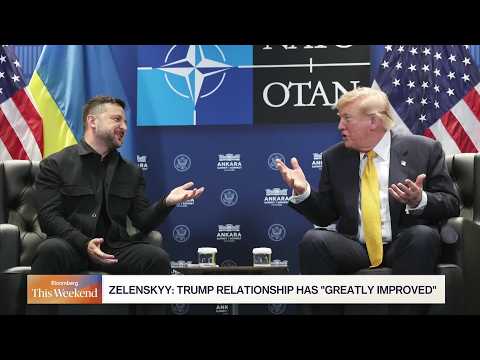
  • Zelenskyy Calls Trump Meeting ‘Good’ Amidst Ukraine War Diplomacy

    Zelenskyy Calls Trump Meeting ‘Good’ Amidst Ukraine War Diplomacy

    Ukrainian President Volodymyr Zelenskyy characterized his recent meeting with U.S. President Donald Trump as ‘good.’ This assessment was shared publicly amidst continuous international diplomatic efforts focused on the ongoing conflict in Ukraine. Zelenskyy’s brief but positive remark provides a glimpse into the nature of the high-level discussions.

    The interaction took place as global attention remains fixed on Eastern Europe. The United States continues to be a pivotal ally for Ukraine. The statement from Kyiv carries weight in international political circles.

    The Context of High-Stakes Diplomacy

    The meeting between President Zelenskyy and President Trump occurred during a period of intense geopolitical activity. World leaders are actively engaged in finding resolutions and managing the humanitarian consequences of the conflict. Discussions often center on military assistance, economic sanctions, and long-term security guarantees.

    President Trump’s administration has maintained a firm stance on international alliances and obligations. His approach to foreign policy has been a subject of ongoing analysis. The specific details of his conversation with President Zelenskyy were not immediately disclosed.

    Diplomatic encounters like this one are crucial for maintaining communication channels. They allow for direct exchanges between heads of state. These dialogues often shape future policy decisions and international cooperation.

    U.S. Support for Ukraine: A Continuing Narrative

    The United States has provided substantial support to Ukraine since the full-scale invasion began in February 2022. This aid has included military equipment, financial assistance, and humanitarian relief. Congressional appropriations have funded many of these initiatives.

    The nature and extent of U.S. assistance have evolved over time. Policy discussions in Washington frequently address the effectiveness of current strategies. Debates also cover the long-term implications of sustained foreign aid.

    President Trump’s perspective on foreign aid and international commitments has been a consistent theme in his political career. His interactions with allies and adversaries are closely watched. They often signal shifts in U.S. foreign policy direction.

    Zelenskyy’s Diplomatic Offensive

    President Zelenskyy has maintained an active international travel schedule. He has engaged with leaders across Europe, North America, and Asia. His objective is to secure continued support for Ukraine’s defense and reconstruction.

    His direct appeals to international bodies and national parliaments have been a hallmark of his wartime leadership. These efforts aim to keep the conflict at the forefront of global consciousness. They also seek to mobilize resources for Ukraine.

    Meetings with key figures like President Trump are strategic. They allow Zelenskyy to present Ukraine’s needs directly. They also provide opportunities to counter narratives that might undermine international solidarity.

    The Role of Presidential Meetings

    Direct meetings between presidents offer unique opportunities for diplomacy. They can bypass bureaucratic channels. They can also foster personal relationships between leaders.

    These high-level discussions often cover sensitive topics. They might include military intelligence sharing, economic sanctions enforcement, or peace negotiation frameworks. The outcomes of such meetings can have immediate and far-reaching impacts.

    The ‘good’ assessment from Zelenskyy suggests a constructive tone to the conversation. However, the specific commitments or agreements made remain unconfirmed. International media outlets are scrutinizing every available detail.

    Global Reactions and Expectations

    International observers are closely monitoring any statements regarding the meeting. European allies, in particular, watch U.S. policy towards Ukraine with keen interest. The unity of the transatlantic alliance is often tested by differing approaches to global crises.

    Russia’s government also pays close attention to these diplomatic exchanges. Statements from Washington and Kyiv are analyzed for any potential shifts in strategy. These analyses inform Moscow’s own foreign policy calculations.

    Experts in international relations often interpret such brief comments within a broader context. They consider past statements, current events, and future political calendars. The goal is to infer the true significance of the interaction.

    The Broader Geopolitical Landscape

    The conflict in Ukraine is part of a larger geopolitical struggle. It involves questions of sovereignty, international law, and the balance of power. The actions of major global players like the United States are central to this dynamic.

    China, India, and other emerging powers also play roles in this complex environment. Their diplomatic stances and economic decisions influence the global response to the conflict. The interconnectedness of the modern world means no major event occurs in isolation.

    The United Nations and various regional organizations, such as NATO and the European Union, are also deeply involved. They provide forums for debate, coordination, and the implementation of collective responses. The meeting between Zelenskyy and Trump contributes to this ongoing multilateral discourse.

    Looking Ahead: Implications for Ukraine

    Zelenskyy’s positive characterization of the meeting could signal continued, or even enhanced, U.S. support. This would be a welcome development for Kyiv. Sustained international aid is crucial for Ukraine’s defense and eventual recovery.

    Conversely, a lack of specific outcomes or a divergence in stated goals could raise concerns. The long-term trajectory of the conflict depends heavily on the consistent backing of Ukraine’s allies. The United States remains its most significant individual donor of military aid.

    The global community awaits further details. Future statements from both the White House and the Office of the President of Ukraine will be critical. They will provide more clarity on the substance and implications of their discussion.

    Economic and Humanitarian Dimensions

    Beyond military aid, economic support is vital for Ukraine’s resilience. The country’s infrastructure has suffered extensive damage. Its economy has been severely impacted by the conflict.

    International financial institutions and donor countries have pledged billions in reconstruction funds. The United States has been a major contributor to these efforts. Discussions between leaders often include strategies for economic recovery and stability.

    Humanitarian concerns also remain paramount. Millions of Ukrainians have been displaced. Access to essential services, food, and medical care is a constant challenge. Diplomatic engagements often address these urgent needs.

    The Path to Resolution

    The ultimate resolution of the conflict in Ukraine remains elusive. Various peace proposals have been put forward by different nations. However, a mutually agreeable framework has yet to emerge.

    Diplomatic meetings, even those with limited public detail, are steps in this complex process. They keep lines of communication open. They also allow for the exploration of potential pathways to de-escalation and peace.

    The ‘good’ meeting between Zelenskyy and Trump could be interpreted as a sign of continued engagement. It suggests that despite potential differences, dialogue remains possible and constructive. The world watches for the next developments.

    Leaders convene. Strategies are debated. Futures are shaped.

    Ukraine.


  • President Trump Hosts Netanyahu and Zelenskyy at White House – A Diplomatic Summit

    President Trump Hosts Netanyahu and Zelenskyy at White House – A Diplomatic Summit

    President Donald Trump convened separate meetings with Israeli Prime Minister Benjamin Netanyahu and Ukrainian President Volodymyr Zelenskyy at the White House on 2026-07-28. These high-profile diplomatic engagements addressed critical geopolitical challenges in the Middle East and Eastern Europe, underscoring the United States’ ongoing role in international affairs.

    The two leaders arrived in Washington D.C. for a series of discussions. Their presence at the White House on the same day, albeit for distinct bilateral talks, drew significant international attention. Each meeting was anticipated to yield important outcomes for their respective regions.

    The White House Diplomatic Calendar

    The White House schedule on 2026-07-28 reflected a robust diplomatic agenda. President Trump engaged in extensive talks with both Prime Minister Netanyahu and President Zelenskyy.

    These meetings were carefully orchestrated to allow for focused discussions on specific national and international priorities. The nature of these separate visits emphasized the unique challenges each nation faces.

    Security protocols were heightened around the Executive Mansion. Preparations for the arrival of two heads of state are always extensive. The diplomatic corps worked to ensure smooth proceedings for both sets of talks.

    Meeting with Prime Minister Benjamin Netanyahu

    Prime Minister Benjamin Netanyahu’s visit focused on the intricate dynamics of the Middle East. His discussions with President Trump were expected to cover a range of topics.

    These included regional security, the ongoing peace process with Palestinian authorities, and Iran’s nuclear program. The relationship between the United States and Israel remains a cornerstone of American foreign policy.

    Netanyahu has a long history of engagement with American presidents. His current tenure as Prime Minister of Israel places him at the center of critical regional decisions. The talks likely included strategies for maintaining stability in a volatile area.

    Middle East Peace Initiatives

    Discussions surrounding Middle East peace initiatives were a primary agenda item. The Trump administration has historically pursued various approaches to this long-standing conflict.

    Previous efforts by the United States have aimed to broker agreements between Israel and its Arab neighbors. The Abraham Accords, signed in 2020, represented a significant step in this direction. These accords normalized relations between Israel, the United Arab Emirates, Bahrain, Sudan, and Morocco.

    The 2026 meeting likely explored avenues for further normalization. It also addressed the complexities of the Israeli-Palestinian conflict. Any potential progress in this area would have wide-ranging implications for global stability.

    Regional Security Concerns

    Regional security concerns also featured prominently. The proliferation of advanced weaponry in the Middle East continues to be a major worry. Iran’s activities in the region are a constant point of tension.

    The United States and Israel share intelligence on various threats. These include state-sponsored terrorism and the actions of non-state actors. Protecting shipping lanes and vital infrastructure is another shared priority.

    Cybersecurity threats, increasingly sophisticated, were also likely on the agenda. Both nations have invested heavily in defensive and offensive cyber capabilities. Collaboration in this domain is essential.

    Meeting with President Volodymyr Zelenskyy

    Following the meeting with Prime Minister Netanyahu, President Trump welcomed Ukrainian President Volodymyr Zelenskyy. Their discussions centered on Ukraine’s sovereignty and territorial integrity.

    The conflict with Russia, which began in 2014 and escalated significantly in 2022, remains a critical international issue. Ukraine continues to rely on international support to defend its borders and citizens.

    President Zelenskyy’s visits to Washington D.C. have consistently sought to reinforce this support. He has advocated for continued military aid, economic assistance, and diplomatic pressure against Russia.

    Continued Support for Ukraine

    The primary focus of the meeting was the continuation of support for Ukraine. This includes military hardware, financial aid, and humanitarian assistance.

    The United States has been a leading provider of aid to Ukraine since the full-scale invasion. Billions of dollars in assistance have been allocated through various packages. This support is crucial for Ukraine’s defense capabilities.

    Discussions likely included future aid packages and the long-term commitment of the United States. Ukraine’s ability to resist aggression depends heavily on a steady flow of resources from its allies.

    Sanctions and Diplomatic Pressure

    Sanctions against Russia were another key topic. The United States and its allies have implemented extensive sanctions targeting the Russian economy, its leadership, and its military industrial complex.

    President Zelenskyy has consistently urged for stronger and more comprehensive sanctions. The goal is to further isolate Russia and diminish its capacity to wage war. Diplomatic pressure on Russia to withdraw its forces was also discussed.

    International forums, such as the United Nations and the G7, have been venues for these diplomatic efforts. The United States plays a central role in coordinating these global responses.

    The Broader Geopolitical Context of 2026

    These White House meetings occur within a complex global environment. The year 2026 presents numerous challenges and opportunities for international diplomacy.

    Economic shifts, technological advancements, and evolving alliances define the current landscape. The United States, as a global power, navigates these currents through its foreign policy.

    The convergence of leaders from two different conflict zones highlights the interconnectedness of global security. Instability in one region can have ripple effects worldwide.

    Shifting Alliances and Power Dynamics

    Global power dynamics are continually shifting. The rise of new economic and military powers influences international relations. Traditional alliances are being re-evaluated and sometimes strengthened.

    The United States maintains a network of alliances across continents. These alliances are vital for collective security and economic cooperation. The meetings with Netanyahu and Zelenskyy reinforce specific bilateral relationships.

    Multilateral organizations also play a role. NATO, for example, remains a critical defense alliance for European security. The United States’ leadership within such bodies is often central to their effectiveness.

    Economic Implications of Global Conflicts

    The economic implications of global conflicts are significant. Supply chains can be disrupted, energy prices can fluctuate, and trade routes can be threatened.

    The conflict in Ukraine, for instance, has had a profound impact on global food and energy markets. Inflationary pressures in many countries are partly attributable to these disruptions. Discussions in Washington D.C. likely touched upon these economic consequences.

    International cooperation is often sought to mitigate these effects. Economic stability is a prerequisite for political stability. Both are intertwined in the current global order.

    The Role of the United States in Global Security

    The United States maintains its position as a key player in global security. Its diplomatic efforts often aim to de-escalate conflicts and promote peaceful resolutions.

    The White House serves as a frequent venue for such high-stakes negotiations. Presidential leadership is critical in shaping international responses to crises. The meetings on 2026-07-28 exemplify this role.

    American foreign policy seeks to protect national interests while also promoting democratic values and human rights. This dual objective often guides its engagement with diverse international partners.

    Humanitarian Concerns and International Law

    Humanitarian concerns are frequently part of diplomatic discussions. Conflicts often result in significant civilian displacement and suffering. International law provides a framework for addressing these issues.

    The United States often provides substantial humanitarian aid to affected regions. This aid includes food, medical supplies, and shelter. Advocacy for compliance with international humanitarian law is also a consistent theme.

    The protection of civilians and the accountability of those who commit war crimes are important aspects of American foreign policy. These principles were likely discussed in the context of both the Middle East and Ukraine.

    Looking Ahead: Future Diplomatic Engagements

    The meetings between President Trump, Prime Minister Netanyahu, and President Zelenskyy are part of an ongoing diplomatic process. They are not isolated events but rather milestones in broader international relations.

    Follow-up discussions, technical meetings, and further diplomatic exchanges are anticipated. The outcomes of these summits will influence future policy decisions and international cooperation.

    The United States will continue to engage with its allies and partners. It will also confront adversaries where necessary. The goal remains a more secure and stable global environment.

    World leaders converged. Critical issues were debated. Alliances were reaffirmed. Washington D.C.


  • Trump’s Ukraine Policy: From Skepticism to Pragmatism – A 2026 Analysis

    Trump’s Ukraine Policy: From Skepticism to Pragmatism – A 2026 Analysis

    President Donald Trump’s perspective on Ukraine has undergone a significant evolution since his first term, transitioning from a stance marked by skepticism about extensive foreign aid to a more pragmatic engagement driven by the realities of Russia’s 2022 full-scale invasion. This shift, highlighted by figures such as former Director of National Intelligence Dan Coats, indicates a recalibration of approach concerning Eastern European geopolitics and the ongoing conflict. The implications of this evolving view extend to global alliances, defense strategies, and the future of Ukrainian sovereignty in 2026.

    This modern policy adjustment represents a response to persistent geopolitical dynamics and the urgent demands of an active conflict zone.

    President Trump’s Evolving View on Ukraine

    The global political landscape has been significantly reshaped in recent years, particularly by Russia’s full-scale invasion of Ukraine in February 2022. This prolonged conflict remains a central flashpoint in international relations, necessitating continuous re-evaluation of national security interests and alliance commitments by world leaders, including President Trump.

    During his first term (2017-2021), President Trump’s initial approach to Ukraine was characterized by a focus on burden-sharing among NATO allies and a skeptical view of extensive foreign aid. His administration often prioritized an ‘America First’ policy, which sometimes led to questions regarding the extent of U.S. commitment to collective security agreements.

    First Term: Skepticism and Scrutiny

    President Trump’s diplomatic efforts during his first term occasionally caused concern among traditional allies. His interactions with Russian leadership were closely scrutinized. Critics often pointed to a perceived softness towards Moscow, which contrasted with the long-standing bipartisan consensus on confronting Russian aggression.

    The initial impeachment proceedings against President Trump in 2019 centered on his dealings with Ukraine. Accusations involved the alleged withholding of military aid to pressure Ukrainian President Volodymyr Zelenskyy into investigating political rivals. This period marked a significant point of contention regarding U.S. policy towards Ukraine and highlighted the internal political divisions surrounding the issue.

    Despite these controversies, the underlying policy during his first administration leaned towards reducing what was perceived as disproportionate U.S. financial and military commitment abroad. This included a critical assessment of the financial contributions of NATO member states and the overall structure of international aid programs.

    The prevailing sentiment from 2017 to 2021 suggested a desire to limit U.S. entanglement in what were seen as regional European conflicts, unless they directly impacted immediate American economic or security interests. This posture shaped the initial U.S. response to the simmering conflict in Eastern Ukraine following the 2014 annexation of Crimea.

    Dan Coats’ Observations on the Policy Shift

    Former Director of National Intelligence Dan Coats has been among those observing a notable change in President Trump’s outlook on Ukraine. Coats served as DNI from 2017 to 2019, providing him with direct insight into the Trump administration’s foreign policy deliberations during a critical period. His comments underscore a potential shift in understanding within the President’s current administration regarding the complexities of the conflict.

    Coats’ analysis, shared in various public forums since 2025, suggests that the sheer scale and persistence of the Ukrainian conflict may have altered President Trump’s previous assumptions. The ongoing resistance by Ukraine, combined with the geopolitical ramifications for Europe and the wider world, could be influencing a more nuanced perspective in 2026.

    According to Coats, the direct challenge posed by Russia’s aggression, particularly after the 2022 invasion, presented a stark reality that transcended earlier policy frameworks. This reality demanded a re-evaluation of how U.S. interests are intertwined with European stability and the principles of national sovereignty.

    Catalysts for Change: The 2022 Invasion

    Several factors likely contribute to this evolving viewpoint. The sustained aggression by Russia, the humanitarian crisis in Ukraine, and the economic impact on global markets are all significant considerations. The unity demonstrated by many European nations in supporting Ukraine also plays a role in shaping international perceptions and policy responses.

    The full-scale invasion of Ukraine in February 2022 marked a turning point. This event dramatically escalated the conflict from a regional issue to a global security crisis. The brutal nature of the invasion, including widespread civilian casualties and destruction, garnered international condemnation and galvanized support for Ukraine across many Western nations.

    This shift in the conflict’s intensity and scope presented a new set of challenges and opportunities for U.S. foreign policy. The invasion underscored the fragility of post-Cold War security arrangements and the potential for large-scale conventional warfare in Europe. It also highlighted the interconnectedness of global economies and the ripple effects of regional instability.

    Furthermore, the domestic political landscape in the United States has continued to evolve. Public opinion regarding foreign interventions and the role of the U.S. in global conflicts is always in flux. President Trump, like any leader, responds to these internal and external pressures in formulating his foreign policy agenda.

    The Current State of U.S.-Ukraine Relations in 2026

    As of 2026, the relationship between the United States and Ukraine remains a critical component of international security. U.S. support, both military and financial, has been vital for Ukraine’s defense efforts. The continuation and nature of this support are directly tied to the foreign policy directives of the sitting U.S. administration.

    President Trump’s second term, which began on January 20, 2025, has seen a renewed focus on several foreign policy areas. While specific details of his current Ukraine strategy are continually being articulated, the general direction points towards a pragmatic approach that balances U.S. interests with global stability concerns. This approach indicates a potential departure from some of the more isolationist tendencies observed in his first term, at least concerning the immediate crisis in Eastern Europe.

    The 2026 posture emphasizes strategic engagement, aiming to achieve a resolution that secures Ukrainian sovereignty while minimizing prolonged U.S. military presence. This involves a calculated provision of advanced weaponry, intelligence sharing, and diplomatic pressure on Russia, often in concert with European allies.

    Implications for NATO and European Security

    The evolution of President Trump’s Ukraine policy carries significant implications for the North Atlantic Treaty Organization (NATO). NATO’s role in collective defense and its posture towards Russia are directly affected by the U.S. commitment to its allies. Any shift in U.S. policy can influence the cohesion and strategic direction of the alliance.

    In 2026, President Trump’s administration has continued to press NATO members to meet their defense spending commitments. However, the tone regarding the alliance’s fundamental value has shifted. There is now a clearer recognition of NATO’s strategic importance in countering Russian aggression, particularly as demonstrated by the direct threat to European stability.

    European security architecture is also at stake. Countries bordering Russia and Ukraine, such as Poland, Romania, and the Baltic states, rely heavily on strong U.S. leadership and military presence. An adjusted U.S. approach could lead to either reinforced deterrence or a re-evaluation of defense strategies by these nations, as they adapt to a more engaged, albeit pragmatic, American stance.

    The enhanced U.S. commitment to providing advanced defense systems to Ukraine, coupled with joint military exercises with NATO allies in Eastern Europe, signals a heightened readiness. This proactive stance aims to deter further Russian expansion and stabilize the region, reflecting the pragmatic shift in policy.

    Economic and Humanitarian Considerations

    The conflict in Ukraine has had profound economic consequences, affecting global energy markets, food supplies, and supply chains. The cost of supporting Ukraine, both in terms of direct aid and sanctions against Russia, has been substantial for the U.S. and its allies. These economic realities factor heavily into any policy decisions.

    The humanitarian crisis, with millions of Ukrainians displaced and countless lives affected, also presents a moral and ethical dimension to foreign policy. International efforts to provide aid and support refugees continue to be a priority for many nations, including the United States. In 2026, U.S. aid programs have been streamlined to maximize efficiency and impact, reflecting a pragmatic approach to humanitarian assistance.

    The economic impact on the U.S. domestic front, including inflation and energy prices, has also influenced policy calculations. President Trump’s administration aims to balance international support with domestic economic stability, seeking solutions that do not unduly burden American taxpayers while still upholding democratic values abroad.

    Domestic and International Pressure

    President Trump’s administration faces both domestic and international pressure regarding its Ukraine policy. Domestically, there are varying viewpoints on the extent of U.S. involvement and the allocation of resources. Public opinion is divided between those advocating for robust intervention and those prioritizing domestic issues or a more isolationist foreign policy.

    Internationally, allies and adversaries alike closely monitor U.S. policy. Allies seek reassurance of continued support and leadership, while adversaries look for signs of weakness or inconsistency. The balancing act between these pressures defines the current administration’s approach to the conflict.

    The diplomatic efforts involve constant communication with European leaders, G7 nations, and the United Nations. These discussions focus on coordinating sanctions, humanitarian aid, and long-term reconstruction plans for Ukraine. The goal is to present a united front against Russian aggression while navigating complex international relationships.

    The ongoing debates in the U.S. Congress reflect the diverse perspectives within the country. Lawmakers from both parties engage in discussions about the level of military aid, the effectiveness of sanctions, and the overall strategic objectives in Eastern Europe. These legislative deliberations shape the practical implementation of President Trump’s foreign policy.

    Ultimately, the evolution of President Trump’s Ukraine policy from initial skepticism to a more pragmatic and engaged stance demonstrates an adaptation to changed global circumstances. The 2022 invasion served as a critical turning point, compelling a re-evaluation of U.S. interests and responsibilities on the international stage. The administration navigates complex geopolitical realities, balancing domestic concerns with the imperative of global stability.

    Observers like Dan Coats have noted this shift. The world watches. The policy continues.

    Ukraine.

  • The Absolute Boundary, Why Sean Penn Refused a Selfie With a Holocaust Survivor

    The Absolute Boundary, Why Sean Penn Refused a Selfie With a Holocaust Survivor

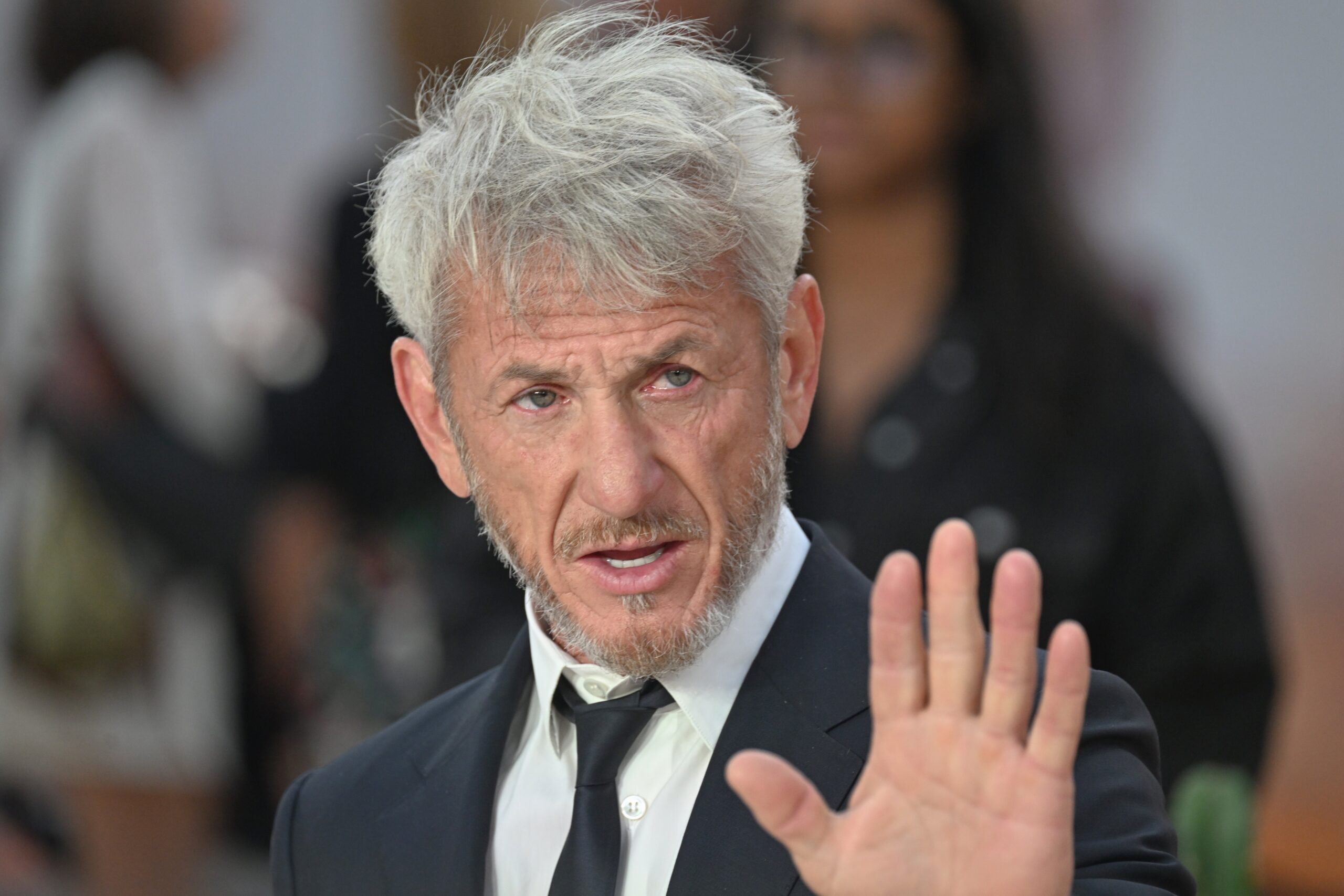
    Sean Penn does not take selfies with fans. The three-time Academy Award-winning actor maintains a strict, zero-exception boundary against digital photographs, preferring to offer a handshake and a brief conversation instead. During a recent interview on CNN with Kaitlin Collins, Penn revealed the absolute nature of this rule by admitting he once denied a selfie request from a Holocaust survivor. He is also skipping the Academy Awards, further cementing his intentional distance from modern celebrity expectations.

    Fame operates on an unspoken social contract. The public provides the attention, and the public figure provides the access. Penn tore up that contract decades ago. His recent admission on national television was not an apology. It was a statement of fact. The digital age demands constant visual proof of proximity to power and fame. Penn refuses to participate in the transaction.

    The CNN Sit-Down

    The revelation occurred on CNN’s The Source with Kaitlin Collins. Penn appeared on the network to discuss geopolitics, his ongoing humanitarian efforts, and the state of American discourse. The conversation eventually shifted toward the mechanics of modern fame. Collins pressed the actor on his interactions with the public.

    Penn delivered the anecdote without hesitation. A fan approached him. The fan revealed they had survived the Holocaust. They asked for a digital photograph. Penn declined.

    He offered a handshake. He offered a conversation. He looked the survivor in the eye. But he did not offer his image to a smartphone camera roll. To make an exception for historical trauma is to admit the rule is flexible. Penn’s rule is rigid. He views the selfie not as a compliment, but as an extraction. It takes a piece of the present moment and flattens it into data.

    The Anatomy of a Refusal

    Refusing a Holocaust survivor violates the ultimate unwritten rule of public relations. The survivor holds the highest moral weight in modern history. The celebrity holds cultural leverage. When the survivor asks for a token, the celebrity complies. It is the easiest public relations victory available.

    Penn rejects public relations. He operates on a different frequency. By using the Holocaust survivor anecdote to illustrate his point, he stress-tests his own boundary in front of a global audience. He tells the public exactly where the line is drawn. Do not ask. If the ultimate survivor gets a “no,” the average fan will receive the exact same answer.

    The refusal is not born of malice. Penn argues that a handshake is a genuine human interaction. A conversation requires presence. A selfie requires performance. It demands a forced smile for a lens. It ends the interaction the moment the shutter clicks. Penn is willing to be a human being in public. He is no longer willing to be a prop.

    A History of Camera Combat

    Penn’s animosity toward the camera lens is not a new development. It is a defining characteristic of his four-decade career. In the 1980s, the camera was a physical weapon in his orbit. His marriage to pop icon Madonna in 1985 turned him into a primary target for print tabloids. Photographers stalked his Malibu residence. Helicopters hovered over their outdoor wedding.

    Penn fought back. The altercations were often physical. In 1987, he was sentenced to 60 days in a Los Angeles County jail for punching an extra on the set of the police drama Colors who took photographs of him without permission. He served 33 days of the sentence.

    The professional paparazzo of the 1980s and 1990s was an adversary Penn could see. They carried heavy equipment. They hid in bushes. They could be confronted. The 21st century changed the battlefield entirely.

    The Death of the Autograph

    In January 2007, Steve Jobs introduced the iPhone. Within a decade, the selfie became the default currency of celebrity interaction. The autograph died a quiet death. An autograph requires a pen, a piece of paper, and a moment of shared focus. A selfie requires proximity and digital permanence.

    Every person on the street became a potential paparazzo. The flashbulb was replaced by the silent glowing screen. For an actor who spent his youth fighting professional photographers, the ubiquity of the smartphone camera was an invasion on a massive scale.

    Penn adapted by drawing a hard line. He could not punch every fan with an iPhone. Instead, he instituted the blanket refusal. The logic is simple. If you take one photograph, a crowd gathers. The crowd demands equal treatment. The human interaction devolves into an assembly line of digital captures. The only way to win the game is to refuse to play.

    The Oscar Boycott

    This refusal to play the Hollywood game extends to the industry’s biggest night. Penn confirmed he is skipping the Academy Awards. The Dolby Theatre in Los Angeles will host the ceremony. The champagne carpet will be rolled out. Penn will be elsewhere.

    This absence aligns with a pattern established in recent years. Penn won Best Actor in 2004 for Mystic River. He won again in 2009 for Milk. He has the hardware. He no longer has the patience for the pageantry.

    In March 2022, Penn issued a public ultimatum to the Academy of Motion Picture Arts and Sciences. He demanded the Academy allow Ukrainian President Volodymyr Zelenskyy to speak during the telecast to raise awareness for the Russian invasion. If they refused, Penn vowed to smelt his own Oscar statuettes in public.

    The Academy declined to feature Zelenskyy. Penn did not smelt his trophies on television, but he took a different symbolic action. In November 2022, he traveled to Kyiv. He sat with President Zelenskyy. He placed one of his Best Actor statuettes on the president’s desk. He told Zelenskyy to keep it until Ukraine won the war. The trophy remains in the Ukrainian capital.

    The Shift to Geopolitics

    Penn’s detachment from Hollywood coincides with his deep dive into global crises. His focus shifted from soundstages to disaster zones more than a decade ago. In January 2010, a catastrophic 7.0 magnitude earthquake struck Port-au-Prince, Haiti. Hundreds of thousands of people died. The international response was chaotic.

    Penn did not just write a check. He flew to Haiti. He established the J/P Haitian Relief Organization, which later evolved into CORE (Community Organized Relief Effort). He lived in a tent city. He managed logistics. He organized medical evacuations. He stayed for months.

    In February 2022, he was on the ground in Kyiv when Russian tanks crossed the border. He was there to direct a documentary about Zelenskyy, a former comedian turned wartime leader. The project, titled Superpower, evolved from a political profile into a war diary. Penn and co-director Aaron Kaufman captured the first hours of the invasion from inside the presidential bunker.

    These environments demand absolute reality. The stakes are life and death. The Hollywood apparatus, by contrast, demands absolute performance. The stakes are box office receipts and vanity. Penn cannot reconcile the two. He has seen the rubble in Port-au-Prince. He has heard the air raid sirens in Kyiv. Walking a red carpet in Los Angeles feels absurd in comparison.

    The Modern Celebrity Boundary

    Penn is not entirely alone in his anti-selfie stance. A quiet movement is growing among a specific tier of actors. Cillian Murphy, who swept the awards circuit for his role in Oppenheimer, politely declines photographs in favor of brief chats. Joaquin Phoenix has long avoided the camera outside of a film set. Emma Watson stopped taking selfies with fans to prevent her exact location from being broadcast to the internet in real-time.

    The parasocial relationship has reached a breaking point. Fans feel a false sense of intimacy with public figures. They consume their movies, follow their press tours, and read their interviews. When they spot the actor in public, they feel entitled to a piece of them. The selfie is the ultimate proof of that entitlement.

    Penn’s articulation of the boundary is simply the most extreme. He removes the polite excuses. He does not cite security concerns like Watson. He does not cite shyness like Murphy. He cites a fundamental rejection of the medium. He refuses to be flattened into a digital artifact for a stranger’s social media feed.

    The Value of the Handshake

    The alternative Penn offers is rooted in an older era. The handshake. The eye contact. The spoken word. In a society obsessed with digital documentation, an undocumented moment feels like a lost opportunity to the fan. If it is not on Instagram, it did not happen.

    Penn challenges that assumption. A conversation with a two-time Academy Award winner is a rare occurrence. It is a memory. Penn asks the public to value the memory over the photograph. He asks them to be present. It is a difficult request for a modern audience to process.

    When the Holocaust survivor asked for the photo, the survivor was operating under the modern rules of engagement. Penn enforced his own rules. The handshake was offered. The boundary was held. The moment passed, undocumented and unrecorded, existing only in the minds of the two men who stood there.

    The Final Frame

    Hollywood will gather at the Dolby Theatre. The champagne will flow. The speeches will be delivered. The winners will hold their golden statues aloft for the press pool. Outside the barricades, fans will hold up their glowing screens, desperate to capture a pixelated glimpse of the elite.

    The machine will run exactly as it was designed to run. The transaction of fame will continue. The public will demand access, and the stars will provide the performance.

    The red carpet rolls out. The flashbulbs fire. The cameras focus. One man walks the other way.