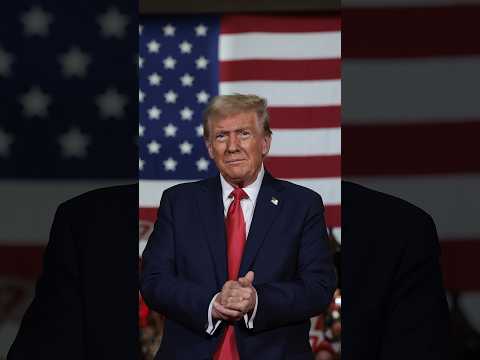
President Donald Trump’s administration has initiated specific policy changes that are significantly reshaping international student migration to the United States. This includes heightened scrutiny in visa applications, adjusted conditions for work permits, and a redefined immigration rhetoric. These actions directly impact American higher education institutions, scientific research, and broader discussions concerning national identity and global engagement. The administration’s focus on immigration reform and national security has led to a fundamental re-evaluation of long-standing practices regarding foreign students and scholars.
A Shifting Landscape for International Students
The United States has historically served as the primary global destination for international students pursuing higher education. American universities have long benefited from the intellectual contributions, cultural diversity, and substantial economic impact these students provide. However, recent policy adjustments signal a clear departure from previous, more open approaches, introducing new complexities for those aspiring to study in America.
Increased Visa Scrutiny and Conditions
A core component of this shift involves heightened scrutiny within the visa application processes. New guidelines have been implemented to review applicants more rigorously. There have also been changes in the duration and specific conditions attached to certain student visas, particularly affecting post-graduation opportunities.
This increased oversight is explicitly designed to align student immigration with national security objectives. It also considers labor market protection, aiming to ensure that international student flows do not negatively impact domestic employment opportunities. These measures reflect a broader administration strategy to control immigration more tightly across all categories.
Impact of Rhetoric and Perception
Beyond explicit policy, the prevailing rhetoric surrounding immigration has played a significant role. Public statements and policy directives from the Trump administration have often conveyed a less welcoming atmosphere for non-citizens. This messaging has contributed to an environment where international students and scholars perceive increased barriers and potential discrimination.
This perception is a critical factor influencing decisions on where to pursue higher education. Many prospective students now weigh the perceived welcome and stability of the United States against other countries with more consistently open immigration policies. The ‘America First’ stance has, in some cases, translated into a less attractive proposition for global talent.
Consequences for American Higher Education
American universities are experiencing direct and measurable consequences from these altered student migration trends. Enrollment numbers for international students have shown fluctuations and, in some key demographics, declines since 2025. This trend is particularly acute in specific fields and at institutions heavily reliant on international tuition fees.
Financial Pressures on Institutions
Many universities, especially public institutions and those with significant research infrastructure, depend on the higher tuition rates paid by international students. A reduction in these enrollments necessitates financial adjustments, potentially leading to budget cuts, reduced program offerings, or increased reliance on other funding sources. This creates instability in university financial models.
The economic contribution of international students extends beyond tuition. They contribute billions of dollars annually to the US economy through living expenses, housing, and local purchases. A decrease in their numbers consequently impacts local economies surrounding university towns.
Impact on Research and Innovation
Research programs, particularly in critical STEM (Science, Technology, Engineering, and Mathematics) fields, have historically thrived on a diverse global talent pool. International students and scholars often fill vital roles in university labs and research teams, contributing to groundbreaking discoveries and technological advancements. A reduction or shift in international student enrollment can directly affect the diversity, capacity, and global competitiveness of these programs.
Collaborations with international partners may also see significant changes as cross-border movement becomes more regulated and unpredictable. The free exchange of ideas and talent, a hallmark of scientific progress, faces new impediments. This could lead to a decline in America’s leadership in certain scientific and technological sectors over the long term.
National Identity and Economic Competitiveness Debates
The reshaping of student migration is intrinsically linked to broader, ongoing questions of national identity within the United States. Policies are often framed within a narrative of prioritizing American workers and national interests above all else. This perspective suggests a desire to control precisely who enters the country and for what purpose, emphasizing a more narrowly defined national identity.
Prioritizing American Workers and Security
Economic competitiveness is a critical aspect of this debate. Proponents of stricter migration policies argue that a more controlled influx of foreign talent ensures that American graduates are prioritized in the job market. This perspective suggests that unrestricted international student flows could potentially displace domestic workers in high-demand fields. They also contend that certain fields of study and research, particularly those involving sensitive technologies or defense applications, should be safeguarded for national security reasons, limiting foreign access.
This viewpoint emphasizes self-reliance and protectionism, suggesting that a strong national identity is built upon securing domestic opportunities and knowledge. It challenges the long-held belief that open borders for talent inherently benefit the nation.
The Economic Contributions of International Students
Conversely, many economists, educators, and business leaders argue that international students contribute significantly and positively to the American economy. They point out that these students typically pay full, unsubsidized tuition, thereby subsidizing domestic students and university operations. Furthermore, many graduates from US institutions, particularly in STEM fields, remain in the country to work in high-demand sectors, contributing to innovation and economic growth.
These students also contribute to local economies through their living expenses, housing, and consumption of goods and services. Restricting their entry, therefore, could lead to a measurable loss of economic vitality and potentially a decline in America’s global standing as a hub for innovation and entrepreneurship. This perspective advocates for a national identity that embraces global talent and diversity as strengths.
Key Policy Mechanisms and Their Effects
Several specific policy mechanisms have contributed directly to the current environment and the altered migration patterns. These are not merely rhetorical shifts but concrete administrative actions that affect individuals.
Enhanced Background Checks and Visa Processes
The administration has implemented significant enhancements to background checks for all visa applicants, including students. This involves more extensive vetting procedures and, in some cases, longer processing times. The goal is to identify potential security risks more effectively and ensure compliance with immigration laws. These changes can create uncertainty and delays for prospective students, making the US a less predictable choice.
Adjustments to Post-Graduation Work Permits
The review processes for Optional Practical Training (OPT) and other post-graduation work permits have also been adjusted. OPT allows international students to work in the US for a period related to their field of study after graduation. Changes to these programs, or even the perception of potential changes, can deter students who view post-study work opportunities as crucial to their educational investment. These adjustments aim to ensure that these programs serve their intended purpose without undermining the domestic labor market.
Role of Federal Agencies
The Department of Homeland Security (DHS) and the State Department have been instrumental in implementing these administrative changes. Their directives influence how visa interviews are conducted at consulates worldwide and how applications are processed. The consistency and predictability of these processes are paramount for prospective students and their advisors. Any perceived arbitrariness or sudden shifts can significantly impact enrollment decisions globally.
Global Competition for Talent
International organizations and foreign governments are observing these developments closely. Countries like Canada, Australia, and the UK are actively working to attract international students who might otherwise have chosen the United States. They are streamlining their visa processes and offering incentives to global talent. This intensifying competition for skilled individuals and academic minds underscores the significant implications of America’s immigration policies on its long-term global influence and innovation capacity.
The Future of Global Education Engagement
The long-term implications of these policies are still unfolding and will continue to shape the global education landscape for years to come. Universities are actively adapting to this new reality by strengthening recruitment efforts in diverse regions and emphasizing the unique value proposition of American education, despite the policy headwinds. They are also advocating for federal policies that strike a better balance between national interests and the undeniable benefits of international academic exchange.
Discussions continue regarding the optimal balance between national security, economic prosperity, and the open exchange of ideas that fuels innovation. The vital role of international students in fostering scientific breakthroughs, promoting diplomacy, and enhancing cultural understanding remains a central theme in these ongoing debates. The administration’s evolving approach will undeniably continue to shape how the United States engages with the global academic community.
Policymakers, educators, industry leaders, and advocacy groups are engaging in continuous dialogues. They seek to understand the full scope of these changes, predict future scenarios, and strategize for maintaining America’s competitive edge. The overarching goal is to ensure that the United States remains a beacon of educational excellence and a magnet for global talent, even while upholding its national priorities.
Diverse Reactions and Perspectives on Policy Shifts
Stakeholders across the education sector have expressed a wide array of reactions to these policy shifts. Many university presidents, faculty members, and researchers emphasize the profound importance of diversity and international collaboration for academic enrichment and research vitality. They consistently highlight the invaluable contributions of international students to groundbreaking research, diverse classroom discussions, and the overall intellectual environment of American campuses. Their perspective often centers on the idea that global talent is a national asset.
Support for National Interest Prioritization
Conversely, some political figures, public interest groups, and portions of the electorate express strong support for the administration’s policies. They view the changes as necessary steps to protect national borders, enhance security, and prioritize the economic welfare of American citizens. Their perspective often centers on the idea of controlling immigration flows to safeguard domestic jobs and national resources. They argue that a more controlled approach ensures that the benefits of education and research primarily serve American interests.
Calls for Balanced Approaches
Other groups advocate for a more balanced approach. They acknowledge the need for national security and economic considerations but stress the long-term benefits of attracting and retaining global talent. These groups often propose streamlined visa processes, clearer post-graduation pathways, and more consistent, welcoming rhetoric. They argue that an overly restrictive environment could inadvertently harm America’s standing as a global leader in innovation and education, pushing top talent to competitor nations.
The ongoing dialogue reflects a complex interplay of economic, security, and cultural values. The administration’s policies are forcing a national reckoning with what kind of global engagement best serves the United States in the 21st century.
Universities adapting. Researchers innovating. Policymakers debating. The flow of minds continues, seeking opportunity. The world watches. The future of global education unfolds. America.