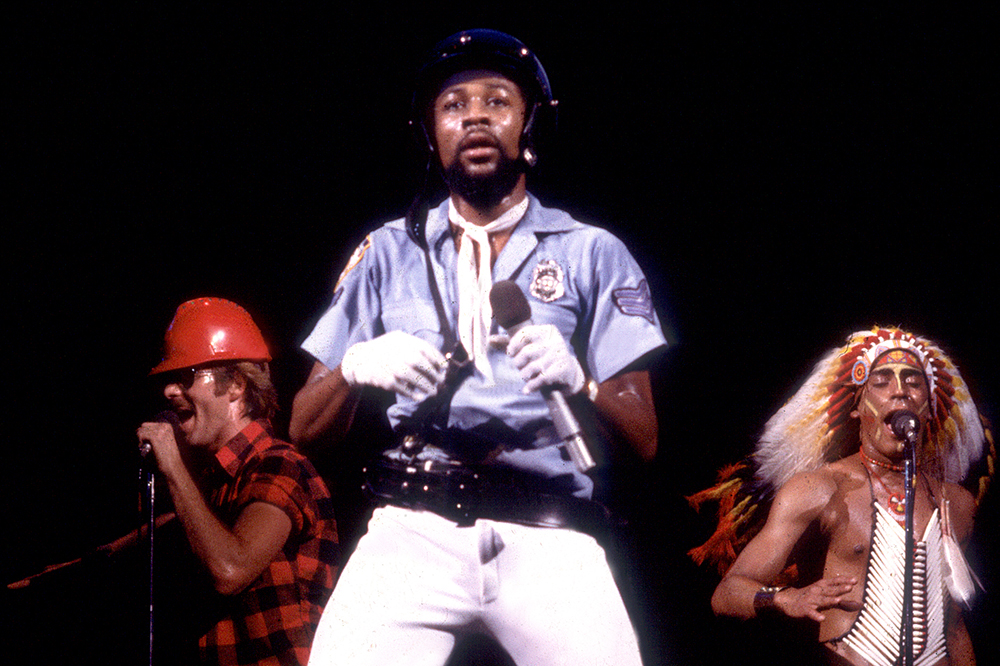
Victor Willis, the original lead singer and co-writer of the global anthem ‘YMCA’ for the iconic disco group Village People, has died at 74. Willis’s powerful baritone and distinctive stage presence defined the group’s image during their peak in the late 1970s. His contributions extended beyond performance, as he helped craft the lyrics and melodies that became synonymous with an entire musical era.
His passing on an unspecified date prior to July 1, 2026, marks a significant moment for fans of disco music and pop culture. Willis’s legacy is intertwined with the joyous, inclusive spirit the Village People brought to audiences worldwide. The impact of his work continues to be felt in popular culture, from sporting events to global celebrations.
The Genesis of an Icon: Victor Willis and the Village People
The Village People formed in 1977, conceived by French producers Jacques Morali and Henri Belolo. Their vision was to create a disco group that celebrated American masculinity and gay culture stereotypes. Victor Willis, discovered by Morali, became the first member recruited for the project.
Willis initially worked as a session singer for Morali. He possessed the vocal talent and stage charisma the producers sought. His early involvement was crucial in shaping the group’s sound and direction.
Morali and Belolo then sought additional performers to embody specific archetypes. These included a construction worker, a cowboy, a G.I., a leather man, and an Indian chief. Willis adopted the persona of a policeman, later also portraying an admiral.
The group’s name, ‘Village People,’ was a direct reference to New York City’s Greenwich Village. This neighborhood was a prominent center of gay culture at the time. The name subtly signaled the group’s intended audience and themes.
The Rise to Stardom: ‘YMCA’ and Global Phenomenon
The Village People quickly achieved commercial success. Their self-titled debut album, released in 1977, introduced their unique sound and imagery. However, it was their subsequent albums that launched them into global superstardom.
1978 proved to be their breakthrough year. The album ‘Cruisin” featured the hit single ‘YMCA.’ Victor Willis co-wrote the lyrics for this song, which became an instant classic.
‘YMCA’ became a worldwide phenomenon, reaching number 2 on the Billboard Hot 100 chart in the United States and number 1 in the United Kingdom. Its infectious chorus and accompanying arm movements made it a staple at parties, sporting events, and cultural gatherings.
The song’s popularity transcended its original disco context. It became an anthem for celebration and unity. Its simple, memorable choreography fostered widespread audience participation, cementing its place in pop culture history.
Another major hit from the same period was ‘Macho Man.’ This track further solidified the group’s image and appeal. Willis’s lead vocals were central to the success of both songs.
The album ‘Go West,’ also released in 1979, yielded another significant hit, ‘In the Navy.’ This song continued the group’s tradition of celebratory, character-driven anthems. It was even adopted by the U.S. Navy for recruitment campaigns.
Willis’s Creative Contributions
Victor Willis was not just the lead vocalist; he was also a significant creative force. He co-wrote lyrics for many of the Village People’s most enduring tracks. His songwriting contributions included ‘YMCA,’ ‘Macho Man,’ and ‘In the Navy.’
His collaboration with Jacques Morali was key to the group’s lyrical identity. Willis infused the songs with a blend of playful innuendo and universal themes of camaraderie and self-expression. This lyrical depth, combined with Morali’s catchy melodies, created their signature sound.
Willis’s background in theater and R&B music influenced his performance style. He brought a theatrical flair to the Village People’s live shows. His stage presence was dynamic and engaging, captivating audiences around the world.
Departure and Returns: A Complex History
Victor Willis departed from the Village People in 1980. His departure occurred during the production of the film ‘Can’t Stop the Music.’ Ray Simpson took over as the lead singer for the movie and subsequent albums.
The film, despite featuring the group, was a commercial and critical failure. It contributed to the decline of disco’s mainstream popularity. The Village People’s commercial success waned after Willis’s initial departure.
Willis returned to the group for a period in 1982. This brief reunion saw him perform with the group on various engagements. However, he left again shortly thereafter.
Over the years, various lineups of the Village People toured. Different vocalists assumed the role of the policeman character. The original members often had complex relationships with the group’s creators and management.
In the 2000s, Willis reasserted his rights to the songwriting copyrights. A landmark legal battle ensued regarding his ownership stakes in the compositions. In 2012, a U.S. federal court ruled in his favor, granting him termination rights to his share of the copyrights for songs he co-wrote.
This legal victory was significant. It allowed Willis to regain control over his creative output. It also set a precedent for other artists seeking to reclaim their publishing rights.
Willis later launched his own version of the Village People, often performing as ‘Victor Willis and the Original Village People.’ This allowed him to perform his original material and maintain his artistic vision.
Beyond the Music: Cultural Impact and Legacy
The Village People, with Victor Willis at the helm, became more than just a musical act. They became a cultural phenomenon. Their music and imagery resonated deeply within the LGBTQ+ community, offering a sense of pride and celebration.
The group’s personas, while initially based on stereotypes, evolved into symbols of individuality and strength. ‘YMCA’ in particular, became an anthem embraced by diverse audiences, regardless of background or identity.
The song’s enduring popularity is evident in its continued use at major sporting events, weddings, and public gatherings. It is often played at events for the New York Yankees and various other sports teams globally. Its simple, joyful message has transcended generations.
Willis’s contributions ensured the Village People’s place in music history. His powerful voice and songwriting talent helped create a catalog of songs that continue to bring smiles and inspire movement. The group’s influence can be seen in subsequent acts that blend music with strong visual identities and theatrical performances.
His ability to blend disco’s infectious energy with meaningful, albeit often playful, lyrics was a hallmark of his artistry. He crafted songs that were both danceable and memorable, leaving an indelible mark on the sound of the late 1970s.
A Fond Farewell: Remembering Victor Willis
Victor Willis’s passing evokes a wave of nostalgia for an era of vibrant music and cultural shifts. His voice was the sound of liberation and celebration for millions. His work helped define disco’s golden age.
Tributes from fellow musicians, fans, and cultural commentators have begun to emerge. Many acknowledge his pivotal role in the Village People’s success and the lasting impact of their music.
His family has requested privacy during this time. Details regarding memorial services have not been publicly announced as of July 1, 2026.
The songs he helped create continue to play on radio stations, at parties, and in the hearts of fans worldwide. His legacy is one of joy, rhythm, and an undeniable contribution to the fabric of popular music.
Musicians mourned. Fans remembered. The disco beat played on.
Victor Willis.