Tag: Usmca

  • Trump Threatens Tariffs on Mexico Over Contaminated Lettuce Concerns

    Trump Threatens Tariffs on Mexico Over Contaminated Lettuce Concerns

    President Trump Considers Tariffs on Mexico Over Lettuce Contamination

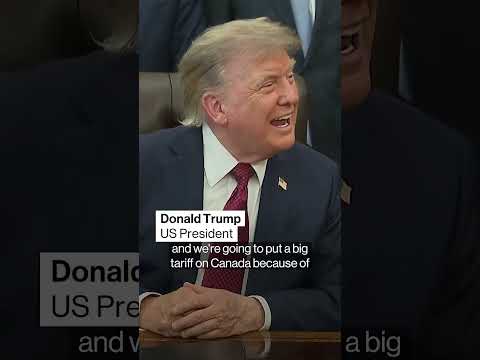
    President Donald Trump has publicly threatened to impose tariffs on imports from Mexico, specifically citing concerns about lettuce originating from the country causing diarrhea among consumers. This declaration, reported on July 27, 2026, from a Bloomberg Television feed, signals a potential escalation in trade relations between the two nations, driven by public health and food safety issues.

    The threat of tariffs represents a significant policy tool. It can alter economic dynamics between trading partners. For Mexico, a major agricultural exporter to the United States, such tariffs could have substantial economic repercussions.

    The Nexus of Food Safety and Trade Policy

    Food safety remains a critical public health issue. Contamination in produce, particularly leafy greens, has been a recurring concern for health authorities in the United States. Bacterial outbreaks linked to imported foods can lead to widespread illness and significant economic losses for affected industries.

    President Trump’s administration has previously utilized tariffs as a key component of its trade strategy. These measures are often employed to exert pressure on other nations to comply with specific demands or to address perceived economic imbalances. The current threat against Mexico over lettuce contamination follows this established pattern.

    Previous Food Safety Incidents and Their Impact

    Concerns about foodborne illnesses linked to produce are not new. In recent years, several outbreaks of E. coli and Salmonella have been traced to various types of fresh produce, including romaine lettuce. These incidents have prompted increased scrutiny of agricultural practices and supply chain management, both domestically and internationally.

    For example, in 2018, a widespread E. coli outbreak linked to romaine lettuce grown in Yuma, Arizona, sickened over 200 people across 36 states and resulted in five deaths. This event led to significant recalls and public health advisories. Such incidents underscore the gravity of food safety concerns and the potential for severe public health consequences.

    The Food and Drug Administration (FDA) and the Centers for Disease Control and Prevention (CDC) are primary federal agencies responsible for monitoring and responding to foodborne illness outbreaks. Their investigations often involve tracing contaminated products back to their source farms or processing facilities, a process that can be complex and time-consuming, especially with international supply chains.

    Agricultural Imports from Mexico: A Significant Volume

    Mexico is a leading supplier of fresh produce to the United States. A wide variety of fruits and vegetables, including tomatoes, avocados, and leafy greens, are imported across the southern border daily. This trade relationship is vital for both economies, supporting agricultural industries and providing consumers with diverse food options.

    In 2025, agricultural imports from Mexico to the United States exceeded tens of billions of dollars. Leafy greens, such as lettuce, constitute a significant portion of these imports. Any disruption to this trade, such as the imposition of tariffs, could affect consumer prices and the availability of certain produce items in American supermarkets.

    Economic Implications of Tariffs

    The imposition of tariffs on Mexican agricultural products, particularly lettuce, would have multifaceted economic consequences. For Mexican farmers and exporters, it would mean increased costs and reduced competitiveness in the U.S. market, potentially leading to financial hardship and job losses.

    In the United States, consumers might face higher prices for fresh produce. Retailers and food service providers would also need to adjust their sourcing strategies, potentially seeking alternative suppliers or absorbing increased costs. The economic ripple effects could extend throughout the agricultural supply chain.

    Economists often debate the effectiveness of tariffs as a policy tool. While proponents argue they can protect domestic industries or compel foreign governments to change policies, critics point to potential negative impacts on consumers, international relations, and global trade stability. The current threat from President Trump reignites these debates.

    The Role of International Regulations and Standards

    International trade agreements often include provisions related to food safety and phytosanitary standards. These agreements aim to ensure that imported foods meet the health and safety requirements of the importing country while facilitating trade. Disputes over these standards can become contentious issues in bilateral and multilateral relations.

    The United States and Mexico are parties to the United States-Mexico-Canada Agreement (USMCA), which replaced NAFTA in 2020. USMCA includes chapters on sanitary and phytosanitary measures, outlining principles for food safety regulations and dispute resolution mechanisms. Any tariff action based on food safety concerns would likely be scrutinized under the terms of this agreement.

    Stakeholder Reactions and Future Steps

    Various stakeholders are monitoring this situation closely. Agricultural industry groups in both the United States and Mexico would likely express concerns over potential tariffs, advocating for solutions that do not disrupt trade flows. Consumer advocacy groups, on the other hand, might emphasize the importance of robust food safety measures.

    Government agencies, including the Department of Agriculture (USDA) and the Office of the U.S. Trade Representative (USTR), would be involved in assessing the feasibility and implications of such tariffs. Their analyses would consider economic data, trade agreements, and public health objectives.

    The precise nature and scope of any potential tariffs remain to be seen. President Trump’s statements often serve as negotiating tactics, indicating a strong stance that may or may not culminate in immediate action. However, the explicit mention of lettuce and diarrhea points to a specific and pressing concern for the administration.

    The Broader Context of U.S.-Mexico Relations

    Trade relations between the United States and Mexico have been a consistent theme throughout President Trump’s presidency. Issues such as border security, immigration, and manufacturing have frequently shaped the bilateral agenda. Food safety now adds another layer to this complex relationship.

    The interdependence of the two economies means that actions taken by one nation often have direct consequences for the other. This latest development underscores the interconnectedness of their agricultural sectors and the shared interest in ensuring safe and efficient cross-border trade.

    Ultimately, the resolution of this issue will likely involve diplomatic negotiations, scientific assessments of food safety protocols, and economic considerations. The threat of tariffs serves as a powerful signal, intended to prompt action and attention to the stated concerns.

    Addressing Food Safety in Global Supply Chains

    Ensuring food safety in global supply chains is a complex challenge. It requires collaboration between governments, industry, and international organizations. Harmonizing standards, improving traceability, and investing in advanced testing technologies are all crucial components of a robust food safety system.

    The current discussion about Mexican lettuce highlights the need for continuous vigilance. It also emphasizes the importance of clear communication channels between regulatory bodies in different countries. These channels are essential for quickly identifying and mitigating risks.

    Agricultural practices, from farm to fork, play a pivotal role. Adherence to Good Agricultural Practices (GAPs) and Good Manufacturing Practices (GMPs) helps minimize contamination risks. These practices are often voluntary but are increasingly becoming standard expectations for producers supplying international markets.

    Consumer Confidence and Public Health

    Public confidence in the safety of the food supply is paramount. When outbreaks occur, consumer trust can erode rapidly. This erosion can lead to decreased demand for certain products and significant losses for businesses. Therefore, governments and industries have a strong incentive to prevent foodborne illnesses.

    Educational campaigns for consumers about safe food handling and preparation are also important. While much of the responsibility lies with producers and regulators, informed consumers can further reduce risks in their own homes. This multi-pronged approach strengthens the overall food safety framework.

    The dialogue surrounding tariffs on Mexican lettuce underscores these broader themes. It brings to the forefront the challenges of managing a global food system. It also highlights the constant need to balance economic interests with public health imperatives.

    Looking Ahead: Potential Outcomes

    Several outcomes are possible regarding President Trump’s tariff threat. Mexico may implement stricter inspection protocols for its lettuce exports. The United States could increase its own inspection efforts at the border. Diplomatic discussions could lead to a mutual agreement on enhanced food safety cooperation.

    Alternatively, tariffs could be imposed, leading to trade disputes and economic disruptions. The situation remains fluid. It will require careful monitoring by all parties involved. The ultimate goal for both nations is to ensure the safety of food consumed by their populations while maintaining a productive trade relationship.

    Consumers watch. Industries watch. Governments watch.

    Washington.

    FAQ Section

    • What is President Trump’s reason for threatening tariffs on Mexico?

      President Trump has threatened tariffs on Mexico due to concerns about imported lettuce causing diarrhea. This indicates a focus on food safety within the broader context of trade relations.

    • How would tariffs on Mexican lettuce impact the U.S. economy?

      Tariffs on Mexican lettuce could lead to higher prices for consumers in the United States and may require retailers to seek alternative, potentially more expensive, suppliers. It could also disrupt established supply chains for fresh produce.

    • What government agencies are involved in addressing food safety concerns in imported produce?

      The Food and Drug Administration (FDA) and the Centers for Disease Control and Prevention (CDC) are key U.S. government agencies involved in monitoring foodborne illnesses and ensuring the safety of imported produce. The Department of Agriculture (USDA) also plays a role in agricultural trade and standards.

    • Has the U.S. previously imposed tariffs on Mexico for similar reasons?

      While President Trump’s administration has previously used tariffs as a trade tool against Mexico for various reasons, including immigration and economic leverage, this specific threat linked directly to food safety concerns about produce contamination is a distinct application of the policy.

    • What measures can be taken to ensure the safety of imported lettuce?

      Ensuring the safety of imported lettuce involves implementing stringent agricultural practices, enhancing inspection and testing protocols at various points in the supply chain, and fostering international cooperation on food safety standards between exporting and importing nations.

  • US Imposes 50% Tariff on Canadian Goods – The Economic Repercussions

    US Imposes 50% Tariff on Canadian Goods – The Economic Repercussions

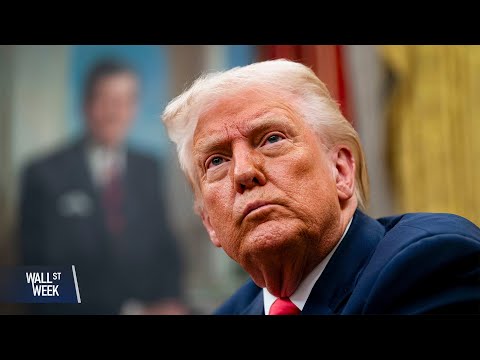
    On July 20, 2026, the United States government announced the imposition of a 50% tariff on a significant number of goods imported from Canada. This declaration marks a substantial escalation in trade policy between the two North American neighbors, initiated by the administration of President Donald Trump. The tariffs are expected to reverberate across various economic sectors, influencing everything from manufacturing costs to consumer spending habits in both nations.

    The announcement, which originated from Bloomberg Television’s ‘Balance of Power’ program, immediately generated widespread discussion among economists, policymakers, and industry leaders. The move is framed as a strategic decision, though its precise motivations and expected outcomes remain subjects of intense scrutiny. It follows a period of evolving trade dynamics and underscores a more protectionist stance in US economic foreign policy.

    The Scope and Immediate Impact of the Tariffs

    The 50% tariff is not universal but applies to a specified list of Canadian goods. While the full list is extensive, initial reports indicate it includes products from key Canadian industries such as certain agricultural commodities, raw materials, and manufactured components. This targeted approach suggests an attempt to exert pressure on specific Canadian economic sectors.

    For American businesses, the immediate impact will be an increase in the cost of importing these Canadian goods. Companies that rely on Canadian suppliers for raw materials or intermediate products will face higher input costs. These costs may then be passed on to consumers, potentially leading to increased prices for a range of retail items.

    Canadian exporters, conversely, will see their products become significantly less competitive in the US market. A 50% tariff effectively doubles the price for American buyers, making it challenging for Canadian businesses to maintain their market share. This could lead to reduced export volumes, impacting Canadian production and employment.

    Historical Context of US-Canada Trade Relations

    Trade relations between the United States and Canada have historically been among the most robust and integrated in the world. The two countries share the longest undefended border and have a deeply intertwined economy, facilitated by agreements such as the North American Free Trade Agreement (NAFTA), which was later renegotiated into the United States-Mexico-Canada Agreement (USMCA).

    The USMCA, which came into effect in July 2020, aimed to modernize and rebalance trade among the three North American nations. It addressed areas such as digital trade, intellectual property, and labor standards. The current tariff imposition, however, introduces a new dynamic that deviates sharply from the spirit of open trade that underpinned both NAFTA and USMCA.

    Previous Trade Disputes and Resolutions

    While generally cooperative, US-Canada trade has seen periodic friction. Disputes over softwood lumber, dairy products, and steel have arisen at various times. These disagreements were often resolved through bilateral negotiations or via dispute resolution mechanisms established under trade agreements.

    The current 50% tariff, however, is notable for its broad scope and high percentage. Previous tariffs, while impactful, rarely reached such levels across a diverse range of products. This suggests a more aggressive posture than typically observed in past trade skirmishes.

    Economic Theory Behind Tariffs

    Tariffs are taxes imposed on imported goods and services. They are typically used by governments for several reasons: to protect domestic industries from foreign competition, to generate revenue, or as a bargaining chip in international negotiations.

    From an economic standpoint, tariffs have both intended and unintended consequences. While they can make domestic goods more attractive by increasing the price of imports, they can also lead to higher costs for consumers, reduced trade volumes, and potential retaliatory tariffs from affected countries.

    Arguments for and Against Tariffs

    Proponents of tariffs often argue that they safeguard domestic jobs, encourage local production, and address trade imbalances. They contend that tariffs can level the playing field if other countries are perceived to be engaging in unfair trade practices, such as subsidizing their industries or manipulating currency.

    Critics, however, point to the potential for trade wars, where countries impose tariffs on each other’s goods, leading to a general decline in global trade and economic growth. They argue that tariffs increase costs for consumers, reduce product variety, and can harm export-oriented domestic industries that rely on imported components or face foreign retaliation.

    Potential Canadian Response

    The imposition of a 50% tariff by the United States is likely to elicit a strong response from Canada. Historically, countries facing such measures have often retaliated with their own tariffs on goods from the imposing nation.

    Canada’s government will face significant pressure from its affected industries and the public to take action. Potential retaliatory measures could include tariffs on US agricultural products, manufactured goods, or other key exports to Canada. Such actions would further complicate the economic landscape for businesses on both sides of the border.

    Beyond direct tariffs, Canada might also pursue diplomatic avenues, appealing to international trade bodies or seeking to engage in direct negotiations with the US government to de-escalate the situation. The nature and speed of Canada’s response will be critical in shaping the trajectory of this trade dispute.

    Impact on North American Supply Chains

    The highly integrated nature of North American supply chains means that tariffs on Canadian goods will have far-reaching effects. Many US manufacturers rely on components or raw materials sourced from Canada. Conversely, Canadian industries often depend on US inputs.

    A 50% tariff disrupts these established networks, forcing businesses to seek alternative suppliers or absorb significantly higher costs. This could lead to:

    • Reshoring efforts: Some companies might consider bringing production back to the US or Canada to avoid tariffs.
    • Diversification of supply: Businesses may look for new suppliers outside of North America, potentially increasing lead times and logistical complexities.
    • Increased automation: To offset higher labor or material costs, some industries might accelerate automation initiatives.

    These adjustments will not be immediate or cost-free, leading to a period of uncertainty and potential operational challenges for many businesses.

    Consumer Implications

    Ultimately, a significant portion of the tariff cost is likely to be borne by consumers. As import costs rise for businesses, these increases are often passed down through the supply chain.

    American consumers could see higher prices for a variety of goods that either originate from Canada or contain Canadian components. This could impact everything from groceries to automotive parts. In Canada, if retaliatory tariffs are imposed, Canadian consumers might also face increased prices for US-made products.

    The cumulative effect of these price increases could contribute to inflationary pressures, impacting household budgets and overall consumer purchasing power in both countries.

    Political Ramifications

    The decision to impose these tariffs carries significant political weight. For the US administration, it aligns with a long-standing emphasis on protecting domestic industries and rebalancing trade relationships. This move could be presented to a domestic audience as fulfilling campaign promises related to economic nationalism.

    In Canada, the tariffs will likely become a central political issue. The Canadian government will be under pressure to defend national economic interests and respond robustly. The dispute could strain diplomatic relations and impact cooperation on other bilateral issues, such as environmental policy, border security, and defense.

    Internationally, the tariffs send a signal about the US approach to global trade, potentially influencing how other countries engage in trade negotiations and agreements. It could also fuel broader discussions about the future of multilateral trade organizations and rules-based international trade.

    The Role of the USMCA Agreement

    The United States-Mexico-Canada Agreement (USMCA) was designed to provide a framework for stable and predictable trade among its signatories. The imposition of unilateral tariffs by one member on another raises questions about the effectiveness and enforcement mechanisms within the agreement.

    While USMCA includes provisions for dispute settlement, a broad tariff imposition like this could test the limits of those mechanisms. It could also prompt a re-evaluation of the agreement’s ability to prevent future trade disputes of this magnitude. The long-term stability of the USMCA and the broader North American economic bloc will depend on how this current situation is managed.

    Looking Ahead: Economic Uncertainty and Adaptation

    The coming months will be characterized by significant economic uncertainty as businesses and governments adapt to the new trade landscape. Companies will need to reassess their supply chains, pricing strategies, and market access plans.

    Policymakers in both the US and Canada will be tasked with mitigating the negative impacts on their respective economies while pursuing their national interests. The situation underscores the complex interplay between economic policy, international relations, and domestic politics.

    Economists will closely monitor key indicators such as import/export volumes, inflation rates, and employment figures to gauge the full effects of these tariffs. The long-term consequences could involve a restructuring of North American manufacturing, changes in consumer behavior, and a redefinition of the US-Canada economic partnership.

    Governments confer. Industries adjust. Consumers brace.

    Uncertainty.

  • USMCA’s Future: Can the North American Trade Pact Survive a Second Trump Term?

    USMCA’s Future: Can the North American Trade Pact Survive a Second Trump Term?

    The United States-Mexico-Canada Agreement (USMCA), which replaced the North American Free Trade Agreement (NAFTA) on July 1, 2020, faces potential challenges if former President Donald Trump secures a second term in office. The agreement’s future hinges on the political and economic priorities of a new administration, particularly regarding trade balances and domestic manufacturing.

    This uncertainty generates both anxiety and anticipation among businesses, policymakers, and citizens across North America. The debate centers on the balance between free trade, national sovereignty, and the protection of domestic industries.

    The Origins of USMCA

    The USMCA emerged from a period of intense renegotiation of NAFTA, a trade pact that had been in effect since January 1, 1994. Former President Donald Trump campaigned on a platform critical of NAFTA, labeling it a ‘disaster’ and vowing to replace it. Negotiations began in August 2017 among the United States, Mexico, and Canada.

    Key US demands included stronger protections for American workers, increased domestic content in manufactured goods, and updated provisions for digital trade. The negotiations were often contentious, marked by tariffs and threats of withdrawal.

    An agreement in principle was reached in September 2018. The formal signing occurred on November 30, 2018, in Buenos Aires, Argentina, by President Trump, then-Canadian Prime Minister Justin Trudeau, and then-Mexican President Enrique Peña Nieto. Each country then underwent its domestic ratification process.

    Key Provisions and Changes from NAFTA

    The USMCA introduced several significant changes compared to its predecessor. One of the most notable was in the automotive sector. The agreement increased the regional value content (RVC) requirement for cars and trucks to qualify for duty-free treatment. Under USMCA, 75% of auto content must originate in North America, up from 62.5% under NAFTA.

    Furthermore, 70% of the steel and aluminum used in North American vehicles must originate from the region. A new provision also stipulated that 40-45% of auto content must be made by workers earning at least $16 per hour. This ‘labor value content’ rule aimed to incentivize higher wages in Mexican auto plants and prevent outsourcing to lower-wage countries.

    Other significant updates included stronger intellectual property protections, particularly for pharmaceuticals and digital products. The agreement also included new chapters on digital trade, environmental protections, and labor rights. Canada agreed to open its dairy market further to U.S. producers, a long-standing point of contention.

    A critical, and often debated, feature of the USMCA is its ‘sunset clause.’ This provision mandates that the agreement expires after 16 years, unless the parties agree to renew it. A joint review of the agreement is required every six years, allowing for potential amendments or extensions.

    The Trump Administration’s Trade Philosophy

    Former President Donald Trump’s approach to trade was characterized by a focus on bilateral agreements, reducing trade deficits, and protecting domestic industries. He often employed tariffs as a negotiating tool, notably imposing duties on steel and aluminum imports from various countries, including Canada and Mexico, during the USMCA negotiations.

    His administration prioritized what it termed ‘fair trade’ over ‘free trade,’ arguing that previous agreements had disadvantaged American workers and industries. This philosophy guided the renegotiation of NAFTA and the initiation of trade disputes with China and the European Union.

    Key figures in the first Trump administration’s trade policy included U.S. Trade Representative Robert Lighthizer and Commerce Secretary Wilbur Ross. Their work emphasized aggressive enforcement of trade laws and a willingness to challenge established global trade norms.

    Potential Scenarios for a Second Trump Term

    The prospect of a second Trump administration raises multiple scenarios for the USMCA. One possibility is a renewed push for renegotiation. Former President Trump has consistently expressed a desire to revisit trade agreements he perceives as unfavorable to the United States. He has indicated a preference for bilateral deals over multilateral ones.

    A second scenario involves the potential activation of the sunset clause, or at least leveraging its existence. The six-year review period for USMCA is scheduled for 2026. This timing coincides with the early years of a potential second Trump term, providing an immediate opportunity to scrutinize the agreement’s effectiveness.

    Another, more extreme, scenario could be a withdrawal from the USMCA. While the agreement itself was a signature achievement of his first term, a renewed focus on ‘America First’ policies could lead to a re-evaluation of all international commitments. Such a move would have significant economic repercussions for all three North American economies.

    Impact on Canada and Mexico

    For Canada, the USMCA represents stability in its largest trading relationship. The United States is Canada’s primary export market, accounting for a substantial portion of its GDP. Any disruption to the USMCA could lead to economic uncertainty, particularly for sectors like automotive, agriculture, and energy.

    During the initial NAFTA renegotiations, Canada faced threats of auto tariffs and other trade penalties. A similar approach in a second Trump term could force Canada to make further concessions or face economic headwinds.

    Mexico also relies heavily on its trade relationship with the United States. The USMCA’s rules of origin, particularly for the automotive sector, have integrated Mexican manufacturing into North American supply chains. Changes to the agreement could lead to significant restructuring within Mexican industries, impacting employment and investment.

    Mexico’s current leadership, under President Andrés Manuel López Obrador until October 2024, maintained a pragmatic relationship with the Trump administration during the initial USMCA talks. A future Mexican government would face similar pressures to navigate any new trade demands from Washington.

    Economic Implications and Supply Chains

    The USMCA underpins vast and complex North American supply chains. Industries such as automotive, aerospace, electronics, and agriculture have structured their operations around the agreement’s provisions. Changes to the USMCA could force companies to re-evaluate their production strategies, potentially leading to increased costs, reduced efficiency, and relocation of facilities.

    For instance, if the automotive rules of origin were further tightened or if tariffs were reintroduced, manufacturers might struggle to meet compliance requirements or find it more cost-effective to produce outside the region. This could disrupt the flow of goods and components across the U.S.-Mexico and U.S.-Canada borders.

    The agreement’s impact extends beyond large corporations. Small and medium-sized enterprises (SMEs) that participate in cross-border trade would also face heightened uncertainty. The stability provided by a predictable trade framework is crucial for these businesses to plan investments and manage risks.

    The Role of Congress and Domestic Politics

    Any significant changes to the USMCA, such as withdrawal or major renegotiation, would likely involve the U.S. Congress. While the President has considerable authority in trade policy, congressional approval is often required for new trade agreements or substantial amendments.

    The political landscape in 2026 will play a critical role. The composition of the House of Representatives and the Senate would influence the feasibility of a President’s trade agenda. Divisions within political parties regarding trade policy could either facilitate or obstruct efforts to alter the USMCA.

    Domestic industries and labor unions also exert significant influence. Groups that benefited from the USMCA’s protections, such as certain manufacturing sectors and agricultural producers, would likely lobby to maintain the agreement. Conversely, industries that feel disadvantaged might advocate for further changes.

    Looking Ahead: Trade in a Multipolar World

    Beyond the immediate future of USMCA, the broader context of global trade is shifting. The rise of protectionist sentiments in various countries, coupled with geopolitical tensions, suggests a move away from purely globalized supply chains towards more regionalized or ‘friend-shored’ approaches.

    The USMCA, in many ways, was an early example of this trend, emphasizing regional content and labor standards. Its fate under a second Trump administration could signal the direction of U.S. trade policy for years to come, impacting relationships not only with Canada and Mexico but also with other major trading partners.

    The debate over USMCA’s survival reflects deeper questions about economic sovereignty, national security, and the future of international cooperation in an increasingly complex world.

    The Path Forward

    The 2026 review period for USMCA looms as a critical juncture. Canada and Mexico will likely prepare for various contingencies, including potential demands for renegotiation. Businesses throughout North America will monitor political developments closely, adapting their strategies to navigate potential shifts in trade policy.

    The agreement’s resilience will be tested. Its ability to adapt to changing economic realities and political priorities will determine its longevity.

    Governments conferred. Businesses adapted. Citizens watched.

    Uncertainty.