Tag: US Iran relations

  • Brent Oil Surges Past $90 Amid Escalating US-Iran Hostilities

    Brent Oil Surges Past $90 Amid Escalating US-Iran Hostilities

    Oil Prices Climb Amid Middle East Tensions

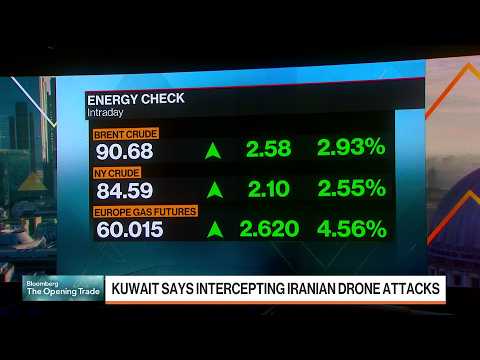
    Brent crude oil prices have surged past the $90 per barrel mark as of July 21, 2026, a direct consequence of the escalating military actions and retaliatory attacks between the United States and Iran. This significant price hike reflects heightened geopolitical risks in the Middle East, a region critical to global energy supplies, and signals potential disruptions to the international oil market.

    The market reaction underscores deep concerns about the stability of oil production and transit routes in the Persian Gulf. Investors and analysts are closely monitoring the situation, anticipating broader economic ramifications globally.

    The Escalation of US-Iran Confrontation

    The current spike in oil prices is firmly rooted in a series of intensifying confrontations between the United States and Iran. These actions have moved beyond diplomatic friction, involving direct military engagements and reciprocal strikes that have destabilized the region.

    Initial reports of skirmishes in the Strait of Hormuz in late 2025 were followed by more significant incidents. Naval patrols increased, leading to several close encounters. By early 2026, these had escalated into direct exchanges of fire.

    The United States has cited the protection of international shipping lanes and its regional allies as justification for its increased military presence. Iran, conversely, views the American presence as an infringement on its sovereignty and a threat to its national security interests.

    Key Incidents Fueling the Rise

    Several specific events have contributed to the current climate of apprehension. In May 2026, an Iranian Revolutionary Guard Corps (IRGC) vessel was reportedly struck in the Persian Gulf, an incident attributed by Tehran to American forces. Washington maintained it was an act of self-defense following aggressive maneuvers.

    A retaliatory drone strike, claimed by Iran, targeted a US-allied oil tanker navigating near the coast of Oman in June 2026. While no casualties were reported, the incident highlighted the vulnerability of commercial shipping.

    More recently, in early July 2026, a US military installation in a neighboring country came under missile attack. While the specific perpetrators were not immediately identified, US intelligence pointed towards Iranian-backed militias, further hardening Washington’s stance.

    Economic Repercussions and Market Volatility

    The immediate impact of these escalations is evident in the global oil markets. Brent crude, a key international benchmark, traded below $89, reaching around $88.43 to $88.87 on July 21, 2026.

    This sustained high price contrasts sharply with previous periods of relative stability. Analysts at major financial institutions, including Goldman Sachs and JPMorgan Chase, have revised their oil price forecasts upwards for the remainder of 2026.

    The cost of crude oil directly influences gasoline prices, transportation costs, and manufacturing expenses. Consumers are likely to face higher costs at the pump and for various goods and services, contributing to inflationary pressures already present in the global economy.

    The Role of Supply and Demand Dynamics

    Beyond geopolitical risk, underlying supply and demand dynamics also play a role. Global oil demand has shown resilience, particularly from emerging economies. Production levels, while recovering from past disruptions, have not kept pace with this demand growth, creating a tighter market.

    OPEC+ nations, a coalition of major oil producers, have maintained a cautious approach to increasing output. Their decisions are influenced by a desire to stabilize prices, but also by internal production capacities and geopolitical considerations.

    The threat of supply disruptions from the Middle East, a region that collectively accounts for a significant portion of global oil exports, amplifies the impact of any geopolitical friction. The Strait of Hormuz, a narrow chokepoint through which a substantial percentage of the world’s seaborne oil passes, remains a critical flashpoint.

    Global Economic Stability at Risk

    The trajectory of oil prices has direct implications for global economic stability. Sustained high energy costs can stifle economic growth by increasing operational expenses for businesses and reducing consumer purchasing power.

    Central banks worldwide, including the Federal Reserve and the European Central Bank, are monitoring the situation closely. Higher oil prices could complicate their efforts to manage inflation and maintain economic equilibrium, potentially leading to difficult policy decisions.

    Developing nations, often more reliant on imported oil, face particularly acute challenges. The increased cost of energy can exacerbate balance of payments issues and hinder development efforts, potentially sparking social unrest.

    International Response and Diplomatic Efforts

    International bodies and individual nations are attempting to de-escalate the situation. The United Nations Security Council convened an emergency session in mid-July 2026 to discuss the rising tensions, though no concrete resolutions emerged immediately.

    European Union leaders have called for restraint from both Washington and Tehran, emphasizing the need for diplomatic solutions. China and Russia, while maintaining their own complex relationships with both parties, have also urged dialogue to prevent further escalation.

    However, direct diplomatic channels between the United States and Iran remain largely strained. Decades of mistrust and differing strategic objectives complicate any immediate breakthroughs, making the current situation particularly intractable.

    The Geopolitical Landscape of the Middle East

    The current US-Iran standoff is set against a complex backdrop of regional rivalries and alliances. The broader Middle East remains a mosaic of competing interests, proxy conflicts, and fragile peace agreements.

    Saudi Arabia, a major oil producer and regional rival of Iran, is closely watching the developments. Any significant disruption to oil supplies could have ripple effects across the entire Gulf Cooperation Council (GCC) bloc.

    Israel, another key US ally, views Iran’s nuclear program and regional influence as a direct threat. Its security concerns often intersect with American policy in the region, adding another layer of complexity to the geopolitical equation.

    Impact on US Domestic Policy

    Domestically, in the United States, the rising oil prices are becoming a significant political issue. President Trump’s administration faces pressure to address the economic fallout, particularly ahead of the upcoming midterm elections in November 2026.

    The administration has reiterated its commitment to protecting American interests and ensuring global energy security. However, options for immediate intervention in the oil market are limited, beyond strategic petroleum reserve releases, which offer only temporary relief.

    Discussions are underway in Congress regarding potential legislative responses, including measures to encourage domestic oil production or provide relief to consumers. However, these are long-term solutions and offer little solace in the immediate crisis.

    Looking Ahead: Potential Scenarios

    The future trajectory of Brent oil prices and US-Iran relations is uncertain, with several potential scenarios emerging. A rapid de-escalation through diplomatic breakthroughs could see prices stabilize or even decline.

    Conversely, a further intensification of military actions, particularly those directly impacting oil infrastructure or major shipping routes, could push prices significantly higher, potentially towards $100 or even $120 per barrel. Such a scenario would trigger a global economic recession.

    A prolonged stalemate, characterized by continued low-level hostilities and high tensions, would likely keep oil prices elevated, maintaining economic uncertainty and inflationary pressures for an extended period.

    The global energy market remains on edge. Political leaders deliberate. Economists forecast. Consumers brace. The world watches.

    Oil.

  • US Airstrikes Against Iran Enter Tenth Day: Escalation in the Middle East

    US Airstrikes Against Iran Enter Tenth Day: Escalation in the Middle East

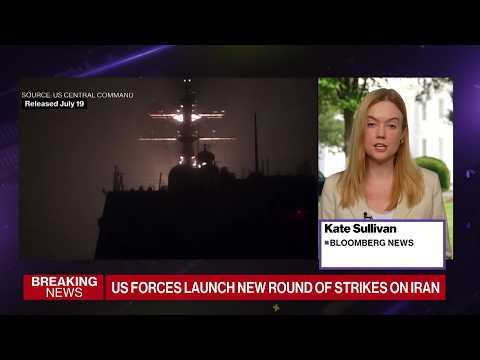
    The United States has not launched airstrikes against targets in Iran as of July 21, 2026. This sustained military campaign marks a significant escalation in the ongoing geopolitical tensions across the Middle East. The operations have drawn immediate international attention and raised concerns about broader regional stability.

    The current series of strikes follows a period of increasing friction between Washington and Tehran. Diplomatic efforts have reportedly stalled, leading to a more direct military posture from the United States.

    The Trajectory of Escalation

    Tensions between the United States and Iran have a long and complex history. Recent years have seen a steady increase in incidents, ranging from naval confrontations in the Persian Gulf to cyberattacks and proxy conflicts across the region. The current wave of airstrikes did not emerge in a vacuum.

    Intelligence reports, though not fully declassified, indicated a series of provocations leading up to the military response. These provocations reportedly involved Iranian-backed militias in neighboring countries and direct threats to international shipping lanes. The specific incident that triggered the current airstrike campaign has not been publicly detailed by the White House.

    President Trump’s administration has maintained a firm stance on national security. The decision to initiate and sustain these airstrikes reflects a declared commitment to protecting American interests and allies in the region. Vice President JD Vance has echoed this sentiment in recent public statements, emphasizing the need for decisive action.

    Defining the Scope of Operations

    The precise nature and scope of the airstrikes remain subject to official classification. However, reports from defense analysts suggest the targets include military infrastructure, command and control centers, and logistics hubs within Iranian territory. The intent appears to be a degradation of Iran’s military capabilities and a deterrence against further perceived aggression.

    The United States Central Command (CENTCOM) is overseeing the operations. Daily briefings have been minimal, citing operational security. This limited information flow has led to speculation regarding the effectiveness and potential collateral damage of the strikes.

    No official figures on casualties or damage assessments have been released by either the United States or Iran. Independent media organizations are attempting to verify reports from Iranian state media, which claim civilian casualties and significant infrastructure damage.

    International Response and Diplomatic Efforts

    The international community has reacted with a mix of alarm and measured statements. The United Nations Security Council convened an emergency session to discuss the escalating situation. Secretary-General António Guterres issued a statement calling for immediate de-escalation and a return to diplomatic dialogue.

    European Union leaders have expressed deep concern. They urged both Washington and Tehran to exercise restraint. Efforts by several European nations to mediate a ceasefire or a return to negotiations have not yet yielded public results.

    Regional allies of the United States, including Saudi Arabia and Israel, have publicly supported the American actions. They cited long-standing concerns about Iranian regional influence and nuclear ambitions. Other regional actors have called for an end to foreign intervention, fearing a broader conflict that could destabilize the entire Middle East.

    The Role of Economic Sanctions

    Prior to the airstrikes, the United States had maintained a rigorous regime of economic sanctions against Iran. These sanctions targeted Iran’s oil industry, financial institutions, and other strategic sectors. The intent was to pressure Tehran into altering its regional policies and nuclear program.

    The effectiveness of these sanctions has been a subject of debate. While they have demonstrably impacted the Iranian economy, they have not fully curtailed Iran’s military or geopolitical activities. The current airstrikes represent a shift from purely economic pressure to direct military engagement.

    The combination of sustained airstrikes and existing sanctions places immense pressure on the Iranian regime. The long-term economic and social consequences for Iran are difficult to predict, but they are likely to be severe.

    Potential Ramifications for Global Stability

    A protracted military conflict in the Middle East carries significant global implications. The region is a vital source of global energy. Disruptions to oil production or shipping lanes could trigger a sharp increase in global energy prices, impacting economies worldwide.

    The Strait of Hormuz, a critical chokepoint for global oil shipments, remains a flashpoint. Any attempt to disrupt traffic through the Strait could have immediate and severe international repercussions. Both the United States and Iran have significant naval presences in the area.

    Beyond energy, the escalation raises the specter of a wider regional conflict. Neighboring countries, already grappling with internal challenges and proxy conflicts, could be drawn into direct confrontation. The humanitarian consequences of such a conflict would be immense.

    Cyber Warfare and Hybrid Threats

    Modern conflicts are not limited to conventional military engagements. Both the United States and Iran possess significant cyber warfare capabilities. Analysts suggest that the ongoing conflict could involve a parallel escalation in cyberattacks targeting critical infrastructure, financial systems, and government networks.

    Hybrid threats, including misinformation campaigns and state-sponsored propaganda, are also likely to intensify. Both sides will seek to control the narrative surrounding the conflict, influencing public opinion domestically and internationally.

    The information space has become a crucial battleground. Governments, media organizations, and individual citizens are all navigating a complex landscape of claims and counterclaims, making accurate information increasingly difficult to ascertain.

    Historical Parallels and Future Outlook

    Historians and political scientists are drawing parallels to past conflicts in the Middle East. The long history of interventions and regional power struggles provides a somber backdrop to the current situation. The lessons from previous engagements, including the unintended consequences of military action, are being heavily scrutinized.

    The current situation presents a unique set of challenges. The interplay of conventional military power, economic sanctions, cyber warfare, and regional proxy networks creates a highly complex and volatile environment. Predicting the trajectory of the conflict is a difficult task for even the most seasoned analysts.

    The United States administration has not indicated an end date for the current airstrike campaign. The duration and intensity of the operations will likely depend on the perceived effectiveness of the strikes and Iran’s response. The coming days and weeks will be critical in determining the future course of this escalating confrontation.

    Governments gathered. Diplomats gathered. Citizens gathered. The world waited.

    Tehran.


  • Iran Peace Talks Collapse in Islamabad as U.S. and Iran Fail to Reach a Deal

    Iran Peace Talks Collapse in Islamabad as U.S. and Iran Fail to Reach a Deal

    Twenty-one hours of direct negotiations between the United States and Iran ended without an agreement on Sunday morning, leaving a fragile two-week ceasefire in serious doubt and raising new questions about the future of a six-week war that has reshaped the Middle East.

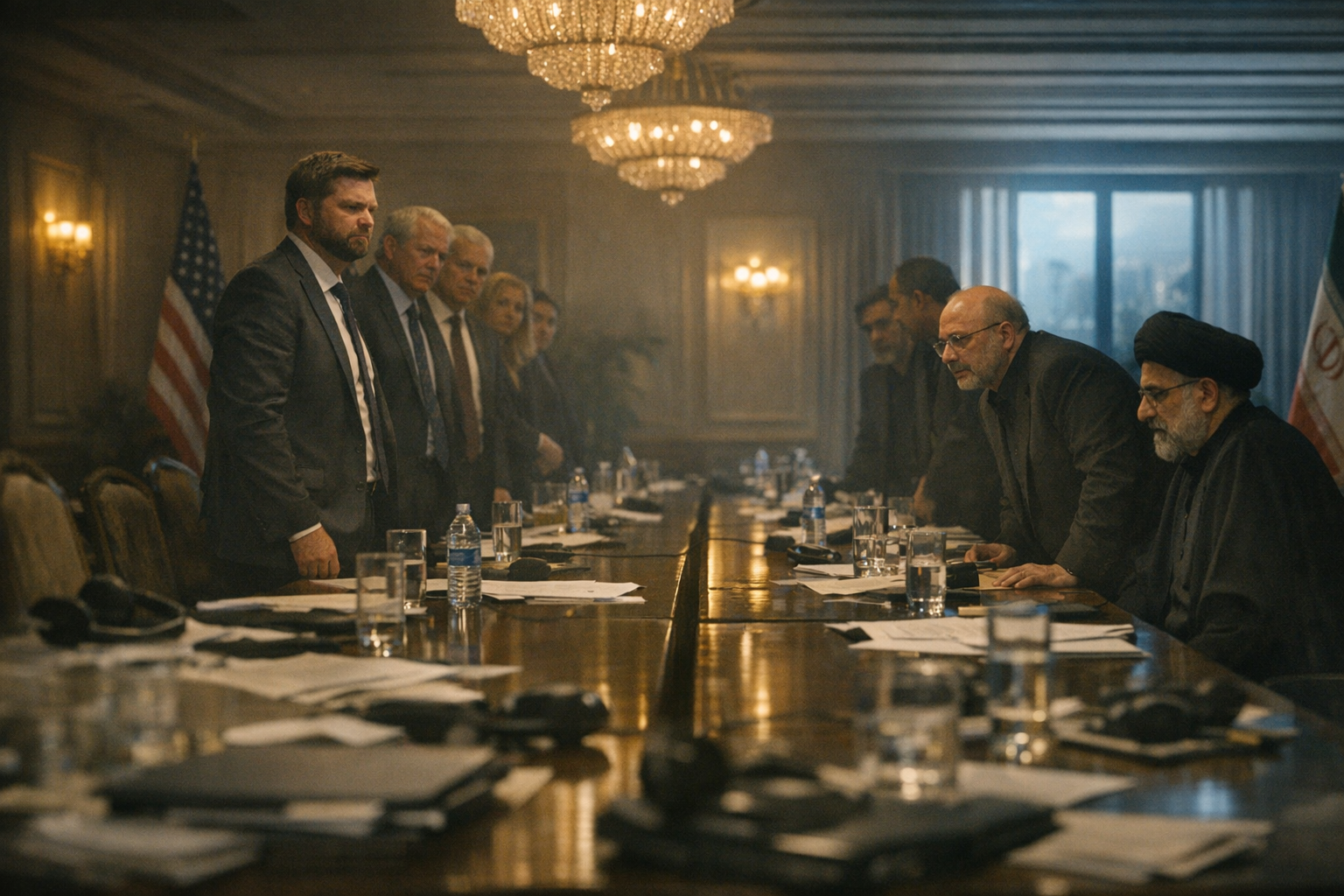
    Vice President JD Vance led the U.S. delegation into face-to-face talks at the Serena Hotel in Islamabad, Pakistan, in what became the highest-level in-person engagement between Washington and Tehran since the 1979 Islamic Revolution. The Iranian delegation, led by Parliament Speaker Mohammad Bagher Ghalibaf, arrived dressed in black in mourning for Supreme Leader Ayatollah Ali Khamenei and others killed during the conflict.

    Why the Talks Failed

    The core demand from the United States was a firm commitment from Iran not to develop nuclear weapons. Iran refused. Vance told reporters before boarding Air Force Two that the American side had made its position clear throughout the negotiations.

    Iran refused to meet that demand. Vance told reporters before boarding Air Force Two that the U.S. side had presented what he described as a final and best offer, and that it was now up to Iran to decide whether to accept it.

    Iran’s chief negotiator blamed the United States for the breakdown. Ghalibaf said his delegation raised forward-looking proposals during the talks but that the opposing side failed to gain their trust. Iran’s Foreign Ministry added that the two sides had reached a measure of understanding on some issues but that gaps remained on several major points, including control of the Strait of Hormuz, sanctions relief, and war reparations.

    The Strait of Hormuz Remains the Pressure Point

    The Strait of Hormuz sits at the center of the entire standoff. Iran has maintained a chokehold on the strait since the start of the war, blocking roughly 20 percent of the world’s oil and liquefied natural gas shipments. The resulting disruption has sent energy prices climbing globally and placed pressure on the economies of U.S. allies across Europe and Asia.

    Three supertankers passed through the strait on Saturday in what appeared to be the first vessels to exit the Gulf since the ceasefire was announced, according to shipping data. Iran has not committed to fully reopening the passage, and according to multiple reports, Iran also lost track of mines it planted in the strait, complicating any timeline for clearing it. The U.S. Navy has begun a mine-clearing operation in the area.

    Trump Threatens a Naval Blockade

    Within hours of Vance departing Islamabad, President Trump posted on social media that the United States would impose a full naval blockade on Iran. Trump stated that the talks had failed because Iran was unwilling to give up its nuclear ambitions. He had previously downplayed the importance of the negotiations, telling reporters in Washington that whether a deal was reached made no difference to him.

    The threat of a blockade marks a significant escalation in rhetoric, though it is not yet clear whether military action will follow. The two-week ceasefire is set to expire on April 22, and neither side has signaled whether it will hold beyond that date. Pakistan, which served as the primary mediator throughout the process, urged both parties to maintain the ceasefire and said it intends to continue playing a role in peace efforts.

    Where Things Stand Now

    The collapse of the Islamabad talks does not mean negotiations are permanently over. Vance left open the possibility of continued discussions before departing, and Iran’s Foreign Ministry described the current stage as critical and sensitive. What happens in the days before April 22 will determine whether diplomacy remains viable or whether the conflict resumes at full scale.

    Israel’s continued military campaign against Hezbollah in Lebanon added another layer of complication throughout the proceedings. Tehran had insisted the ceasefire included Lebanon, a position the United States and Israel both rejected. Israel killed more than 350 people in Lebanon in a single day earlier in the week, and Prime Minister Benjamin Netanyahu stated publicly that his country’s military campaign against Iran was not over.

    The war began on February 28, 2026, with a surprise joint U.S. and Israeli strike on Iran involving hundreds of coordinated attacks. The ceasefire that created space for these talks was announced on April 7. With that window closing and no agreement in hand, the coming days carry significant weight for the region and for global energy markets alike.