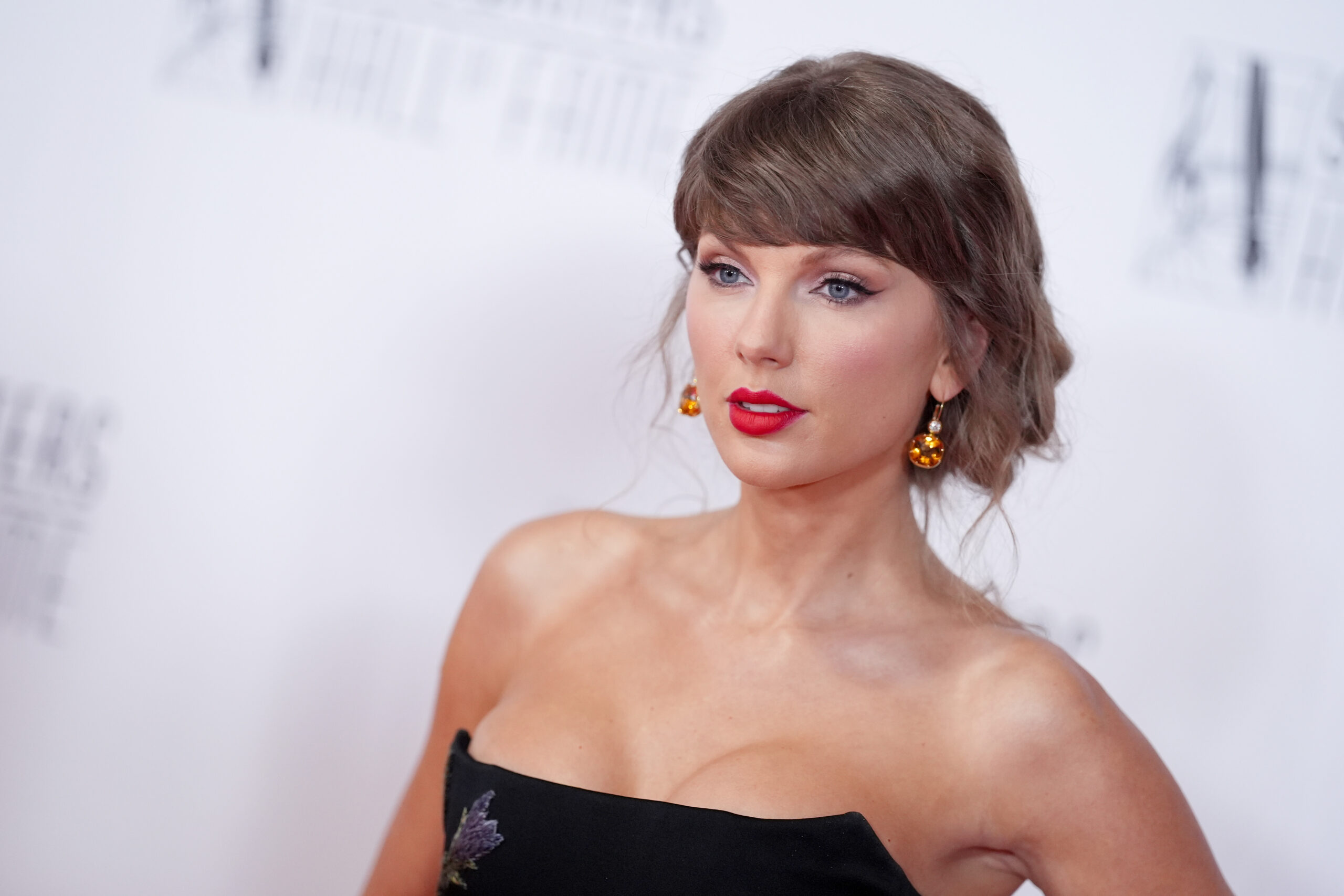
Taylor Swift’s recent wedding generated a permit fee of $160,000 for New York City, a figure confirmed by New York City Mayor Zohran Mamdani. This payment underscores the financial obligations associated with hosting high-profile private events in major urban centers. Such fees are typically levied to cover the extensive municipal services required, including enhanced security, traffic control, waste management, and public safety personnel.
The disclosure by Mayor Mamdani, brings into focus the economic interplay between celebrity events and urban infrastructure. It also initiates a broader public conversation regarding the costs and benefits of accommodating such large-scale private gatherings within a bustling metropolis.
The Mechanics of Urban Event Permitting
Organizing any significant event in New York City, especially one involving a public figure like Taylor Swift, necessitates a complex permitting process. This process ensures public safety, manages potential disruptions, and allocates necessary city resources. The permitting framework is designed to mitigate the impact of private functions on public spaces and services.
Permits are required for various aspects, including street closures, amplified sound, temporary structures, and the deployment of private security that may interact with public areas. The fees associated with these permits are not arbitrary; they are calculated based on the scale of the event, the number of attendees, the duration, and the specific city services that must be engaged.
<
Calculating the Cost: Factors in a $160,000 Fee
The $160,000 fee for Taylor Swift’s wedding likely reflects a comprehensive assessment of numerous factors. High-profile events attract considerable public attention, which in turn demands a heightened level of security. This includes New York Police Department (NYPD) presence, traffic enforcement, and crowd control measures to ensure the safety of both attendees and the general public.
Beyond security, logistical challenges such as transportation management, sanitation services for increased waste, and the potential for temporary infrastructure installations contribute to the overall cost. The city must often reallocate resources or incur overtime expenses for its employees to support such events, and these costs are passed on through permit fees.
Zohran Mamdani’s Disclosure and Public Scrutiny
Mayor Zohran Mamdani’s decision to reveal the exact permit fee brought the financial aspects of celebrity events into the public discourse. Mamdani, known for his advocacy on urban planning and public resource allocation, has often emphasized transparency in city operations. His disclosure aligns with a broader push for accountability regarding how public funds and services are utilized, even in the context of private events.
The revelation prompted discussions across various platforms, from social media to local news outlets. Many questioned the fairness of such fees, while others defended them as necessary to offset the burden on taxpayers. The debate highlighted the ongoing tension between the economic benefits that celebrity presence can bring to a city and the operational costs it imposes.
Previous Instances of Celebrity Event Costs
This is not the first time a celebrity event has generated significant costs for a host city. Similar discussions have arisen around major film premieres, fashion shows, and other high-profile gatherings. For instance, large-scale events like the Met Gala, while generating substantial revenue for the city through tourism and related spending, also require extensive public services.
The Super Bowl, while not a private event, serves as another example of the immense resources required from a host city, often involving millions of dollars in public safety and infrastructure costs. The permit fees for Taylor Swift’s wedding fall within this established pattern of large events necessitating substantial municipal support.
The Economic Impact of Celebrity Events on New York City
New York City, a global hub for culture and commerce, frequently hosts high-profile events. These events, whether public or private, contribute significantly to the city’s economy. Celebrity weddings, in particular, can generate substantial indirect economic benefits. These include increased tourism, patronage of local businesses, and media exposure that enhances the city’s global image.
Attendees and guests often utilize hotels, restaurants, transportation services, and luxury retailers, injecting revenue into various sectors of the local economy. The ripple effect extends to event planners, caterers, florists, and security firms, many of which are local businesses.
Balancing Private Gain and Public Burden
The challenge for city administrations lies in balancing the economic advantages of hosting celebrity events with the potential burden on public resources. Permit fees like the $160,000 paid by Taylor Swift are designed to ensure that the public does not bear the full cost of private celebrations. These fees act as a mechanism to internalize the externalities associated with large gatherings.
However, the exact calculation of these fees and their sufficiency in covering all associated costs often remains a point of contention. Transparency in these calculations is crucial for public trust and to ensure that the city’s residents perceive the system as equitable.
Taylor Swift’s Presence in New York City
Taylor Swift has maintained a significant presence in New York City for many years, owning properties and frequently being seen in various neighborhoods. Her connection to the city is well-documented, and she has often referenced New York in her music and public statements. This long-standing relationship makes the city a natural choice for personal milestones like a wedding.
Her activities, both personal and professional, consistently draw media attention and public interest, making any event she hosts a logistical undertaking for city officials. The public’s fascination with her life often translates into large crowds and media presence, regardless of the private nature of an event.
The Role of Celebrity in Urban Planning
The planning and execution of celebrity events in a densely populated urban environment like New York City involve specialized considerations. City agencies must coordinate with event organizers to ensure minimal disruption to daily life, particularly concerning traffic flow and public access. This coordination often begins months in advance, involving multiple city departments.
The case of Taylor Swift’s wedding permit fee serves as a micro-example of a macro challenge: how do major cities accommodate the demands of a globalized, celebrity-driven culture while maintaining essential public services and ensuring equitable access to public spaces for all citizens? The $160,000 fee represents one part of the city’s answer to this complex question.
Public resources were allocated. Traffic was managed. Sanitation services were deployed. Security details were coordinated. A fee was paid.
New York.