Tag: Ufc

  • Quinton ‘Rampage’ Jackson’s Altercation, Back in ‘Fighter Mode’

    Quinton ‘Rampage’ Jackson’s Altercation, Back in ‘Fighter Mode’

    The Public Altercation of Quinton ‘Rampage’ Jackson

    Former Ultimate Fighting Championship (UFC) star Quinton ‘Rampage’ Jackson was recently observed in a tense public altercation, an incident that quickly garnered attention from media outlets like TMZ. The situation was characterized by observers as Jackson reverting to his ‘fighter mode,’ a descriptor that immediately evokes his storied career in professional mixed martial arts.

    The exact circumstances surrounding the confrontation, including the precise location and the identities of other individuals involved, have not been fully detailed in initial reports. However, the report highlights the public nature of the event and the immediate recognition of Jackson’s aggressive posture.

    A Career Defined by ‘Fighter Mode’

    Quinton Ramone Jackson, widely known by his ring name ‘Rampage,’ built a career on his aggressive fighting style and powerful slams. Born on June 20, 1978, Jackson rose to prominence in the early 2000s, first in the Japanese Pride Fighting Championships before making a significant impact in the UFC.

    His career spanned over two decades, featuring memorable bouts and championships. Jackson’s ‘fighter mode’ was a hallmark of his professional persona, often leading to explosive finishes and fan-favorite performances inside the cage.

    Early Career and Pride FC Dominance

    Jackson began his professional mixed martial arts journey in November 1999. He quickly gained recognition for his athleticism and raw power. His tenure in Pride FC, from 2001 to 2006, established him as one of the most exciting light heavyweights in the world.

    During this period, he faced numerous high-profile opponents, including Kazushi Sakuraba, Chuck Liddell, and Wanderlei Silva. His rivalry with Silva, in particular, produced some of the most brutal fights in Pride’s history, solidifying his reputation for ferocity.

    UFC Championship and Mainstream Recognition

    Jackson transitioned to the UFC in 2007, making an immediate impact. He defeated Chuck Liddell at UFC 71 on May 26, 2007, to win the UFC Light Heavyweight Championship. This victory marked a significant moment in his career, elevating him to a global superstar.

    He successfully defended his title against Dan Henderson at UFC 75 on September 8, 2007, unifying the Pride Middleweight and UFC Light Heavyweight titles. Jackson’s time in the UFC was also notable for his coaching role on ‘The Ultimate Fighter’ reality television series, further increasing his mainstream appeal.

    The Public Eye and Athlete Conduct

    For athletes who have achieved high levels of fame, particularly in combat sports, public appearances often come with intense scrutiny. The line between a professional persona and personal conduct can become blurred, especially when incidents occur in public spaces.

    Jackson’s recent altercation underscores this challenge. The immediate media characterization of his behavior as ‘fighter mode’ reflects how deeply intertwined his public image is with his athletic career. This perception can impact how such incidents are interpreted by the public and media.

    Expectations for Public Figures

    Public figures, including retired athletes, are often held to a higher standard of conduct. Their actions can influence public opinion and shape the image of their sport. Mixed martial arts, in particular, has worked to shed earlier perceptions of being a ‘brutal’ sport, emphasizing discipline and sportsmanship.

    Incidents involving former stars can sometimes complicate these efforts. The media’s focus on an athlete’s past professional role, even in a non-professional context, highlights the enduring legacy of their careers.

    Legal and Reputational Ramifications

    Any public altercation can carry potential legal and reputational consequences. Depending on the specifics of the incident, individuals involved could face legal charges or civil lawsuits. For a public figure like Jackson, the reputational impact can be significant.

    Sponsorship deals, media opportunities, and public perception can all be affected by such events. The details of the TMZ report, while not specifying legal actions, bring the incident into the public discourse, prompting questions about its broader implications.

    The Role of Social Media and Viral Content

    In 2026, the rapid dissemination of information through social media platforms and viral content amplifies the reach of such incidents. A short video or a single report can quickly spread globally, shaping narratives and public opinion within hours.

    For celebrities, this means that every public interaction carries the potential to become a widely discussed event. The TMZ report, likely accompanied by video footage or eyewitness accounts, contributes to this immediate and widespread public engagement.

    Analyzing ‘Fighter Mode’ Outside the Octagon

    The term ‘fighter mode’ implies a reversion to trained instincts and aggressive tendencies developed over years of professional fighting. While these instincts are invaluable in a regulated combat environment, their manifestation in a public, unregulated setting can be problematic.

    Athletes often train for years to control their physical and mental responses under pressure. However, the psychological transition from a competitive environment to everyday life can sometimes be challenging, especially when confronted with stressful situations.

    Psychological Aspects of Retirement for Athletes

    Many professional athletes face significant psychological adjustments upon retirement. The loss of a structured routine, intense competition, and the adrenaline rush of performance can lead to difficulties. For combat athletes, managing ingrained aggressive responses in civilian life is a unique challenge.

    The incident involving Jackson could be viewed through this lens, examining how past training and competitive mindset might surface in unexpected situations, years after active competition has ended.

    Jackson’s Legacy and Future

    Quinton ‘Rampage’ Jackson’s legacy in mixed martial arts is firmly established. He is remembered as a powerful and entertaining fighter who left an indelible mark on both Pride FC and the UFC. His career included an impressive record and numerous highlight-reel moments.

    Beyond fighting, Jackson has also ventured into acting, appearing in films and television shows. His role as B.A. Baracus in the 2010 film adaptation of ‘The A-Team’ brought him further mainstream recognition, showcasing his versatile public persona.

    Continued Public Interest

    Despite his retirement from active competition, public interest in Jackson remains high. His colorful personality and storied career ensure that his actions, both professional and personal, continue to draw attention. This sustained interest is a testament to his impact on the sport and popular culture.

    The recent altercation, while potentially negative, reaffirms his status as a recognizable public figure whose activities are newsworthy. Media outlets continue to follow his life, reflecting a broader fascination with the lives of combat sports legends.

    The Broader Implications for MMA

    Incidents involving prominent mixed martial artists, even those retired, can have broader implications for the sport’s image. Mixed martial arts has evolved significantly, striving for legitimacy and widespread acceptance as a mainstream sport.

    Organizations like the UFC have invested heavily in promoting athlete professionalism and community engagement. Public altercations involving former champions can, at times, complicate these efforts, bringing back older stereotypes about the sport.

    Promoting Positive Role Models

    The promotion of positive role models is a key strategy for sports organizations. Athletes who demonstrate discipline, respect, and positive conduct both inside and outside their competitive arenas help to elevate the sport’s image.

    While individual incidents do not define an entire sport, they do contribute to ongoing public narratives. The discussion surrounding Jackson’s altercation serves as a reminder of the continuous effort required to maintain and enhance the public perception of mixed martial arts.

    Athletes gather. Media gathers. Public opinion gathers.

    Scrutiny.

  • McGregor-Holloway Rematch: UFC Draws 6.5M Viewers Across US & Latin America

    McGregor-Holloway Rematch: UFC Draws 6.5M Viewers Across US & Latin America

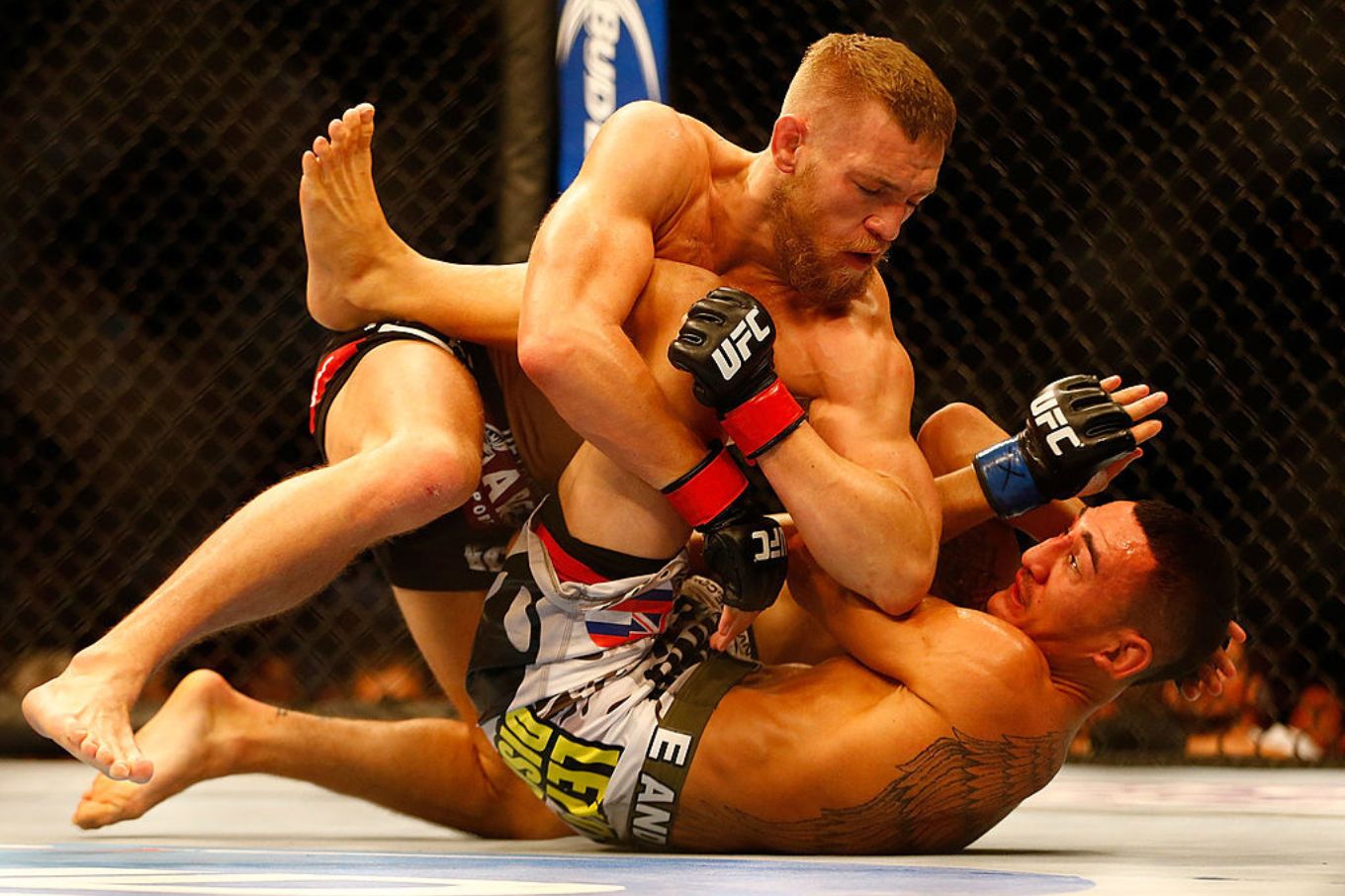
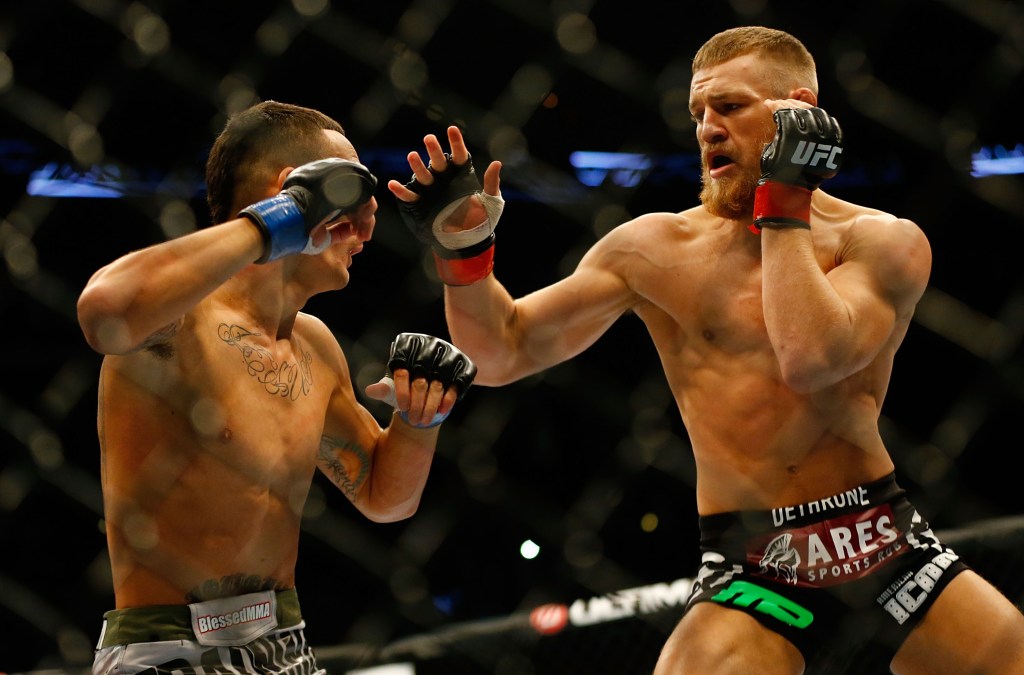
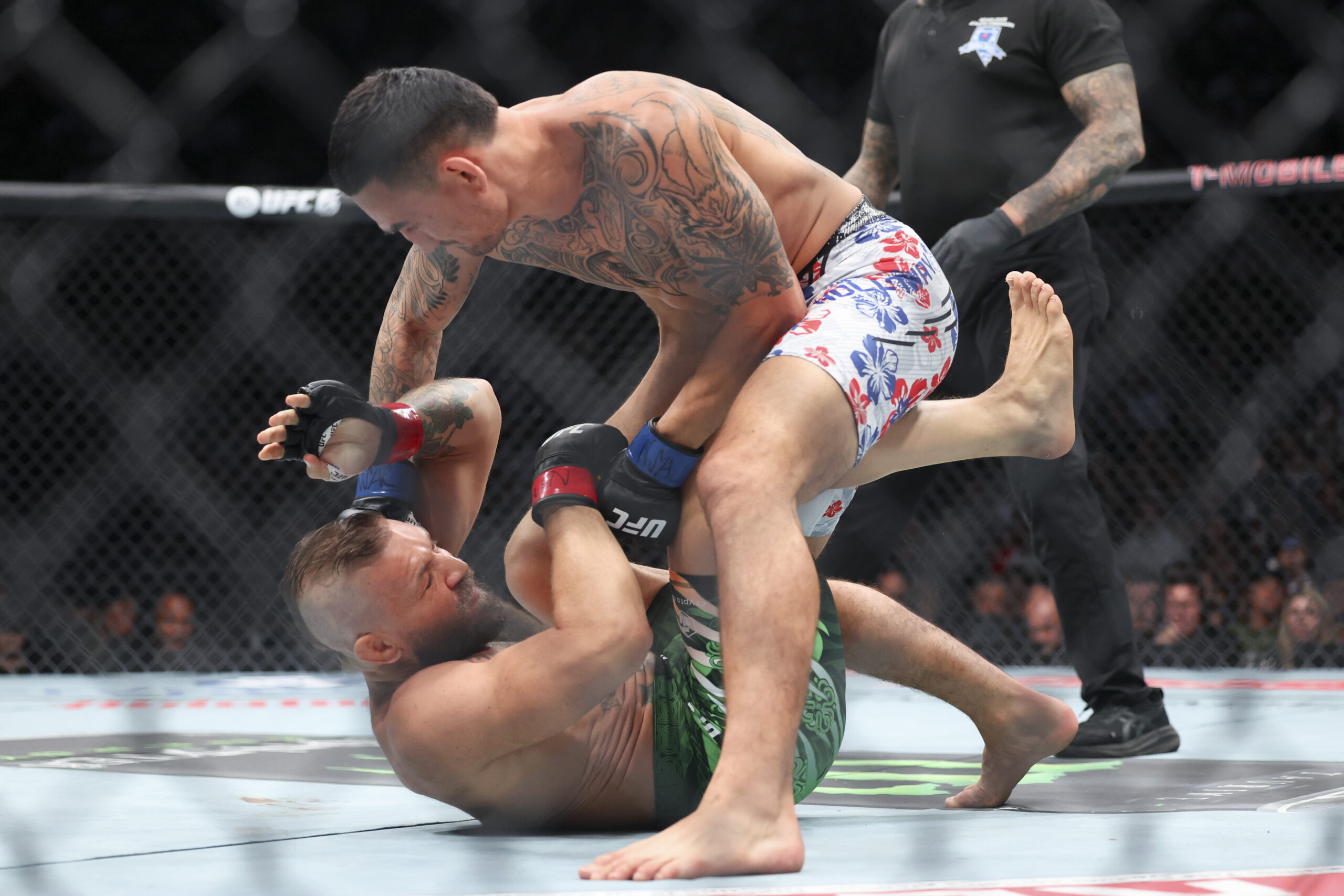
    The Ultimate Fighting Championship (UFC) rematch between Conor McGregor and Max Holloway achieved a substantial viewership of 6.5 million across the United States and Latin America. This figure underscores the significant and growing audience for mixed martial arts, particularly when marquee fighters are involved in highly anticipated bouts. The event was broadcast by Paramount, reaching a broad demographic and solidifying the UFC’s position as a major player in global sports entertainment.

    The Legacy of Two Fighters

    Conor McGregor, often referred to as ‘The Notorious,’ is an Irish professional mixed martial artist and boxer. He is a former Ultimate Fighting Championship (UFC) featherweight and lightweight double-champion. His career has been marked by explosive performances and charismatic promotion. McGregor’s ability to draw massive audiences has been a consistent factor throughout his time in the UFC.

    Max Holloway, known as ‘Blessed,’ is an American professional mixed martial artist. He is a former UFC Featherweight Champion. Holloway’s fighting style, characterized by relentless pressure and high volume striking, has earned him a dedicated fanbase. His journey through the featherweight division has established him as one of the sport’s most respected competitors.

    The first encounter between McGregor and Holloway occurred in August 2013. At UFC Fight Night 26, McGregor secured a unanimous decision victory over Holloway. This early career bout laid the groundwork for their future trajectories, both fighters going on to achieve championship status.

    The Road to Rematch

    Years passed between their initial meeting and the recent rematch. Both fighters cultivated extensive résumés, accumulating significant victories and experiencing high-profile defeats. McGregor ascended to unprecedented heights, becoming the first UFC fighter to hold two divisional titles simultaneously. Holloway dominated the featherweight division for an extended period, defending his title multiple times.

    The clamor for a rematch grew steadily among fans and pundits. The narrative of two elite athletes, who first met as rising prospects, now clashing as seasoned legends, held immense appeal. This narrative played a crucial role in building anticipation for the recent event.

    Negotiations for such a high-profile fight involve numerous complexities. Financial terms, fight locations, and timing all contribute to the lengthy process of bringing two stars back into the octagon. The UFC’s matchmakers strategize to maximize both athletic competition and commercial success.

    Paramount’s Broadcast Strategy

    Paramount served as the broadcasting partner for the McGregor-Holloway rematch. This partnership allowed the event to reach a vast audience across multiple regions. Paramount’s investment in sports programming reflects a broader trend among media companies to secure live content that drives subscriptions and viewership.

    The decision to feature the fight on Paramount’s platforms was a strategic move. It leveraged the existing subscriber base and marketing capabilities of a major media conglomerate. This ensured maximum exposure for one of the UFC’s most anticipated events of 2026.

    The broadcast included extensive pre-fight and post-fight coverage. This comprehensive approach enhances the viewer experience and provides additional content for fans. Analysts, interviews, and behind-the-scenes access contribute to the overall spectacle of a UFC fight night.

    The Role of Latin America in Viewership

    The 6.5 million viewership figure included significant contributions from Latin America. This region has emerged as a crucial market for mixed martial arts. The UFC has actively expanded its presence in Latin American countries, recognizing the passion for combat sports in these territories.

    Events held in cities like Mexico City and São Paulo have demonstrated the strong fanbase. Fighters from Latin America, such as Brandon Moreno and Charles Oliveira, have become major stars, further fueling regional interest. This growth trajectory indicates a sustained commitment from the UFC to this demographic.

    Language-specific broadcasts and localized marketing efforts are integral to securing high viewership in diverse regions. Paramount’s ability to deliver content tailored to Latin American audiences played a key role in the overall success of the McGregor-Holloway rematch’s viewership numbers.

    The Cultural Impact of UFC

    The UFC has transcended its origins as a niche sport to become a global cultural phenomenon. Its events are not merely athletic competitions; they are spectacles that blend sport, entertainment, and personal narratives. This blend contributes to its widespread appeal.

    The concept of a ‘cultural defense moment’ suggests that events like the McGregor-Holloway rematch resonate beyond traditional sports fandom. They can evoke feelings of national pride, individual resilience, and the pursuit of excellence. These themes tap into broader societal values.

    For many, watching a UFC fight is an immersive experience. The intensity of the competition, the stories of the athletes, and the raw emotion involved create a powerful connection with the audience. This connection is a significant driver of viewership and engagement.

    Economic Implications of High Viewership

    A viewership of 6.5 million translates into substantial economic impact for the UFC and its partners. Advertising revenue, sponsorship deals, and pay-per-view buys (where applicable) all benefit from such large audiences. This financial success allows for continued investment in fighter development and event production.

    The careers of fighters like McGregor and Holloway are directly impacted by their ability to draw viewers. High-profile fights lead to increased compensation and greater opportunities for endorsements. This incentivizes top talent to remain within the UFC’s ecosystem.

    Beyond the immediate financial gains, high viewership also bolsters the UFC’s brand equity. It reinforces its position as a leading global sports organization, attracting new fans and solidifying its standing in the competitive sports landscape. This long-term brand building is crucial for sustained growth.

    The Future of UFC and Combat Sports

    The success of the McGregor-Holloway rematch points to a robust future for the UFC. The organization continues to expand its global footprint, explore new media partnerships, and cultivate emerging talent. The demand for high-quality combat sports content remains strong.

    Innovation in broadcast technology and fan engagement strategies will likely play an increasing role. Virtual reality, interactive viewing experiences, and personalized content streams could further enhance how fans consume UFC events. The goal is to make every fight a unique and memorable experience.

    The athletic landscape of mixed martial arts is constantly evolving. New techniques, training methodologies, and strategic approaches emerge regularly. This dynamic nature keeps the sport fresh and ensures a continuous supply of compelling matchups for audiences worldwide.

    What Defines a Marquee Matchup?

    Several factors contribute to a UFC fight achieving ‘marquee’ status. The reputation of the fighters involved is paramount. Champions, former champions, and highly ranked contenders naturally draw more attention. Their past performances and established rivalries often fuel fan interest.

    The narrative surrounding a fight also plays a critical role. A comeback story, a grudge match, or a clash of styles can elevate a bout beyond a simple athletic contest. The personal stories and motivations of the fighters add layers of drama and intrigue.

    Promotional efforts by the UFC and the fighters themselves are essential. Press conferences, social media engagement, and documentary features build anticipation and hype. Effective marketing ensures that potential viewers are aware of the event and its significance.

    Finally, the stakes of the fight, whether a championship title is on the line, or if it’s a pivotal moment in a fighter’s career, add to its importance. High stakes translate to high drama, which in turn attracts a larger audience.

    The McGregor-Holloway rematch exemplified many of these elements. It brought together two of the sport’s biggest names, built upon a long-standing history, and was promoted extensively, culminating in significant viewership numbers.

    Fighters trained. Promoters strategized. Broadcasters prepared. Audiences watched. UFC.


  • UFC 329 Livestream: How to Watch McGregor vs. Holloway Rematch Online

    UFC 329 Livestream: How to Watch McGregor vs. Holloway Rematch Online

    The Ultimate Fighting Championship (UFC) is set for a monumental event on July 11, 2026, with UFC 329 headlining the highly anticipated rematch between Conor McGregor and Max Holloway. This main event, years in the making, promises to be a pivotal moment in mixed martial arts, drawing global attention and significant pay-per-view buys. Fans worldwide are seeking reliable methods to stream the fight online, ensuring they do not miss a single moment of the action.

    The rivalry between McGregor and Holloway dates back to their initial encounter in 2013. That fight saw McGregor emerge victorious via unanimous decision. Both fighters have since carved out legendary careers, making their second meeting a highly anticipated spectacle for mixed martial arts enthusiasts.

    The Road to UFC 329: McGregor vs. Holloway II

    Conor McGregor, often dubbed ‘The Notorious,’ has remained one of the most polarizing and popular figures in combat sports. His career includes holding UFC titles in both the featherweight and lightweight divisions simultaneously. His striking prowess and charismatic persona have cemented his status as a global icon.

    Max Holloway, known as ‘Blessed,’ has established himself as one of the most dominant featherweight champions in UFC history. His relentless pace, exceptional striking volume, and iron chin have led him to numerous victories against top contenders. Holloway’s journey since his first fight with McGregor has seen him mature into a formidable force within the sport.

    The announcement of UFC 329 and its main event sent ripples throughout the MMA community. Speculation about the rematch has been ongoing for years. The timing in 2026 aligns with both fighters’ current career trajectories, presenting a compelling narrative for their second clash.

    First Encounter: UFC Fight Night 26 (2013)

    Their initial bout at UFC Fight Night 26 in Boston, Massachusetts, on August 17, 2013, was a significant moment for both athletes. McGregor, then an emerging talent, fought through a knee injury during the contest. He secured a unanimous decision victory over a young Holloway.

    This fight marked a turning point for both. McGregor’s win propelled him further into the spotlight. Holloway gained valuable experience that would shape his future championship run. The memory of this first fight adds a layer of historical significance to their upcoming rematch.

    How to Watch UFC 329 Livestream in the United States

    For viewers in the United States, the exclusive platform for streaming UFC 329’s main card is Paramount+, and it does not require a separate pay-per-view purchase.

    To watch McGregor vs. Holloway II, fans will need to:

    • Subscribe to ESPN+ if they are not already members.
    • Purchase the UFC 329 pay-per-view event separately.

    ESPN+ often offers bundle deals that combine an annual subscription with a pay-per-view purchase, providing a slight discount for new subscribers. The platform is accessible via various devices, including smart TVs, streaming sticks, gaming consoles, and mobile devices.

    ESPN+ Pay-Per-View Details

    The cost of the UFC 329 pay-per-view event will be announced closer to the fight date, but it typically aligns with previous major UFC PPV prices. These prices generally range from $70 to $85, in addition to the ESPN+ subscription fee.

    Subscribers can purchase the event directly through the ESPN+ app or website. It is advisable to purchase the PPV in advance to avoid potential technical issues or delays on fight night. Pre-ordering ensures access to the event as soon as it begins.

    International Streaming Options for UFC 329

    Viewers outside the United States have a range of options to livestream UFC 329. The availability of specific broadcasters and platforms varies significantly by region.

    UFC Fight Pass

    UFC Fight Pass serves as a primary international streaming service for UFC content. It offers live events, an extensive fight library, and exclusive content. While UFC Fight Pass often carries preliminary cards globally, main card pay-per-views may be geo-restricted or require separate purchase depending on regional broadcasting rights.

    Subscribers should check their local UFC Fight Pass offerings to confirm access to UFC 329’s main card.

    Regional Broadcasters

    Many countries have specific broadcasters with exclusive rights to UFC events. Examples include:

    • Canada: TSN and UFC PPV providers like Bell, Rogers, Shaw, and Eastlink.
    • United Kingdom: TNT Sports (formerly BT Sport) typically broadcasts UFC events, often requiring a subscription.
    • Australia: Main Event on Kayo Sports or Foxtel.
    • New Zealand: Sky Arena.
    • Europe: Various national sports channels or streaming services may hold rights.

    It is crucial for international fans to consult their local sports broadcasting schedules and official UFC channels for precise streaming information in their respective regions.

    The Significance of the Rematch

    The McGregor vs. Holloway rematch carries immense significance for both fighters and the UFC. For McGregor, it represents an opportunity to solidify his legacy against a fighter who has evolved considerably since their first meeting. A victory over Holloway would reaffirm his position at the top of the sport.

    For Holloway, the fight is a chance for redemption and to avenge one of his early career losses. It also provides an opportunity to challenge himself against a high-profile opponent, potentially boosting his already impressive standing in the sport. The outcome could significantly impact the featherweight and even lightweight title pictures.

    Beyond the individual stakes, the fight is a massive draw for the UFC. High-profile rematches involving two of the sport’s biggest names generate substantial revenue through pay-per-view sales, sponsorships, and merchandise. It also brings new eyes to the sport, expanding its global reach.

    UFC 329 Full Fight Card and Event Details

    While the main event is the primary draw, UFC 329 will feature a full card of exciting matchups. The event typically consists of three parts:

    1. Early Preliminary Card: Features emerging talent and up-and-coming fighters.
    2. Preliminary Card: Showcases established fighters and potential future contenders.
    3. Main Card: Comprises the highest-ranked fighters and the headline bout.

    The full fight card, including all preliminary and early preliminary bouts, will be released by the UFC in the weeks leading up to July 11, 2026. Fans can expect a lineup designed to support the main event and deliver an action-packed night of fights.

    Weigh-ins and Pre-Fight Coverage

    Leading up to UFC 329, a series of pre-fight activities will take place. These include:

    • Press Conferences: Featuring McGregor, Holloway, and other main card fighters. These events often generate significant media attention due to the fighters’ personalities.
    • Official Weigh-ins: A critical event where fighters make their official weight and face off for the final time before fight night. This is often a source of drama and intensity.
    • Ceremonial Weigh-ins: A public event providing fans an opportunity to see the fighters up close and witness the final face-offs.

    Coverage of these events will be available across UFC’s official social media channels, YouTube, and various sports news outlets. They provide additional content and build anticipation for the main event.

    The Impact on National Identity and Sports Fandom

    Major sporting events like UFC 329 often transcend the realm of pure competition. They tap into themes of national pride and collective identity. Conor McGregor, hailing from Ireland, has consistently evoked strong nationalistic support from his home country. His fights become cultural events, with Irish flags and chants prevalent among his fanbase.

    Max Holloway, representing Hawaii, also garners significant support from his home state and the broader Polynesian community. His fights are often celebrated as demonstrations of resilience and warrior spirit. The pride associated with these athletes extends beyond their individual performances, becoming a source of collective joy and inspiration.

    The excitement surrounding UFC 329 connects fans globally. It unites them through shared anticipation and the spectacle of elite athleticism. These events become moments of national and cultural celebration, reinforcing bonds among supporters.

    Fans gathered. Media gathered. Fighters gathered. Excitement surged. History awaited.

    The Octagon.

  • McGregor vs. Holloway: Primetime Special on CBS Precedes Paramount+ Bout

    McGregor vs. Holloway: Primetime Special on CBS Precedes Paramount+ Bout

    CBS is set to air a live primetime special in advance of the highly anticipated fight between Conor McGregor and Max Holloway, with the main event scheduled for exclusive streaming on Paramount+.

    This strategic move integrates a traditional broadcast network with a modern streaming platform. It aims to maximize audience engagement and build national excitement for the combat sports spectacle.

    The Primetime Special on CBS

    The decision to air a live primetime special on CBS underscores the importance of this particular fight. Network television provides a broad reach, extending beyond the typical combat sports audience.

    A primetime slot on a major network guarantees significant exposure. This exposure is crucial for generating buzz and attracting new viewers to the sport.

    The special is expected to feature fighter profiles, training camp footage, and expert analysis. It will provide a narrative build-up to the main event.

    This pre-fight programming is a common tactic in major sporting events. It creates a sense of anticipation and investment among potential viewers.

    Paramount+ as the Exclusive Streaming Home

    The main event, McGregor vs. Holloway, will be exclusively available on Paramount+. This highlights the shift in content distribution for high-profile events.

    Paramount+ has been actively expanding its live sports offerings. Exclusive fights like this are key to attracting and retaining subscribers.

    Streaming platforms offer flexibility and accessibility for viewers. They can watch the event on various devices, often with additional features.

    The exclusivity on Paramount+ also represents a significant revenue opportunity for the platform. Pay-per-view models continue to be a lucrative aspect of combat sports.

    Conor McGregor: A Global Icon

    Conor McGregor remains one of the most recognizable figures in combat sports. His fights consistently draw massive viewership and generate substantial media attention.

    McGregor’s charisma and fighting style have cultivated a global fanbase. His presence alone elevates the profile of any event he participates in.

    His return to the octagon is always a major story. Fans and media outlets closely follow his every move and announcement.

    The anticipation around a McGregor fight contributes directly to the success of associated broadcasts and streaming events.

    Max Holloway: The Resilient Contender

    Max Holloway is a highly respected and skilled competitor. He has a history of engaging fights and a reputation for durability.

    Holloway’s fighting style, characterized by high volume and relentless pressure, makes him a formidable opponent. He consistently delivers exciting performances.

    His previous encounters with top-tier fighters have solidified his status. He is a legitimate threat in any matchup.

    The pairing of Holloway with McGregor promises an action-packed contest. It pits two of the sport’s most dynamic strikers against each other.

    The Undercard and Supporting Events

    While the focus is on the main event, the undercard fights also contribute to the overall appeal. These matches often feature rising stars and established contenders.

    Details regarding the full fight card are typically released closer to the event date. These announcements further fuel fan excitement.

    Promotional events, such as press conferences and weigh-ins, precede the fight night. These events are often streamed live and covered extensively by sports media.

    The entire fight week generates a continuous stream of content. This content keeps the event in the public consciousness leading up to the main bout.

    The Business of Combat Sports

    The collaboration between CBS and Paramount+ illustrates the evolving business model in combat sports. It combines free-to-air promotion with premium streaming content.

    This hybrid approach seeks to capture both casual viewers and dedicated fans. It maximizes both reach and direct revenue.

    Major networks like CBS benefit from the increased viewership during the special. This viewership can translate into higher advertising rates.

    Streaming platforms like Paramount+ gain new subscribers and reinforce their position in the competitive sports streaming market.

    The financial implications for both fighters are substantial. High-profile fights lead to significant paydays, often including a share of the pay-per-view revenue.

    National Pride and Cultural Impact

    Major sporting events like McGregor vs. Holloway often evoke a sense of national pride. Fans rally behind their preferred fighters, especially those representing their home countries.

    The spectacle transcends mere competition. It becomes a cultural event, discussed in homes, workplaces, and social media.

    The narratives surrounding the fighters, their journeys, their rivalries, their personal stories, resonate with a broad audience. These stories contribute to the event’s cultural impact.

    Such events can temporarily unite diverse groups of people. They offer a shared experience and a common topic of discussion.

    Technological Advancements in Broadcasting

    Modern broadcasting techniques enhance the viewing experience. High-definition cameras, advanced graphics, and immersive sound contribute to the spectacle.

    The integration of social media during live broadcasts allows for real-time interaction. Viewers can share their reactions and opinions instantly.

    Streaming platforms also offer features like multi-angle views and on-demand replays. These features were not available in traditional linear television broadcasts.

    These technological advancements make the viewing experience more dynamic and engaging for the audience.

    The Future of Sports Entertainment

    The partnership between CBS and Paramount+ for McGregor vs. Holloway provides a glimpse into the future of sports entertainment.

    More major events are likely to adopt similar hybrid distribution models. This model leverages both traditional reach and digital exclusivity.

    Content creators and distributors are constantly seeking innovative ways to reach audiences. They aim to monetize premium sports content effectively.

    The landscape of sports broadcasting continues to evolve. It adapts to changing consumer habits and technological progress.

    Fighters train. Promoters strategize. Networks broadcast. Paramount+ streams. Millions watch.

    The fight.

  • Joshua Hokit on Michelle Obama Comment: The Full Story Behind the “Compliment”

    Joshua Hokit on Michelle Obama Comment: The Full Story Behind the “Compliment”

    UFC fighter Joshua Hokit sparked significant controversy by referring to former First Lady Michelle Obama as a “man” in a social media post. Following widespread backlash, Hokit publicly defended his comment, asserting it was intended as a “compliment” and not an insult. He firmly declared he would “never backtrack from what I say,” solidifying his position against any retraction or apology. This declaration has amplified discussions across social media platforms and news outlets, drawing sharp criticism and staunch support.

    Hokit’s comments have resonated with segments of the public who value outspokenness and a refusal to yield to pressure. His stance underscores a broader trend of public figures defending their initial statements, even when faced with criticism or calls for clarification. The incident highlights the ongoing tension between freedom of expression and societal expectations for public discourse, particularly when remarks concern prominent public figures.

    The Origin of the Controversy: Hokit’s “Man” Comment

    The controversy originated from a social media post made by Joshua Hokit, where he referred to former First Lady Michelle Obama as a “man.” This specific phrasing immediately drew attention and ignited a firestorm of reactions. The comment was widely circulated and discussed across various online platforms, prompting a swift and polarized response from the public.

    The exact context of Hokit’s initial post was a topic of much speculation. However, the core of the statement, identifying Michelle Obama as a “man,” became the central point of contention. This remark was perceived by many as deeply disrespectful, transphobic, or a deliberate attempt to demean the former First Lady.

    Social media platforms became immediate arenas for debate following the initial comment. Hashtags and trending topics emerged, reflecting a polarized public opinion. Supporters of Hokit praised his candor and perceived authenticity, often framing his comment as a challenge to established norms. Critics, conversely, expressed disappointment or outrage, calling for a retraction and an apology from the fighter, viewing the comment as an attack.

    Hokit’s Defense: “Giving Her A Compliment”

    In response to the escalating criticism, Joshua Hokit did not retract his statement. Instead, he doubled down on his remarks, publicly asserting that his comment calling Michelle Obama a “man” was, in fact, intended as a “compliment.” He elaborated that he views a “man” as strong, powerful, and capable, suggesting his words were meant to convey admiration rather than insult.

    This reinterpretation of his original statement introduced a new layer of complexity to the controversy. For many, the idea that calling a woman a “man” could be a compliment, particularly in such a public and charged context, was difficult to reconcile. Critics argued that regardless of Hokit’s stated intent, the impact of his words was widely perceived as demeaning and offensive, especially given the history of misogynistic and transphobic tropes used against prominent women.

    Hokit’s explanation, however, resonated with a different segment of his audience. Some supporters embraced his clarification, seeing it as a genuine attempt to express admiration through his own understanding of strength. They defended his right to define his own words and intent, pushing back against what they perceived as an overly sensitive or politically correct interpretation of language.

    Unwavering Stance: “You’ll Never Hear Me Backtrack”

    Joshua Hokit’s explicit refusal to backtrack is a defining element of this situation. His words, “You’ll never hear me backtrack from what I say,” leave little room for ambiguity. This firm declaration signals a deliberate choice to stand by his initial remarks, irrespective of public or media pressure. He solidified this position in subsequent social media posts and interviews.

    This uncompromising stance can be interpreted in several ways. For some, it represents integrity and a commitment to one’s own beliefs, a quality often admired in public figures, particularly in the context of perceived “cancel culture.” For others, it might be seen as a lack of accountability, an unwillingness to engage in constructive dialogue, or a refusal to acknowledge the potential harm caused by one’s words.

    Hokit’s statement also taps into a broader cultural sentiment where public figures are increasingly expected to apologize for controversial remarks. His defiance of this expectation positions him as an outlier in certain respects. It suggests a calculated risk, prioritizing personal conviction over potential public relations fallout or career implications within the Ultimate Fighting Championship (UFC).

    Michelle Obama’s Public Persona and Impact

    Michelle Obama, as a former First Lady, maintains a significant public profile. Her image is widely recognized, and her work in areas such as education, health, and civic engagement has garnered respect from a broad spectrum of the population. Comments directed at her, regardless of intent, are often met with heightened scrutiny due to her status and influence.

    Her public persona is generally associated with grace, intelligence, and advocacy. Therefore, any remarks about her can be seen through the lens of her established reputation. The public’s reaction to Hokit’s comments is partly shaped by their existing perceptions of Michelle Obama and the respect she commands globally.

    This incident also underscores the unique position of former First Ladies in American public life. They often remain influential figures long after their time in the White House, and their names can evoke strong reactions, both positive and negative, depending on an individual’s political and social viewpoints. Comments that challenge or appear to disrespect their identity often draw immediate and strong responses.

    The UFC’s Stance and Fighter Conduct

    The Ultimate Fighting Championship (UFC) organization itself has often navigated complex public relations scenarios involving its athletes. The organization maintains a code of conduct for its fighters, though the enforcement and interpretation of these rules can vary. Hokit’s comments and subsequent defense place him squarely within this ongoing dynamic.

    The UFC has, in the past, taken disciplinary action against fighters for controversial statements, while in other instances, it has allowed fighters to express their views with minimal intervention. The organization’s response, or lack thereof, to Hokit’s comments became another point of public discussion. This highlights the delicate balance sports organizations must strike between protecting free speech and upholding brand image and values.

    For many, the expectation was that the UFC would address the remarks, given their potentially offensive nature. The absence of a swift, public condemnation from the organization was noted by critics. This silence, or measured response, can be interpreted as either tacit approval, a commitment to fighter autonomy, or a strategic decision to avoid further inflaming the situation.

    Broader Implications: Free Speech vs. Responsibility

    The Joshua Hokit incident, much like many controversies involving public figures, reignites the perennial debate between free speech and social responsibility. Proponents of free speech argue that individuals, including athletes, should be allowed to express their opinions without fear of reprisal, even if those opinions are unpopular or offensive to some.

    Conversely, arguments for social responsibility emphasize that public figures, by virtue of their platform and influence, have a greater obligation to consider the impact of their words. They contend that certain statements, especially those perceived as discriminatory or demeaning, can cause real harm and contribute to a hostile environment for marginalized groups.

    This tension is particularly acute in the digital age, where comments can spread globally in an instant, and the line between personal opinion and public discourse becomes increasingly blurred. Hokit’s refusal to retract his statement serves as a case study in how these competing values clash in contemporary society.

    Cultural Defense and Defiance in Modern Discourse

    The framing of this event by some audiences as an act of “cultural defense” is significant. This perspective suggests that Hokit’s refusal to retract his statement is not merely personal stubbornness, but a stand against perceived overreach or censorship by dominant cultural forces. This narrative often gains traction among those who feel their own views are being marginalized or silenced by mainstream media or progressive ideologies.

    For those who align with this view, Hokit embodies a spirit of defiance against what they might see as an overly sensitive or politically correct environment. His actions become a symbol of resistance, reinforcing the idea that individuals should be free to speak their minds without fear of reprisal or forced apologies, even if their expressions are unconventional or provocative.

    This narrative often gains traction in an era where online discourse is frequently characterized by rapid judgment and calls for cancellation. Public figures who resist these pressures can become rallying points for communities that feel their own views are being suppressed. Hokit’s stance, therefore, resonates beyond the specifics of his comment about Michelle Obama, tapping into broader cultural anxieties.

    The comment was made. The defense was issued. The retraction never arrived.

    The debate continues.

  • Larry David Praises Obama, Blasts Trump’s White House UFC Idea

    Larry David Praises Obama, Blasts Trump’s White House UFC Idea

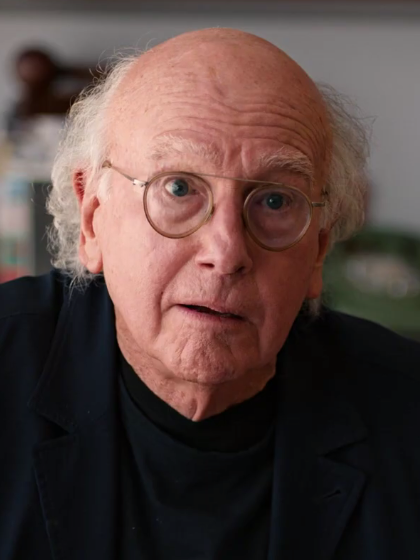
    Comedian Larry David recently offered strong opinions on former Presidents Barack Obama and Donald Trump. David lauded Obama’s comedic timing as ‘perfect’ in a new HBO series. He simultaneously expressed profound embarrassment regarding reports of Trump’s suggestion for a UFC fight at the White House. These comments, published by Variety in 2026, quickly became a focal point of public discussion.

    David’s remarks highlight a celebrity’s politically charged observations on public figures. They also underscore the increasing integration of entertainment and political commentary in contemporary media.

    Larry David’s Candor on Presidential Figures

    Larry David’s commentary on two recent U.S. Presidents, Barack Obama and Donald Trump, reflects his signature unfiltered style. Known for his roles in ‘Seinfeld’ and ‘Curb Your Enthusiasm,’ David’s public statements often carry significant weight. His observations provide a celebrity viewpoint that resonates with various segments of the public.

    The comedian’s willingness to engage with politically charged topics is well-documented. His recent statements, as reported by Variety, continue this trend. They draw a clear distinction between the two former presidents, framing one through the lens of entertainment and the other through political criticism.

    Obama’s ‘Perfect’ Timing on a New HBO Series

    Larry David’s praise for Barack Obama centered on the former president’s performance in an undisclosed new HBO show. David specifically highlighted Obama’s ‘perfect’ comedic timing. This endorsement from a renowned comedian like David carries considerable weight within the entertainment industry and among audiences.

    The specific context of Obama’s appearance on HBO was not fully detailed in the Variety report. However, David’s comments suggest an appreciation for Obama’s natural aptitude for humor and delivery within a scripted or semi-scripted format. This indicates a perceived ease and effectiveness in Obama’s on-screen presence.

    This is not the first instance of public figures, particularly former presidents, crossing over into entertainment. Many political leaders have made cameos, hosted shows, or participated in documentary projects. These appearances often showcase a different side of their public persona, moving beyond the traditional political sphere.

    David’s assessment, however, focused directly on the quality of the comedic performance itself. It was not merely an acknowledgment of Obama’s presence. It was a critical evaluation of his skill in a comedic role, a rare and significant compliment from a master of the craft.

    The Trump White House UFC Fight Proposal: A Source of Embarrassment

    In stark contrast to his remarks about Obama, Larry David voiced strong disapproval concerning reports of Donald Trump’s alleged proposal for a UFC fight at the White House. David stated that the idea made him ’embarrassed to be an American.’ This sentiment reflects a significant level of discomfort and national shame with the reported concept.

    The notion of hosting a professional fighting event within the historic confines of the White House drew considerable public debate when it was first reported. Critics argued that such an event would detract from the dignity and solemnity associated with the presidential residence. It was seen by many as an inappropriate use of a revered national symbol.

    David’s reaction aligns with those who viewed the proposal as incongruous with the office of the President. His statement encapsulates a feeling of national embarrassment, a strong emotional response to the perceived lowering of presidential decorum and the sanctity of the institution. This strong reaction highlights the cultural significance attributed to the White House as a symbol of national governance and tradition.

    The Blurring Lines: Politics, Entertainment, and Public Discourse

    Larry David’s commentary highlights the increasingly blurred lines between politics and entertainment in the 21st century. Public figures, regardless of their primary profession, often find themselves commenting on or participating in both spheres. This intersection significantly shapes public perception and discourse.

    Celebrities frequently use their platforms to express political opinions, endorse candidates, or critique policies. These expressions can influence public sentiment and contribute to ongoing political conversations. David, known for his acerbic wit and observational humor, is a prominent example of this trend. His public statements often reflect broader societal anxieties or admirations.

    The public consumes political news and commentary through various channels, including traditional news outlets, social media, and increasingly, entertainment media. This integration means that a comedian’s take on a political event or figure can become a significant part of the broader narrative, reaching audiences who might not engage with traditional political news.

    Media Amplification and Public Reaction

    Variety’s report on Larry David’s statements generated immediate public reaction and widespread media coverage. Media outlets often amplify such celebrity comments, recognizing their potential to spark debate and engagement. The contrasting nature of David’s remarks about Obama and Trump ensured wide coverage across different news and entertainment platforms.

    Social media platforms became a primary venue for both support and criticism of David’s views. Supporters praised his honesty and sharp critique, often echoing his sentiments of admiration or embarrassment. Detractors, however, accused him of political bias, questioning the appropriateness of a comedian’s political commentary. This polarization is a common outcome when celebrities weigh in on political matters, reflecting deep societal divisions.

    The article serves as a reminder that celebrity opinions, particularly from well-known figures like Larry David, continue to hold sway in public discourse. Their words can validate existing viewpoints, provoke strong disagreement, or introduce new perspectives into the national conversation. This influence underscores the power of celebrity in shaping contemporary political and cultural landscapes.

    The Enduring Legacy of Presidential Figures

    Both Barack Obama and Donald Trump continue to be subjects of intense public interest years after their presidencies. Their actions, statements, and even their post-presidency activities remain under constant scrutiny and discussion. David’s comments contribute to this ongoing assessment, adding another layer to their public personas.

    Obama’s post-presidency has included various media projects, including documentary production, podcast appearances, and now, reportedly, roles in entertainment. These activities maintain his public profile and allow for different interpretations of his persona, showcasing his adaptability beyond the political arena.

    Trump’s post-presidency has also been characterized by continued public engagement, often through media appearances, political rallies, and social media. Reports about his past proposals, like the White House UFC fight, resurface periodically, prompting renewed discussion and re-evaluation of his time in office.

    Larry David’s commentary underscores how the legacies of these political leaders are continuously shaped and reshaped by public perception, media narratives, and celebrity input. Their public images are dynamic, evolving with each new comment or appearance.

    The Comedian’s Role in Modern Political Discourse

    Comedians like Larry David often serve as cultural commentators, using humor to critique society and politics. Their observations, while sometimes delivered for comedic effect, can carry serious undertones and reflect broader societal sentiments. They often act as a barometer for public mood.

    The role of satire and political humor has a long and distinguished history. From ancient Greek theater to modern late-night shows and stand-up specials, comedians have challenged authority and offered alternative, often critical, perspectives. David’s remarks fit squarely within this tradition, employing his unique brand of observational humor to comment on significant national figures.

    His ability to articulate a sense of collective embarrassment or admiration through a concise statement demonstrates the power of comedic commentary. It allows for a direct, unfiltered expression that can cut through complex political rhetoric, often resonating more deeply with audiences than traditional political analysis. Comedians frequently highlight absurdities that might otherwise be overlooked.

    HBO’s Enduring Influence on Culture

    The mention of a new HBO show featuring Barack Obama highlights the continued influence of premium cable and streaming platforms in shaping cultural narratives. HBO has a long history of producing critically acclaimed content that attracts high-profile individuals, from actors to former world leaders.

    The platform provides an avenue for diverse storytelling, including projects that might feature former political leaders in unexpected roles. This expands the reach of public figures beyond traditional news and political channels. It allows them to engage with audiences in new, often more personal or entertaining, ways.

    Larry David himself has a longstanding relationship with HBO through his hit series, ‘Curb Your Enthusiasm,’ which has run for multiple seasons. This connection further legitimizes his commentary within the HBO ecosystem. It also reinforces the network’s role as a platform for influential voices and cultural commentary. The network continues to be a significant player in the entertainment landscape.

    The intersection of a former president, a legendary comedian, and a premium network underscores the complex and interwoven nature of modern media. It shows how political figures can seamlessly transition into entertainment roles. It also demonstrates how entertainment figures can profoundly impact political discourse.

    The comments. The reactions. The debate.

    The intersection.

    Society.

  • Nate Bargatze Faces Backlash for Trump UFC Appearance – The Bell Controversy

    Nate Bargatze Faces Backlash for Trump UFC Appearance – The Bell Controversy

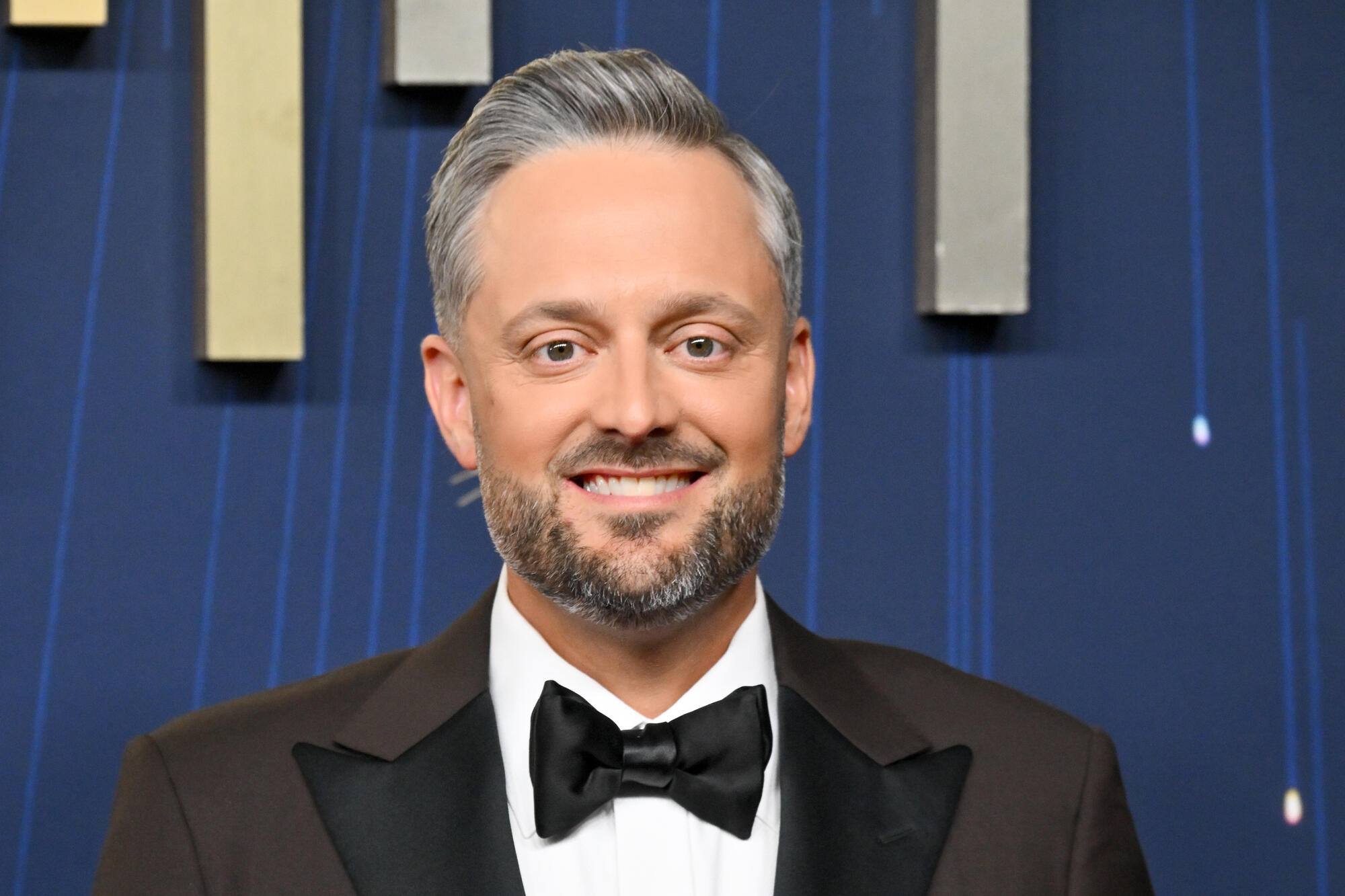
    Comedian Nate Bargatze faced public criticism following his attendance at a UFC event where he was seen and photographed with former President Donald Trump. The controversy intensified after comedian W. Kamau Bell publicly admonished Bargatze, cautioning him against associating with individuals Bell characterized as ‘fascists.’ This interaction fueled a wider discussion within the entertainment industry about comedians’ political stances and public appearances.

    The incident unfolded in the context of a highly polarized political environment. Public figures often navigate scrutiny regarding their associations. Bargatze’s presence at the event became a focal point for this ongoing debate.

    The UFC Event and Political Proximity

    Nate Bargatze, known for his clean, observational comedy style, attended a Ultimate Fighting Championship (UFC) event. These events frequently attract high-profile attendees from various fields. On this particular occasion, former President Donald Trump was also present.

    Photographs and videos quickly circulated across social media platforms. These visuals showed Bargatze in proximity to Trump. The imagery prompted immediate reactions from various online communities.

    The public’s response was swift and divided. Some fans expressed disappointment or anger. Others defended Bargatze’s right to attend any event and associate with anyone. This division mirrored broader societal political cleavages.

    UFC events have become notable venues for political engagement. Public figures often use these platforms for visibility. The presence of political leaders at such events is not uncommon, drawing both supporters and detractors.

    W. Kamau Bell’s Public Admonishment

    The criticism against Bargatze gained significant traction following comments made by comedian W. Kamau Bell. Bell, known for his socially conscious comedy and activism, addressed the situation publicly. His remarks were direct and unambiguous.

    Bell’s statement, delivered through social media, advised Bargatze: ‘Don’t Be in Photos With Fascists.’ This phrase quickly became a central point of the ensuing debate. Bell’s intervention elevated the discussion beyond casual online commentary.

    W. Kamau Bell’s career has often intersected with political and social justice issues. His show, United Shades of America, frequently explores themes of race, culture, and power. His public stance on political association aligns with his established persona.

    Bell’s comments were interpreted by many as a call for accountability. They suggested that public figures, especially comedians, hold a responsibility regarding the optics of their associations. The implication was that proximity to certain political figures could be seen as an endorsement.

    Reactions Across the Comedy Landscape

    The exchange between Bell and Bargatze resonated throughout the comedy world. Many comedians, industry professionals, and fans weighed in. The debate touched upon artistic freedom, moral responsibility, and the role of comedians in a politically charged era.

    Some comedians defended Bargatze, emphasizing the idea that attending an event or being photographed with someone does not equate to political endorsement. They argued for the separation of personal and professional lives, even for public figures.

    Other comedians sided with Bell’s perspective. They contended that in the current political climate, neutrality is increasingly difficult to maintain. They argued that silence or perceived association could be interpreted as complicity or normalization of certain ideologies.

    The discussion highlighted a generational and ideological split within comedy. Older generations of comedians often avoided overt political stances. Younger generations, particularly those influenced by social media, frequently integrate political commentary into their work and public identities.

    Social media platforms amplified the debate. Twitter, Instagram, and Facebook became arenas for passionate arguments. Hashtags related to Bargatze, Trump, and Bell trended, indicating widespread public engagement with the controversy.

    The Nuance of Association

    The core of the controversy lies in the interpretation of ‘association.’ Does a shared space imply shared values? This question has long been debated in public discourse. For comedians, whose craft often relies on observation and commentary, the lines can be particularly blurry.

    Public figures, by virtue of their visibility, are often subjected to intense scrutiny. Every action, every photograph, can be analyzed and interpreted by a vast audience. This reality places unique pressures on entertainers.

    The concept of ‘cancel culture’ also loomed over the discussion. Some worried that criticism could lead to professional repercussions for Bargatze. Others argued that public criticism is a necessary part of democratic discourse and accountability.

    The incident also sparked conversations about the boundaries of comedy itself. Is comedy meant to be purely entertainment, or does it carry a inherent social or political responsibility? These questions have no easy answers and continue to be debated.

    Bargatze’s Public Image and Career Trajectory

    Nate Bargatze has cultivated a public image as a family-friendly, relatable comedian. His humor typically avoids controversial political topics. This approach has garnered him a broad appeal and a significant following.

    His Netflix specials, including The Tennessee Kid (2019) and Hello World (2023), have been highly successful. Bargatze’s style is often described as ‘clean’ and accessible, appealing to audiences who prefer less explicit or politically charged content.

    The controversy potentially challenged this carefully constructed image. Fans who appreciate his non-political stance might have felt conflicted by his perceived political association. Conversely, some might have seen it as a non-issue.

    The long-term impact on Bargatze’s career remains to be seen. In the current climate, public figures often face short-term backlash that eventually subsides. However, such incidents can also lead to lasting shifts in audience perception.

    His touring schedule and future projects will indicate how the public ultimately responds. Comedians often navigate such controversies by either addressing them directly, ignoring them, or subtly incorporating the experience into their material.

    The Broader Context of Political Polarization

    The Bargatze-Bell controversy is not an isolated incident. It reflects a larger trend of increasing political polarization affecting all sectors of society, including entertainment. Artists and entertainers are increasingly expected to take sides or face criticism.

    The 2024 United States presidential election saw heightened political tensions. Public figures’ affiliations became more scrutinized than ever. The pressure to declare allegiances or face condemnation intensified across various industries.

    Social media platforms play a crucial role in this dynamic. They provide immediate avenues for both criticism and defense. Information, and misinformation, spreads rapidly, shaping public opinion in real-time.

    The entertainment industry, traditionally seen as a space for diverse viewpoints, now grapples with these pressures. The expectation for celebrities to act as moral or political compasses has grown. This places them in difficult positions, balancing personal beliefs with public image and career longevity.

    This ongoing cultural shift impacts how artists create, perform, and interact with their audiences. The line between personal and political is increasingly blurred, especially for those in the public eye.

    Looking Ahead: Navigating Public Scrutiny

    For comedians like Nate Bargatze, navigating public scrutiny after such an event becomes a test of resilience and strategic communication. The choices made in the aftermath can significantly shape public perception.

    Some public figures choose to issue statements clarifying their positions. Others may opt for silence, allowing the controversy to fade over time. Each approach carries its own risks and benefits.

    The incident serves as a case study in contemporary celebrity culture. The interconnectedness of social media, political discourse, and entertainment means that public figures operate in a constantly monitored environment.

    The demand for authenticity versus the need for strategic image management creates a complex landscape. Comedians, whose work often thrives on authenticity, face particular challenges in this regard.

    Ultimately, the Bargatze-Bell exchange underscores the ongoing struggle within the entertainment world. It highlights the tension between individual expression, public responsibility, and the unforgiving nature of online judgment.

    Fans considered. Critics analyzed. Comedians debated. The public watched.

    Culture.

  • Zac Brown Band Opens UFC Freedom 250 With Traditional National Anthem

    Zac Brown Band Opens UFC Freedom 250 With Traditional National Anthem

    Zac Brown Band performed “The Star-Spangled Banner” to open the main card of UFC Freedom 250, bringing traditional country music harmonies to the center of the Octagon. The performance set the tone for one of the most anticipated mixed martial arts events of 2026. The arena darkened. The crowd quieted. The band delivered a strictly acoustic, vocal-heavy rendition of the anthem. There were no backing tracks. There were no pop-music vocal gymnastics. The delivery was traditional, anchored in the multi-part harmonies that defined the group’s rise in the country music industry.

    UFC Freedom 250 represents a milestone for the promotion. Securing a multi-platinum, Grammy-winning country act for the opening ceremonies signals a specific cultural alignment. Mixed martial arts and country music share a heavily overlapping demographic. Both industries cater to audiences that value blue-collar work ethics, traditional patriotism, and raw, unvarnished entertainment. Zac Brown Band stepping into the cage in Las Vegas bridged those two worlds on a global broadcast.

    The Intersection of Octagon and Anthem

    The National Anthem serves as the emotional baseline for American sporting events. In combat sports, the contrast is especially stark. The song provides a moment of solemn unity before the physical violence begins. The fighters stand in their corners. The referees bow their heads. The crowd stands still. At UFC Freedom 250, this tradition was elevated by the sheer musical competence of Zac Brown Band.

    The band arranged the anthem to highlight their collective vocal strength. Zac Brown took the lead melody, his voice clear and unhurried. The rest of the band layered underneath, building a rich, choral texture. Coy Bowles, Clay Cook, and John Driskell Hopkins provided the harmonic foundation. The acoustic guitars were present but restrained. The focus remained entirely on the lyrics and the melody.

    This approach stands in sharp contrast to many modern sporting event anthems. In recent years, high-profile games have often featured solo pop artists taking extreme creative liberties with the song. Melodies get stretched. Tempos fluctuate wildly. Zac Brown Band took the opposite route. They played it straight. They played it with reverence. The Las Vegas crowd responded with a deafening roar as the final chord rang out across the T-Mobile Arena.

    Why UFC Freedom 250 Chose Zac Brown Band

    The partnership between the Ultimate Fighting Championship and Zac Brown Band is not a random booking. It is a calculated move by UFC President Dana White and the promotion’s live event coordinators. The UFC has spent the last decade expanding its footprint in the American South and Midwest. Country music is the soundtrack of those regions.

    Fighters have long used country music for their walkout songs. Donald “Cowboy” Cerrone famously walked out to Kid Rock. Bryce Mitchell carries a camouflage Bible and walks out to traditional country anthems. Jim Miller has used classic rock and country staples. The fighters reflect the fan base. By bringing a premier country act to perform live at a milestone event like Freedom 250, the UFC acknowledges the cultural roots of its core audience.

    A Legacy of Service and Song

    The “Freedom” branding of the UFC 250 event carries specific weight. It is tied to military appreciation and veteran support. Zac Brown Band possesses a deep, verifiable history of supporting the United States Armed Forces. This made them the logical choice for the broadcast.

    Zac Brown founded Camp Southern Ground in Fayetteville, Georgia. The facility dedicates a massive portion of its resources to veteran support programs. They focus on post-deployment transition, mental health, and family reintegration for service members. The band does not just sing about patriotism. They fund it. They build infrastructure for it. When Zac Brown stands in the Octagon and sings about the flag, the audience knows the history behind the voice. The authenticity translates through the television screen.

    The Anatomy of a Zac Brown Band Anthem

    Musically, “The Star-Spangled Banner” is notoriously difficult to sing. It spans an octave and a half. It requires significant breath control and precise pitch. Many vocalists fail because they start in a key that is too high, leaving them nowhere to go during the climactic “rockets’ red glare” sequence.

    Zac Brown Band avoided this trap through meticulous arrangement. They pitched the song in a comfortable mid-range for Brown’s baritone-leaning voice. When the melody climbed, the supporting harmonies swelled to carry the acoustic load. The arrangement utilized a traditional 3/4 time signature, keeping the waltz-like rhythm of John Stafford Smith’s original composition intact.

    The acoustic instrumentation added a distinctly American flavor to the performance. Instead of a pre-recorded orchestral track or a lone electric guitar, the band used wooden instruments. The resonance of acoustic guitars echoing inside a modern, steel-and-glass arena created a unique auditory experience. It felt intimate despite being broadcast to millions of homes via ESPN+ Pay-Per-View.

    Country Music’s Growing Footprint in Combat Sports

    The appearance of Zac Brown Band at UFC Freedom 250 is part of a larger trend. Country music is steadily encroaching on territory traditionally held by hip-hop and hard rock. For years, combat sports were defined by heavy metal and rap. Those genres provided the aggression and adrenaline associated with fighting.

    However, the cultural landscape has shifted. Modern country music has embraced arena-rock production values. Artists like Morgan Wallen, Luke Combs, and Hardy are selling out NFL stadiums. Hardy has explicitly written songs about wrestling and fighting. The aggression and high energy of modern country perfectly match the atmosphere of a UFC pay-per-view. Zac Brown Band, while leaning more traditional and acoustic, carries the same stadium-level authority.

    From Walkout Songs to Center Stage

    The transition from pre-recorded walkout music to live center-stage performances indicates the genre’s dominance. The UFC does not frequently feature live musical performances. Unlike the NFL Super Bowl, which treats the halftime show as a separate concert, the UFC keeps the focus strictly on the fights. When Dana White approves a live performance, it must add direct value to the fight card.

    Zac Brown Band added that value. They did not distract from the event. They anchored it. By keeping the performance tight, respectful, and musically flawless, they respected the unwritten rules of combat sports. The fighters are the stars. The musicians are there to set the stage. The band understood the assignment perfectly.

    The Cultural Weight of The Star-Spangled Banner in 2026

    In 2026, the performance of the National Anthem remains a highly scrutinized public event. Social media platforms instantly dissect every rendition. Mistakes go viral. Disrespect, whether intentional or accidental, is harshly criticized. The demand for traditional, straightforward renditions has never been higher.

    Audiences seek competence and reverence. Zac Brown Band delivered both. Their performance at UFC Freedom 250 served as a masterclass in how to handle the anthem on a massive stage. They did not make the song about themselves. They made it about the event, the country, and the moment. This self-awareness is a hallmark of seasoned entertainers.

    The broadcast captured the mood perfectly. The ESPN+ cameras panned across the faces of the fighters waiting in the locker rooms. The broadcast showed military veterans in the front rows. The visual storytelling matched the audio. It was a cohesive, highly produced moment of television that felt entirely organic.

    The Broadcast Impact

    The execution of the broadcast was flawless. Audio engineering for live music in a sports arena is notoriously difficult. The acoustics of the T-Mobile Arena are designed for crowd noise, not delicate acoustic harmonies. Yet, the sound mix on the ESPN+ feed was pristine. Every vocal layer was audible. The guitars were crisp.

    This technical success ensured that the performance resonated with the millions of fans watching at home, not just the thousands inside the building. As the final notes faded, the transition back to the sports broadcast was seamless. Jon Anik, Joe Rogan, and Daniel Cormier took over the commentary. The tone was set. The energy was peaked.

    The intersection of country music and mixed martial arts reached a new high-water mark in Las Vegas. Zac Brown Band proved that traditional musicality still holds massive power in modern sports entertainment. They brought their Georgia roots to the Nevada desert. They brought acoustic wood to a steel cage. They brought harmony to a night of combat. Fans watched. Fighters waited. The chords faded. The fight began.

  • UFC Freedom 250 Draws 8.2 Million Viewers, Inside the Historic White House Broadcast

    UFC Freedom 250 Draws 8.2 Million Viewers, Inside the Historic White House Broadcast

    UFC Freedom 250 drew an average of 8.2 million viewers across the United States and Latin America during its exclusive broadcast on Paramount+. The event, held in June 2026, marked a historic broadcasting milestone as the first mixed martial arts card to take place on the grounds of the White House. The numbers validate a massive financial gamble by both the promotion and the streaming platform.

    Paramount Global secured the rights to the unprecedented event in a one-off deal with TKO Group Holdings. They bet on a fusion of sports, patriotism, and international appeal. The wager paid off immediately. Peak viewership surged to 10.4 million during the main event. The broadcast shattered previous streaming records for combat sports on a non-pay-per-view platform.

    What looked like a logistical nightmare became a cultural touchstone. The event bridged the gap between traditional American pageantry and modern digital sports consumption. It proved that live sports remain the undisputed king of streaming engagement.

    The South Lawn Becomes an Octagon

    Building an arena at 1600 Pennsylvania Avenue required unprecedented coordination. The United States Secret Service, the National Park Service, and UFC Chief Operating Officer Lawrence Epstein spent eight months developing the site plan. The goal was to construct a regulation 30-foot Octagon on the South Lawn without disrupting the daily operations of the executive branch.

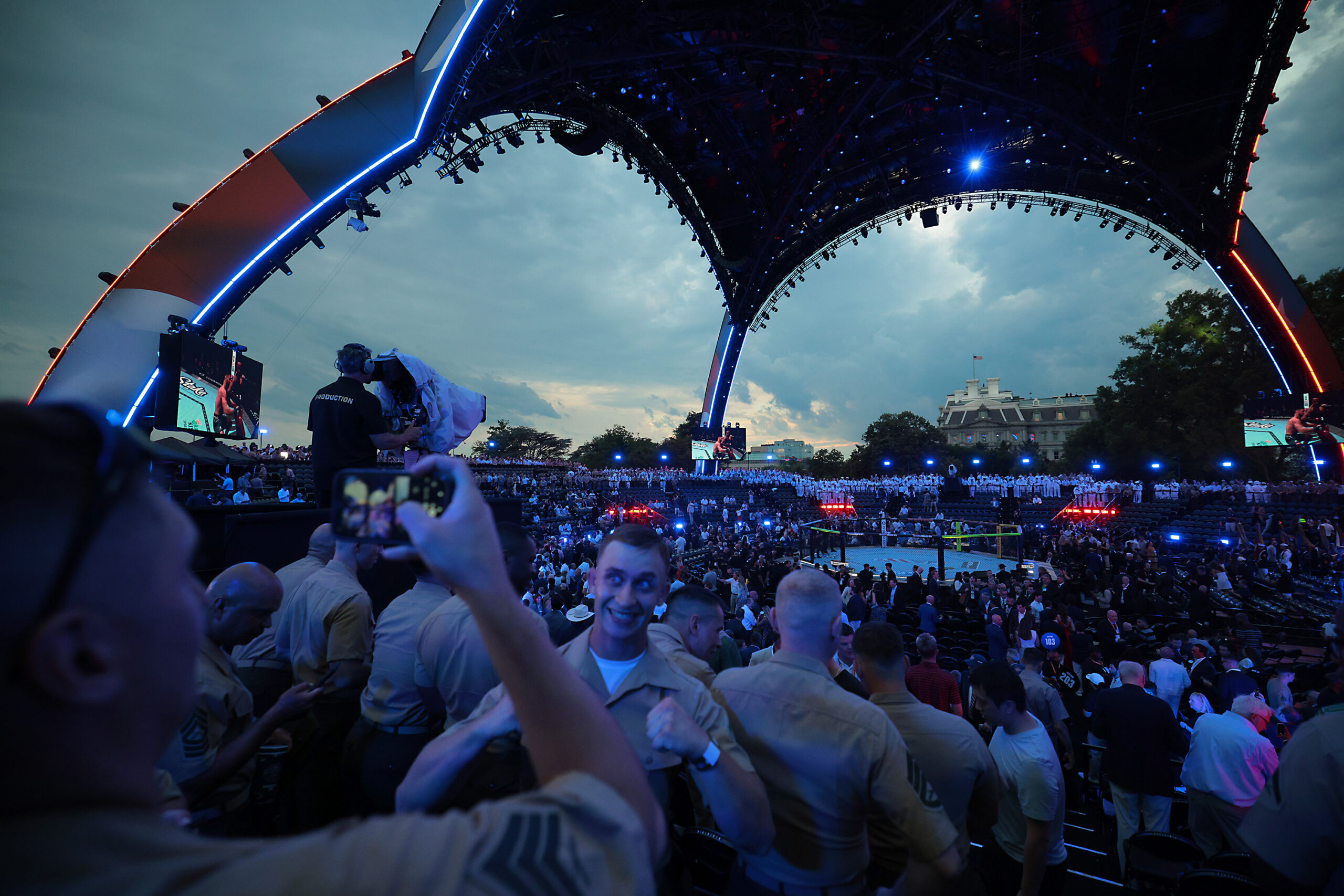
    Load-in began on Tuesday, June 9. A fleet of unmarked production trucks passed through the security checkpoints at the Eisenhower Executive Office Building. Crews laid down heavy-duty interlocking turf protectors to shield the historic grass. Above the Octagon, a custom-built, low-profile lighting truss was suspended using localized hydraulic lifts. The design ensured the Truman Balcony remained visible in every wide camera shot.

    The live audience was strictly capped. Exactly 4,000 seats were arranged in a tight horseshoe around the cage. The guest list was heavily curated. It included active-duty military personnel, Medal of Honor recipients, wounded veterans, and high-ranking government officials. The visual impact was immediate. Camouflage uniforms mixed with formal evening wear under the glow of the broadcast lights.

    The Security Protocol

    Security measures exceeded those of a standard presidential inauguration. The airspace above Washington D.C. was completely restricted. Paramount+ deployed a fleet of tethered broadcast drones rather than traditional helicopters to capture aerial footage. These drones operated on a closed, encrypted frequency managed by the Department of Homeland Security.

    Fighters underwent extensive background checks three months prior to the event. The traditional walkouts were modified. Instead of emerging from a tunnel, competitors walked down a secure, heavily guarded pathway lined by the United States Marine Band. The atmosphere was less like a Las Vegas arena and more like a state dinner with four-ounce gloves.

    Breaking Down the 8.2 Million Viewers

    The 8.2 million average viewership number represents a seismic shift in how combat sports are consumed. Paramount+ did not place the event behind an additional paywall. It was available to all baseline subscribers. This accessibility drove the massive engagement metrics.

    Nielsen and Paramount’s internal analytics provided a clear demographic breakdown. The United States accounted for 5.1 million of the average viewers. The audience skewed heavily toward the 18-to-34 male demographic, a highly coveted group for advertisers. However, female viewership saw a 22 percent increase compared to standard UFC Fight Night broadcasts, driven largely by the unique venue and mainstream media coverage.

    • United States: 5.1 million average viewers.
    • Mexico: 1.4 million average viewers.
    • Brazil: 1.1 million average viewers.
    • Rest of Latin America: 600,000 average viewers.

    The peak concurrency of 10.4 million occurred at 11:15 PM Eastern Standard Time. This was the exact moment the main event fighters touched gloves. Paramount’s server architecture, fortified by Amazon Web Services, handled the load without a single widespread outage. The technical flawless execution was a major victory for Paramount Global CEO Brian Robbins.

    The Latin American Streaming Expansion

    The Latin American numbers were not an accident. They were the result of a highly targeted strategy. Paramount+ has spent the last three years aggressively expanding its footprint in South America and Mexico. UFC Freedom 250 served as the ultimate stress test for this infrastructure.

    TKO Group Holdings stacked the card with international talent to ensure global appeal. The co-main event featured a top-ranked Mexican contender facing a Brazilian former champion. This matchmaking guaranteed high engagement in the two largest Latin American media markets.

    Paramount+ offered dedicated, localized broadcast feeds. The Spanish-language desk broadcast live from a secondary set constructed near the Rose Garden. The Portuguese feed was anchored by a team in São Paulo, utilizing real-time satellite telemetry to eliminate audio delay. This localized approach transformed a distinctly American event into a pan-American spectacle.

    “Live sports are the only content that demands absolute synchronicity. You cannot watch a fight on a delay. Paramount+ proved they can deliver a synchronous global event without a dropped frame.”, The Wall Street Journal, June 2026.

    The Cultural Defense and the Semiquincentennial

    The branding of “Freedom 250” was highly intentional. The year 2026 marks the American Semiquincentennial, the 250th anniversary of the United States. UFC CEO Dana White pitched the event as the opening salvo of the nation’s year-long celebration.

    The broadcast leaned heavily into themes of cultural defense and national pride. Video packages between fights highlighted the history of the armed forces. The event partnered with the Wounded Warrior Project and the Tunnel to Towers Foundation, raising a reported $12 million in viewer donations through QR codes displayed on the screen.

    This patriotic framing resonated deeply with the core UFC audience. It also provided a shield against critics who argued that a violent sport did not belong at the White House. The framing was simple: combat sports are a test of resilience, and resilience is an American virtue. The narrative was seamless. The audience bought in completely.

    Wall Street Reacts to the Octagon

    The financial markets responded immediately to the viewership data. When the New York Stock Exchange opened on the Monday following the event, TKO Group Holdings (NYSE: TKO) saw its stock price rally by 4.2 percent. Investors recognized the immense value of the UFC brand operating outside the traditional pay-per-view model.

    Paramount Global (NASDAQ: PARA) experienced a 3.1 percent bump. The 8.2 million viewers represented millions of potential new long-term subscribers. Wall Street analysts quickly began calculating the lifetime value of the users who signed up specifically for the White House fight. The consensus was overwhelmingly positive.

    The Advertising Revenue

    The event was a commercial juggernaut. Paramount+ and TKO Group Holdings reported a combined $45 million in targeted ad revenue for the three-hour broadcast. Traditional commercial breaks were limited to maintain the pacing of the event. Instead, revenue was generated through high-visibility sponsorships.

    Modelo retained its position as the official beer of the UFC, with its logo painted prominently on the center canvas. DraftKings sponsored the on-screen statistical graphics. Ford secured the naming rights to the broadcast desk. The integration of these brands into a White House setting provided unprecedented visibility. Advertisers paid a premium for the juxtaposition of corporate branding and national monuments.

    The Blueprint for Future Live Events

    UFC Freedom 250 altered the trajectory of live sports broadcasting. It proved that streaming platforms can execute massive, complex, location-based events that rival the Super Bowl in cultural footprint. The reliance on traditional cable television for live sports continues to erode.

    The success of the White House fight guarantees that TKO Group Holdings will seek out increasingly exotic venues for future milestone events. Rumors have already begun circulating about a potential card held on the deck of an active aircraft carrier, or a custom arena built at the base of Mount Rushmore. The precedent has been set. The scale has been permanently altered.

    Paramount+ established itself as a premier destination for live combat sports. The 8.2 million viewers were not just watching a fight. They were participating in a digital beta test for the future of entertainment. The platform delivered. The audience stayed.

    The lighting truss was lowered. The interlocking turf was removed. The South Lawn was cleared before dawn. The numbers remained. History.

  • FBI Intercepts Alleged Plot Targeting UFC Event at White House

    FBI Intercepts Alleged Plot Targeting UFC Event at White House

    The Federal Bureau of Investigation (FBI) has confirmed that multiple suspects have been taken into custody. These arrests are connected to an alleged plot to target a Ultimate Fighting Championship (UFC) event. The event was reportedly planned for the White House grounds.

    This information comes from initial reports, indicating a swift response by federal authorities. The precise nature of the alleged plot or the identities of those apprehended have not yet been publicly disclosed.

    FBI Action and Custody

    The FBI acted to prevent the alleged attack. Multiple individuals are now in federal custody. The agency has not released specific details regarding the number of suspects or their backgrounds.

    Law enforcement agencies are conducting an ongoing investigation. Official statements are expected to provide more clarity as the situation develops.

    Target: UFC Event at the White House

    Reports indicate the alleged plot specifically targeted a UFC event. Such events have occasionally been held or hosted at the White House, often involving prominent figures from the fighting world and political spheres. The presence of such an event would draw significant public and media attention.

    The security implications of an alleged plot against a high-profile event at a sensitive location like the White House are considerable. This underscores the seriousness with which federal authorities are treating the intelligence received.

    Developing Story: Limited Details

    This is a developing story. Information is still emerging from official sources. The FBI and other involved agencies are expected to provide updates as their investigation proceeds.

    Journalists and news organizations are monitoring the situation closely. Further details regarding the alleged plot, the methods intended, and the motivations of the suspects are anticipated.

    Impact and Ongoing Investigation

    The successful interception of this alleged plot highlights the constant vigilance of federal law enforcement. The incident emphasizes the continuous threat assessment conducted for high-profile events and locations.

    The investigation will likely delve into the origins of the plot, potential accomplices, and any broader networks involved. Public safety remains a paramount concern for all agencies involved.