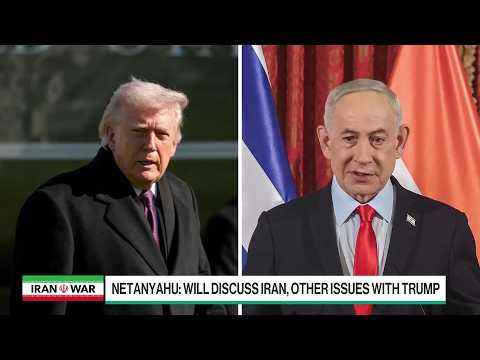
President Donald Trump and Israeli Prime Minister Benjamin Netanyahu convened a high-stakes diplomatic summit in Washington, D.C., on July 28, 2026. This meeting was officially scheduled to address pressing regional challenges, reinforce the strategic alliance between the United States and Israel, and align their positions on key international issues impacting global security and economic stability.
The engagement marked a significant moment for U.S.-Israel relations and Middle East policy. Both leaders sought to project a united front on critical international matters.
The Washington Summit: A Diplomatic Nexus
The July 28, 2026, summit in Washington brought together two central figures in international diplomacy. President Trump and Prime Minister Netanyahu met to discuss a range of critical subjects. These discussions were designed to strengthen the bilateral relationship.
High-level communication channels are crucial for maintaining strong alliances. This summit served as a direct conduit for such exchanges. The meeting followed a long tradition of close consultation between the two nations.
Iran: The Central Challenge
The primary focus of the summit was Iran’s nuclear program. Both the United States and Israel consider Iran’s nuclear ambitions a significant threat. They also view Iran’s regional activities as destabilizing.
Strategies for countering Iranian influence in the Middle East were a central theme. Discussions explored various approaches to mitigate these perceived threats. This included potential diplomatic and security measures.
Intelligence sharing on Iran’s activities was a key component. Enhanced cooperation in this area aims to provide a clearer picture of regional dynamics. This shared intelligence informs strategic decisions.
Regional Security and Global Implications
Beyond Iran, regional security concerns featured prominently on the agenda. The ongoing conflict in Ukraine and its wider implications were discussed. Leaders considered how global events impact the Levant region.
Stability in the Middle East remains a complex issue. The leaders explored avenues for enhanced intelligence sharing. Military cooperation was also a topic of discussion.
Such cooperation aims to improve preparedness and response capabilities. It underscores the shared security interests of the U.S. and Israel. These discussions extend beyond immediate threats.
The Ukraine Conflict and Its Ripple Effects
The conflict in Ukraine has created global uncertainties. Its impact on energy markets, diplomatic alliances, and security postures is significant. President Trump and Prime Minister Netanyahu addressed these ripple effects.
The discussions were not confined to bilateral interests alone. They considered how actions in one region affect others. This holistic view is characteristic of high-level diplomatic engagements.
A coordinated stance on global issues can send clear messages. This applies to both allies and adversaries. The summit served as a platform for this unified projection.
Economic Partnerships and Bilateral Ties
Economic partnerships between the U.S. and Israel were another key agenda item. Trade agreements were on the table. Technological collaboration was also a significant point of discussion.
Joint investment opportunities were explored. Strengthening these ties aims to benefit both economies. Economic cooperation complements security and diplomatic efforts.
These partnerships foster innovation and growth. They provide a stable foundation for the broader relationship. Both nations seek mutual economic advantage.
Technological Collaboration: A Growth Area
Technological collaboration is a rapidly expanding area of cooperation. Israel is known for its innovation in various tech sectors. The United States offers vast markets and research capabilities.
Discussions focused on joint ventures in cybersecurity, artificial intelligence, and defense technologies. These areas hold significant promise for mutual benefit. They also address shared challenges.
The exchange of scientific expertise and resources was emphasized. This collaboration strengthens both nations’ competitive edge. It also contributes to global technological advancement.
Anticipated Outcomes and Joint Statements
The summit is expected to conclude with a joint press conference. A formal statement is also anticipated. These will outline the agreements reached.
They will also detail the shared strategic objectives of the two nations. Policy analysts will closely scrutinize these pronouncements. They will look for shifts in diplomatic posture.
Specific details regarding any new initiatives or commitments are anticipated. These could range from expanded security protocols. New economic incentives are also possible outcomes.
The Significance of Public Pronouncements
Public statements following such summits are carefully crafted. They convey the collective will and direction of the leaders. These pronouncements are critical for international understanding.
They signal intentions to allies and rivals. They also inform domestic audiences about the progress of diplomatic efforts. The language used is often precise and deliberate.
Any joint declaration will be analyzed for its implications. It will reflect the areas of consensus. It will also highlight the strategic priorities of both governments.
Historical Context of U.S.-Israel Summits
Meetings between U.S. Presidents and Israeli Prime Ministers have a long history. These gatherings are crucial for maintaining the strong bilateral relationship. They provide direct channels for high-level communication and problem-solving.
Past summits have often led to significant agreements. These include security assistance packages. Peace initiatives and economic aid have also resulted from these meetings.
Each meeting builds upon decades of established diplomatic precedent. The July 28, 2026, summit follows this tradition of close consultation. It reaffirms an enduring partnership.
Decades of Diplomatic Engagement
The relationship between the United States and Israel has been characterized by consistent engagement. From the early days of Israel’s statehood, U.S. Presidents have met with Israeli leaders. These meetings have spanned numerous administrations.
They have addressed various geopolitical shifts and challenges. The regularity of these summits underscores their importance. They are a cornerstone of the bilateral relationship.
This history provides a framework for current discussions. It ensures continuity in diplomatic efforts. It also highlights the depth of the strategic alliance.
The Enduring Partnership
The United States has consistently been Israel’s strongest ally. This relationship is underpinned by shared democratic values. Strategic interests also bind the two nations.
The Washington summit reaffirmed this enduring partnership. It demonstrated a commitment to mutual security. It also showcased a shared vision for regional stability.
This partnership extends beyond governmental ties. It encompasses cultural, economic, and societal connections. These multifaceted links contribute to the resilience of the alliance.
Shared Values and Strategic Alignment
Democratic values form a foundational element of the U.S.-Israel relationship. Both nations uphold principles of freedom, rule of law, and individual liberties. These shared ideals foster mutual respect and understanding.
Strategically, both countries face common threats. These include terrorism, state-sponsored aggression, and regional instability. This alignment of strategic interests drives cooperation in defense and intelligence.
The partnership is not static. It evolves with changing global dynamics. However, its core principles remain constant, guiding diplomatic interactions.
Global Implications of the Meeting
The outcomes of the Trump-Netanyahu summit will have ripple effects across the globe. Decisions made in Washington can influence geopolitical dynamics. This includes the Middle East, Europe, and beyond.
International observers monitored the meeting closely. The timing of this meeting was particularly salient. It occurred amidst current global uncertainties.
Energy markets, diplomatic alliances, and security postures could all be impacted. The discussions were not confined to bilateral interests alone. They held broader international significance.
Monitoring by International Observers
Diplomatic missions worldwide paid close attention to the summit’s proceedings. Analysts from various international organizations tracked the statements and outcomes. The potential for shifts in policy was a key focus.
News agencies globally reported on the event. Their coverage reflected the perceived importance of the U.S.-Israel relationship. It also highlighted the impact of their coordinated actions on world affairs.
The summit’s influence extends to multilateral forums. Discussions and agreements reached can shape debates in the United Nations, NATO, and other international bodies.
A Moment of Diplomatic Weight
This summit represented an opportunity for both leaders to project a united front. They addressed critical international issues. Their coordinated stance sent clear messages to allies and adversaries alike.
It was a moment of significant diplomatic weight. The discussions and agreements aimed to shape future policy. They reinforced the strategic direction of both nations.
Leaders convene. Strategies align. Policies are forged. The future is shaped.
Washington.