Tag: Twitter

  • Nicki Minaj Charges Fans $10 a Month for Exclusive X Content

    Nicki Minaj Charges Fans $10 a Month for Exclusive X Content

    The Economics of Direct Fan Monetization

    Popular music icons operate complex digital ecosystems. Every post, tweet, and live stream carries commercial value. Major artists continually test the boundaries of digital engagement and financial return.

    Nicki Minaj introduced a direct subscription model on X, charging supporters $10 per month. The feature locks select updates, media, and commentary behind a paywall. Followers must pay the monthly fee to view the artist’s exclusive timeline updates.

    Platform monetization tools allow high-profile accounts to capture recurring revenue directly from followers. Traditional social media models relied on ad-revenue sharing and algorithmic reach. Modern creator economies rely on direct micro-transactions from dedicated fanbases.

    Fan Reactions and the Backlash Over Access

    Digital communities reacted swiftly to the paywall announcement. Loyal supporters voiced frustration over paying recurring fees simply to read an artist’s everyday commentary.

    Online fan culture values parasocial intimacy and immediate access. Monetizing those interactions transforms organic community spaces into tiered subscription products. Critics argue that charging for basic social media access alienates younger or lower-income supporters.

    How Platform Paywalls Shape Celebrity Culture

    Platforms like X, formerly Twitter, rolled out subscription features to retain top-tier creators. Artists leverage massive follower counts to drive recurring subscription revenue. Million-follower accounts possess immense leverage when testing monetization thresholds.

    • Platform features enable recurring creator subscriptions.
    • High follower counts turn minor monthly fees into substantial revenue streams.
    • Paywalls divide casual observers from financially committed super-fans.

    Charging for digital access alters the fundamental dynamic between artists and audiences.

    The Broader Trend Across the Music Industry

    Recording artists face shifting revenue realities in the streaming era. Album sales and touring margins fluctuate with economic conditions. Digital monetization bridges the gap between major album cycles.

    Competitors across the entertainment sector experiment with private servers, subscriber-only Discord channels, and paid newsletters. Nicki Minaj joins an expanding roster of celebrities utilizing closed ecosystems to maximize digital earnings.

    Followers grumbled. Observers calculated the margins. Platforms updated their software. The subscription economy expanded.

    Minaj.

    Frequently Asked Questions

    How much does Nicki Minaj charge for exclusive X content?

    Nicki Minaj charges fans $10 a month for access to her exclusive subscription content on X.

    Why are fans upset about the subscription fee?

    Fans argue that charging a monthly recurring fee for basic social media access and celebrity commentary creates unnecessary financial barriers for loyal supporters.

    What platform hosts Nicki Minaj’s paid subscription?

    The subscription feature operates directly on X, utilizing the platform’s native creator monetization tools.

  • UK Culture Secretary Lisa Nandy Quits X Over ‘Abuse and Misinformation’

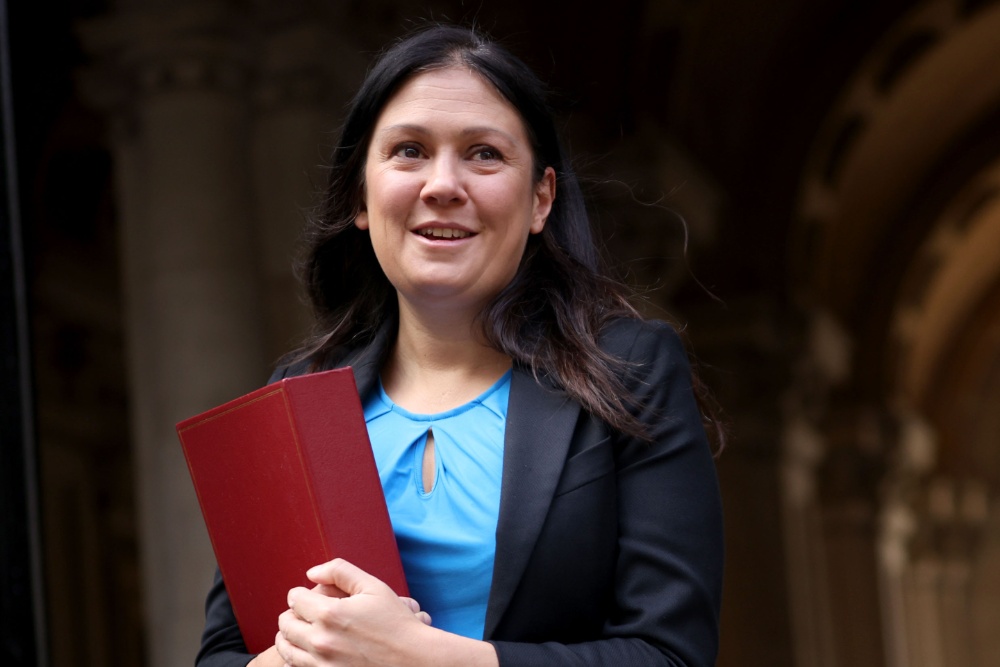
    UK Culture Secretary Lisa Nandy Quits X Over ‘Abuse and Misinformation’

    UK Culture Secretary Lisa Nandy announced her departure from the social media platform X, formerly Twitter, citing pervasive ‘abuse and misinformation’ as the primary reasons for her decision. This move by a high-profile government official brings renewed attention to the ongoing challenges faced by social media platforms regarding content moderation and the spread of harmful narratives.

    Nandy’s public statement outlined her concerns, emphasizing the detrimental impact of unmoderated content on public discourse and individual well-being. Her exit signals a significant stance against the current operational policies of X under Elon Musk’s ownership.

    The Stated Reasons for Departure

    Lisa Nandy’s decision was not made in isolation. It followed a period of increasing scrutiny over the content policies and enforcement mechanisms on X. Her public statements highlighted a perception of escalating issues on the platform.

    The terms ‘abuse’ and ‘misinformation’ were central to her explanation. These categories encompass a broad range of content, from personal attacks and harassment to the deliberate propagation of false or misleading information.

    Nandy’s role as Secretary of State for Culture, Media and Sport places her at the forefront of discussions surrounding online safety, media regulation, and the digital landscape within the United Kingdom. Her actions carry institutional weight.

    A Broader Context of Platform Scrutiny

    The departure of a UK Cabinet minister from a major social media platform is a notable event. It reflects a wider trend of political figures, public institutions, and advocacy groups expressing dissatisfaction with the governance of online spaces.

    Since its acquisition by Elon Musk in October 2022, X has undergone significant operational changes. These changes have included alterations to content moderation teams and policies, leading to varying reactions from users and regulators alike.

    Critics have often pointed to a perceived increase in hate speech, harassment, and the proliferation of unverified claims on the platform. These concerns have been voiced by a diverse array of stakeholders, including civil society organizations, advertisers, and former employees.

    Impact on Online Safety Debates

    Nandy’s exit contributes to the ongoing debate surrounding online safety legislation, particularly in the UK. The Online Safety Act, which received Royal Assent in October 2023, aims to make the UK the safest place in the world to be online.

    The Act imposes new duties of care on social media companies to protect users from illegal and harmful content. Nandy, in her capacity, is directly involved in the implementation and oversight of this landmark legislation.

    Her personal experience with the platform underscores the practical challenges of enforcing these new regulations and ensuring platforms adhere to their responsibilities.

    The Role of Elon Musk and X’s Evolution

    Elon Musk’s tenure as owner of X has been characterized by a philosophy of ‘free speech absolutism.’ This approach has often been interpreted as a relaxation of previous content moderation standards.

    Musk’s stated goal has been to create a global town square where all voices can be heard. However, critics argue that this approach has inadvertently fostered an environment where harmful content can thrive.

    The platform has seen significant changes in its verification system, API access, and advertising policies. These shifts have contributed to a complex and evolving user experience.

    Challenges for Advertisers and Brands

    The concerns raised by Lisa Nandy echo those of numerous advertisers and brands. Many companies have paused or significantly reduced their advertising spending on X due to brand safety concerns.

    The presence of ‘abuse and misinformation’ can create an environment that is deemed unsuitable for brand association. This has had financial implications for the platform.

    The balance between free expression and brand safety remains a critical challenge for X and other social media companies.

    Political Implications of Nandy’s Stance

    As a senior member of the current UK government, Lisa Nandy’s public disengagement from X carries political weight. It can be seen as a signal of the government’s stance on platform accountability.

    Her decision may encourage other political figures or public servants to re-evaluate their own presence on the platform. It could also influence public perception of X’s reliability as a source of information.

    The Labour Party, to which Nandy belongs, has historically advocated for stronger regulation of tech companies and greater protections for online users. Her actions align with these broader party principles.

    Precedent and Future Actions

    Nandy’s departure sets a precedent for how high-ranking officials might interact with social media platforms that they believe are failing to uphold standards of safety and accuracy.

    It raises questions about whether this move will be followed by further governmental action or policy shifts directed at X or the wider tech industry.

    The incident contributes to an ongoing international dialogue about digital governance and the responsibilities of global technology companies operating within national jurisdictions.

    The Broader Landscape of Social Media

    Nandy’s concerns are not unique to X. Other social media platforms also grapple with issues of misinformation, hate speech, and online harassment. However, the specific policy shifts at X have drawn particular attention.

    The incident highlights the fragmentation of the online public square. As individuals and institutions choose to leave certain platforms, the digital landscape becomes more diverse and potentially siloed.

    The search for alternative platforms that better align with individual values or moderation preferences continues for many users.

    User Experience and Trust

    The user experience on social media platforms is heavily influenced by the presence or absence of harmful content. A prevalence of ‘abuse and misinformation’ can erode user trust and engagement.

    For some users, the decision to leave a platform like X is a personal one, driven by a desire to avoid negative online interactions. For public figures like Nandy, it also becomes a professional statement.

    Platforms that fail to address these concerns risk losing significant portions of their user base, particularly those who value safety and factual accuracy.

    Looking Ahead: The Future of X and Content Moderation

    The departure of Lisa Nandy adds another voice to the chorus of those calling for more robust content moderation on X. Whether this will lead to significant policy changes on the platform remains to be seen.

    The company continues to assert its commitment to free speech while also attempting to address concerns about illegal content and platform manipulation. This balance is a continuous challenge.

    The incident serves as a reminder that the relationship between governments, social media platforms, and the public is constantly evolving, shaped by technological advancements, regulatory pressures, and user expectations.

    Governments monitor. Regulators scrutinize. Public figures depart.

    X.

  • Elon Musk’s X Briefly Streams ‘Citizen Vigilante’ After German Ban

    Elon Musk’s X Briefly Streams ‘Citizen Vigilante’ After German Ban

    Elon Musk’s social media platform X briefly made the film ‘Citizen Vigilante,’ starring Armie Hammer, available for streaming. This action followed the film’s ban in Germany, igniting a discussion about content moderation, perceived censorship, and the distribution of media across international borders on digital platforms.

    The move by X, under Musk’s ownership, positioned the platform as a potential avenue for content that faces restrictions elsewhere. It highlighted the ongoing tension between national content regulations and the global reach of internet-based services. The temporary availability drew immediate attention from various media outlets and social commentators.

    The ‘Citizen Vigilante’ Film and its Context

    ‘Citizen Vigilante’ is a film featuring Armie Hammer in a prominent role. Details regarding the film’s plot and production remain limited in public discourse, but its association with Hammer and its subsequent ban in Germany have brought it into the spotlight. Hammer’s career has been subject to extensive public scrutiny in recent years.

    The specific reasons for the German ban have not been widely detailed but typically involve concerns over content that violates national laws, such as those pertaining to hate speech, glorification of violence, or protection of minors. Germany maintains strict regulations on media content, which often differ from those in other countries.

    The film’s brief appearance on X suggests a deliberate decision to host content that had faced prior restrictions. This aligns with Elon Musk’s stated commitment to free speech principles on the platform, although the temporary nature of its availability raises questions about the platform’s internal review processes.

    X’s Content Moderation Policies Under Elon Musk

    Since acquiring Twitter and rebranding it as X, Elon Musk has emphasized a commitment to free speech, often positioning the platform as a bastion against censorship. This stance has led to significant changes in X’s content moderation policies, which have been met with both praise and criticism.

    The decision to host ‘Citizen Vigilante,’ even temporarily, can be seen as an extension of this philosophy. It challenges the notion that platforms should universally adhere to the content restrictions of individual nations. However, the global nature of X means that content available in one region may be illegal or deemed offensive in another.

    The platform’s approach to content moderation has been a frequent subject of debate. Critics argue that a lax approach could lead to the proliferation of harmful content, while supporters contend it upholds fundamental rights to expression. The ‘Citizen Vigilante’ incident serves as a practical example of this ongoing tension.

    The Role of International Bans and Digital Distribution

    National bans on films or other media are not uncommon. Governments often implement such bans based on cultural, political, or legal grounds specific to their jurisdiction. These bans are designed to prevent the dissemination of content deemed harmful or illegal within national borders.

    However, the advent of global digital distribution platforms like X complicates the enforcement of these national restrictions. Content uploaded to a platform can be accessed from virtually anywhere in the world, irrespective of local prohibitions. This creates a conflict between national sovereignty and the borderless nature of the internet.

    Platforms are often faced with the challenge of either complying with individual national laws, which can lead to geo-blocking or removal, or asserting a more universal standard of availability. The ‘Citizen Vigilante’ case illustrates this dilemma, as X seemingly made the film accessible globally, at least for a short period, despite its German ban.

    Armie Hammer’s Public Profile and the Film’s Impact

    Armie Hammer, known for roles in films such as ‘The Social Network’ and ‘Call Me By Your Name,’ has experienced a significant shift in his public and professional life. Allegations of misconduct emerged in 2021, leading to a decline in his acting career and extensive media coverage.

    The release or streaming of any film featuring Hammer now carries additional public interest and scrutiny. ‘Citizen Vigilante’ therefore gains a certain notoriety not only from its German ban but also from its association with the actor. This dual layer of controversy likely contributed to the attention it received on X.

    The film’s brief availability on X also raises questions about the potential for platforms to become avenues for distributing content featuring individuals who have faced public condemnation or professional setbacks. This adds another dimension to the debate about free speech versus platform responsibility.

    Reactions and Future Implications

    The news of ‘Citizen Vigilante’ streaming on X quickly generated reactions across social media and news platforms. Advocates for free speech lauded the move as a stand against censorship, while others expressed concern over the platform potentially circumventing national laws or promoting controversial figures.

    The temporary nature of the streaming availability suggests that X may have re-evaluated its decision or faced pressure to remove the content. This indicates that even platforms committed to free expression may encounter practical limitations or legal challenges when distributing content globally.

    The incident contributes to the broader ongoing discussion about the future of content moderation on large digital platforms. It highlights the complex interplay between technological capability, legal frameworks, and public opinion in shaping what content is accessible online. Platforms must navigate these currents carefully.

    Governments continue to grapple with regulating online content. Digital platforms continue to define their boundaries. Audiences continue to seek access to diverse media.

    The debate continues.

  • Disney’s Missed Opportunities: James Bond, Twitter, and Apple

    Disney’s Missed Opportunities: James Bond, Twitter, and Apple

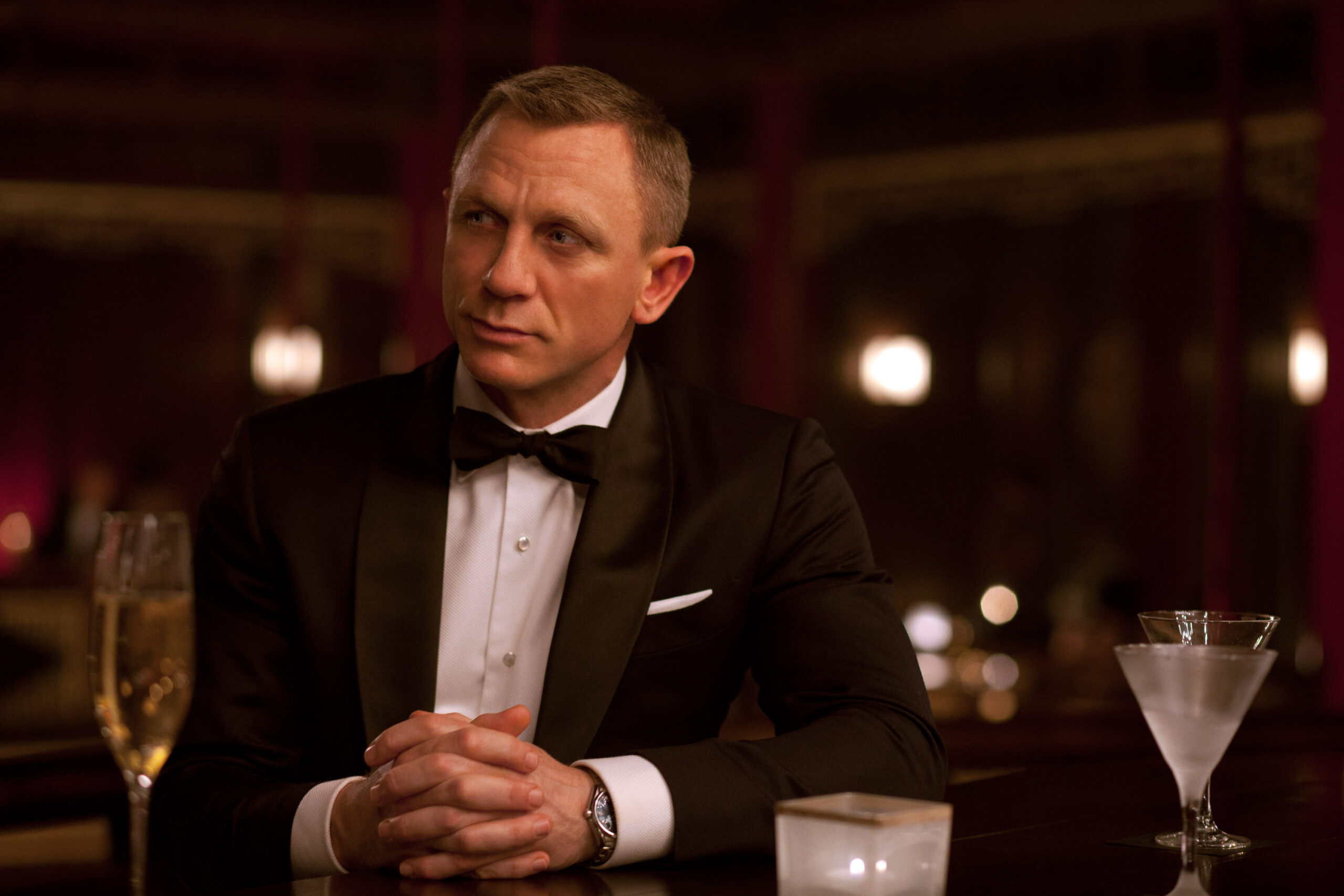
    The Walt Disney Company, under the leadership of figures like Bob Iger, pursued several high-profile corporate maneuvers that ultimately did not come to fruition. These include a failed attempt to acquire the James Bond film franchise, a decision to walk away from purchasing Twitter just hours before a deal was finalized, and preliminary merger talks with Apple that never advanced. These instances collectively illustrate critical moments where Disney’s strategic direction could have shifted dramatically.

    Such decisions, whether to pursue or abandon major acquisitions, reflect the complex interplay of market conditions, valuation disagreements, and long-term strategic vision within a global entertainment and technology conglomerate. Each scenario presented unique challenges and potential benefits, underscoring the high stakes involved in corporate development at this scale.

    The Pursuit of 007: Disney and James Bond

    Disney’s interest in the James Bond franchise represented a significant move into an established, globally recognized intellectual property. The Bond series, known for its longevity and consistent box office performance, would have provided Disney with a mature, adult-oriented action brand.

    Acquiring such a franchise would have complemented Disney’s existing portfolio, which includes Marvel, Star Wars, and Pixar. It would have diversified their content offerings beyond family-friendly fare and broadened their appeal to different demographic segments.

    The negotiations for the James Bond rights were complex. The franchise is controlled by Eon Productions, with distribution rights historically held by various studios, most recently by Amazon through its acquisition of MGM. Disney’s bid faced competition and intricate ownership structures.

    Ultimately, the deal for Disney to acquire the Bond franchise did not materialize. The reasons often cited include disagreements over valuation, creative control, and the unique independent structure of Eon Productions, which has historically maintained significant autonomy over the property.

    Why Bond Remained Elusive

    Eon Productions, led by Barbara Broccoli and Michael G. Wilson, has a long-standing commitment to maintaining the creative integrity and independent spirit of the James Bond series. This commitment often involves strict control over the character’s portrayal, narrative direction, and production decisions.

    Disney’s corporate culture, known for integrating acquisitions deeply into its ecosystem, may have clashed with Eon’s desire for independence. The financial terms and long-term strategic alignment likely proved too difficult to reconcile for both parties.

    The failure to secure James Bond meant Disney continued to focus on its existing tentpole franchises. It also highlighted the challenges of acquiring properties with complex legacy ownership and strong creative gatekeepers.

    The Twitter Turnaround: A Deal That Almost Was

    One of the most striking revelations concerns Disney’s near-acquisition of Twitter. Reports indicate that Disney was on the verge of purchasing the social media platform, with a deal reportedly hours away from being finalized. This proposed acquisition occurred at a time when Twitter was a prominent, though often volatile, global communication platform.

    The strategic rationale for Disney’s interest in Twitter was multifaceted. A social media platform would have provided Disney with direct access to a massive user base, real-time data, and a powerful distribution channel for its content. It could have also served as a critical tool for fan engagement and marketing.

    However, Disney ultimately withdrew from the deal. The reasons for this last-minute reversal were reportedly tied to concerns about Twitter’s user base, particularly issues related to online harassment, hate speech, and the overall brand safety environment. Disney’s family-friendly image was a primary consideration.

    The potential integration of a platform like Twitter, with its unfiltered user-generated content, presented significant reputational risks for Disney. The company’s leadership, including former CEO Bob Iger, likely weighed these risks against the perceived benefits and concluded the acquisition was not a suitable fit.

    Reputational Risks and Corporate Values

    Disney’s decision to back away from Twitter underscored the importance of brand integrity and corporate values in high-stakes acquisitions. The company has meticulously cultivated a reputation for wholesome, family-oriented entertainment.

    The controversies surrounding content moderation and user behavior on Twitter were a direct conflict with Disney’s brand identity. Acquiring the platform would have meant inheriting these challenges and potentially diluting Disney’s carefully curated image.

    This decision, in retrospect, allowed Disney to avoid the complexities and controversies that later plagued Twitter, particularly following its acquisition by Elon Musk in October 2022. It demonstrated a pragmatic approach to M&A, prioritizing brand safety over potential market expansion.

    Apple and Disney: Merger Talks That Never Blossomed

    Perhaps the most intriguing revelation involves preliminary merger discussions between The Walt Disney Company and Apple. These talks, while not reaching advanced stages, indicate a period of strategic exploration between two of the world’s most influential companies in entertainment and technology.

    The idea of an Apple-Disney merger has been a subject of speculation for decades, often fueled by the close relationship between Apple co-founder Steve Jobs and former Disney CEO Bob Iger. Jobs was Disney’s largest individual shareholder after selling Pixar Animation Studios to the company in 2006.

    A merger between Apple and Disney would have created an unparalleled conglomerate. Apple’s technological prowess, global distribution network, and massive cash reserves combined with Disney’s vast intellectual property, content creation capabilities, and theme park empire would have been transformative.

    The potential synergies were immense: Disney content integrated seamlessly into Apple’s hardware and software ecosystem, new interactive experiences, and a unified platform for entertainment, technology, and consumer products. However, these discussions remained preliminary and did not evolve into formal negotiations.

    The Vision of Steve Jobs and Bob Iger

    Steve Jobs, who served on Disney’s board of directors, often spoke of the convergence of technology and creativity. His vision aligned with the potential for Apple to play a significant role in the entertainment industry.

    Bob Iger, known for his strategic foresight, also recognized the evolving landscape where content and technology were becoming increasingly intertwined. His relationship with Jobs likely facilitated these early conversations.

    The reasons for the talks not progressing are not publicly detailed but could involve complex regulatory hurdles, valuation disagreements, and the sheer scale and complexity of integrating two such colossal and distinct corporate cultures. Antitrust concerns alone would have been monumental.

    The failure of these talks meant both companies continued on their independent trajectories. Apple expanded its services division with Apple TV+, while Disney doubled down on its streaming strategy with Disney+.

    The Strategic Implications of Missed Opportunities

    These instances, the failed James Bond acquisition, the abandoned Twitter deal, and the preliminary Apple merger talks, collectively paint a picture of a company constantly evaluating its position and future. Each decision, or lack thereof, had profound implications for Disney’s long-term strategy.

    The pursuit of James Bond showed Disney’s ambition to expand its content genres. The withdrawal from Twitter demonstrated a commitment to brand safety over immediate digital expansion. The Apple discussions highlighted a willingness to consider transformative mergers at the highest levels of corporate power.

    In 2026, Disney continues to navigate a rapidly changing media landscape. The company has focused on its core franchises, its direct-to-consumer streaming services, and its global theme park operations. Its current strategy emphasizes profitability in its streaming division and continued investment in its intellectual property.

    The lessons from these missed opportunities likely inform current decision-making processes. They underscore the importance of clear strategic alignment, careful risk assessment, and the often-unpredictable nature of high-stakes corporate negotiations.

    Leadership and Decision-Making

    Former Disney CEO Bob Iger played a central role in many of these discussions and decisions. His tenure was marked by aggressive growth through acquisitions, including Pixar, Marvel, and 21st Century Fox. These successes make the missed opportunities all the more notable.

    Iger’s autobiography, ‘The Ride of a Lifetime,’ provides some insight into his strategic thinking and the pressures involved in leading a company like Disney. The decisions to pursue or abandon these deals were not made lightly, reflecting extensive analysis and debate at the highest executive levels.

    The current leadership of Disney, under CEO Bob Iger who returned to the role in November 2022, continues to face similar strategic challenges. The media industry is in constant flux, with new technologies and evolving consumer behaviors demanding continuous adaptation.

    Understanding these historical corporate maneuvers provides context for Disney’s present and future strategies. It reveals a company that is both bold in its ambitions and cautious in its execution, constantly balancing growth opportunities with risk mitigation.

    The Shifting Media Landscape

    The media landscape of 2026 is vastly different from the periods when these negotiations took place. Streaming services have matured, and the competition for subscriber attention is intense. The role of social media in content distribution and audience engagement has also evolved significantly.

    Disney’s strategic focus has adapted to these changes, prioritizing direct-to-consumer relationships and leveraging its vast library of content. The company continues to invest heavily in original programming for its streaming platforms.

    The memory of these ‘almost’ deals serves as a reminder that even the most powerful corporations face critical junctures where the path not taken can be just as impactful as the path chosen. The history of Disney is not just a chronicle of its successes but also a testament to its strategic reconsiderations and its willingness to walk away when conditions are not aligned.

    Executives deliberate. Boards convene. Deals are struck. Deals fall apart. The future is written.

    Disney.