
Tag: Trial

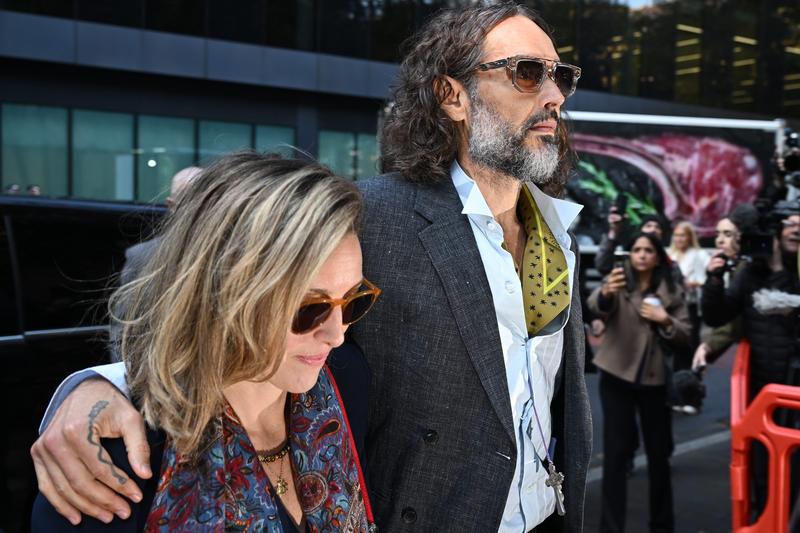
  • Nolan Wells Courtroom Photos – The Public Reaction and Legal Implications

    Nolan Wells Courtroom Photos – The Public Reaction and Legal Implications

    The release of courtroom photos in the Nolan Wells case on July 22, 2026, has generated significant public debate, raising questions about justice, privacy, and media ethics in high-profile legal proceedings. These images, disseminated widely, have become a focal point for discussions concerning the balance between public interest and the decorum of the judicial system. The event underscores a recurring tension in contemporary legal reporting, where the visual narrative often shapes public perception as profoundly as textual accounts.

    The Immediate Aftermath of the Release

    The photos appeared across various media platforms shortly after their official release. Social media channels, particularly X (formerly Twitter) and Instagram, became immediate conduits for public discourse. Hashtags related to Nolan Wells and courtroom transparency trended within hours. News organizations, including TMZ, were among the first to report on the availability of the images, amplifying their reach.

    Public reactions ranged from outrage to support for Wells. Comment sections overflowed with analyses of Wells’s demeanor, the expressions of legal counsel, and the general atmosphere of the courtroom. This immediate and widespread dissemination illustrates the accelerated pace of information sharing in 2026. The digital ecosystem ensures that such visual evidence permeates public consciousness almost instantaneously.

    Legal analysts began weighing in on the implications of the photo release. Concerns about potential jury influence, witness intimidation, and the overall sanctity of the trial process were voiced. The American Bar Association (ABA) issued a statement acknowledging the public interest but also emphasizing the importance of fair trial principles. The statement did not directly address the Wells case but served as a general reminder of judicial ethics.

    Historical Context: Cameras in the Courtroom

    The debate surrounding cameras in the courtroom is not new. It dates back to the early 20th century, with significant milestones shaping current policies. The 1935 trial of Bruno Hauptmann, accused of kidnapping the Lindbergh baby, saw a media circus that led to stricter rules. The American Bar Association adopted Canon 35 in 1937, largely banning photographic and broadcast coverage from courtrooms.

    Over the decades, this stance gradually softened. Federal courts generally prohibit cameras, though some exceptions exist for appellate arguments. State courts, however, vary widely. Many states permit cameras, often with specific restrictions on types of cases, judicial discretion, and pooling arrangements. Florida, for example, has been a pioneer in allowing cameras, famously permitting them during the 1991 William Kennedy Smith rape trial and the 1995 O.J. Simpson murder trial.

    The advent of digital photography and the internet has complicated these rules further. Even where cameras are officially banned, leaks and unofficial recordings can occur. The Wells case photos represent a new chapter in this ongoing discussion, demonstrating the power of visual media to shape public opinion and the challenges courts face in controlling the narrative.

    Key Milestones in Courtroom Photography:

    • 1937: ABA adopts Canon 35, largely banning cameras.
    • 1981: U.S. Supreme Court rules in Chandler v. Florida that states can allow cameras without violating due process.
    • 1990s: Many states begin experimenting with expanded camera access.
    • 2000s: Rise of digital media and internet-based news outlets intensifies calls for greater transparency.
    • 2026: Nolan Wells case photos spark renewed debate on media access and judicial integrity.

    The Nolan Wells Case: A Brief Overview

    Nolan Wells, a prominent figure known for his work in the entertainment industry, has been embroiled in legal issues for the past several months. The specific charges against Wells have not been fully disclosed to the public in detail, but they are widely understood to involve serious allegations. The trial began in early 2026, attracting significant media attention from its inception.

    Details regarding the court where the trial is being held, the presiding judge, and the specific legal teams involved have been reported intermittently. The case has been characterized by intense public scrutiny, partially due to Wells’s celebrity status. Public interest has remained high, with daily updates from various news agencies.

    The release of these photos marks a critical juncture in the proceedings. It shifts the public’s engagement from textual reports to direct visual evidence, potentially altering perceptions of the trial’s fairness and the justice system’s impartiality. The photos provide a direct, unfiltered glimpse into the courtroom, a space often shielded from such widespread visual access.

    Ethical Considerations for Media and Public

    The dissemination of courtroom photos, especially in high-profile cases, raises several ethical dilemmas for media organizations. The primary responsibility of journalists is to inform the public accurately. However, this must be balanced against the potential to prejudice a jury, compromise witness safety, or sensationalize serious legal matters.

    Media outlets face pressure to deliver compelling content, and visual evidence is inherently compelling. The decision to publish or broadcast such images involves careful consideration of journalistic ethics codes. Many news organizations adhere to guidelines that prioritize accuracy, fairness, and minimizing harm. The Wells photos challenge these guidelines, forcing editors and producers to make difficult choices under intense public demand.

    For the public, the ethical considerations revolve around responsible consumption and sharing of information. The ease of sharing content on social media means that individuals can inadvertently contribute to the spread of potentially biased or misleading narratives. Critical thinking and source verification become paramount in an environment saturated with visual information.

    Impact on the Judicial Process:

    • Jury Impartiality: Widespread photo dissemination can expose potential jurors to biased narratives, making it difficult to select an impartial jury.
    • Witness Privacy and Safety: Photos can reveal the identities of witnesses, potentially leading to harassment or intimidation.
    • Courtroom Decorum: The presence and distribution of images can detract from the solemnity and seriousness of legal proceedings.
    • Public Trust: While transparency can build trust, sensationalized or miscontextualized photos can erode confidence in the justice system.
    • Appellate Issues: The impact of media coverage, including photos, can become grounds for appeal, leading to retrials or overturned convictions.

    Legal Ramifications and Precedent

    The release of the Nolan Wells courtroom photos may have significant legal ramifications. Depending on the jurisdiction and specific court rules, the unauthorized release of such images could lead to contempt of court charges for those responsible. If the photos were officially released by the court, the focus shifts to the court’s rationale and its adherence to established protocols for media access.

    Attorneys for Nolan Wells could argue that the widespread distribution of these photos has prejudiced the jury pool, potentially leading to a mistrial. Such arguments rely on demonstrating that the media coverage has made it impossible to secure an impartial jury. The defense might cite specific examples of public commentary or media narratives influenced by the images.

    Conversely, proponents of transparency argue that public access to courtroom proceedings, including visual access, is a vital component of a democratic society. They contend that it holds the justice system accountable and educates the public about legal processes. This argument often references the First Amendment rights of free press and speech.

    The Wells case photos could set a new precedent for how high-profile trials are covered visually. Courts may re-evaluate their policies on media access, potentially leading to stricter controls or, conversely, a more formalized system for releasing curated visual content. The ultimate outcome will depend on judicial interpretations and legislative actions in response to this event.

    The Public’s Role in High-Profile Cases

    The public’s engagement with high-profile legal cases has evolved dramatically with digital media. Citizens are no longer passive consumers of news; they are active participants in shaping narratives. Social media platforms provide forums for instant commentary, analysis, and debate, often without the filters or editorial oversight of traditional media.

    In the Nolan Wells case, the public’s reaction to the courtroom photos demonstrates this active role. Discussions about Wells’s guilt or innocence, the fairness of the trial, and the broader implications for celebrity justice have proliferated. This engagement, while promoting transparency, also carries risks. Misinformation, speculation, and emotionally charged opinions can overshadow factual reporting.

    The phenomenon of ‘trial by public opinion’ is a constant concern in such cases. While legal proceedings are designed to be insulated from external pressures, the sheer volume of public discourse can subtly influence various aspects of a trial, from jury selection to the perceived legitimacy of the verdict. The Wells photos amplify this dynamic, making the public an undeniable, if unofficial, participant in the legal narrative.

    Looking Ahead: The Future of Courtroom Transparency

    The Nolan Wells courtroom photo release will likely spark further discussions among legal professionals, media ethicists, and policymakers. Questions about the optimal balance between transparency and trial integrity will persist. The incident may serve as a catalyst for updated guidelines on media access in courtrooms, particularly concerning visual content.

    Technology continues to advance, and the means of capturing and disseminating information become ever more sophisticated. Courts and legal systems must adapt to these changes while upholding the fundamental principles of justice. The Wells case offers a contemporary example of how traditional legal frameworks are challenged by modern media practices.

    The public will continue to demand access to information, especially in cases involving public figures. The media will continue to seek compelling ways to report these stories. The judiciary, in turn, will strive to maintain impartiality and fairness. This ongoing negotiation defines the evolving landscape of justice in the age of instantaneous information. The photos serve as a stark reminder of these complex, intersecting forces.

    Legal scholars will analyze the event. Media organizations will review their policies. The public will continue to engage. The justice system will adapt.

    The debate continues.

  • Former Titans Scout Guilty of Girlfriend’s Murder – Life Sentence Handed Down

    Former Titans Scout Guilty of Girlfriend’s Murder – Life Sentence Handed Down

    Luke Steckel, a former scouting assistant for the Tennessee Titans, has been found guilty of the murder of his girlfriend, Melanie Steckel. The verdict, delivered in Davidson County Criminal Court, concludes a high-profile case that garnered national attention. Steckel was subsequently sentenced to life imprisonment.

    This outcome follows months of legal proceedings and public scrutiny. The case became a focal point for discussions surrounding domestic violence and its consequences, particularly within the context of professional sports.

    The Incident and Initial Investigation Unfold

    The incident that led to the charges occurred on October 27, 2025, at the couple’s shared residence on Elm Hill Pike in Nashville, Tennessee. Metropolitan Nashville Police Department (MNPD) officers responded to a 911 call reporting a domestic disturbance. Upon arrival, they discovered Melanie Steckel, 32, deceased from apparent injuries.

    Luke Steckel, 35, was present at the scene when authorities arrived. He was immediately identified as a primary person of interest. MNPD detectives began to gather evidence and conduct interviews, securing the residence as a crime scene.

    The initial investigation involved forensic teams processing the site for physical evidence. An autopsy performed by the Davidson County Medical Examiner’s Office later confirmed the cause of death as blunt force trauma. Detectives worked to establish a detailed timeline of events leading up to the tragedy, interviewing neighbors and reviewing security footage from the vicinity.

    Arrest and Formal Charges Filed

    Following a preliminary investigation that spanned less than 24 hours, Luke Steckel was arrested on October 28, 2025. He was formally charged with the murder of Melanie Steckel. The charges were filed in Davidson County, Tennessee, reflecting the jurisdiction of the crime.

    The arrest sent immediate shockwaves through the Nashville community and the broader NFL landscape. The connection to the Tennessee Titans, a prominent NFL franchise, amplified public interest. The Tennessee Titans organization quickly issued a statement regarding the situation.

    The statement confirmed that Luke Steckel was no longer employed by the team, effective immediately upon his arrest. The organization emphasized its commitment to upholding ethical standards and reiterated its condemnation of domestic violence. Steckel had served as a scouting assistant for two years before his termination.

    Pre-Trial Proceedings and Legal Strategies

    The legal process commenced with a series of pre-trial hearings in Nashville’s General Sessions Court. These proceedings involved various motions, evidence disclosures, and scheduling conferences. Both the prosecution, led by Assistant District Attorney Jessica Miller, and the defense team, headed by prominent local attorney Robert Hayes, prepared their strategies.

    The prosecution aimed to demonstrate premeditation and intent, presenting a narrative of escalating domestic conflict. They presented evidence gathered from the crime scene, witness accounts from friends and family, and digital forensics, including text messages and call logs between the couple. These communications reportedly indicated a troubled relationship.

    The defense, conversely, sought to challenge the prosecution’s narrative. They filed motions to suppress certain evidence and questioned the chain of custody for some forensic samples. Key legal arguments centered on the nature of the relationship between Luke and Melanie Steckel, with the defense exploring alternative theories regarding Melanie’s death, including accidental injury during a physical altercation.

    Bail Hearings and Public Reaction Intensify

    Bail was set at a significant amount, initially $1.5 million, reflecting the severity of the murder charge. Luke Steckel remained in custody at the Davidson County Criminal Justice Center throughout most of the pre-trial phase, unable to post the bond. Public opinion varied, with many following the case closely through local media outlets such as The Tennessean and national news broadcasts.

    Advocacy groups for domestic violence victims, including the Tennessee Coalition to End Domestic and Sexual Violence, paid close attention to the proceedings. They highlighted the case as an example of the critical need for increased awareness, intervention, and support services for victims. The extensive media coverage contributed to a broader conversation about violence in intimate relationships, particularly when involving individuals connected to high-profile organizations.

    The High-Profile Trial Begins

    The trial began on March 15, 2026, in Davidson County Criminal Court, presided over by Judge Eleanor Vance. The courtroom was frequently at capacity, with media representatives, family members of both the victim and the defendant, and concerned citizens present. Jury selection took over a week, underscoring the case’s public profile.

    The prosecution presented a compelling case over three weeks. They called several key witnesses, including the MNPD first responders who arrived at the scene, forensic experts from the Tennessee Bureau of Investigation (TBI) who testified about blood spatter patterns and DNA evidence, and the medical examiner who detailed Melanie Steckel’s injuries. Individuals who knew both Melanie and Luke Steckel also testified, painting a picture of a volatile and increasingly strained relationship.

    Expert witnesses detailed the nature of Melanie Steckel’s extensive blunt force trauma. They explained how these injuries were consistent with the prosecution’s account of a violent assault. Digital evidence, such as text messages and call logs, also played a crucial role, showing a pattern of contentious communication leading up to the murder.

    Defense Strategy and Arguments Presented

    The defense team mounted a vigorous challenge to the prosecution’s case. Attorney Robert Hayes cross-examined prosecution witnesses extensively, attempting to cast doubt on their findings and testimonies. They also presented their own expert witnesses, including a forensic pathologist who offered alternative interpretations of the medical evidence, suggesting that some injuries could have been accidental or self-inflicted during a struggle.

    The defense argued that the evidence did not conclusively prove that Luke Steckel intended to murder Melanie. They suggested the possibility of a tragic accident that escalated out of control during a heated argument. They also attempted to portray Luke Steckel as a man under extreme emotional duress, struggling with personal issues unrelated to the relationship.

    During the trial, Luke Steckel did not take the stand, exercising his Fifth Amendment right. This is a common legal strategy, as it prevents cross-examination by the prosecution and avoids potential self-incrimination. The defense rested its case after presenting its witnesses and arguments, maintaining that the prosecution had not met the burden of proof for murder.

    The Verdict and Sentencing Handed Down

    After four days of deliberation, the jury returned a guilty verdict on June 28, 2026. Luke Steckel was found guilty of the murder of Melanie Steckel. The announcement of the verdict was met with a mix of solemnity and visible relief from Melanie Steckel’s family in the courtroom, while Luke Steckel remained stoic.

    The conviction carries a mandatory sentence of life imprisonment under Tennessee law. At a separate sentencing hearing held on July 1, 2026, Judge Vance formally sentenced Luke Steckel to life in prison. Under current state statutes, Steckel will be eligible for parole consideration after serving 51 years of his sentence, meaning he will be 86 years old at the earliest opportunity for release.

    Melanie Steckel’s family expressed profound gratitude for the verdict and sentencing. They issued a statement through their attorney, acknowledging the justice served and hoping it would bring some measure of peace. They also spoke movingly about the enduring pain of their loss and the lasting impact of domestic violence.

    Broader Implications and Accountability in Sports

    The case of Luke Steckel and Melanie Steckel extends beyond the courtroom, prompting renewed discussions about domestic violence and accountability. Organizations like the National Coalition Against Domestic Violence and local groups such as Renewal House have cited similar cases to highlight ongoing issues and the need for systemic change.

    The National Football League (NFL) and its associated teams face scrutiny regarding employee conduct, both on and off the field. This includes conduct outside of official duties. The league has policies in place concerning domestic violence, but individual cases often spark debate about their effectiveness and the responsibility of organizations to vet and monitor their personnel.

    This conviction underscores the legal system’s commitment to holding individuals accountable for violent acts. It reinforces the message that violence, particularly against intimate partners, will not be tolerated. The outcome serves as a stark reminder of the devastating consequences of such acts, impacting victims, families, and communities.

    Melanie’s memory honored. Justice served. Accountability enforced.

    Imprisonment.