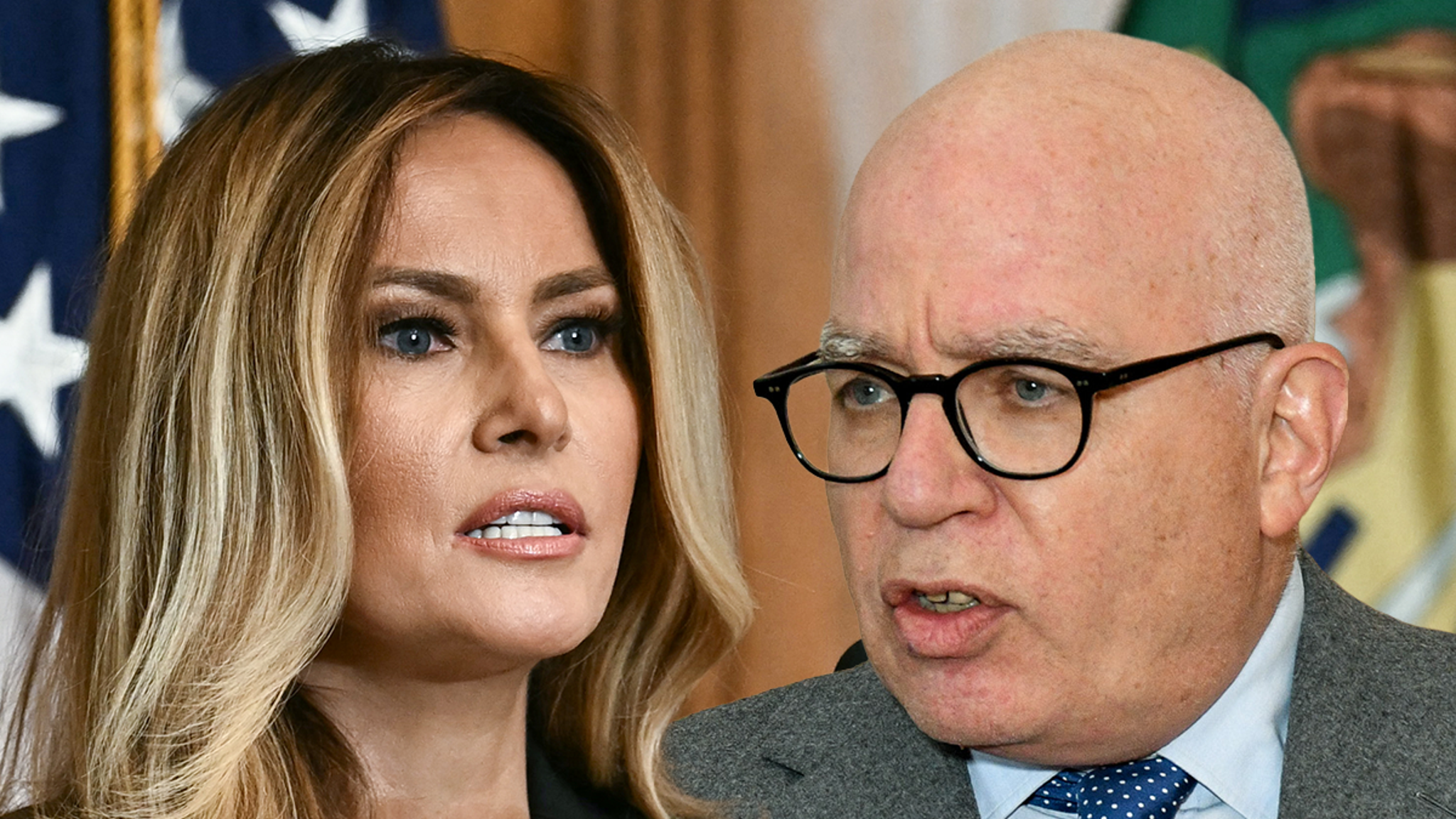
The Escalation of a Legal Battle
First Lady Melania Trump has formally requested a court to impose sanctions against journalist Michael Wolff. This action marks a significant escalation in an ongoing legal dispute. The request comes after Wolff himself initiated a defamation lawsuit against Trump. The legal entanglement centers on comments made by Trump regarding Wolff’s commentary
The move by Trump’s legal team seeks to penalize Wolff for alleged misconduct within the legal process. Such sanctions can include monetary penalties or other restrictions. They are typically sought when one party believes the other has abused court procedures or failed to comply with orders.
The Origins of the Dispute
The conflict traces back to statements Melania Trump made concerning Michael Wolff’s publication. Wolff’s book, released in recent years, explores the nature of celebrity. Trump’s public comments questioned the veracity and integrity of portions of Wolff’s work. These statements formed the basis of Wolff’s subsequent defamation claim.
Defamation lawsuits are common in cases involving public figures and media. They often hinge on whether statements made were factually false and caused harm. The current request for sanctions introduces a new layer to this already complex legal landscape.
Michael Wolff’s Background in Journalism
Michael Wolff is a well-known American journalist and author. He has written for numerous publications, including USA Today, The Hollywood Reporter, and New York Magazine. Wolff gained significant public attention for his books focusing on political figures and media. His earlier work, “Fire and Fury: Inside the Trump White House,” published in 2018, became a best-seller and generated considerable controversy.
His journalistic approach often involves extensive access and candid portrayals of his subjects. This style has frequently led to disputes over accuracy and interpretation. “Too Famous” continues this pattern, examining the intersection of fame and public perception.
What are Legal Sanctions?
Legal sanctions are penalties imposed by a court for various reasons. These reasons can include:
- Failure to comply with court orders
- Abuse of discovery processes
- Filing frivolous lawsuits or motions
- Misconduct during legal proceedings
The purpose of sanctions is to ensure the orderly administration of justice. They also deter parties from engaging in behaviors that undermine the legal system. The specific nature of the sanctions sought by Trump’s legal team has not been publicly detailed. However, they typically aim to compensate the aggrieved party for expenses incurred due to the misconduct or to punish the offending party.
The Broader Context of Public Figures and Media
This legal confrontation is part of a larger pattern. Public figures frequently engage in legal battles with journalists and authors. These cases often raise fundamental questions about freedom of the press versus protection against defamation. The digital age has amplified these tensions. Information spreads rapidly, and public statements can reach global audiences instantly.
Melania Trump, as First Lady, operates under intense public scrutiny. Her actions and statements are often subject to detailed media coverage. Similarly, journalists like Michael Wolff operate under the principle of informing the public. Balancing these roles often leads to friction, particularly when narratives clash.
Previous Legal Actions Involving the Trump Family
The Trump family has a history of legal disputes with media entities and individuals. Former President Donald Trump has frequently engaged in litigation related to media coverage. These cases often involve claims of defamation or challenges to journalistic practices. These past instances provide a backdrop for the current legal action involving Melania Trump.
Such legal actions are often seen as attempts by public figures to control narratives. They can also be interpreted as defenses of personal reputation against perceived falsehoods. The legal system becomes the arena where these conflicting interests are adjudicated.
The Implications for Journalistic Practice
The outcome of this sanction request could have implications for journalistic practices. If sanctions are granted, it could set a precedent for how courts view author accountability within the legal process. It might encourage more aggressive legal tactics from public figures. Conversely, if the request is denied, it could reinforce protections for journalists against such challenges.
Journalists often rely on sources and interpretations that can be challenged. The legal framework attempts to balance the public’s right to know with an individual’s right to a good reputation. Cases like this one test the boundaries of that balance.
The Role of Defamation Law
Defamation law serves to protect individuals from false statements that harm their reputation. For public figures, the standard for proving defamation is higher. They must typically prove “actual malice” – meaning the false statement was made with knowledge of its falsity or with reckless disregard for the truth. This higher standard acknowledges the public’s interest in robust debate about public figures.
Wolff’s initial lawsuit would have needed to meet this standard. Trump’s counter-move for sanctions operates under different legal principles. It focuses on procedural conduct rather than the merits of the original defamation claim.
What Happens Next in Court?
The court will now consider Melania Trump’s request for sanctions. Both parties will likely submit legal briefs arguing their positions. The court may also hold hearings to consider evidence and arguments. A judge will then decide whether to impose sanctions, and if so, what form they will take.
Legal processes can be lengthy and involve multiple stages. The current request for sanctions is one step in what could be a prolonged legal battle. Each ruling can influence the trajectory of the entire case.
Public Reaction and Media Coverage
The news of Melania Trump’s request for sanctions has drawn significant media attention. Outlets like TMZ first reported the development on July 21, 2026. Public reaction often divides along political lines. Supporters of Trump may view the action as a necessary defense of her reputation. Critics might see it as an attempt to stifle journalistic inquiry.
The story also resonates with broader themes of celebrity accountability and the role of the press. It fuels discussions about the responsibilities of both public figures and those who report on them.
The Significance of “Too Famous”
Michael Wolff’s book “Too Famous: The Car Crash of Celebrity in America” explores the often-fraught relationship between fame and public perception. The book delves into how celebrity is constructed and consumed. It examines the pressures and pitfalls that come with being a public figure. Melania Trump’s legal action implicitly challenges the book’s narrative or underlying assumptions as they pertain to her.
The title itself suggests a critical view of celebrity culture. This perspective may have contributed to the friction with public figures who are subjects of such analysis. The legal dispute brings the themes of the book into a real-world courtroom drama.
Potential Outcomes and Precedents
There are several potential outcomes for Melania Trump’s sanction request. The court could grant the request, imposing penalties on Michael Wolff. It could deny the request, finding no grounds for sanctions. Or, it could grant a modified form of the request, applying lesser penalties.
Each outcome carries implications. A decision in Trump’s favor could empower other public figures to pursue similar legal tactics. A decision against her could reinforce a higher bar for claims of legal misconduct against journalists. The legal community will observe the ruling for its precedential value.
The legal battle continues. Documents are filed. Arguments are made. Decisions are rendered.
The court awaits.