Tag: Tmz

  • Nolan Wells Courtroom Photos – The Public Reaction and Legal Implications

    Nolan Wells Courtroom Photos – The Public Reaction and Legal Implications

    The release of courtroom photos in the Nolan Wells case on July 22, 2026, has generated significant public debate, raising questions about justice, privacy, and media ethics in high-profile legal proceedings. These images, disseminated widely, have become a focal point for discussions concerning the balance between public interest and the decorum of the judicial system. The event underscores a recurring tension in contemporary legal reporting, where the visual narrative often shapes public perception as profoundly as textual accounts.

    The Immediate Aftermath of the Release

    The photos appeared across various media platforms shortly after their official release. Social media channels, particularly X (formerly Twitter) and Instagram, became immediate conduits for public discourse. Hashtags related to Nolan Wells and courtroom transparency trended within hours. News organizations, including TMZ, were among the first to report on the availability of the images, amplifying their reach.

    Public reactions ranged from outrage to support for Wells. Comment sections overflowed with analyses of Wells’s demeanor, the expressions of legal counsel, and the general atmosphere of the courtroom. This immediate and widespread dissemination illustrates the accelerated pace of information sharing in 2026. The digital ecosystem ensures that such visual evidence permeates public consciousness almost instantaneously.

    Legal analysts began weighing in on the implications of the photo release. Concerns about potential jury influence, witness intimidation, and the overall sanctity of the trial process were voiced. The American Bar Association (ABA) issued a statement acknowledging the public interest but also emphasizing the importance of fair trial principles. The statement did not directly address the Wells case but served as a general reminder of judicial ethics.

    Historical Context: Cameras in the Courtroom

    The debate surrounding cameras in the courtroom is not new. It dates back to the early 20th century, with significant milestones shaping current policies. The 1935 trial of Bruno Hauptmann, accused of kidnapping the Lindbergh baby, saw a media circus that led to stricter rules. The American Bar Association adopted Canon 35 in 1937, largely banning photographic and broadcast coverage from courtrooms.

    Over the decades, this stance gradually softened. Federal courts generally prohibit cameras, though some exceptions exist for appellate arguments. State courts, however, vary widely. Many states permit cameras, often with specific restrictions on types of cases, judicial discretion, and pooling arrangements. Florida, for example, has been a pioneer in allowing cameras, famously permitting them during the 1991 William Kennedy Smith rape trial and the 1995 O.J. Simpson murder trial.

    The advent of digital photography and the internet has complicated these rules further. Even where cameras are officially banned, leaks and unofficial recordings can occur. The Wells case photos represent a new chapter in this ongoing discussion, demonstrating the power of visual media to shape public opinion and the challenges courts face in controlling the narrative.

    Key Milestones in Courtroom Photography:

    • 1937: ABA adopts Canon 35, largely banning cameras.
    • 1981: U.S. Supreme Court rules in Chandler v. Florida that states can allow cameras without violating due process.
    • 1990s: Many states begin experimenting with expanded camera access.
    • 2000s: Rise of digital media and internet-based news outlets intensifies calls for greater transparency.
    • 2026: Nolan Wells case photos spark renewed debate on media access and judicial integrity.

    The Nolan Wells Case: A Brief Overview

    Nolan Wells, a prominent figure known for his work in the entertainment industry, has been embroiled in legal issues for the past several months. The specific charges against Wells have not been fully disclosed to the public in detail, but they are widely understood to involve serious allegations. The trial began in early 2026, attracting significant media attention from its inception.

    Details regarding the court where the trial is being held, the presiding judge, and the specific legal teams involved have been reported intermittently. The case has been characterized by intense public scrutiny, partially due to Wells’s celebrity status. Public interest has remained high, with daily updates from various news agencies.

    The release of these photos marks a critical juncture in the proceedings. It shifts the public’s engagement from textual reports to direct visual evidence, potentially altering perceptions of the trial’s fairness and the justice system’s impartiality. The photos provide a direct, unfiltered glimpse into the courtroom, a space often shielded from such widespread visual access.

    Ethical Considerations for Media and Public

    The dissemination of courtroom photos, especially in high-profile cases, raises several ethical dilemmas for media organizations. The primary responsibility of journalists is to inform the public accurately. However, this must be balanced against the potential to prejudice a jury, compromise witness safety, or sensationalize serious legal matters.

    Media outlets face pressure to deliver compelling content, and visual evidence is inherently compelling. The decision to publish or broadcast such images involves careful consideration of journalistic ethics codes. Many news organizations adhere to guidelines that prioritize accuracy, fairness, and minimizing harm. The Wells photos challenge these guidelines, forcing editors and producers to make difficult choices under intense public demand.

    For the public, the ethical considerations revolve around responsible consumption and sharing of information. The ease of sharing content on social media means that individuals can inadvertently contribute to the spread of potentially biased or misleading narratives. Critical thinking and source verification become paramount in an environment saturated with visual information.

    Impact on the Judicial Process:

    • Jury Impartiality: Widespread photo dissemination can expose potential jurors to biased narratives, making it difficult to select an impartial jury.
    • Witness Privacy and Safety: Photos can reveal the identities of witnesses, potentially leading to harassment or intimidation.
    • Courtroom Decorum: The presence and distribution of images can detract from the solemnity and seriousness of legal proceedings.
    • Public Trust: While transparency can build trust, sensationalized or miscontextualized photos can erode confidence in the justice system.
    • Appellate Issues: The impact of media coverage, including photos, can become grounds for appeal, leading to retrials or overturned convictions.

    Legal Ramifications and Precedent

    The release of the Nolan Wells courtroom photos may have significant legal ramifications. Depending on the jurisdiction and specific court rules, the unauthorized release of such images could lead to contempt of court charges for those responsible. If the photos were officially released by the court, the focus shifts to the court’s rationale and its adherence to established protocols for media access.

    Attorneys for Nolan Wells could argue that the widespread distribution of these photos has prejudiced the jury pool, potentially leading to a mistrial. Such arguments rely on demonstrating that the media coverage has made it impossible to secure an impartial jury. The defense might cite specific examples of public commentary or media narratives influenced by the images.

    Conversely, proponents of transparency argue that public access to courtroom proceedings, including visual access, is a vital component of a democratic society. They contend that it holds the justice system accountable and educates the public about legal processes. This argument often references the First Amendment rights of free press and speech.

    The Wells case photos could set a new precedent for how high-profile trials are covered visually. Courts may re-evaluate their policies on media access, potentially leading to stricter controls or, conversely, a more formalized system for releasing curated visual content. The ultimate outcome will depend on judicial interpretations and legislative actions in response to this event.

    The Public’s Role in High-Profile Cases

    The public’s engagement with high-profile legal cases has evolved dramatically with digital media. Citizens are no longer passive consumers of news; they are active participants in shaping narratives. Social media platforms provide forums for instant commentary, analysis, and debate, often without the filters or editorial oversight of traditional media.

    In the Nolan Wells case, the public’s reaction to the courtroom photos demonstrates this active role. Discussions about Wells’s guilt or innocence, the fairness of the trial, and the broader implications for celebrity justice have proliferated. This engagement, while promoting transparency, also carries risks. Misinformation, speculation, and emotionally charged opinions can overshadow factual reporting.

    The phenomenon of ‘trial by public opinion’ is a constant concern in such cases. While legal proceedings are designed to be insulated from external pressures, the sheer volume of public discourse can subtly influence various aspects of a trial, from jury selection to the perceived legitimacy of the verdict. The Wells photos amplify this dynamic, making the public an undeniable, if unofficial, participant in the legal narrative.

    Looking Ahead: The Future of Courtroom Transparency

    The Nolan Wells courtroom photo release will likely spark further discussions among legal professionals, media ethicists, and policymakers. Questions about the optimal balance between transparency and trial integrity will persist. The incident may serve as a catalyst for updated guidelines on media access in courtrooms, particularly concerning visual content.

    Technology continues to advance, and the means of capturing and disseminating information become ever more sophisticated. Courts and legal systems must adapt to these changes while upholding the fundamental principles of justice. The Wells case offers a contemporary example of how traditional legal frameworks are challenged by modern media practices.

    The public will continue to demand access to information, especially in cases involving public figures. The media will continue to seek compelling ways to report these stories. The judiciary, in turn, will strive to maintain impartiality and fairness. This ongoing negotiation defines the evolving landscape of justice in the age of instantaneous information. The photos serve as a stark reminder of these complex, intersecting forces.

    Legal scholars will analyze the event. Media organizations will review their policies. The public will continue to engage. The justice system will adapt.

    The debate continues.

  • Quinton ‘Rampage’ Jackson’s Altercation, Back in ‘Fighter Mode’

    Quinton ‘Rampage’ Jackson’s Altercation, Back in ‘Fighter Mode’

    The Public Altercation of Quinton ‘Rampage’ Jackson

    Former Ultimate Fighting Championship (UFC) star Quinton ‘Rampage’ Jackson was recently observed in a tense public altercation, an incident that quickly garnered attention from media outlets like TMZ. The situation was characterized by observers as Jackson reverting to his ‘fighter mode,’ a descriptor that immediately evokes his storied career in professional mixed martial arts.

    The exact circumstances surrounding the confrontation, including the precise location and the identities of other individuals involved, have not been fully detailed in initial reports. However, the report highlights the public nature of the event and the immediate recognition of Jackson’s aggressive posture.

    A Career Defined by ‘Fighter Mode’

    Quinton Ramone Jackson, widely known by his ring name ‘Rampage,’ built a career on his aggressive fighting style and powerful slams. Born on June 20, 1978, Jackson rose to prominence in the early 2000s, first in the Japanese Pride Fighting Championships before making a significant impact in the UFC.

    His career spanned over two decades, featuring memorable bouts and championships. Jackson’s ‘fighter mode’ was a hallmark of his professional persona, often leading to explosive finishes and fan-favorite performances inside the cage.

    Early Career and Pride FC Dominance

    Jackson began his professional mixed martial arts journey in November 1999. He quickly gained recognition for his athleticism and raw power. His tenure in Pride FC, from 2001 to 2006, established him as one of the most exciting light heavyweights in the world.

    During this period, he faced numerous high-profile opponents, including Kazushi Sakuraba, Chuck Liddell, and Wanderlei Silva. His rivalry with Silva, in particular, produced some of the most brutal fights in Pride’s history, solidifying his reputation for ferocity.

    UFC Championship and Mainstream Recognition

    Jackson transitioned to the UFC in 2007, making an immediate impact. He defeated Chuck Liddell at UFC 71 on May 26, 2007, to win the UFC Light Heavyweight Championship. This victory marked a significant moment in his career, elevating him to a global superstar.

    He successfully defended his title against Dan Henderson at UFC 75 on September 8, 2007, unifying the Pride Middleweight and UFC Light Heavyweight titles. Jackson’s time in the UFC was also notable for his coaching role on ‘The Ultimate Fighter’ reality television series, further increasing his mainstream appeal.

    The Public Eye and Athlete Conduct

    For athletes who have achieved high levels of fame, particularly in combat sports, public appearances often come with intense scrutiny. The line between a professional persona and personal conduct can become blurred, especially when incidents occur in public spaces.

    Jackson’s recent altercation underscores this challenge. The immediate media characterization of his behavior as ‘fighter mode’ reflects how deeply intertwined his public image is with his athletic career. This perception can impact how such incidents are interpreted by the public and media.

    Expectations for Public Figures

    Public figures, including retired athletes, are often held to a higher standard of conduct. Their actions can influence public opinion and shape the image of their sport. Mixed martial arts, in particular, has worked to shed earlier perceptions of being a ‘brutal’ sport, emphasizing discipline and sportsmanship.

    Incidents involving former stars can sometimes complicate these efforts. The media’s focus on an athlete’s past professional role, even in a non-professional context, highlights the enduring legacy of their careers.

    Legal and Reputational Ramifications

    Any public altercation can carry potential legal and reputational consequences. Depending on the specifics of the incident, individuals involved could face legal charges or civil lawsuits. For a public figure like Jackson, the reputational impact can be significant.

    Sponsorship deals, media opportunities, and public perception can all be affected by such events. The details of the TMZ report, while not specifying legal actions, bring the incident into the public discourse, prompting questions about its broader implications.

    The Role of Social Media and Viral Content

    In 2026, the rapid dissemination of information through social media platforms and viral content amplifies the reach of such incidents. A short video or a single report can quickly spread globally, shaping narratives and public opinion within hours.

    For celebrities, this means that every public interaction carries the potential to become a widely discussed event. The TMZ report, likely accompanied by video footage or eyewitness accounts, contributes to this immediate and widespread public engagement.

    Analyzing ‘Fighter Mode’ Outside the Octagon

    The term ‘fighter mode’ implies a reversion to trained instincts and aggressive tendencies developed over years of professional fighting. While these instincts are invaluable in a regulated combat environment, their manifestation in a public, unregulated setting can be problematic.

    Athletes often train for years to control their physical and mental responses under pressure. However, the psychological transition from a competitive environment to everyday life can sometimes be challenging, especially when confronted with stressful situations.

    Psychological Aspects of Retirement for Athletes

    Many professional athletes face significant psychological adjustments upon retirement. The loss of a structured routine, intense competition, and the adrenaline rush of performance can lead to difficulties. For combat athletes, managing ingrained aggressive responses in civilian life is a unique challenge.

    The incident involving Jackson could be viewed through this lens, examining how past training and competitive mindset might surface in unexpected situations, years after active competition has ended.

    Jackson’s Legacy and Future

    Quinton ‘Rampage’ Jackson’s legacy in mixed martial arts is firmly established. He is remembered as a powerful and entertaining fighter who left an indelible mark on both Pride FC and the UFC. His career included an impressive record and numerous highlight-reel moments.

    Beyond fighting, Jackson has also ventured into acting, appearing in films and television shows. His role as B.A. Baracus in the 2010 film adaptation of ‘The A-Team’ brought him further mainstream recognition, showcasing his versatile public persona.

    Continued Public Interest

    Despite his retirement from active competition, public interest in Jackson remains high. His colorful personality and storied career ensure that his actions, both professional and personal, continue to draw attention. This sustained interest is a testament to his impact on the sport and popular culture.

    The recent altercation, while potentially negative, reaffirms his status as a recognizable public figure whose activities are newsworthy. Media outlets continue to follow his life, reflecting a broader fascination with the lives of combat sports legends.

    The Broader Implications for MMA

    Incidents involving prominent mixed martial artists, even those retired, can have broader implications for the sport’s image. Mixed martial arts has evolved significantly, striving for legitimacy and widespread acceptance as a mainstream sport.

    Organizations like the UFC have invested heavily in promoting athlete professionalism and community engagement. Public altercations involving former champions can, at times, complicate these efforts, bringing back older stereotypes about the sport.

    Promoting Positive Role Models

    The promotion of positive role models is a key strategy for sports organizations. Athletes who demonstrate discipline, respect, and positive conduct both inside and outside their competitive arenas help to elevate the sport’s image.

    While individual incidents do not define an entire sport, they do contribute to ongoing public narratives. The discussion surrounding Jackson’s altercation serves as a reminder of the continuous effort required to maintain and enhance the public perception of mixed martial arts.

    Athletes gather. Media gathers. Public opinion gathers.

    Scrutiny.


  • Cam Newton’s ESPN Departure: Analyzing His Future in Broadcasting

    Cam Newton’s ESPN Departure: Analyzing His Future in Broadcasting

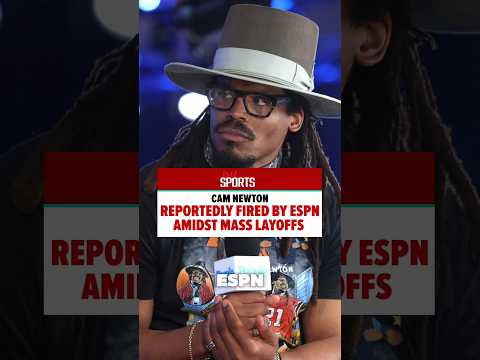
    Cam Newton has officially departed from ESPN as of July 2026, marking the end of his broadcasting tenure with the prominent sports network. This development has triggered widespread discussion across sports media and among fans, who are now speculating about the former NFL Most Valuable Player’s next career move.

    His exit from ESPN represents a significant transition in his post-playing career, opening new possibilities for his involvement in sports analysis, entertainment, or other ventures. The news, initially reported via a TMZ clip, highlights the dynamic nature of celebrity career paths following high-profile athletic careers.

    Newton’s Trajectory: From NFL MVP to Sports Analyst

    Cam Newton’s professional journey began with immense success in the National Football League. He was selected as the first overall pick in the 2011 NFL Draft by the Carolina Panthers. His rookie season immediately showcased his unique dual-threat capabilities as a quarterback.

    Newton quickly established himself as one of the league’s most exciting and dominant players. His career peaked in 2015 when he led the Carolina Panthers to Super Bowl 50 and was named the NFL’s Most Valuable Player. That season, he threw for 3,837 yards and 35 touchdowns, adding 636 rushing yards and 10 rushing touchdowns.

    Following his impactful playing career, which also included a stint with the New England Patriots, Newton transitioned into sports media. His charisma and strong personality made him a natural fit for television analysis, leading to his eventual role at ESPN.

    The ESPN Chapter: Contributions and Challenges

    Newton’s time at ESPN saw him contribute to various programs, offering his unique perspective on football. He appeared on shows such as Sunday NFL Countdown and SportsCenter, providing pre-game analysis, post-game commentary, and general football insights. His experience as a former elite quarterback brought an authentic voice to the network’s coverage.

    His broadcasting style, characterized by directness and often unconventional takes, resonated with a segment of the audience while also drawing scrutiny from others. Newton’s presence at ESPN was part of the network’s strategy to integrate former star athletes into its programming, leveraging their on-field expertise and name recognition.

    The exact duration of Newton’s contract with ESPN and the specific terms of his departure have not been publicly disclosed. However, the announcement confirms that his association with the network has concluded as of July 2026.

    Behind the Scenes: Factors in Media Departures

    Departures from major sports networks like ESPN can stem from a variety of factors. These often include the expiration of contracts, differing creative visions between talent and network executives, or the pursuit of new opportunities by the individual.

    Sometimes, talent seeks a platform that offers more creative control or a different audience demographic. Networks, in turn, continuously evaluate their on-air talent roster to align with evolving programming strategies and audience engagement metrics.

    The competitive landscape of sports broadcasting means that talent and networks are always seeking the best fit. High-profile personalities like Cam Newton often have multiple options for their media careers.

    The Broader Impact: Celebrity Career Transitions

    Cam Newton’s transition from an elite NFL player to a sports analyst, and now his departure from ESPN, mirrors a common trajectory for many high-profile athletes. The shift from the playing field to the broadcast booth is a well-trodden path, but sustaining a long-term media career requires a different set of skills.

    Success in broadcasting often depends on more than just athletic achievement; it requires strong communication skills, the ability to articulate complex ideas clearly, and a compelling on-screen presence. Athletes like Charles Barkley in basketball or Troy Aikman in football have successfully navigated this transition, becoming staples of sports commentary.

    Newton’s ongoing career evolution will be closely watched as he determines his next professional endeavor. His journey highlights the challenges and opportunities that arise when public figures pivot to new industries.

    What’s Next for Cam Newton? Exploring Future Possibilities

    With his ESPN chapter closed, speculation is rampant regarding Cam Newton’s next move. Several avenues could be explored by the former MVP.

    • Other Sports Networks: Major networks like Fox Sports, CBS Sports, or even emerging digital sports platforms could be potential destinations. Newton’s name recognition and analytical insights could be valuable assets.
    • Independent Media Ventures: Newton has previously engaged in independent content creation, including his YouTube channel. He could expand this presence, offering unfiltered commentary and interviews.
    • Coaching or Front Office Roles: While less directly related to broadcasting, a return to football in a coaching or management capacity remains a long-term possibility for many former players.
    • Entrepreneurship: Beyond sports, Newton has demonstrated entrepreneurial interests, particularly in fashion and lifestyle brands. He could further develop these ventures.
    • Entertainment Industry: His charismatic personality could open doors in other areas of the entertainment industry, including acting or reality television.

    Each of these paths presents a different set of challenges and opportunities. Newton’s decision will likely reflect his personal interests, career goals, and the platforms that best align with his vision.

    Fan and Media Reactions to the Departure

    The news of Cam Newton’s departure from ESPN has elicited a wide range of reactions. Many fans expressed surprise, while others voiced support for his future endeavors. Social media platforms became a hub for discussions, with users debating his impact at ESPN and his potential next steps.

    Sports media analysts have also weighed in, offering perspectives on what this means for both Newton and ESPN’s programming strategy. Some emphasize the network’s constant rotation of talent, while others focus on Newton’s unique contributions.

    The strong reactions underscore Newton’s enduring celebrity status and the significant interest people have in the careers of athletes who transcend their sport.

    The Evolving Landscape of Sports Media

    The sports media industry is in constant flux. Traditional broadcast networks like ESPN face competition from streaming services, digital-only platforms, and independent content creators. This evolving landscape creates both challenges and opportunities for talent.

    Athletes with established fan bases and strong personal brands can leverage these assets to create their own media empires, bypassing traditional gatekeepers. This trend has been observed with numerous former players who have launched successful podcasts, YouTube channels, and digital shows.

    Cam Newton’s next move will serve as another example of how high-profile figures adapt and innovate within this dynamic environment. His ability to connect with audiences and offer insightful commentary will remain key to his success, regardless of the platform.

    The professional landscape shifts. Contracts conclude. New opportunities arise.

    Cam Newton.


  • Ryan Clark Addresses ESPN Layoffs – A Call for Corporate Accountability

    Ryan Clark Addresses ESPN Layoffs – A Call for Corporate Accountability

    On July 21, 2026, Ryan Clark, a prominent ESPN analyst and former NFL safety, publicly commented on the recent wave of layoffs at the sports broadcasting giant. His remarks conveyed solidarity with his affected colleagues, emphasizing the personal toll of corporate restructuring and igniting discussions on corporate responsibility within the media sector.

    Clark’s intervention arrived amidst a period of significant change and uncertainty for ESPN employees. The layoffs, impacting numerous departments, have generated widespread concern across the industry. His public statement served as a notable moment in the ongoing narrative surrounding the company’s operational adjustments.

    The Landscape of Layoffs at ESPN in 2026

    The year 2026 has witnessed substantial shifts within the media landscape, with ESPN being no exception. The company announced a series of layoffs, citing economic pressures and strategic reevaluations as primary drivers. These decisions have affected a range of positions, from on-air talent to production staff and behind-the-scenes personnel.

    The impact of these layoffs extends beyond individual employees, influencing the morale and stability of the remaining workforce. Companies like ESPN, operating in a rapidly evolving digital environment, face constant pressure to adapt business models. This adaptation often results in difficult personnel decisions.

    Industry analysts have pointed to several factors contributing to the current climate. These include declining traditional cable subscriptions, the rising costs of sports rights, and the ongoing pivot towards streaming services. Each of these elements places unique demands on established media organizations.

    The competitive nature of sports broadcasting further intensifies these challenges. New platforms and content providers continuously emerge, vying for audience attention and advertising revenue. This dynamic environment necessitates continuous strategic adjustments from major players like ESPN.

    Ryan Clark’s Public Stance

    Ryan Clark’s decision to speak out on July 21, 2026, was a significant moment. His comments, reported by TMZ.com, highlighted the human element often overlooked in corporate discussions. He specifically mentioned sending prayers to his impacted colleagues, a gesture that resonated with many.

    Clark’s career at ESPN has seen him transition from a successful NFL player to a respected analyst. This background gives his words weight, as he understands both the pressures of high-level performance and the complexities of the sports media world. His voice carries authenticity and a connection to the individuals affected.

    The specific phrasing of his statement, focusing on prayers and support, underscored a sense of community and shared vulnerability. This approach contrasted with more detached corporate communications often associated with such events. It personalized the experience of the layoffs for a broad audience.

    His public commentary also served to elevate the conversation beyond mere financial restructuring. It brought into focus the ethical considerations and the moral obligations companies have towards their employees. This shift in discourse is crucial for public perception and internal company culture.

    Corporate Responsibility in Media

    The concept of corporate responsibility has gained increasing prominence in recent years. It encompasses a company’s commitment to ethical practices, environmental sustainability, and the well-being of its employees and the broader community. Clark’s statement directly touched upon these themes.

    For media organizations, corporate responsibility also involves maintaining journalistic integrity and fostering a diverse and inclusive workplace. Layoffs, while sometimes deemed necessary for financial viability, can challenge these commitments if not handled with care and transparency.

    Public figures like Clark, who are also employees, often find themselves in a unique position. They can bridge the gap between corporate decisions and their human impact, offering a perspective that internal memos or official statements might lack. Their voices can shape public opinion and prompt further examination.

    The discussion around ESPN’s layoffs, amplified by Clark’s comments, underscores the ongoing tension between shareholder value and employee welfare. Companies are increasingly expected to balance financial performance with their social responsibilities. This balance is often difficult to strike, especially during economic downturns or industry-wide transformations.

    The Ripple Effect on Employee Morale

    Layoffs inevitably create a ripple effect throughout an organization. Beyond the direct impact on those terminated, the remaining employees often experience heightened anxiety and uncertainty. Job security concerns can lead to decreased morale, productivity, and loyalty.

    Clark’s message of solidarity could play a role in mitigating some of these negative effects. By acknowledging the pain and uncertainty, he validated the feelings of many within the company. This act of empathy can be a powerful tool for fostering a sense of community, even in difficult times.

    Companies that manage layoffs poorly risk long-term damage to their brand reputation and their ability to attract and retain talent. Conversely, organizations that handle such transitions with transparency, compassion, and support for affected employees often fare better in the long run.

    The communication strategy surrounding layoffs is critical. Clear, empathetic, and consistent messaging from leadership can help manage expectations and reduce rumors. When employees feel valued, even in challenging circumstances, it can help maintain a degree of trust and respect.

    The Broader Context of Sports Broadcasting

    The sports broadcasting industry is experiencing a period of profound transformation. The traditional model, heavily reliant on cable television subscriptions, is rapidly eroding. Consumers are increasingly opting for streaming services, direct-to-consumer platforms, and digital content.

    This shift requires massive investments in technology, infrastructure, and new content strategies. Companies like ESPN are adapting by launching their own streaming services and forging new partnerships. These strategic pivots, while necessary for long-term survival, often come with significant costs, including workforce adjustments.

    The escalating cost of acquiring sports broadcasting rights also plays a major role. Leagues and organizations demand increasingly higher fees for their content, putting immense financial pressure on broadcasters. These costs are often passed on to consumers or offset by operational efficiencies, including staff reductions.

    The evolving media consumption habits of younger generations further complicate the picture. They often prefer short-form content, social media highlights, and personalized viewing experiences over traditional linear television. Broadcasters must innovate to capture and retain these audiences.

    Public Reaction and Industry Dialogue

    Ryan Clark’s statement quickly generated public discussion across various platforms. Social media users, sports fans, and industry observers weighed in on the implications of the ESPN layoffs and Clark’s commentary. Many expressed support for the affected individuals and criticized the corporate decisions.

    The incident also contributed to a broader industry dialogue about the future of sports journalism and media employment. Questions arose regarding the stability of careers in a rapidly changing sector and the responsibilities of large corporations towards their workforce.

    This public discourse serves as a crucial feedback mechanism for companies. It highlights areas where corporate practices might be misaligned with public expectations. In an era of heightened social awareness, companies face increasing scrutiny for their labor practices and ethical conduct.

    The role of prominent figures like Clark in these discussions cannot be overstated. Their willingness to speak out can amplify the voices of those directly affected and bring critical issues to the forefront of public consciousness. This advocacy can sometimes influence corporate behavior and policy.

    Looking Ahead: The Future of ESPN and Its Workforce

    The layoffs at ESPN in 2026 represent a critical juncture for the company. While strategic adjustments are often necessary for business sustainability, the manner in which they are executed and communicated carries significant weight. The long-term success of ESPN will depend not only on its financial performance but also on its ability to maintain a strong, motivated workforce.

    The company continues to navigate the complexities of a fragmented media market. Its leadership faces the challenge of innovating and growing while also managing costs and maintaining employee morale. The balance between these objectives is delicate and constantly requires reevaluation.

    For the individuals impacted by the layoffs, the immediate future involves seeking new opportunities within a competitive industry. Support networks, both formal and informal, become vital during such transitions. The sports media community often demonstrates resilience and solidarity in these challenging times.

    The discussion initiated by Ryan Clark serves as a reminder that corporate decisions have profound human consequences. It calls for a continued focus on empathy, transparency, and ethical leadership in the business world.

    Workers gathered. Families grieved. Industries shifted.

    Accountability.


  • Melania Trump Seeks Sanctions Against Journalist Michael Wolff

    Melania Trump Seeks Sanctions Against Journalist Michael Wolff

    The Escalation of a Legal Battle

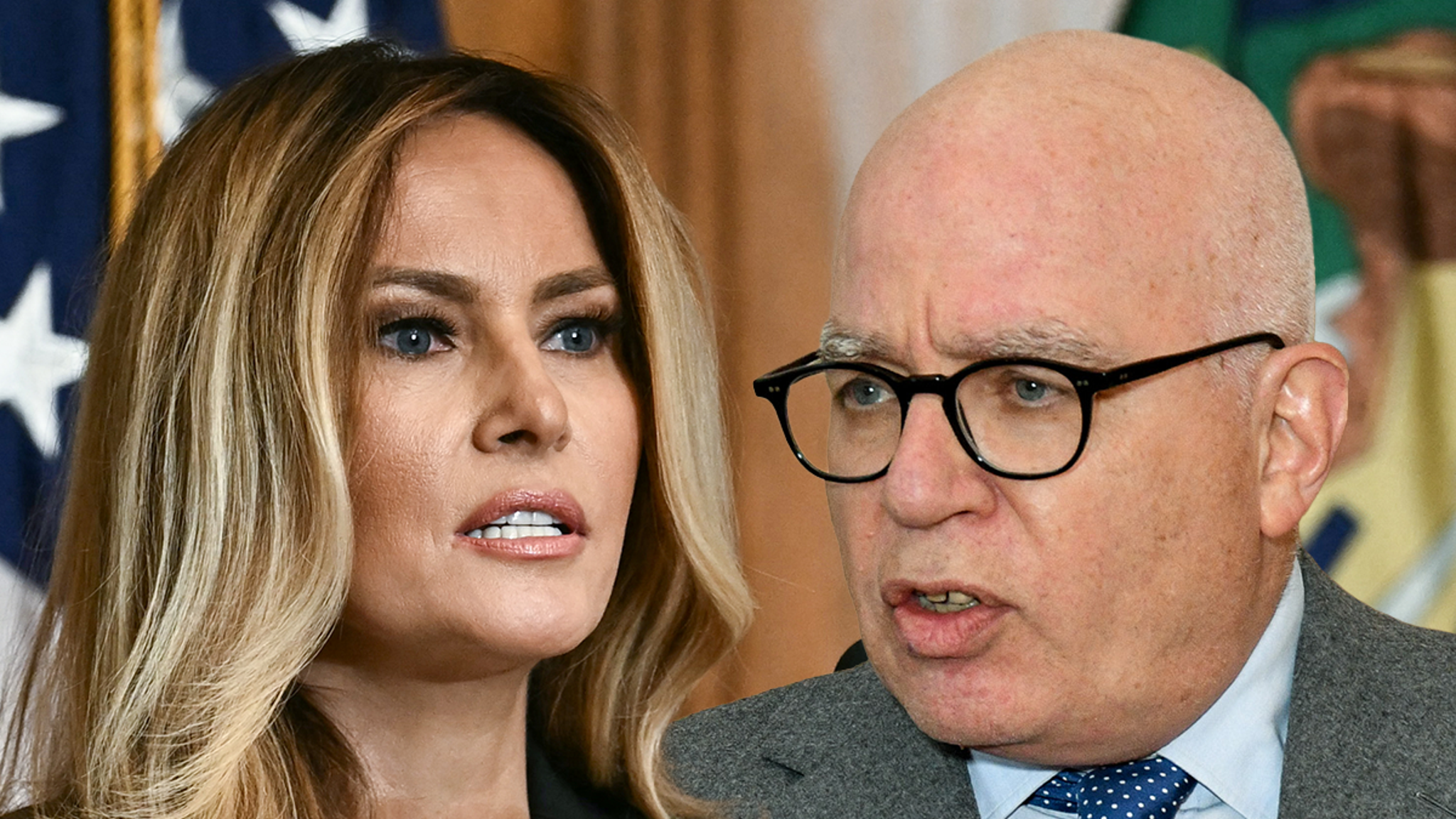
    First Lady Melania Trump has formally requested a court to impose sanctions against journalist Michael Wolff. This action marks a significant escalation in an ongoing legal dispute. The request comes after Wolff himself initiated a defamation lawsuit against Trump. The legal entanglement centers on comments made by Trump regarding Wolff’s commentary

    The move by Trump’s legal team seeks to penalize Wolff for alleged misconduct within the legal process. Such sanctions can include monetary penalties or other restrictions. They are typically sought when one party believes the other has abused court procedures or failed to comply with orders.

    The Origins of the Dispute

    The conflict traces back to statements Melania Trump made concerning Michael Wolff’s publication. Wolff’s book, released in recent years, explores the nature of celebrity. Trump’s public comments questioned the veracity and integrity of portions of Wolff’s work. These statements formed the basis of Wolff’s subsequent defamation claim.

    Defamation lawsuits are common in cases involving public figures and media. They often hinge on whether statements made were factually false and caused harm. The current request for sanctions introduces a new layer to this already complex legal landscape.

    Michael Wolff’s Background in Journalism

    Michael Wolff is a well-known American journalist and author. He has written for numerous publications, including USA Today, The Hollywood Reporter, and New York Magazine. Wolff gained significant public attention for his books focusing on political figures and media. His earlier work, “Fire and Fury: Inside the Trump White House,” published in 2018, became a best-seller and generated considerable controversy.

    His journalistic approach often involves extensive access and candid portrayals of his subjects. This style has frequently led to disputes over accuracy and interpretation. “Too Famous” continues this pattern, examining the intersection of fame and public perception.

    What are Legal Sanctions?

    Legal sanctions are penalties imposed by a court for various reasons. These reasons can include:

    • Failure to comply with court orders
    • Abuse of discovery processes
    • Filing frivolous lawsuits or motions
    • Misconduct during legal proceedings

    The purpose of sanctions is to ensure the orderly administration of justice. They also deter parties from engaging in behaviors that undermine the legal system. The specific nature of the sanctions sought by Trump’s legal team has not been publicly detailed. However, they typically aim to compensate the aggrieved party for expenses incurred due to the misconduct or to punish the offending party.

    The Broader Context of Public Figures and Media

    This legal confrontation is part of a larger pattern. Public figures frequently engage in legal battles with journalists and authors. These cases often raise fundamental questions about freedom of the press versus protection against defamation. The digital age has amplified these tensions. Information spreads rapidly, and public statements can reach global audiences instantly.

    Melania Trump, as First Lady, operates under intense public scrutiny. Her actions and statements are often subject to detailed media coverage. Similarly, journalists like Michael Wolff operate under the principle of informing the public. Balancing these roles often leads to friction, particularly when narratives clash.

    Previous Legal Actions Involving the Trump Family

    The Trump family has a history of legal disputes with media entities and individuals. Former President Donald Trump has frequently engaged in litigation related to media coverage. These cases often involve claims of defamation or challenges to journalistic practices. These past instances provide a backdrop for the current legal action involving Melania Trump.

    Such legal actions are often seen as attempts by public figures to control narratives. They can also be interpreted as defenses of personal reputation against perceived falsehoods. The legal system becomes the arena where these conflicting interests are adjudicated.

    The Implications for Journalistic Practice

    The outcome of this sanction request could have implications for journalistic practices. If sanctions are granted, it could set a precedent for how courts view author accountability within the legal process. It might encourage more aggressive legal tactics from public figures. Conversely, if the request is denied, it could reinforce protections for journalists against such challenges.

    Journalists often rely on sources and interpretations that can be challenged. The legal framework attempts to balance the public’s right to know with an individual’s right to a good reputation. Cases like this one test the boundaries of that balance.

    The Role of Defamation Law

    Defamation law serves to protect individuals from false statements that harm their reputation. For public figures, the standard for proving defamation is higher. They must typically prove “actual malice” – meaning the false statement was made with knowledge of its falsity or with reckless disregard for the truth. This higher standard acknowledges the public’s interest in robust debate about public figures.

    Wolff’s initial lawsuit would have needed to meet this standard. Trump’s counter-move for sanctions operates under different legal principles. It focuses on procedural conduct rather than the merits of the original defamation claim.

    What Happens Next in Court?

    The court will now consider Melania Trump’s request for sanctions. Both parties will likely submit legal briefs arguing their positions. The court may also hold hearings to consider evidence and arguments. A judge will then decide whether to impose sanctions, and if so, what form they will take.

    Legal processes can be lengthy and involve multiple stages. The current request for sanctions is one step in what could be a prolonged legal battle. Each ruling can influence the trajectory of the entire case.

    Public Reaction and Media Coverage

    The news of Melania Trump’s request for sanctions has drawn significant media attention. Outlets like TMZ first reported the development on July 21, 2026. Public reaction often divides along political lines. Supporters of Trump may view the action as a necessary defense of her reputation. Critics might see it as an attempt to stifle journalistic inquiry.

    The story also resonates with broader themes of celebrity accountability and the role of the press. It fuels discussions about the responsibilities of both public figures and those who report on them.

    The Significance of “Too Famous”

    Michael Wolff’s book “Too Famous: The Car Crash of Celebrity in America” explores the often-fraught relationship between fame and public perception. The book delves into how celebrity is constructed and consumed. It examines the pressures and pitfalls that come with being a public figure. Melania Trump’s legal action implicitly challenges the book’s narrative or underlying assumptions as they pertain to her.

    The title itself suggests a critical view of celebrity culture. This perspective may have contributed to the friction with public figures who are subjects of such analysis. The legal dispute brings the themes of the book into a real-world courtroom drama.

    Potential Outcomes and Precedents

    There are several potential outcomes for Melania Trump’s sanction request. The court could grant the request, imposing penalties on Michael Wolff. It could deny the request, finding no grounds for sanctions. Or, it could grant a modified form of the request, applying lesser penalties.

    Each outcome carries implications. A decision in Trump’s favor could empower other public figures to pursue similar legal tactics. A decision against her could reinforce a higher bar for claims of legal misconduct against journalists. The legal community will observe the ruling for its precedential value.

    The legal battle continues. Documents are filed. Arguments are made. Decisions are rendered.

    The court awaits.


  • Nolan Wells Disappearance: New Video Surfaces, Deepening the Mystery

    Nolan Wells Disappearance: New Video Surfaces, Deepening the Mystery

    The disappearance of actor Nolan Wells has been a subject of intense public and media scrutiny. A new video, acquired and released by TMZ on July 21, 2026, purports to show Wells in what many believe could be his final public appearance before he vanished. This footage has reignited interest in the case and deepened the mystery surrounding his whereabouts.

    The video’s content and its precise timestamp are currently under examination. Its release adds a new dimension to the ongoing efforts to locate Wells and understand the circumstances leading to his absence.

    The Initial Disappearance

    Nolan Wells was first reported missing on an undisclosed date, initiating a comprehensive search operation. Details surrounding the initial report have been scarce, leading to various theories and public speculation.

    Wells, known for his roles in several popular films and television series, maintained a significant public profile. His sudden absence generated immediate concern across the entertainment industry and among his fan base.

    Law enforcement agencies, including local police departments and federal investigators, have been involved in the search. They have pursued numerous leads, but no definitive breakthroughs have been publicly announced.

    The family of Nolan Wells issued a public plea for information shortly after his disappearance. They emphasized the urgency of the situation and the emotional toll it has taken.

    Details of the New Video Footage

    The video released by TMZ on July 21, 2026, shows a figure identified as Nolan Wells. The footage is reportedly from a security camera or a bystander’s cell phone, though its origin has not been fully disclosed.

    The exact location and time of the recording are critical details under review. Initial reports suggest the video was captured in a public setting, potentially an urban area or a commercial district.

    Wells appears to be alone in the video. His demeanor and actions within the short clip have become subjects of extensive analysis by online communities and media outlets.

    The quality of the video varies, presenting challenges for clear identification and interpretation of events. Despite this, the distinct features of Wells are reportedly discernible.

    TMZ has not revealed how they obtained the footage. Their report emphasized the potential significance of the video as a crucial piece of the puzzle.

    Public Reaction and Media Coverage

    The release of the new video on July 21, 2026, triggered an immediate surge in public discussion. Social media platforms experienced a significant increase in posts and theories related to Wells’ disappearance.

    News outlets worldwide picked up the story, re-broadcasting the TMZ report and offering their own analyses. The footage quickly became a focal point for renewed media attention.

    Many fans expressed a mix of hope and renewed anxiety. The visual evidence, while offering few answers, provided a tangible update in a case previously marked by silence.

    Celebrity commentators and former law enforcement officials offered their perspectives on television and radio. They discussed the potential implications of the video for the ongoing investigation.

    The public remains deeply invested in the outcome of the search for Nolan Wells. The new video serves as a stark reminder of his continued absence.

    Investigative Implications

    Law enforcement officials are expected to thoroughly review the newly surfaced video. Its authenticity and relevance to the timeline of Wells’ disappearance will be primary concerns.

    Investigators will attempt to verify the exact date, time, and location of the recording. This verification process is crucial for integrating the footage into the existing body of evidence.

    The video could provide new leads or corroborate existing information. It might also help to eliminate certain theories about Wells’ last known activities.

    Forensic analysis of the video may reveal additional details, such as other individuals present or specific objects that could offer clues. Every frame will be scrutinized.

    The official response from Wells’ family and legal representatives is anticipated. Their reaction will likely guide how the public and media interpret the footage.

    The Broader Context of Celebrity Disappearances

    Nolan Wells’ case is not an isolated incident in the history of public figures. Several celebrities have experienced unexplained disappearances, some resolved, others remaining mysteries.

    Such cases often attract intense public interest due to the high profile of the individuals involved. The media plays a significant role in disseminating information and shaping public perception.

    The privacy concerns of celebrities often clash with the public’s desire for information during such events. This dynamic creates a complex environment for investigations and reporting.

    Technological advancements, such as widespread surveillance cameras and social media, now play a larger role in documenting and investigating disappearances. The TMZ video is an example of this.

    The emotional impact on families and friends is profound. They navigate the public spotlight while enduring immense personal grief and uncertainty.

    The Role of TMZ in Breaking News

    TMZ has a history of obtaining and releasing exclusive celebrity-related content. Their report on the Nolan Wells video aligns with their established operational model.

    The outlet’s approach often involves rapid dissemination of information, sometimes ahead of official statements. This can generate significant public discussion but also raise questions about journalistic ethics.

    In the Wells case, TMZ’s release of the video has effectively reset the news cycle. It has refocused attention on a story that had begun to fade from daily headlines.

    The impact of such exclusive reports can be substantial. They can influence public opinion, pressure authorities, and even alter the course of ongoing investigations.

    TMZ’s platform allows for immediate and broad reach. This ensures that any new development, like the Wells video, quickly becomes a global topic of conversation.

    Unanswered Questions and Future Developments

    The new video, while compelling, leaves many critical questions unanswered. The most pressing remains: where is Nolan Wells?

    Investigators will need to determine if the person in the video is definitively Wells. They will also seek to establish the video’s exact chronological placement within his disappearance timeline.

    The source of the video and the chain of custody are also important considerations. Ensuring its integrity is vital for any potential legal proceedings.

    Public calls for more information and transparency from authorities are likely to intensify. The pressure to resolve the case will mount with each new development.

    The coming days and weeks will be crucial for the investigation. Any official statements regarding the video’s implications will be closely monitored.

    The Enduring Mystery

    The case of Nolan Wells continues to unfold. Each new piece of information, like the TMZ video, adds layers to an already complex narrative.

    Public attention remains fixed. Media scrutiny persists. The search for answers continues.

    Hope endures. Concern deepens. The mystery remains.

    Unresolved.


  • Nolan Wells Death Investigation: Al Sharpton and Tyler Perry Offer $100,000 Reward

    Nolan Wells Death Investigation: Al Sharpton and Tyler Perry Offer $100,000 Reward

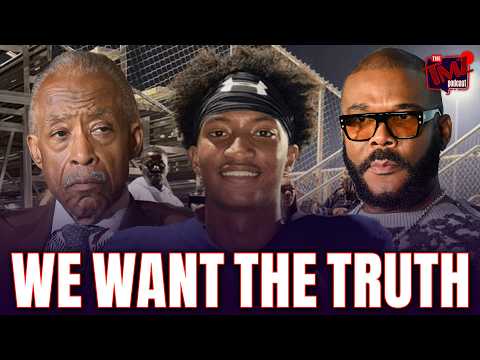
    Reverend Al Sharpton and entertainment mogul Tyler Perry have jointly announced a $100,000 reward for information that leads to the arrest and conviction of those responsible for the death of Nolan Wells. This substantial offer aims to galvanize public assistance in a case that has drawn significant community concern and calls for justice. The collaboration between Sharpton, a prominent civil rights activist, and Perry, a celebrated filmmaker and philanthropist, underscores a shared commitment to accountability and highlights the ongoing need for public engagement in complex investigations.

    The Call for Justice in the Nolan Wells Case

    The death of Nolan Wells has become a focal point for advocacy groups and concerned citizens. Details surrounding the incident remain under active investigation by law enforcement agencies. However, the lack of immediate arrests and the perceived slow pace of the inquiry have prompted community leaders to take direct action.

    The reward initiative represents a strategic effort to overcome potential barriers to information. It acknowledges that witnesses or individuals with knowledge may be hesitant to come forward without a compelling incentive. The $100,000 sum is designed to be such an incentive, signaling the seriousness with which this case is being pursued by figures outside of official channels.

    Al Sharpton’s Longstanding Advocacy

    Reverend Al Sharpton, founder and president of the National Action Network (NAN), has a decades-long history of engaging in civil rights cases and advocating for justice for victims of violence. His involvement in the Nolan Wells investigation aligns with his established pattern of supporting families and communities seeking answers in unexplained or controversial deaths.

    Sharpton’s presence often brings national media attention to local cases, amplifying calls for transparency and thorough investigation. His organization, NAN, frequently mobilizes resources and provides legal and logistical support to families navigating the criminal justice system. The announcement of the reward was made through channels that typically carry Sharpton’s public statements, ensuring broad dissemination.

    Tyler Perry’s Philanthropic Contributions

    Tyler Perry is widely recognized not only for his prolific work in film and television but also for his extensive philanthropic endeavors. Perry has a history of contributing to various causes, often anonymously or with minimal public fanfare, but has stepped forward publicly in specific instances where he feels his involvement can make a significant difference. His participation in this reward effort signals the gravity of the Nolan Wells case and the potential for his influence to accelerate its resolution.

    Perry’s financial backing provides a powerful complement to Sharpton’s organizational and advocacy strengths. Together, their combined resources and public platforms create a formidable force dedicated to finding answers. This collaboration exemplifies how individuals with significant public profiles can leverage their influence for social good, particularly in cases where justice appears elusive.

    The Mechanism of Reward Programs

    Reward programs, such as the one established for information on Nolan Wells’s death, serve as critical tools in criminal investigations. They are designed to encourage individuals to provide information that they might otherwise withhold due to fear of retaliation, perceived lack of consequence, or general reluctance to engage with law enforcement. The effectiveness of such programs often hinges on the amount offered and the credibility of the individuals or organizations offering it.

    The $100,000 figure is substantial, placing it among the higher rewards offered in similar cases. This amount can be a powerful motivator, particularly in communities where economic pressures might make such a sum life-changing. The involvement of Sharpton and Perry lends significant credibility and public trust to the offer, assuring potential informants that the reward is legitimate and will be disbursed upon fulfillment of the conditions.

    Information Dissemination and Public Trust

    For a reward program to be effective, information about it must reach the widest possible audience. The announcement through media outlets, including platforms like TMZ, ensures that the message permeates various segments of the public. Social media campaigns and community outreach efforts are likely to further amplify the call for information.

    Public trust is another critical component. When figures like Sharpton and Perry are involved, it can foster a sense of confidence among potential witnesses that their information will be taken seriously and that the process will be fair. This trust is particularly important in communities that may have historical reservations about engaging with law enforcement or official investigative bodies.

    Community Response and Broader Implications

    The joint reward announcement has generated considerable discussion within the community and across social media platforms. Many view it as a positive step towards ensuring justice and preventing similar incidents. It also serves as a powerful reminder of the role that community advocacy plays when official investigations face challenges.

    The case of Nolan Wells, amplified by the involvement of Sharpton and Perry, may set a precedent for future instances where public figures use their platforms and resources to support justice initiatives. This model of private citizens or groups offering rewards supplements, rather than replaces, official law enforcement efforts, providing an additional layer of incentive and public pressure.

    The Intersection of Celebrity, Activism, and Justice

    The collaboration between Al Sharpton and Tyler Perry exemplifies a growing trend where celebrities and public figures utilize their influence for social and political causes. This intersection often brings increased visibility to issues that might otherwise remain localized or receive limited attention. Their involvement can galvanize public opinion, raise funds, and pressure authorities to act swiftly and decisively.

    In the context of justice, this means that cases like Nolan Wells’s death are elevated from local tragedies to national conversations. The resources brought to bear by such figures can significantly alter the trajectory of an investigation, offering hope to families and communities seeking closure and accountability.

    The Role of Media in Amplifying Calls for Justice

    Media outlets, including entertainment news platforms like TMZ, play a crucial role in disseminating information about reward offerings and calls for justice. By covering the joint effort of Sharpton and Perry, these platforms ensure that the message reaches a diverse audience, potentially including individuals who possess vital information but might not actively follow traditional news channels.

    The reach of digital media and social platforms allows for rapid and widespread distribution of critical details, including contact information for tip lines and specific requests for information. This amplification is essential for the success of any reward program that relies on public participation.

    What Happens Next?

    The focus now shifts to the public’s response to the reward offer. Law enforcement agencies will likely be working closely with the National Action Network and other involved parties to manage any incoming tips and information. The effectiveness of the reward will be measured by the quality and quantity of leads generated, ultimately leading to an arrest and conviction.

    The case of Nolan Wells continues to unfold. The dedication of Al Sharpton and Tyler Perry, combined with the power of a significant financial incentive, represents a concerted effort to ensure that justice is served. The community watches. The investigation continues. The search for answers intensifies.

    Families wait. Communities demand. Justice seeks. Nolan Wells.


  • President Trump and the ‘Elites After Him’ Narrative – Unpacking the TMZ Claim

    President Trump and the ‘Elites After Him’ Narrative – Unpacking the TMZ Claim

    On July 20, 2026, the entertainment news program TMZ Live aired a segment titled “Trump In MAJOR Trouble – Elites AFTER HIM?!” This broadcast highlighted a recurring theme in political discourse: the perception of powerful, often unnamed, ‘elites’ actively working against President Donald Trump. The segment, like many before it, tapped into a narrative framework that resonates deeply with a segment of the American electorate, suggesting an ongoing struggle between the President and established institutions.

    The discussion on TMZ Live, hosted by Harvey Levin and Charles Latibeaudiere, focused on various unconfirmed reports and speculative comments circulating across social media and certain news outlets regarding President Trump’s political and legal challenges in mid-2026. While the show primarily operates within the celebrity news sphere, its foray into such politically charged topics underscores the pervasive nature of this ‘elites vs. Trump’ narrative.

    The Enduring ‘Elites After Him’ Narrative

    The concept of ‘elites’ targeting President Trump is not new. It has been a foundational element of his political campaigns and presidency since 2015. This narrative posits that a coalition of entrenched figures, including politicians, media personalities, globalists, and financial magnates, actively seeks to undermine his political agenda and personal standing.

    This framing often serves multiple purposes. It can rally supporters by presenting President Trump as an underdog fighting against powerful adversaries. It can also explain setbacks or criticisms as evidence of a coordinated attack rather than policy failures or political missteps. The July 20, 2026, TMZ Live segment offered a fresh instance of this narrative being reinforced in a mainstream, albeit entertainment-focused, context.

    Defining ‘Elites’ in the Trumpian Context

    The term ‘elites’ in this narrative is broadly defined. It typically encompasses:

    • The Political Establishment: Long-standing figures within both major political parties who are perceived as being out of touch with ordinary Americans.
    • Mainstream Media: Major news organizations, often accused of biased reporting and acting as an extension of the political establishment.
    • Globalist Institutions: International organizations and agreements seen as eroding national sovereignty and benefiting a select few.
    • Deep State: A shadowy network of unelected government officials and intelligence operatives believed to be working against the President’s agenda.
    • Financial & Corporate Interests: Wealthy individuals and large corporations perceived as manipulating the system for their own gain.

    These groups are often presented as operating in concert, united by a common desire to maintain their power and influence, which President Trump is seen as disrupting.

    TMZ Live’s Role in Political Discourse

    TMZ Live, traditionally known for breaking celebrity news and analyzing pop culture, has increasingly waded into political commentary. This shift reflects a broader trend in media where the lines between entertainment and hard news have blurred. The show’s segment on President Trump on July 20, 2026, illustrates this crossover, bringing political discussion to an audience that might not regularly consume traditional news channels.

    Harvey Levin, the show’s executive producer and host, has often expressed opinions on political matters. His platform on TMZ provides a unique lens through which to view public figures, including political leaders. The segment’s choice to phrase the headline with sensational language like “MAJOR Trouble” and a question mark after “Elites AFTER HIM?!” is characteristic of TMZ’s style, designed to capture attention and provoke discussion.

    The Impact of Entertainment News on Political Narratives

    When platforms like TMZ engage with political topics, they contribute to the mainstreaming of certain narratives. For President Trump’s supporters, a segment on TMZ Live discussing ‘elites after him’ might validate their existing beliefs. For others, it might simply be seen as further sensationalism. Regardless of interpretation, its presence on such a platform expands the reach of the narrative beyond traditional political echo chambers.

    The July 20, 2026, broadcast became another data point in the ongoing public conversation surrounding President Trump’s challenges and his portrayal as a figure constantly battling powerful forces.

    President Trump’s Second Term: A Landscape of Challenges

    President Donald Trump, inaugurated for his second non-consecutive term on January 20, 2025, has faced a complex array of challenges. These include ongoing legislative battles, economic policy debates, and persistent legal scrutiny. The ‘elites after him’ narrative often contextualizes these challenges, framing them not as ordinary political hurdles but as deliberate acts of opposition from entrenched powers.

    Legislative and Policy Landscape

    In mid-2026, President Trump’s administration continued to pursue key policy objectives. These included efforts related to border security, trade agreements, and domestic energy production. Each policy initiative often encountered significant opposition, both from within Congress and from external advocacy groups. The narrative suggests that this opposition is not merely ideological but part of a broader effort by ‘elites’ to obstruct the President’s agenda.

    For instance, discussions surrounding proposed changes to federal regulations or new international trade frameworks frequently become battlegrounds where the ‘elites after him’ theme is invoked. Proponents of the President’s policies argue that resistance comes from those who benefit from the status quo, while opponents contend their actions are based on legitimate policy disagreements.

    Economic Conditions and Public Perception

    The U.S. economy in mid-2026 presented a mixed picture, with varying reports on inflation, employment, and consumer confidence. Economic narratives often play into the ‘elites’ discussion. Critics of President Trump’s economic policies might attribute any downturns to his administration’s decisions. Supporters, however, might argue that any economic difficulties are exacerbated by ‘elite’ financial institutions or globalist policies that undermine American prosperity.

    The perception of who benefits from economic policies is also central. The ‘elites after him’ narrative often implies that these ‘elites’ are precisely those who profit from systems that President Trump aims to dismantle or reform.

    Legal Scrutiny and Public Opinion

    President Trump has consistently been the subject of various legal inquiries and civil actions. These legal challenges, whether ongoing or resolved, often fuel the ‘elites after him’ narrative. Supporters frequently view these legal proceedings as politically motivated persecutions orchestrated by those who wish to remove him from power or discredit him.

    Ongoing Legal Battles in Mid-2026

    As of July 20, 2026, several legal matters involving President Trump remained subjects of public discussion. These could range from challenges related to his business dealings to investigations stemming from his previous time in office. Each legal development, regardless of its merits, is often interpreted through the lens of a coordinated effort by ‘elites’ to target him.

    The judicial system itself can become part of the ‘elite’ apparatus in this narrative, especially when court rulings go against the President’s interests. This perspective suggests that even the legal framework is weaponized by those opposed to his leadership.

    The Role of Media in Shaping Perceptions

    Media coverage of President Trump’s legal issues is a critical component of how the ‘elites after him’ narrative is perpetuated or challenged. Outlets that align with the narrative often emphasize the political motivations behind legal actions, while others focus on the legal facts and due process.

    TMZ Live’s segment on July 20, 2026, by posing the question “Elites AFTER HIM?!”, implicitly acknowledged and amplified this interpretive framework, regardless of the show’s intent. It brought the discussion of potential targeting by powerful forces into a widely consumed entertainment format.

    Historical Context of ‘Elites’ vs. Populism

    The ‘elites after him’ narrative is not unique to President Trump. Throughout history, populist movements have often framed their struggles as battles against entrenched elites. From Andrew Jackson’s fight against the Second Bank of the United States to Bernie Sanders’s critiques of the “billionaire class,” the theme of the common person (or their champion) against powerful, privileged interests is a recurring one in American politics.

    Populist Movements and Anti-Establishment Rhetoric

    President Trump’s political rise was, in many ways, a populist phenomenon. His rhetoric consistently positioned him as an outsider fighting on behalf of the forgotten man and woman against a corrupt system. This anti-establishment stance is a natural breeding ground for the ‘elites after him’ narrative.

    The narrative provides a clear antagonist, allowing supporters to identify with President Trump as a fellow victim or a brave warrior against these forces. It simplifies complex political issues into a moral struggle between good (the people and their champion) and evil (the conspiring elites).

    The Information Ecosystem in 2026

    In 2026, the information ecosystem is highly fragmented. Social media platforms, niche news sites, and traditional media all contribute to a complex landscape where narratives can spread rapidly and be reinforced within specific communities. The TMZ Live segment, while coming from a celebrity news outlet, becomes part of this broader ecosystem, feeding into existing discussions and contributing to the ongoing cultural conversation.

    The speed at which headlines and snippets of information travel means that interpretations and narratives can solidify quickly, often before comprehensive factual analysis is widely available. The July 20, 2026, TMZ broadcast serves as an example of how a compelling, if speculative, headline can quickly become part of the public’s understanding of current events.

    President Trump’s ongoing presidency in 2026 continues to be defined by this dynamic. His supporters remain vigilant, interpreting events through the lens of a constant battle against powerful, often unseen, adversaries. Critics continue to scrutinize his actions and rhetoric, often dismissing the ‘elites after him’ narrative as a deflection from accountability.

    The TMZ Live segment, therefore, was not an isolated event. It was a reflection of a deeply ingrained political and cultural phenomenon. A phenomenon that shapes public discourse. A phenomenon that influences voter behavior. A phenomenon that defines the political landscape.

    President Trump.


  • Maduka Okoye’s Baby Mama Alleges Cheating, Abuse in Explosive Post

    Maduka Okoye’s Baby Mama Alleges Cheating, Abuse in Explosive Post

    The Allegations Surface

    Nigerian professional footballer Maduka Okoye is currently embroiled in a significant public controversy. His baby mama has publicly accused him of cheating and abuse. These serious allegations have rapidly gained traction across social media platforms, drawing widespread attention from fans, media outlets, and the general public.

    The claims, which surfaced recently, detail a pattern of alleged misconduct. The accuser has presented her narrative through online posts, sparking immediate and intense discussion.

    Who is Maduka Okoye?

    Maduka Emilio Okoye is a prominent figure in international football. Born in Düsseldorf, Germany, to a Nigerian father and a German mother, Okoye chose to represent Nigeria on the international stage. He serves as a goalkeeper for the Nigerian national team, known as the Super Eagles.

    Okoye began his professional career in Germany. He then moved to England, signing with one club. His performances have earned him recognition as a talented shot-stopper and a key player for his national team. His status as a public figure amplifies the impact of the current allegations.

    The Nature of the Claims

    The baby mama’s allegations are comprehensive. They include claims of infidelity, detailing specific instances of alleged cheating. Beyond infidelity, the accusations extend to alleged emotional and potentially physical abuse. These are serious charges that carry significant social and reputational weight.

    The accuser has reportedly provided details and context to support her claims. The public nature of these allegations ensures that they are being discussed openly, often with strong opinions from various sides.

    Social Media as the Platform

    The platform for these accusations is primarily social media. This is a common trend in contemporary celebrity disputes. Social media allows for direct communication, bypassing traditional media filters. It also enables rapid dissemination of information, reaching a vast audience almost instantly.

    The use of social media in such sensitive matters often leads to immediate public judgment. It creates a space where narratives can be shaped quickly, sometimes before official statements are made or investigations are conducted.

    Impact on Okoye’s Career and Image

    Allegations of this nature can have a profound impact on a public figure’s career. For a professional athlete like Maduka Okoye, image and public perception are crucial. Sponsorship deals, club contracts, and fan support can all be affected by such controversies.

    The Super Eagles, Nigeria’s national team, also faces potential scrutiny. The conduct of its players, both on and off the field, reflects on the team’s image. This situation places both Okoye and the organizations he represents under a spotlight.

    Public and Fan Reaction

    The public reaction to the allegations has been varied. Many fans express disappointment and concern. Some call for swift action and accountability. Others counsel caution, urging people to await further information or official statements.

    The debate often centers on the principle of innocent until proven guilty versus the immediate impact of such serious claims. Social media comments sections and online forums reflect these diverse perspectives, creating a complex tapestry of public opinion.

    The Broader Conversation on Accountability

    This incident contributes to a larger ongoing conversation about celebrity accountability. In an era of increased transparency and immediate information sharing, public figures are held to higher standards. Their private lives are often scrutinized as intensely as their professional achievements.

    The concept of ‘cancel culture’ also plays a role here. While not always leading to career termination, public allegations can significantly damage reputations and lead to calls for individuals to be deplatformed or ostracized. This case underscores the delicate balance between privacy and public expectation for those in the limelight.

    The Role of Media and Reporting

    Media outlets, including those focused on celebrity news like TMZ, play a critical role in disseminating these stories. Their reporting shapes public understanding and often sets the tone for discussion. The initial report from TMZ highlighted the core allegations, bringing them to a wider audience.

    Responsible reporting in such cases involves presenting facts, acknowledging the nature of allegations, and avoiding premature conclusions. The challenge lies in balancing public interest with the need for fairness and due process.

    Legal and Personal Implications

    Beyond public opinion, allegations of abuse can carry significant legal implications. While the current situation primarily involves public accusations, these can escalate to formal complaints or legal proceedings. Such developments would introduce a new layer of complexity to the situation.

    On a personal level, all parties involved face immense stress. The accuser, Okoye, and their respective families are navigating a highly public and emotionally charged situation. The long-term personal consequences for everyone involved are substantial.

    Previous Instances of Celebrity Scandals

    The sports and entertainment worlds have seen numerous instances of similar scandals. High-profile athletes and celebrities have faced allegations ranging from infidelity to more serious charges of abuse. These cases often follow a similar trajectory: initial allegations, public outcry, media coverage, and sometimes, formal investigations or legal battles.

    Each case, while unique in its specifics, adds to the collective understanding of how society grapples with the personal conduct of public figures. They also highlight the evolving expectations placed upon those who live under constant public observation.

    The Path Forward

    As of July 20, 2026, Maduka Okoye has not issued a public statement regarding the allegations. His silence, whether strategic or due to ongoing legal advice, contributes to the current uncertainty. The absence of a direct response leaves the allegations largely unchallenged in the public sphere.

    The next steps could include a formal statement from Okoye or his representatives, a legal response, or further details emerging from the accuser. The situation remains fluid, with public interest continuing to be high.

    The Digital Age and Public Scrutiny

    The digital age has fundamentally altered the landscape of public scrutiny. Every public figure’s actions, both online and offline, are subject to immediate and widespread examination. The line between private and public life has become increasingly blurred, especially for celebrities and athletes.

    This increased visibility brings with it a heightened demand for ethical conduct and accountability. Stories like Maduka Okoye’s serve as reminders of the constant pressure and intense observation faced by individuals in the public eye.

    Allegations surfaced. Public opinion formed. Media reported. Accountability demanded. Silence.

    Okoye.