
Tag: The Dark Knight

  • The Odyssey’s Billion-Dollar Question – Christopher Nolan’s Next Box Office Hit?

    The Odyssey’s Billion-Dollar Question – Christopher Nolan’s Next Box Office Hit?

    Christopher Nolan’s upcoming film, ‘The Odyssey,’ is being eyed by industry analysts for a potential global box office gross exceeding $1 billion. This early, unofficial projection stems from Nolan’s established reputation for delivering critically acclaimed and commercially successful blockbusters. Media outlets and market observers are closely monitoring the film’s development, anticipating its financial impact.

    The speculation highlights the high expectations placed on Nolan’s projects. His previous films have frequently achieved substantial worldwide revenues, often surpassing initial forecasts. This track record positions ‘The Odyssey’ as a major contender for significant financial success in the global market.

    Christopher Nolan’s Consistent Box Office Performance

    Christopher Nolan has consistently directed films that resonate with both critics and mass audiences. This consistency has led to impressive box office returns throughout his career. His filmography includes multiple titles that have crossed the $500 million mark globally. Several of his films have achieved the coveted $1 billion milestone in worldwide revenue.

    This consistent performance forms the bedrock of current ‘The Odyssey’ predictions. Industry experts analyze past successes to project future outcomes. Nolan’s name has become synonymous with cinematic events that draw large audiences.

    Landmark Films and Their Earnings

    Nolan’s filmography provides concrete examples of his commercial prowess. ‘The Dark Knight,’ released in 2008, earned over $1 billion worldwide. This superhero epic demonstrated his ability to blend critical acclaim with massive commercial appeal. ‘Inception,’ a 2010 science fiction thriller, grossed $839 million worldwide. This original concept film proved Nolan’s ability to attract audiences without relying on pre-existing intellectual property.

    More recently, ‘Oppenheimer,’ released in 2023, exceeded $976 million globally. This historical drama, focusing on J. Robert Oppenheimer, surprised many by its strong performance. It cemented Nolan’s status as a director capable of drawing massive crowds even with non-traditional blockbuster fare. These figures underscore the reliability of Nolan’s audience base.

    The Nolan Brand: Intellectual Storytelling and Visual Spectacle

    This history indicates a reliable audience base that anticipates Nolan’s unique blend of intellectual storytelling and grand visual spectacle. Viewers expect complex narratives and stunning visuals from his work. This expectation has become a core component of his brand recognition.

    ‘The Odyssey’ is expected to continue this trend. The film will leverage Nolan’s established brand to attract a wide demographic. His projects are often seen as essential theatrical experiences.

    Factors Driving Optimistic Projections for ‘The Odyssey’

    Several factors contribute to the optimistic box office outlook for ‘The Odyssey.’ These elements combine to create a favorable environment for the film’s commercial success. Each factor plays a role in the overall financial forecast.

    Genre Alignment and Narrative Scale

    The film’s genre is a significant contributor. ‘The Odyssey’ is rumored to be an epic sci-fi or historical drama. These genres align with themes that have historically performed well for Nolan. Large-scale narratives with intricate plots and stunning visuals are hallmarks of his work. These characteristics appeal to a broad demographic across various markets.

    Nolan’s films often feature complex structures and ambitious scope. This approach differentiates his work in the crowded blockbuster landscape. Audiences are drawn to the intellectual challenge and visual grandeur his films offer.

    Global Market Conditions and Event Film Appeal

    Global market conditions also play a crucial role. The post-pandemic theatrical landscape has shown a strong appetite for event films. Audiences are returning to cinemas for experiences that demand the big screen. Nolan’s movies are often seen as must-see cinematic events. They encourage audiences to experience them on the biggest screens possible.

    This preference for premium formats, such as IMAX, further boosts revenue potential. IMAX screenings command higher ticket prices. They also offer an enhanced viewing experience that aligns with Nolan’s visual style. The global reach of these premium formats amplifies their impact on overall gross.

    Strategic Considerations for ‘The Odyssey’s’ Release

    The final box office performance of ‘The Odyssey’ will depend on several strategic considerations. These include its release window, competitive landscape, and marketing approach. Each element requires careful planning to maximize the film’s potential.

    Release Window and Competitive Landscape

    The specific release window for ‘The Odyssey’ will be crucial. Strategic placement during a less crowded period can significantly impact its opening weekend. Counter-programming against other major releases is another tactic. This strategy aims to capture audiences not interested in competing films.

    Studios typically plan Nolan’s releases carefully. The goal is to maximize their reach and minimize direct competition. A well-chosen date can provide significant momentum. It can help the film establish strong legs in the weeks following its debut.

    Marketing and Global Appeal

    Furthermore, the marketing campaign will be instrumental. Early trailers and promotional materials will aim to build anticipation. This process is similar to how previous Nolan films have generated immense buzz. The initial marketing push sets the tone for audience expectations.

    The global appeal of Nolan’s name ensures that ‘The Odyssey’ will receive widespread attention. This attention will span across key international markets. International markets often contribute a substantial portion of a film’s total gross. Effective global marketing is essential for achieving a billion-dollar outcome.

    Industry Analysis and Future Outlook

    Industry analysts continue to refine their models. They use data from past performances and current market trends. Media outlets publish updated forecasts as more information becomes available. These forecasts provide evolving insights into ‘The Odyssey’s’ potential.

    Audiences await the first trailer. The initial glimpse of the film will further shape public perception and anticipation. The financial narrative for ‘The Odyssey’ is just beginning. Its journey to the billion-dollar mark remains a central topic of discussion in the film industry.

    Analysts review data. Studios plan strategies. Audiences wait. The Odyssey.
  • Christopher Nolan on ‘Odyssey’ Backlash: ‘Irrelevant’ After Batman Experience

    Christopher Nolan on ‘Odyssey’ Backlash: ‘Irrelevant’ After Batman Experience

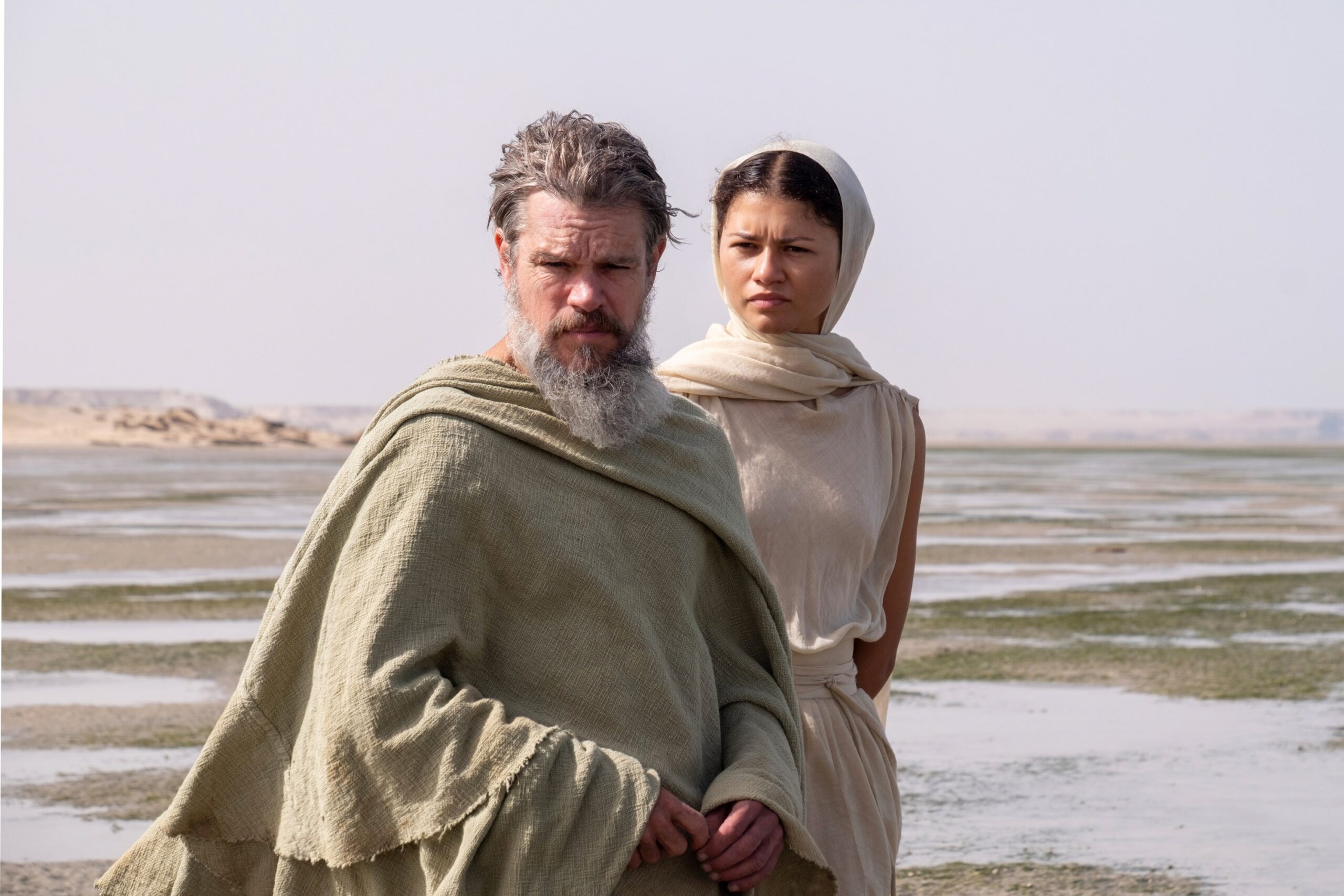
    Christopher Nolan has publicly stated his disregard for the backlash surrounding his latest film, ‘Odyssey.’ Nolan characterized the criticism as ‘irrelevant,’ attributing his perspective to his extensive experience navigating public opinion during his ten years working on the Batman film series. This stance highlights a filmmaker’s approach to creative control amidst contemporary online scrutiny.

    His comments, reported by Variety on July 11, 2026, suggest a seasoned perspective on the often-intense public reaction to high-profile cinematic releases. Nolan’s career spans several decades, marked by both critical acclaim and significant box office success.

    The Weight of Public Opinion in Modern Cinema

    The film industry operates within a complex ecosystem of critical reviews, fan expectations, and social media discourse. Modern filmmakers frequently face immediate and widespread reactions to their creative decisions, sometimes even before a film’s release. These reactions can range from enthusiastic support to intense criticism.

    Nolan’s ‘Odyssey’ has reportedly garnered significant discussion, particularly concerning its casting choices and certain narrative elements. The specific details of the backlash have been a subject of online debate across various platforms since the film’s initial announcements.

    Directors like Nolan, who command substantial creative freedom, often find themselves at the nexus of artistic vision and commercial viability. This tension is particularly pronounced in the era of instant digital feedback.

    Navigating the Batman Legacy

    Christopher Nolan directed three highly successful Batman films: ‘Batman Begins’ (2005), ‘The Dark Knight’ (2008), and ‘The Dark Knight Rises’ (2012). This trilogy is widely regarded as a significant achievement in the superhero genre, redefining its dramatic and thematic potential.

    During his decade-long involvement with the Batman universe, Nolan experienced firsthand the immense scrutiny that accompanies iconic characters. Casting decisions, plot deviations from comic lore, and stylistic choices were all subjects of intense public debate.

    The casting of Heath Ledger as the Joker in ‘The Dark Knight,’ for instance, initially faced considerable skepticism from some fans. Ledger’s performance ultimately earned widespread critical acclaim, including a posthumous Academy Award, demonstrating how initial public reactions can sometimes diverge significantly from a project’s eventual reception.

    Nolan’s reference to his ’10 years dealing with Batman’ underscores a period of sustained public engagement and critique. This experience appears to have forged a resilient approach to external pressures.

    The ‘Odyssey’ Project: Context and Controversies

    ‘Odyssey’ represents Christopher Nolan’s latest directorial effort, following a string of critically and commercially successful films. Details about the film’s plot remain somewhat guarded, a common practice for Nolan’s productions, which often feature intricate narratives and unexpected twists.

    The reported backlash surrounding ‘Odyssey’ highlights contemporary sensitivities within the film-watching community. Issues such as representation, narrative authenticity, and creative interpretation frequently fuel online discussions.

    Specific criticisms of ‘Odyssey’ have not been fully detailed in public reports, but they are understood to encompass various aspects of the film’s production. These often include:

    • Casting decisions for key roles.
    • Departures from expected genre conventions.
    • Thematic elements perceived as controversial.
    • Pacing or structural choices within the narrative.

    Nolan’s dismissal of these concerns suggests a filmmaker prioritizing his artistic vision. He has historically maintained a strong directorial hand in his projects, often working with a consistent team of collaborators.

    Filmmaker Autonomy in the Digital Age

    The concept of filmmaker autonomy has evolved significantly with the rise of social media. Directors now face a more direct and immediate form of audience feedback, often before a film has even been seen by the majority of the public.

    For many established directors, maintaining creative control is paramount. This often means making decisions that may not immediately align with certain audience expectations or online trends.

    Nolan’s statement aligns with a broader sentiment among some veteran filmmakers who believe in the integrity of their artistic process. They argue that constant adaptation to every wave of public opinion can dilute a project’s original vision.

    The balance between audience engagement and creative independence remains a perpetual challenge for the film industry. Nolan’s approach suggests a clear preference for the latter, informed by years of navigating high-stakes productions.

    Lessons from a Decade of Blockbusters

    Christopher Nolan’s filmography is characterized by ambitious storytelling, technical innovation, and a consistent exploration of complex themes. His films often challenge audiences with non-linear narratives and thought-provoking concepts.

    His experience with the Batman films provided a unique education in managing public perception. These were not just standalone movies; they were cultural events with deeply entrenched fan bases and high expectations.

    The pressure to deliver a satisfying conclusion to the Batman trilogy with ‘The Dark Knight Rises’ was immense. Nolan successfully navigated these pressures, delivering a film that, while generating discussion, cemented his reputation as a master storyteller.

    This sustained period of high-profile filmmaking likely instilled in Nolan a durable resistance to transient criticisms. He has seen how initial reactions can shift, and how a film’s legacy often takes time to solidify.

    The Impact of Online Discourse on Creative Works

    Online platforms have democratized film criticism, allowing virtually anyone to share their opinions. While this can foster vibrant communities, it also creates an environment where negative sentiment can quickly amplify.

    For filmmakers, discerning constructive criticism from noise becomes a critical skill. Nolan’s ‘irrelevant’ comment indicates a deliberate filtering process, focusing on the creative goals rather than every public comment.

    The phenomenon of ‘backlash’ itself has become a common feature of the entertainment landscape. It encompasses a wide range of reactions, from genuine critical analysis to more emotionally charged responses, sometimes fueled by a sense of ownership over popular intellectual properties.

    Nolan’s perspective suggests that for a filmmaker with a clear vision, this type of widespread, immediate online reaction can be a distraction rather than a guide. His focus remains on the execution of his artistic intent.

    Filmmakers and the Future of Creative Freedom

    Christopher Nolan’s stance on the ‘Odyssey’ backlash raises questions about the future of creative freedom in Hollywood. As studios become increasingly sensitive to public relations and social media trends, the space for uncompromising artistic vision might shrink.

    However, directors with a proven track record, like Nolan, often retain a stronger bargaining position. Their past successes grant them a certain degree of insulation from immediate commercial or public pressures.

    The debate between artistic integrity and audience satisfaction is perennial. Nolan’s comments contribute to this ongoing dialogue, asserting the importance of a director’s conviction.

    His films have consistently pushed cinematic boundaries, from the dreamscapes of ‘Inception’ to the temporal manipulations of ‘Tenet.’ This history suggests a director who is not afraid to take risks, even if those risks generate discussion.

    The Role of the Audience in Shaping Art

    While Nolan dismisses certain forms of backlash, the audience ultimately plays a crucial role in the success and cultural impact of a film. Box office receipts and long-term critical reception are driven by audience engagement.

    However, the definition of ‘audience engagement’ has become more complex. It now includes not just ticket sales, but also social media metrics, online reviews, and cultural conversations.

    Nolan’s position is not necessarily a rejection of his audience, but rather a distinction between critical feedback that informs the creative process and general public sentiment that may not. He appears to prioritize the former.

    The interaction between creator and audience is a dynamic one. Nolan’s statement is a reminder that while audiences are vital, the final creative authority often rests with the filmmaker, particularly for those with a distinct artistic signature.

    Christopher Nolan directed ‘Batman Begins.’ He directed ‘The Dark Knight.’ He directed ‘The Dark Knight Rises.’ He has now directed ‘Odyssey.’

    He remains resolute.