Support Independent Media & Early Access
Read 100% ad-free and get early access to investigative documentaries and podcast episodes before they go public.
Join for $7/mo →
Read 100% ad-free and get early access to investigative documentaries and podcast episodes before they go public.
Join for $7/mo →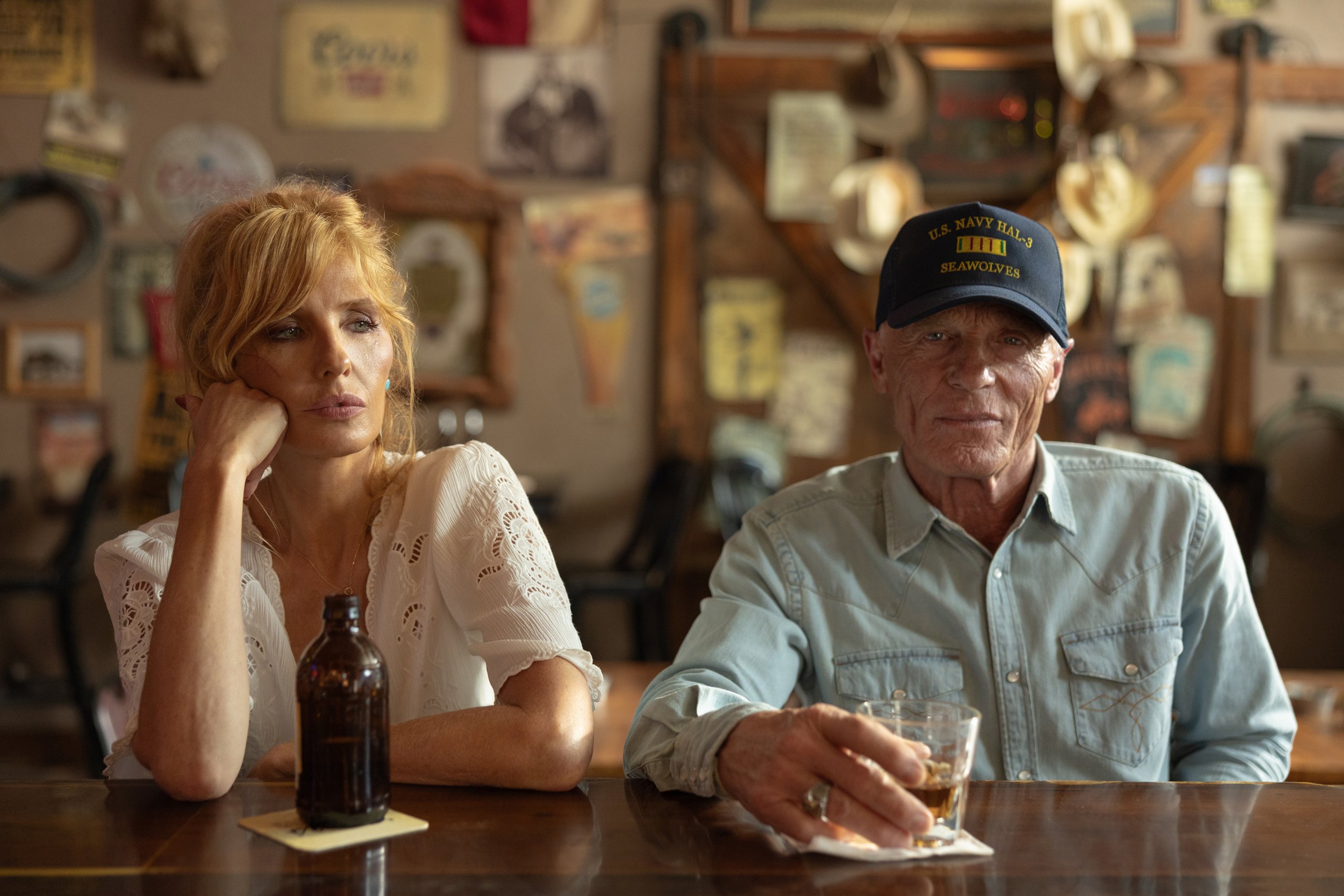
Ed Harris, the acclaimed actor, publicly expressed profound dissatisfaction with his role in the Paramount+ series Dutton Ranch. He stated he felt ‘misled’ about the character’s scope and described the part as ‘inconsequential.’ Harris reportedly declared, ‘Get me the F, Out of Here,’ indicating a strong desire to leave the production. This candid sentiment was detailed in an exclusive report by Variety, highlighting potential tensions behind the scenes of the popular streaming franchise.
Dutton Ranch is a pivotal extension of the highly successful ‘Yellowstone’ universe, created by Taylor Sheridan. Harris’s comments reveal a significant divergence between his initial expectations for the role and the reality of its execution within the series. Such public statements from a veteran actor can carry substantial weight, influencing both industry perceptions and audience engagement with the show.
Harris’s primary grievance centers on feeling ‘misled’ about his character’s trajectory and importance. Actors often commit to projects based on detailed pitches, script outlines, and discussions with showrunners. These initial conversations are crucial in shaping their understanding of a role’s narrative weight and screen time.
For an actor of Harris’s stature, with a career spanning decades and numerous critically acclaimed performances, the perceived diminishment of a role can be particularly frustrating. The term ‘misled’ suggests a breach of understanding or an unexpected shift in creative direction that directly impacted his character.
Sources close to the Dutton Ranch production indicated that Harris was initially drawn to the project by the promise of a substantial and pivotal role. The character was reportedly presented as integral to a major storyline, implying significant presence across multiple episodes and seasons. This initial vision aligned with Harris’s reputation for portraying complex, impactful characters.
However, as production progressed and scripts were finalized, the character’s involvement reportedly diminished. Dialogue was cut, key scenes were reduced, and the overall influence of Harris’s character on the central plot became less significant than initially conveyed. This evolution from a promised substantial role to a perceived minor one appears to be the root cause of his public dissatisfaction.
Harris’s description of his role as ‘inconsequential’ is a strong indictment. For a performer known for his intensity and commanding screen presence, an ‘inconsequential’ part can be creatively unfulfilling. It can also be seen as an inefficient use of his talent and time, especially within a demanding production schedule.
This assessment is particularly notable given the high-profile nature of Dutton Ranch. The ‘Yellowstone’ universe attracts top-tier talent with its prestige, expansive storytelling, and large viewership. When an actor’s experience falls short of these expectations, public expressions of frustration are not uncommon.
An actor’s creative fulfillment is often tied to the depth and impact of their roles. Playing a character deemed ‘inconsequential’ can lead to a sense of professional stagnation. For Harris, whose filmography includes powerful performances in films like The Truman Show, Apollo 13, and Pollock, taking on a role that lacks significant narrative weight might feel like a step backward.
Such public comments also send a signal within the industry regarding the creative environment of a production. They can influence how other actors view potential involvement in the ‘Yellowstone’ franchise, potentially impacting future casting decisions for its various spin-offs.
The explicit phrase, ‘Get me the F, Out of Here,’ conveys a strong, visceral reaction of frustration and regret. This direct quote, reported by Variety, underscores the depth of Harris’s dissatisfaction. It suggests a point of no return for the actor regarding his current commitment to the series.
Such an emphatic statement from a usually composed professional highlights a critical breaking point. It moves beyond mere creative differences to a desire for immediate disengagement from the project. This level of public candor is rare and typically reserved for situations of extreme professional disillusionment.
An actor’s public declaration of wanting to leave a show can have immediate and far-reaching implications. It can affect morale among the cast and crew, creating an atmosphere of uncertainty. For the network, Paramount+, and the production company, it creates a significant public relations challenge.
The narrative surrounding Dutton Ranch could shift from anticipation of its storyline to speculation about behind-the-scenes turmoil. Managing this public perception becomes crucial for maintaining audience trust and the overall brand image of the ‘Yellowstone’ universe.
The ‘Yellowstone’ universe, encompassing Dutton Ranch and other spin-offs, is largely the brainchild of Taylor Sheridan. Sheridan is renowned for his distinctive writing, prolific output, and hands-on approach to production, often serving as writer, director, and showrunner. His singular creative vision has been instrumental in the franchise’s immense success.
However, Sheridan’s extensive creative control has also been a subject of discussion within the industry. Reports of creative differences between actors and the showrunner have emerged in the past. Harris’s comments add to this ongoing conversation about the balance of artistic authority within the highly successful, yet tightly controlled, ‘Yellowstone’ ecosystem.
The tension between a showrunner’s overarching artistic vision and an actor’s expectations for their character is a perennial challenge in television production. Sheridan’s method, while effective for maintaining a consistent tone and narrative, can sometimes lead to actors feeling their input or their character’s potential is secondary to the larger story arc envisioned by the creator.
When this delicate balance is disrupted, as appears to be the case with Harris, it can result in public friction. This friction underscores the inherent complexities of collaborative artistic endeavors, particularly in franchises where a single creative voice holds significant sway.
Paramount+ has made a substantial strategic investment in the ‘Yellowstone’ universe. Dutton Ranch is a key component of the platform’s content strategy, designed to attract and retain subscribers. The success of these spin-offs is vital for Paramount+’s competitive standing in the streaming landscape.
Public statements of discontent from prominent actors like Ed Harris pose a significant challenge for the network. Such negative publicity risks tarnishing the brand image of a flagship franchise, potentially impacting viewership and subscription numbers. Paramount+ leadership will likely be monitoring this situation closely and considering their response.
Maintaining positive relationships with high-profile talent is essential for any major network and studio. Negative publicity, especially from respected actors, can affect future casting decisions for other projects. It can also impact the overall reputation of the studio and its productions, making it harder to attract top-tier talent.
Paramount+ may need to engage in strategic communication to address the concerns raised by Harris. This could involve direct negotiations, public statements, or internal adjustments to production practices. The goal would be to mitigate any long-term damage to the Dutton Ranch brand and the broader ‘Yellowstone’ universe, ensuring continued success and talent acquisition.
Ed Harris’s reported desire to leave Dutton Ranch is not an isolated incident in the history of Hollywood productions. Actors frequently depart series due to creative differences, scheduling conflicts, or profound dissatisfaction with their roles. These departures range from amicable separations to highly publicized disputes, often forcing creative teams to adapt storylines on the fly.
The entertainment industry has numerous examples of prominent actors exiting popular shows. These instances often generate intense media speculation and require significant narrative adjustments. The impact on a series varies based on the actor’s prominence and the centrality of their character to the overall plot.
Harris’s situation, while perhaps less dramatic than some historical examples, aligns with a pattern of creative friction that can arise in long-running or expanding franchises. The challenge for production teams is to navigate these interpersonal and creative tensions while maintaining the integrity and popularity of the series.
The immediate future for Ed Harris and his involvement with Dutton Ranch remains uncertain. His strong public comments suggest a significant rift that will require careful management. The production team and Paramount+ will likely need to address his concerns directly to resolve the situation.
Potential outcomes could include renegotiating his contract, revising his character’s arc to offer more substance, or an eventual formal separation if an amicable resolution cannot be reached. Any decision will have implications for the ongoing narrative of Dutton Ranch and the broader ‘Yellowstone’ universe.
The situation highlights the delicate balance required in managing high-profile talent within expansive, serialized storytelling. The expectations of actors, the vision of creators, and the strategic goals of networks must all align for long-term success.
Expectations. Disappointment. Public statements. Franchise impact.
Uncertainty.
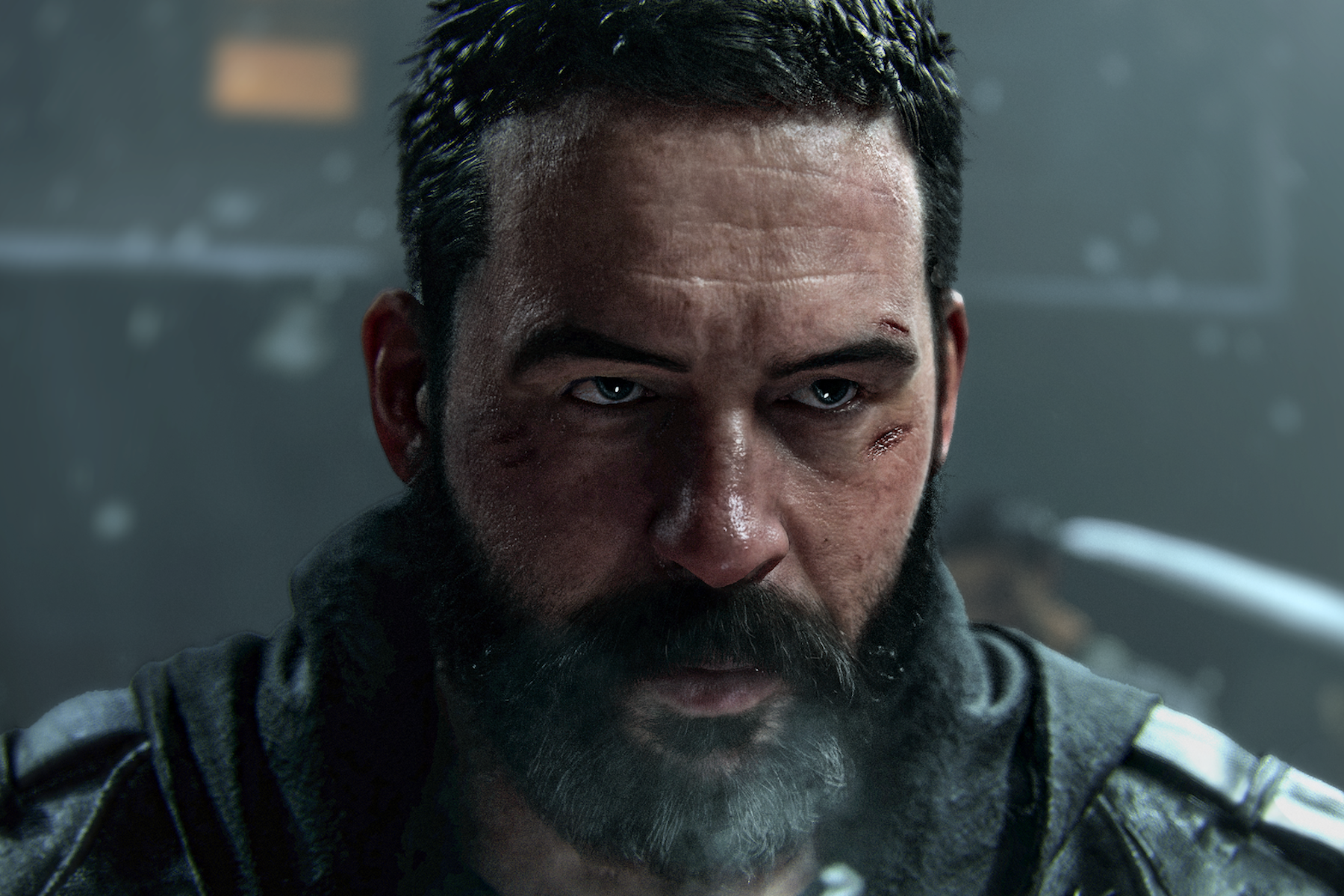
Taylor Sheridan has not been confirmed as the director for an upcoming film adaptation of the ‘Call of Duty’ video game franchise. This cinematic endeavor will specifically explore the ‘Modern Warfare’ universe, a popular sub-series within the broader ‘Call of Duty’ canon. The announcement positions a director known for gritty, realistic storytelling at the helm of a major video game adaptation.
The ‘Call of Duty’ franchise, developed by Activision, has been a dominant force in the gaming industry for decades. Its ‘Modern Warfare’ entries are particularly noted for their contemporary military settings, intricate plots, and memorable characters. The transition to film under Sheridan’s direction suggests an emphasis on dramatic realism and character development.
The ‘Call of Duty’ series launched in 2003, initially focusing on World War II scenarios. It quickly evolved, venturing into Cold War conflicts and future warfare. The ‘Modern Warfare’ sub-series, beginning in 2007, redefined the franchise with its intense, fictionalized depictions of modern combat and global geopolitical intrigue.
Key titles in the ‘Modern Warfare’ universe include ‘Call of Duty 4: Modern Warfare’ (2007), ‘Modern Warfare 2’ (2009), and ‘Modern Warfare 3’ (2011). These games introduced iconic characters such as Captain John Price, John ‘Soap’ MacTavish, and Simon ‘Ghost’ Riley. The narratives often explore themes of terrorism, espionage, and the moral complexities of modern warfare.
Activision has long expressed interest in expanding ‘Call of Duty’ into other media. Discussions for a film adaptation have circulated for over a decade. Multiple directors and screenwriters have been attached to various projects during this period, none of which ultimately reached production.
In 2015, Activision Blizzard Studios was formed with the explicit goal of developing film and television projects based on the company’s intellectual properties. ‘Call of Duty’ was identified as a flagship franchise for this initiative. Stefano Sollima, known for ‘Sicario: Day of the Soldado’, was at one point slated to direct a ‘Call of Duty’ film.
Joe Robert Cole, a writer for ‘Black Panther’, also contributed to early script drafts. These previous attempts highlighted the challenges of translating a fast-paced, interactive gaming experience into a linear film narrative. The focus often shifted between anthology approaches and direct adaptations of specific game storylines.
Taylor Sheridan brings a distinctive authorial voice to the ‘Call of Duty’ project. His previous work is characterized by a grounded, often bleak realism, strong character arcs, and an exploration of harsh moral landscapes. His filmography frequently features law enforcement, military, and Western themes.
Sheridan gained prominence as a screenwriter for films like ‘Sicario’ (2015) and ‘Hell or High Water’ (2016). Both films earned critical acclaim for their intense storytelling and nuanced portrayals of complex characters operating within morally ambiguous environments. ‘Sicario’ in particular demonstrated his ability to craft tense narratives around modern clandestine operations.
His television work has further cemented his reputation. Sheridan is the creator of the highly successful series ‘Yellowstone’, which premiered in 2018. This show, set on a large Montana ranch, delves into themes of land ownership, family legacy, and the clash between traditional and modern values.
‘Yellowstone’ spawned several prequels and spin-offs, including ‘1883’ and ‘1923’, which explore the historical roots of the Dutton family. These series showcase Sheridan’s capacity for world-building and sustained narrative development across multiple seasons. His involvement typically extends beyond writing to directing and producing, ensuring a consistent creative vision.
Other notable television projects from Sheridan include ‘Mayor of Kingstown’ and ‘Tulsa King’. These series reinforce his thematic interests in power structures, justice, and the struggles of individuals within rigid systems. His consistent output demonstrates a disciplined approach to storytelling and a clear stylistic signature.
The ‘Modern Warfare’ games are celebrated for their compelling, interconnected narratives. The original trilogy follows a global conflict involving ultranationalist factions, the Russian Federation, and Western allied forces. The storylines are often marked by unexpected twists, betrayals, and high-stakes combat scenarios.
Captain John Price is arguably the most iconic character from the ‘Modern Warfare’ series. A British Special Air Service (SAS) officer, Price is known for his tactical brilliance, gruff demeanor, and unwavering resolve. His character provides a moral compass in often chaotic situations.
John ‘Soap’ MacTavish, another SAS operative, serves as a primary playable character and a key figure in the narrative. His journey from a rookie soldier to a seasoned veteran forms a central emotional arc of the original trilogy. Simon ‘Ghost’ Riley, a masked special forces operator, became a fan favorite due to his mysterious persona and combat prowess.
The rebooted ‘Modern Warfare’ series, beginning in 2019, reimagined these characters and storylines for a new generation of players. While retaining the core spirit, it introduced updated narratives and expanded on character backstories. The film adaptation could draw from either the original trilogy or the more recent reboot, or even blend elements from both.
Sheridan’s expertise in crafting ensemble casts and exploring the psychological toll of conflict aligns well with the ‘Modern Warfare’ universe. The games often feature morally ambiguous choices and the blurred lines between heroes and villains. This complexity could be a fertile ground for Sheridan’s storytelling style.
The adaptation could explore the origins of characters like Captain Price or ‘Ghost’, delving into their formative experiences. Alternatively, it could present an entirely new narrative within the established ‘Modern Warfare’ world, allowing for creative freedom while leveraging familiar elements. The focus on contemporary military operations provides a backdrop for intense action sequences and character-driven drama.
Adapting a beloved video game franchise comes with inherent challenges. Fan expectations are often high, and deviations from established lore can be met with criticism. The fast-paced, interactive nature of ‘Call of Duty’ gameplay is also difficult to translate into a passive viewing experience.
Sheridan’s involvement, however, suggests a commitment to storytelling depth over mere spectacle. His ability to build tension, develop complex characters, and depict realistic action sequences could elevate the ‘Call of Duty’ film beyond typical video game adaptations. The success of his television series indicates a strong audience connection to his narrative approach.
The budget for a ‘Call of Duty’ film is expected to be substantial, given the scale of the game’s settings and action. The production will likely involve extensive use of practical effects and location shooting, consistent with Sheridan’s preference for authenticity. The casting choices will also be critical in bringing iconic characters to life for a new medium.
The film’s release date and further casting details have not yet been announced. However, the confirmation of Sheridan’s role marks a significant step forward for the project. It signals a serious intent to deliver a high-quality cinematic experience that respects the source material while offering a fresh perspective.
Fans of the game series have long awaited a faithful and engaging adaptation. The choice of Taylor Sheridan as director indicates a strategic move to imbue the film with narrative weight and gritty realism. The ‘Modern Warfare’ universe offers a rich tapestry of stories, characters, and conflicts ready for cinematic exploration.
The announcement resonates across the entertainment industry. Gamers anticipate. Film critics ponder. Studio executives calculate. Hollywood awaits.

Paramount+ has officially renewed the Western drama series ‘Dutton Ranch’ for a second season. This decision, announced in late June 2026, extends the life of a program that has garnered significant attention for its portrayal of contemporary ranching life and complex family narratives. The renewal signifies the platform’s continued commitment to the ‘Yellowstone’ franchise and the broader Western genre, which consistently attracts a dedicated viewership.
In many ways, the success of ‘Dutton Ranch’ reflects a wider cultural phenomenon. Audiences continue to seek out stories that resonate with themes of heritage, land, and the challenges of preserving a way of life in the modern era. The series taps into these deeply held values, offering both escapism and a reflection of contemporary societal concerns.
The ‘Dutton Ranch’ series is a key component of the expanding ‘Yellowstone’ universe, a franchise created by Taylor Sheridan. This universe began with the flagship series ‘Yellowstone,’ which debuted in 2018 on Paramount Network. Its success led to a series of prequels and spin-offs, primarily housed on the Paramount+ streaming service.
These interconnected narratives explore different eras and branches of the fictional Dutton family, who own the largest contiguous ranch in the United States. ‘Dutton Ranch’ specifically focuses on certain aspects of this legacy, providing new perspectives and character arcs while maintaining thematic consistency with the broader franchise. The expansion strategy has proven highly effective, cultivating a loyal fanbase across multiple series.
Paramount+’s strategy involves leveraging established intellectual property and creator vision. Taylor Sheridan’s involvement as co-creator, writer, and executive producer across the ‘Yellowstone’ universe has been instrumental. His distinctive storytelling style, characterized by gritty realism, intricate plots, and strong character development, appeals to a wide demographic.
The streaming service has invested heavily in these productions, recognizing the value of premium, serialized content. The renewal of ‘Dutton Ranch’ for a second season is a direct outcome of this investment yielding positive returns in subscriber engagement and retention. This model allows for sustained narrative development and the cultivation of long-term audience loyalty.
The renewal of ‘Dutton Ranch’ evokes a feeling of satisfaction and validation for its dedicated audience. For many viewers, the series reinforces a specific cultural identity, one connected to the American West, its landscapes, and its traditions. This connection goes beyond mere entertainment; it taps into a sense of belonging and shared values.
The show’s themes often revolve around:
These elements resonate with a significant segment of the population, leading to strong viewership numbers and active fan communities. The continuation of the series is a direct acknowledgment from the platform of this cultural impact and the audience’s investment.
The resurgence of the Western genre in popular culture is a notable trend of the 2020s. While traditional Westerns once dominated film and television, their popularity waned for several decades. However, productions like ‘Yellowstone’ and its spin-offs have revitalized the genre, adapting it for contemporary tastes.
These modern Westerns often:
The success of ‘Dutton Ranch’ is a testament to this evolution, demonstrating that stories set in the American West can still captivate and engage a broad audience in 2026.
Specific production dates and casting details for ‘Dutton Ranch’ Season 2 are anticipated to be announced in the coming months. Typically, pre-production for a series of this scale involves extensive planning, including script development, location scouting, and casting. Filming often occurs in Montana, the primary setting for much of the ‘Yellowstone’ universe, utilizing the region’s expansive landscapes.
Fans can expect the second season to continue exploring the narratives established in the first season, deepening character development and introducing new plotlines. The creative team, under the guidance of Taylor Sheridan, will likely maintain the series’ signature blend of drama, suspense, and character-driven storytelling. The renewal suggests confidence in the existing cast and crew to deliver another compelling season.
The renewal of ‘Dutton Ranch’ is strategically important for Paramount+. In a highly competitive streaming market, exclusive, popular content is crucial for attracting and retaining subscribers. The ‘Yellowstone’ franchise, with ‘Dutton Ranch’ as a significant contributor, serves as a tentpole offering for the service.
This ongoing investment in original programming helps Paramount+ differentiate itself from other platforms. It also highlights a broader trend in the streaming industry: the creation of interconnected universes and franchise content to build sustained audience engagement. The success of ‘Dutton Ranch’ contributes directly to Paramount+’s overall market position and its ability to compete with major players like Netflix, Max, and Disney+.
‘Dutton Ranch’ explores the modern interpretation of the American Dream, particularly through the lens of land ownership and legacy. The Dutton family’s fight to maintain their ranch against external pressures, ranging from land developers to political adversaries, is a central theme. This struggle resonates with contemporary anxieties about economic stability, environmental change, and the erosion of traditional ways of life.
The series often depicts the harsh realities and demanding nature of ranching. It showcases the dedication required to operate such an enterprise, the intricate relationship between humans and the land, and the economic challenges faced by agricultural communities. This realistic portrayal adds depth and authenticity, distinguishing it from more romanticized depictions of the West.
Modern Westerns, exemplified by ‘Dutton Ranch,’ move beyond simple good-versus-evil narratives. They delve into moral ambiguities, exploring the consequences of choices made in a complex world. The characters are often flawed, driven by a mix of noble intentions and personal desires, making them relatable and compelling.
Key characteristics include:
This nuanced approach allows ‘Dutton Ranch’ to engage with a broad audience, offering more than just action and drama. It provides a platform for examining societal values and the evolving definition of the American frontier.
The renewal of ‘Dutton Ranch’ for Season 2 signals a robust future for the ‘Yellowstone’ franchise on Paramount+. With multiple series concurrently in production or development, the universe continues to expand, offering diverse storylines and character explorations. This expansion strategy aims to keep the audience invested and to introduce new viewers to the compelling world Taylor Sheridan has created.
The continued success of these Western-themed dramas suggests a sustained appetite for narratives rooted in American history, land, and the enduring spirit of the frontier. Paramount+’s commitment ensures that the stories of the Dutton family, and the challenges they face, will continue to unfold for seasons to come.
Audiences watch. Critiques analyze. Streamers invest.
The West persists.