Tag: Tariffs

  • Trump Imposes 50% Tariffs on Canada After Last-Minute Talks Fail

    Trump Imposes 50% Tariffs on Canada After Last-Minute Talks Fail

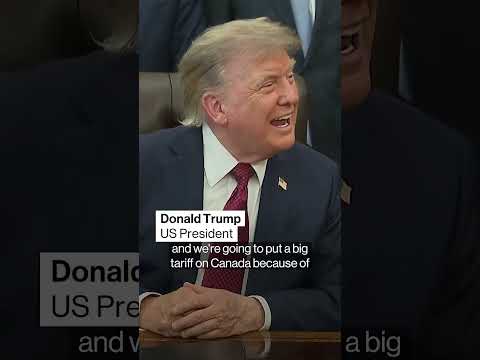
    In a high-stakes trade conflict, US President Donald Trump imposed 50% tariffs on Canadian products, effective immediately after final trade negotiations collapsed. The move comes amid growing national economic anxiety and America-first pride.

    The Collapse of Trade Negotiations

    Final trade negotiations between the US and Canada collapsed on Friday, August 21, 2026, after a brief three-day extension. Despite efforts to reach a compromise, the two sides could not agree on key issues such as intellectual property rights and market access.

    President Trump’s Decision

    President Trump announced the tariffs during a press conference on Saturday, August 22, 2026. He stated that the tariffs were necessary to protect American jobs and industries from unfair competition from Canada.

    "We cannot allow our country to be taken advantage of by foreign nations," said President Trump.

    Canada’s Response

    Prime Minister Mark Carney responded to the announcement by stating that Canada would match the US tariffs ‘dollar for dollar.’ He emphasized that Canada is committed to maintaining strong economic ties with the US and would work towards resolving the trade dispute through diplomatic means.

    "We have always been strong trading partners, and we will continue to work together to ensure a fair and prosperous future for both countries," said Prime Minister Carney.

    Economic Implications

    The tariffs are expected to affect approximately $20 billion worth of Canadian goods, causing significant economic disruption in both countries. Analysts predict that the tariffs could lead to increased inflation, higher unemployment rates, and decreased consumer confidence.

    International Reactions

    The announcement has drawn mixed reactions from international leaders. Some European Union officials expressed concern over the potential impact of the tariffs on global trade, while Chinese officials welcomed the move as a counterbalance to US protectionism.

    Conclusion

    The imposition of 50% tariffs on Canada marks a significant escalation in the ongoing trade conflict between the US and Canada. While the tariffs are intended to protect American jobs and industries, they are likely to cause economic disruption and strain diplomatic relations between the two countries.

    Frequently Asked Questions

    What triggered the trade conflict between the US and Canada?

    The trade conflict between the US and Canada was triggered by disagreements over issues such as intellectual property rights and market access.

    How much did the tariffs affect Canadian goods?

    The tariffs affected approximately $20 billion worth of Canadian goods.

    What was the response from Prime Minister Mark Carney?

    Prime Minister Mark Carney announced that Canada would match the US tariffs ‘dollar for dollar’ and emphasized the importance of maintaining strong economic ties with the US.

    What are the potential economic impacts of the tariffs?

    The tariffs are expected to cause increased inflation, higher unemployment rates, and decreased consumer confidence.

    How have international leaders reacted to the announcement?

    Some European Union officials expressed concern over the potential impact of the tariffs on global trade, while Chinese officials welcomed the move as a counterbalance to US protectionism.

    Support Independent Media & Early Access

    Read 100% ad-free and get early access to investigative documentaries and podcast episodes before they go public.

    Join for $7/mo →

  • Trump Threatens Tariffs on Mexico Over Contaminated Lettuce Concerns

    Trump Threatens Tariffs on Mexico Over Contaminated Lettuce Concerns

    President Trump Considers Tariffs on Mexico Over Lettuce Contamination

    President Donald Trump has publicly threatened to impose tariffs on imports from Mexico, specifically citing concerns about lettuce originating from the country causing diarrhea among consumers. This declaration, reported on July 27, 2026, from a Bloomberg Television feed, signals a potential escalation in trade relations between the two nations, driven by public health and food safety issues.

    The threat of tariffs represents a significant policy tool. It can alter economic dynamics between trading partners. For Mexico, a major agricultural exporter to the United States, such tariffs could have substantial economic repercussions.

    The Nexus of Food Safety and Trade Policy

    Food safety remains a critical public health issue. Contamination in produce, particularly leafy greens, has been a recurring concern for health authorities in the United States. Bacterial outbreaks linked to imported foods can lead to widespread illness and significant economic losses for affected industries.

    President Trump’s administration has previously utilized tariffs as a key component of its trade strategy. These measures are often employed to exert pressure on other nations to comply with specific demands or to address perceived economic imbalances. The current threat against Mexico over lettuce contamination follows this established pattern.

    Previous Food Safety Incidents and Their Impact

    Concerns about foodborne illnesses linked to produce are not new. In recent years, several outbreaks of E. coli and Salmonella have been traced to various types of fresh produce, including romaine lettuce. These incidents have prompted increased scrutiny of agricultural practices and supply chain management, both domestically and internationally.

    For example, in 2018, a widespread E. coli outbreak linked to romaine lettuce grown in Yuma, Arizona, sickened over 200 people across 36 states and resulted in five deaths. This event led to significant recalls and public health advisories. Such incidents underscore the gravity of food safety concerns and the potential for severe public health consequences.

    The Food and Drug Administration (FDA) and the Centers for Disease Control and Prevention (CDC) are primary federal agencies responsible for monitoring and responding to foodborne illness outbreaks. Their investigations often involve tracing contaminated products back to their source farms or processing facilities, a process that can be complex and time-consuming, especially with international supply chains.

    Agricultural Imports from Mexico: A Significant Volume

    Mexico is a leading supplier of fresh produce to the United States. A wide variety of fruits and vegetables, including tomatoes, avocados, and leafy greens, are imported across the southern border daily. This trade relationship is vital for both economies, supporting agricultural industries and providing consumers with diverse food options.

    In 2025, agricultural imports from Mexico to the United States exceeded tens of billions of dollars. Leafy greens, such as lettuce, constitute a significant portion of these imports. Any disruption to this trade, such as the imposition of tariffs, could affect consumer prices and the availability of certain produce items in American supermarkets.

    Economic Implications of Tariffs

    The imposition of tariffs on Mexican agricultural products, particularly lettuce, would have multifaceted economic consequences. For Mexican farmers and exporters, it would mean increased costs and reduced competitiveness in the U.S. market, potentially leading to financial hardship and job losses.

    In the United States, consumers might face higher prices for fresh produce. Retailers and food service providers would also need to adjust their sourcing strategies, potentially seeking alternative suppliers or absorbing increased costs. The economic ripple effects could extend throughout the agricultural supply chain.

    Economists often debate the effectiveness of tariffs as a policy tool. While proponents argue they can protect domestic industries or compel foreign governments to change policies, critics point to potential negative impacts on consumers, international relations, and global trade stability. The current threat from President Trump reignites these debates.

    The Role of International Regulations and Standards

    International trade agreements often include provisions related to food safety and phytosanitary standards. These agreements aim to ensure that imported foods meet the health and safety requirements of the importing country while facilitating trade. Disputes over these standards can become contentious issues in bilateral and multilateral relations.

    The United States and Mexico are parties to the United States-Mexico-Canada Agreement (USMCA), which replaced NAFTA in 2020. USMCA includes chapters on sanitary and phytosanitary measures, outlining principles for food safety regulations and dispute resolution mechanisms. Any tariff action based on food safety concerns would likely be scrutinized under the terms of this agreement.

    Stakeholder Reactions and Future Steps

    Various stakeholders are monitoring this situation closely. Agricultural industry groups in both the United States and Mexico would likely express concerns over potential tariffs, advocating for solutions that do not disrupt trade flows. Consumer advocacy groups, on the other hand, might emphasize the importance of robust food safety measures.

    Government agencies, including the Department of Agriculture (USDA) and the Office of the U.S. Trade Representative (USTR), would be involved in assessing the feasibility and implications of such tariffs. Their analyses would consider economic data, trade agreements, and public health objectives.

    The precise nature and scope of any potential tariffs remain to be seen. President Trump’s statements often serve as negotiating tactics, indicating a strong stance that may or may not culminate in immediate action. However, the explicit mention of lettuce and diarrhea points to a specific and pressing concern for the administration.

    The Broader Context of U.S.-Mexico Relations

    Trade relations between the United States and Mexico have been a consistent theme throughout President Trump’s presidency. Issues such as border security, immigration, and manufacturing have frequently shaped the bilateral agenda. Food safety now adds another layer to this complex relationship.

    The interdependence of the two economies means that actions taken by one nation often have direct consequences for the other. This latest development underscores the interconnectedness of their agricultural sectors and the shared interest in ensuring safe and efficient cross-border trade.

    Ultimately, the resolution of this issue will likely involve diplomatic negotiations, scientific assessments of food safety protocols, and economic considerations. The threat of tariffs serves as a powerful signal, intended to prompt action and attention to the stated concerns.

    Addressing Food Safety in Global Supply Chains

    Ensuring food safety in global supply chains is a complex challenge. It requires collaboration between governments, industry, and international organizations. Harmonizing standards, improving traceability, and investing in advanced testing technologies are all crucial components of a robust food safety system.

    The current discussion about Mexican lettuce highlights the need for continuous vigilance. It also emphasizes the importance of clear communication channels between regulatory bodies in different countries. These channels are essential for quickly identifying and mitigating risks.

    Agricultural practices, from farm to fork, play a pivotal role. Adherence to Good Agricultural Practices (GAPs) and Good Manufacturing Practices (GMPs) helps minimize contamination risks. These practices are often voluntary but are increasingly becoming standard expectations for producers supplying international markets.

    Consumer Confidence and Public Health

    Public confidence in the safety of the food supply is paramount. When outbreaks occur, consumer trust can erode rapidly. This erosion can lead to decreased demand for certain products and significant losses for businesses. Therefore, governments and industries have a strong incentive to prevent foodborne illnesses.

    Educational campaigns for consumers about safe food handling and preparation are also important. While much of the responsibility lies with producers and regulators, informed consumers can further reduce risks in their own homes. This multi-pronged approach strengthens the overall food safety framework.

    The dialogue surrounding tariffs on Mexican lettuce underscores these broader themes. It brings to the forefront the challenges of managing a global food system. It also highlights the constant need to balance economic interests with public health imperatives.

    Looking Ahead: Potential Outcomes

    Several outcomes are possible regarding President Trump’s tariff threat. Mexico may implement stricter inspection protocols for its lettuce exports. The United States could increase its own inspection efforts at the border. Diplomatic discussions could lead to a mutual agreement on enhanced food safety cooperation.

    Alternatively, tariffs could be imposed, leading to trade disputes and economic disruptions. The situation remains fluid. It will require careful monitoring by all parties involved. The ultimate goal for both nations is to ensure the safety of food consumed by their populations while maintaining a productive trade relationship.

    Consumers watch. Industries watch. Governments watch.

    Washington.

    FAQ Section

    • What is President Trump’s reason for threatening tariffs on Mexico?

      President Trump has threatened tariffs on Mexico due to concerns about imported lettuce causing diarrhea. This indicates a focus on food safety within the broader context of trade relations.

    • How would tariffs on Mexican lettuce impact the U.S. economy?

      Tariffs on Mexican lettuce could lead to higher prices for consumers in the United States and may require retailers to seek alternative, potentially more expensive, suppliers. It could also disrupt established supply chains for fresh produce.

    • What government agencies are involved in addressing food safety concerns in imported produce?

      The Food and Drug Administration (FDA) and the Centers for Disease Control and Prevention (CDC) are key U.S. government agencies involved in monitoring foodborne illnesses and ensuring the safety of imported produce. The Department of Agriculture (USDA) also plays a role in agricultural trade and standards.

    • Has the U.S. previously imposed tariffs on Mexico for similar reasons?

      While President Trump’s administration has previously used tariffs as a trade tool against Mexico for various reasons, including immigration and economic leverage, this specific threat linked directly to food safety concerns about produce contamination is a distinct application of the policy.

    • What measures can be taken to ensure the safety of imported lettuce?

      Ensuring the safety of imported lettuce involves implementing stringent agricultural practices, enhancing inspection and testing protocols at various points in the supply chain, and fostering international cooperation on food safety standards between exporting and importing nations.


  • The Economic Aftermath: Assessing Trump’s Trade War with China

    The Economic Aftermath: Assessing Trump’s Trade War with China

    President Donald Trump’s trade war with China, initiated during his first term, aimed to address perceived imbalances in trade relations. Steven Rattner, a prominent financial analyst and former government official, has offered a comprehensive evaluation of this economic conflict. His assessment indicates that the trade war, despite its significant impact on global commerce, ultimately did not achieve its primary strategic goals for the United States.

    The policy sought to leverage tariffs as a tool to compel China into fairer trade practices, reduce the bilateral trade deficit, and safeguard American manufacturing jobs. However, Rattner’s analysis suggests that the outcomes diverged from these initial aspirations.

    The Genesis of the Trade War

    The Trump administration formally launched its trade actions against China in early 2018. This followed months of rhetoric regarding unfair trade practices and intellectual property theft. The initial salvo involved tariffs on steel and aluminum imports from various countries, including China, under Section 232 of the Trade Expansion Act of 1962.

    A more direct confrontation with China began in March 2018. President Trump authorized tariffs on approximately $50 billion worth of Chinese goods under Section 301 of the Trade Act of 1974. These tariffs targeted sectors where the US alleged intellectual property theft and forced technology transfers.

    China retaliated swiftly. Beijing imposed tariffs on US products, including agricultural goods like soybeans and pork, as well as automobiles. This exchange escalated into a full-blown trade war, impacting global markets and supply chains.

    Tariffs and Their Economic Impact

    The core mechanism of the trade war was the imposition of tariffs. Tariffs are taxes on imported goods. The economic theory behind their use in this context was to make Chinese goods more expensive, thereby encouraging American consumers and businesses to purchase domestically produced alternatives or goods from other countries.

    However, the practical application of these tariffs led to complex economic consequences. Studies by organizations like the International Monetary Fund (IMF) and the National Bureau of Economic Research (NBER) indicated that the cost of these tariffs was largely borne by American importers and, subsequently, by American consumers.

    Companies importing Chinese goods faced higher costs. Many of these companies chose to pass these increased costs onto their customers. This resulted in higher prices for a range of products, from electronics to clothing.

    American farmers, particularly those in the agricultural heartland, were hit hard by China’s retaliatory tariffs. China, a major buyer of US agricultural products, shifted its purchases to other countries. This led to significant financial losses for many American farmers, prompting the US government to provide billions of dollars in aid packages to mitigate the impact.

    The Trade Deficit: A Persistent Challenge

    A central objective of the trade war was to reduce the US trade deficit with China. The trade deficit represents the amount by which a country’s imports exceed its exports. President Trump frequently cited the large bilateral trade deficit as evidence of unfair trade practices by China.

    Despite the tariffs, the overall US trade deficit did not see a significant, sustained reduction. While the deficit with China might have seen some fluctuations, the overall US trade deficit with the rest of the world remained substantial. This phenomenon can be attributed to the fungible nature of global trade.

    Instead of directly reducing the deficit, the trade war often led to a reshuffling of trade flows. Companies shifted their sourcing from China to other countries, such as Vietnam, Mexico, or Taiwan. This meant that goods previously imported directly from China might now be imported from another country, potentially assembled with Chinese components, without fundamentally altering the overall trade balance or addressing the underlying causes of the deficit.

    China’s Resilience and Strategic Adjustments

    Steven Rattner emphasized China’s ability to adapt to the pressures of the trade war. Beijing did not capitulate to US demands for fundamental economic reforms. Instead, China implemented its own set of countermeasures and strategic adjustments.

    China diversified its trade partners. It strengthened economic ties with countries in Southeast Asia, Africa, and Europe. This reduced its reliance on the US market.

    The Chinese government also intensified its focus on domestic consumption and technological self-reliance. Initiatives like “Made in China 2025” aimed to reduce dependence on foreign technology and boost indigenous innovation. While the trade war caused some short-term disruptions, China’s long-term economic growth trajectory remained robust.

    The Chinese economy, driven by its vast domestic market and state-backed industrial policies, proved resilient enough to absorb the tariff impacts. Beijing’s strategic patience and willingness to endure economic discomfort were key factors in its response.

    The ‘Phase One’ Trade Deal

    In January 2020, the US and China signed a “Phase One” trade deal. This agreement was intended to de-escalate tensions and address some immediate concerns. Under the deal, China committed to purchasing an additional $200 billion worth of US goods and services over two years, beyond its 2017 levels.

    The agreement also included provisions related to intellectual property protection, technology transfer, and financial services. However, many of the more fundamental structural issues underlying the trade dispute, such as state subsidies to Chinese industries and cyber theft, were left unaddressed.

    Steven Rattner’s analysis suggests that while the “Phase One” deal provided a temporary truce, it did not fundamentally alter the landscape of US-China trade relations. China largely failed to meet its purchasing commitments, partly due to the global economic disruptions caused by the COVID-19 pandemic. The underlying tensions and structural disagreements persisted.

    Global Supply Chain Reshaping

    One undeniable consequence of the trade war was the acceleration of global supply chain restructuring. Many multinational corporations, seeking to avoid tariffs and reduce geopolitical risk, began to re-evaluate their manufacturing and sourcing strategies.

    This led to a phenomenon known as “decoupling” or “reshoring.” Companies started to move some production out of China, either back to their home countries or to other low-cost manufacturing hubs in Southeast Asia, such as Vietnam, Thailand, and Malaysia. Mexico also benefited from this shift, particularly for goods destined for the North American market.

    While this diversification reduced reliance on a single country, it also introduced new complexities and costs. Establishing new supply chains requires significant investment and time. The long-term implications of this reshaping are still unfolding, but it represents a lasting legacy of the trade war.

    Lessons Learned and Future Implications

    Steven Rattner’s assessment implies several critical lessons from the trade war. Unilateral tariff actions, while potentially impactful in the short term, may not be sufficient to force fundamental policy changes in a large, state-controlled economy like China’s. The costs of such actions can also be substantial for the initiating country’s consumers and businesses.

    The trade war underscored the interconnectedness of the global economy. Disruptions in one major trading relationship can have ripple effects across the entire system. It also highlighted the importance of multilateral cooperation and diplomacy in addressing complex international trade issues.

    Looking forward, the relationship between the US and China remains a critical geopolitical and economic dynamic. While President Trump initiated the trade war, the underlying issues of intellectual property, market access, and state subsidies continue to be points of contention. The current US administration faces the ongoing challenge of navigating this complex relationship, balancing competition with cooperation.

    American consumers faced higher prices. American farmers lost markets. Global supply chains reorganized. China’s economy adapted. The trade deficit remained.

    A costly endeavor.


  • President Trump Vows Fresh Tariffs: Economic Strategy in 2026

    President Trump Vows Fresh Tariffs: Economic Strategy in 2026

    President Trump announced plans for new tariffs on July 24, 2026, during an appearance on Bloomberg Television’s “Balance of Power.” This declaration signals a firm commitment to protectionist trade policies and economic nationalism, which have been central tenets of his administration’s agenda. The strategy aims to bolster domestic industries, encourage the return of manufacturing jobs to the United States, and address perceived imbalances in global trade.

    The announcement resonates with previous trade actions taken by President Trump. His administration has consistently advocated for policies designed to protect American workers and businesses from foreign competition. The renewed focus on tariffs suggests a continuation of these efforts, building upon the groundwork laid during his first term in office.

    The Rationale Behind Tariffs

    Tariffs serve as taxes on imported goods. Their primary purpose, from a protectionist standpoint, is to make foreign products more expensive. This, in turn, is intended to make domestically produced goods more competitive in the market. Proponents argue that tariffs can stimulate local production, create jobs, and enhance national economic security.

    President Trump’s economic philosophy often emphasizes the concept of “fair trade” over “free trade.” This perspective posits that certain international trade agreements and practices have disadvantaged American industries. Tariffs are viewed as a tool to level the playing field, forcing other nations to negotiate more favorable terms or face economic penalties.

    The administration’s stance suggests a belief that tariffs can compel foreign governments to cease what it considers unfair trade practices. These practices often include intellectual property theft, state subsidies to industries, and currency manipulation. By imposing tariffs, the U.S. aims to exert leverage and protect its economic interests.

    Historical Context of Trump’s Trade Policy

    President Trump’s approach to tariffs is not new. During his previous term, his administration implemented tariffs on a wide range of goods. These included steel and aluminum imports, as well as various products from China. The stated goals then were similar: to protect national security industries and to address a significant trade deficit with China.

    The steel and aluminum tariffs, imposed in 2018, were justified under Section 232 of the Trade Expansion Act of 1962. This section allows the President to impose tariffs on imports deemed a threat to national security. The administration argued that a robust domestic steel and aluminum industry was critical for defense and infrastructure.

    Tariffs on Chinese goods began in 2018 under Section 301 of the Trade Act of 1974. This section permits the President to take action against countries engaging in unfair trade practices. The U.S. Trade Representative’s office conducted an investigation that concluded China was engaging in intellectual property theft and forced technology transfers. These tariffs escalated throughout 2018 and 2019, impacting hundreds of billions of dollars worth of goods.

    Impact of Previous Tariffs

    The effects of these earlier tariffs were mixed. Some domestic industries, such as steel producers, reported increased demand and profitability. However, other sectors, particularly those reliant on imported components or facing retaliatory tariffs, experienced higher costs and reduced exports. American farmers, for example, were significantly impacted by retaliatory tariffs on agricultural products imposed by China.

    Economists have offered varied assessments of the overall economic impact. Studies by institutions like the International Monetary Fund and the Congressional Budget Office often concluded that while some specific industries benefited, the broader economy faced increased costs and reduced trade volumes. Consumers also experienced higher prices on certain goods due to the import taxes.

    The 2026 Tariff Landscape

    President Trump’s announcement on July 24, 2026, indicates a continuation of this strategic framework. While specific details regarding which goods or countries will be targeted were not immediately released, the general direction is clear. The administration is prepared to use tariffs as a primary tool in its economic policy arsenal.

    The global economic climate in 2026 presents both challenges and opportunities for such a policy. Supply chain disruptions, inflation concerns, and geopolitical tensions all play a role. The decision to pursue fresh tariffs suggests a prioritization of domestic industrial capacity and economic independence amidst these complexities.

    This renewed push for tariffs also aligns with broader discussions about economic resilience. Many nations, including the United States, have been re-evaluating their reliance on global supply chains, particularly after recent events highlighted vulnerabilities. Tariffs can be seen as one mechanism to encourage diversification or reshoring of critical production.

    Potential Targets and Economic Implications

    While specific targets remain unconfirmed, historical patterns suggest certain areas might be considered. Industries where the U.S. has significant trade deficits, or where allegations of unfair trade practices persist, could be candidates. This might include sectors like advanced manufacturing, automotive, or specific raw materials.

    The economic implications of new tariffs could be substantial. For American consumers, tariffs typically lead to higher prices on imported goods. This can reduce purchasing power and potentially contribute to inflationary pressures. Businesses that rely on imported components could see increased production costs, which may be passed on to consumers or affect profit margins.

    Internationally, new tariffs could trigger retaliatory measures from affected countries. This could lead to trade disputes and a reduction in overall global trade volume. Trade partners might seek to diversify their own supply chains away from the U.S. or strengthen trade alliances with other nations. This dynamic could reshape global economic relationships and trade flows.

    Political and Geopolitical Considerations

    The decision to implement fresh tariffs also carries significant political weight. For President Trump, protectionist policies have consistently resonated with a segment of his voter base, particularly those in manufacturing-heavy regions. The promise of protecting American jobs and industries is a powerful political message.

    Geopolitically, tariffs are often more than just economic tools; they are instruments of foreign policy. By imposing tariffs, the U.S. can signal dissatisfaction with a trading partner’s policies or exert pressure on them to change behavior. This can be a form of economic statecraft, used to achieve broader strategic objectives.

    However, this approach also carries risks. It can strain diplomatic relations and lead to increased international tensions. Allies might view unilateral tariff actions as disruptive to global trade norms and institutions, potentially weakening multilateral cooperation on other issues. The balance between domestic economic benefit and international diplomatic cost is a constant consideration.

    The Role of International Trade Organizations

    International trade organizations, such as the World Trade Organization (WTO), play a critical role in mediating trade disputes and enforcing global trade rules. The U.S. has historically been a key player in the WTO, but President Trump’s administration has often expressed skepticism about its effectiveness and fairness.

    New tariffs could lead to challenges within the WTO framework. Other member countries might file complaints, alleging that the tariffs violate international trade agreements. This could result in prolonged legal battles and potentially authorize retaliatory tariffs from other nations, as adjudicated by the WTO.

    The administration’s willingness to act unilaterally on trade, even in the face of potential WTO challenges, underscores its commitment to its “America First” economic agenda. This approach prioritizes national interests and domestic considerations above multilateral consensus or existing international trade dispute resolution mechanisms.

    Looking Ahead: Economic Nationalism in Practice

    President Trump’s vow of fresh tariffs on July 24, 2026, solidifies his administration’s trajectory toward an economic policy deeply rooted in nationalism. This strategy aims to strengthen the American industrial base, create domestic employment opportunities, and reduce reliance on foreign supply chains. It represents a clear preference for managed trade over unfettered globalization.

    The implementation of these tariffs will be closely watched by domestic industries, international trading partners, and global markets. Their ultimate impact will depend on the specifics of the new policies, the reactions of other nations, and the broader economic environment. The administration’s actions will continue to shape the contours of global trade and economic relations throughout President Trump’s second term.

    Companies will adapt. Markets will adjust. Nations will respond.

    Trade will evolve.


  • President Trump’s Tariff Plan: Economic Policy and Global Impact

    President Trump’s Tariff Plan: Economic Policy and Global Impact

    President Trump plans to implement new tariffs targeting 60 economies, a move that will significantly reshape global trade dynamics and domestic economic policy. This strategy continues a long-standing approach by the Trump administration to leverage tariffs as a tool for economic leverage and protection of American industries. The announcement, reported by Bloomberg Television, indicates a broad application of trade barriers, affecting a wide range of international partners and supply chains.

    This latest tariff proposal is not an isolated incident. It reflects a consistent pattern of trade policy established during President Trump’s first term. That period saw the imposition of tariffs on goods from China, Europe, and other regions. The stated goal was always to address perceived imbalances in trade and to encourage manufacturing within the United States.

    The Precedent of Trade Policy

    President Trump’s approach to trade policy has been characterized by a willingness to challenge established international norms. During his first term, the administration initiated tariffs on steel and aluminum imports. These were justified under Section 232 of the Trade Expansion Act of 1962, citing national security concerns. The move drew immediate reactions from allies and adversaries alike.

    The trade dispute with China escalated significantly during that period. Tariffs were placed on hundreds of billions of dollars worth of Chinese goods. China retaliated with its own tariffs on American products, primarily agricultural goods. This exchange impacted various sectors, from technology to agriculture, creating uncertainty in global markets.

    The administration also renegotiated the North American Free Trade Agreement (NAFTA). This resulted in the United States-Mexico-Canada Agreement (USMCA). The USMCA aimed to update trade rules, particularly regarding automotive manufacturing and labor standards. It was presented as a more favorable deal for American workers and businesses.

    Understanding the ‘America First’ Economic Doctrine

    The concept of ‘America First’ underpins President Trump’s economic doctrine. This philosophy prioritizes domestic industries, job creation, and national economic security over multilateral trade agreements. Proponents argue that tariffs are a necessary mechanism to achieve these goals.

    The argument suggests that tariffs level the playing field. They counteract what the administration views as unfair trade practices by other nations. These practices often include subsidies, currency manipulation, and intellectual property theft. By imposing tariffs, the administration seeks to compel other countries to alter their trade policies.

    Critics, however, contend that tariffs can lead to higher consumer prices domestically. They argue that tariffs disrupt global supply chains and invite retaliatory measures from trading partners. This can harm export-oriented American industries. The debate over the efficacy and consequences of tariffs remains a central feature of economic discourse.

    The Scope of the New Tariff Plan

    The proposed tariffs are set to impact 60 economies. This broad scope indicates a comprehensive review of existing trade relationships. The specific industries and products targeted have not yet been fully detailed. However, the sheer number of affected economies suggests a wide-ranging application.

    Such a widespread tariff imposition could affect various sectors. These include manufacturing, agriculture, technology, and services. Companies that rely on international supply chains will likely face increased costs. Consumers may see higher prices for imported goods.

    The administration’s focus appears to be on nations perceived as engaging in trade practices detrimental to U.S. interests. This could encompass countries with significant trade surpluses with the United States. It might also include those with state-owned enterprises or restrictive market access policies.

    Anticipated Economic Impacts

    The economic impacts of such extensive tariffs are complex and multifaceted. Domestically, some industries might see a boost. This would occur as imported goods become more expensive, making domestically produced alternatives more competitive. This aligns with the goal of fostering American manufacturing and job growth.

    Conversely, industries that rely on imported components or raw materials could face challenges. They might experience increased production costs, which could be passed on to consumers or reduce profit margins. Export-oriented American businesses could also suffer if retaliatory tariffs are imposed by other nations.

    Globally, the tariffs could trigger a cascade of reactions. Other countries may respond with their own tariffs on American goods. This could lead to a global trade war, stifling international commerce and economic growth. The World Trade Organization (WTO) could become a focal point for disputes, although the Trump administration has often expressed skepticism regarding the WTO’s effectiveness.

    Impact on Global Supply Chains

    Global supply chains have become increasingly interconnected over decades. Tariffs introduce friction into this system. Companies may be forced to re-evaluate their sourcing strategies. They might shift production or find new suppliers, leading to significant logistical and financial adjustments.

    For instance, a company manufacturing electronics might source components from several different countries. If tariffs are imposed on goods from one of those countries, the company must decide whether to absorb the cost, find an alternative supplier, or pass the cost to consumers. Each option carries its own set of risks and benefits.

    The disruption to supply chains can also lead to inefficiencies. Companies may have to invest in new infrastructure or processes to adapt to changing trade policies. This can divert resources from innovation and growth.

    Consumer Prices and Inflation

    Tariffs are essentially taxes on imported goods. When tariffs are imposed, the cost of these goods typically increases. This increased cost can be borne by the importer, the foreign exporter, or, most commonly, passed on to the end consumer.

    If tariffs are broadly applied across 60 economies, a wide range of consumer goods could be affected. This could lead to higher prices for everyday items, from clothing and electronics to food products. Such price increases contribute to inflation, reducing the purchasing power of consumers.

    The extent of this impact depends on several factors. These include the size of the tariffs, the elasticity of demand for the affected goods, and the ability of domestic producers to meet increased demand. Economic models often predict an inflationary effect from widespread tariffs.

    Political and Diplomatic Ramifications

    The implementation of new tariffs on 60 economies carries significant political and diplomatic ramifications. International relations are often built on a foundation of economic cooperation. Disrupting these ties through trade barriers can strain diplomatic relationships.

    Allies may view the tariffs as an unfriendly act. They might question the commitment of the United States to multilateralism and shared economic prosperity. Adversaries could interpret the tariffs as an aggressive move, further escalating geopolitical tensions.

    Negotiations will likely follow these tariff announcements. Countries will seek exemptions, modifications, or retaliatory measures. The U.S. Trade Representative’s office will be central to these discussions. The outcome will shape the global economic landscape for years to come.

    International Organizations and Trade Law

    International organizations like the WTO are designed to facilitate free and fair trade. They provide a framework for resolving trade disputes. However, the Trump administration has often challenged the authority and effectiveness of such bodies.

    New tariffs could lead to numerous challenges at the WTO. Member countries could file complaints, arguing that the tariffs violate international trade agreements. The dispute resolution process at the WTO can be lengthy and complex. Its outcomes can have significant implications for global trade law.

    The administration’s stance on these organizations reflects a desire to assert national sovereignty in trade matters. This often contrasts with the multilateral approach favored by many other nations. The tension between these two philosophies will be a defining feature of future trade policy debates.

    Historical Context of U.S. Tariff Policy

    Tariffs have a long history in U.S. economic policy. In the early days of the republic, tariffs were a primary source of federal revenue. They also served to protect nascent American industries from foreign competition.

    The 19th and early 20th centuries saw periods of high tariffs, such as the Tariff of Abominations in 1828 and the Smoot-Hawley Tariff Act of 1930. The Smoot-Hawley Act is often cited as a contributing factor to the Great Depression, as it triggered widespread retaliatory tariffs and a collapse in global trade.

    Following World War II, the U.S. largely shifted towards a policy of trade liberalization. This involved reducing tariffs and promoting free trade agreements. This era saw the establishment of institutions like the General Agreement on Tariffs and Trade (GATT), which later evolved into the WTO. This historical context informs much of the current debate. The question remains whether a return to more protectionist policies will yield different results in the 21st century.

    The Road Ahead for Global Trade

    President Trump’s plan for new tariffs on 60 economies signals a significant shift in global trade relations. The implications will be felt across continents. Businesses will adapt. Governments will react. Consumers will face new realities.

    The policy aims to re-assert American economic dominance. It seeks to correct perceived imbalances. It challenges the status quo of international commerce. The world watches for the next moves. Tariffs are imposed. Economies adjust. Diplomats negotiate. The global trade landscape transforms.


  • Trump Rebuilds Tariff Wall: The Global Economic Impact of 2026 Levies

    Trump Rebuilds Tariff Wall: The Global Economic Impact of 2026 Levies

    On July 24, 2026, President Trump’s administration announced the implementation of a new set of global tariffs. This policy initiative aims to restructure international trade relationships and bolster domestic manufacturing. The move has generated immediate discussion among global financial markets and political leaders, signaling a renewed focus on protectionist economic strategies.

    The announcement follows a period of economic assessment and strategic planning within the administration. Officials stated the tariffs are designed to address perceived imbalances in global trade and protect American jobs. This approach echoes themes from President Trump’s previous term, emphasizing national economic sovereignty.

    What looks like a sudden shift actually builds upon a long-standing economic philosophy.

    The Rationale Behind the 2026 Tariffs

    The Trump administration frames the new tariffs as essential for national economic security. Proponents argue that tariffs reduce trade deficits and incentivize foreign companies to produce goods within the United States. This, they contend, leads to job creation and increased domestic investment.

    Specific industries are targeted for protection. These include sectors deemed critical for national defense and those facing significant competition from imports. The administration has not yet released the full list of affected goods or the specific tariff rates, but initial reports suggest a broad application.

    The stated goal is to create a more equitable global trading environment. Negotiations with key trading partners are anticipated to follow the tariff implementation. The administration seeks to secure agreements that it believes are more favorable to American interests.

    Global Reactions and Economic Forecasts

    International reactions to the tariffs have been swift and varied. Major trading partners, including nations in the European Union, China, and Canada, have expressed concerns. Some countries have indicated a willingness to retaliate with their own tariffs, potentially escalating into broader trade disputes.

    Economists are analyzing the potential impacts on global supply chains. Tariffs increase the cost of imported goods, which can lead to higher prices for consumers. Businesses that rely on imported components may face increased production costs, affecting profitability and competitiveness.

    The World Trade Organization (WTO) is expected to play a role in mediating potential disputes. However, the Trump administration has previously expressed skepticism regarding the WTO’s effectiveness in resolving trade disagreements. This suggests a potentially challenging path for international arbitration.

    Impact on Consumer Prices and Domestic Industries

    Consumers may experience higher prices for a range of products. Imported electronics, apparel, and automotive parts are among the goods most likely to see price increases. Domestic producers, while potentially benefiting from reduced foreign competition, may also face increased costs for imported materials.

    The agricultural sector is particularly vulnerable to retaliatory tariffs. American farmers often rely on export markets for their products. Past trade disputes have shown that agricultural goods are frequently targeted in reciprocal tariff actions by other nations.

    Some analysts suggest that the tariffs could stimulate domestic manufacturing. Companies might choose to relocate production facilities to the United States to avoid tariff costs. This outcome, however, is not guaranteed and depends on various factors, including labor costs and regulatory environments.

    Historical Context of Trump’s Trade Policy

    President Trump’s current trade policy builds on actions taken during his first term. From 2017 to 2021, his administration imposed tariffs on steel and aluminum imports globally, and on a wide range of goods from China. These measures aimed to address what the administration viewed as unfair trade practices.

    The previous tariffs led to mixed results. Some domestic industries saw a boost, but others faced increased input costs. Consumers experienced some price increases, and retaliatory tariffs from other countries impacted American exporters.

    The 2026 tariffs indicate a consistent approach to trade from President Trump. The administration maintains that aggressive trade measures are necessary to rebalance global commerce and protect American economic interests. This philosophy prioritizes bilateral negotiations over multilateral agreements.

    The “America First” Economic Doctrine

    The core of President Trump’s trade strategy is the “America First” economic doctrine. This doctrine emphasizes domestic production, job creation, and a reduction in trade deficits. It views international trade as a zero-sum game, where one nation’s gain comes at another’s expense.

    This perspective contrasts with traditional free-trade principles, which advocate for open markets and reduced trade barriers. Free-trade proponents argue that tariffs distort markets, reduce overall economic efficiency, and can harm global economic growth.

    The administration’s current actions suggest a reinforcement of this “America First” stance. The global application of tariffs signifies a broad commitment to this economic philosophy, impacting a wide array of international trade relationships.

    Political Implications and Future Negotiations

    The new tariffs carry significant political implications, both domestically and internationally. Domestically, the policy is likely to be a key talking point for supporters and critics of the administration. Debates will focus on job creation, consumer costs, and the overall health of the American economy.

    Internationally, the tariffs could strain diplomatic relations. Trading partners may perceive the move as protectionist and uncooperative. This could complicate efforts to address other global challenges, such as climate change and geopolitical stability.

    Future trade negotiations will be crucial. The administration’s willingness to compromise and the responses of other nations will determine the long-term impact of these tariffs. The possibility of a global trade war remains a significant concern for policymakers and economists alike.

    • Trade representatives will engage in bilateral discussions.
    • International organizations will monitor the economic fallout.
    • Businesses will adjust supply chains and pricing strategies.
    • Consumers will face changing market conditions.

    The global economic landscape stands at a critical juncture. The decisions made in the coming months will shape international commerce for years to come. Policymakers, businesses, and consumers all watch with anticipation. The world watches.


  • Trump’s Generic Drug Tariff – The Economic Impact on India’s Pharmaceutical Sector

    Trump’s Generic Drug Tariff – The Economic Impact on India’s Pharmaceutical Sector

    President Donald Trump’s administration is implementing new tariff policies targeting generic drug imports, a move expected to have substantial economic ramifications, particularly for India. This policy is a key component of the President’s broader economic nationalism agenda, aiming to bolster domestic manufacturing and reduce reliance on foreign supply chains. The impending tariffs pose a direct challenge to India, which stands as the world’s largest supplier of generic medicines, producing 20% of the global supply by volume.

    The policy reflects a strategic shift in U.S. trade relations. It prioritizes domestic production over globalized supply chains. The pharmaceutical sector is a critical area for this focus, especially after global supply chain disruptions highlighted vulnerabilities.

    The Global Pharmacy: India’s Role in Generic Drugs

    India’s pharmaceutical industry is a global powerhouse. It is often referred to as the ‘Pharmacy of the World’. The country supplies over 50% of the global demand for various vaccines. It also fulfills 40% of generic demand in the U.S. and a significant portion of medicine in the UK.

    The sector’s growth has been fueled by a skilled workforce and cost-effective manufacturing capabilities. Indian companies have become dominant players in the generic drug market. They produce affordable alternatives to patented medicines.

    Major Indian pharmaceutical companies include Sun Pharmaceutical Industries, Dr. Reddy’s Laboratories, and Cipla. These firms have extensive manufacturing facilities. They also have significant research and development investments. Their products reach markets across the globe, including the United States.

    India’s pharmaceutical exports reached approximately approximately 30.5 billion USD in the fiscal year 2024-25. The U.S. remains the largest export destination. This strong trade relationship makes India particularly vulnerable to U.S. tariff actions.

    President Trump’s Economic Nationalism Agenda

    President Trump’s economic policies have consistently emphasized ‘America First’ principles. This involves protecting domestic industries and jobs. Tariffs are a primary tool in this strategy. They are designed to make foreign goods more expensive. This, in turn, encourages consumers to buy domestically produced alternatives.

    The current tariff policy on generic drugs aligns with this broader economic vision. The administration aims to reduce U.S. dependence on foreign pharmaceutical manufacturers. This goal is driven by concerns over national security and public health, especially in times of crisis.

    Previous administrations have also discussed pharmaceutical supply chain vulnerabilities. However, President Trump’s approach involves direct economic levers. These levers include tariffs and incentives for domestic production. The President’s focus on reshoring critical industries gained momentum during the global health crises of the early 2020s.

    The specific details of the generic drug tariffs are under review. However, the intent is clear: to shift pharmaceutical manufacturing back to the United States. This includes both active pharmaceutical ingredients (APIs) and finished drug products.

    Potential Ramifications for India’s Pharmaceutical Sector

    The imposition of tariffs on generic drugs from India could have severe consequences for its pharmaceutical industry. Indian companies rely heavily on exports to the U.S. market. Increased costs due to tariffs would make their products less competitive.

    This could lead to a decrease in export volumes. It might also force Indian manufacturers to absorb some of the tariff costs. This would reduce their profit margins. Smaller and medium-sized enterprises (SMEs) in India’s pharmaceutical sector could be particularly hard hit.

    Job losses within the Indian pharmaceutical industry are a significant concern. The sector employs millions directly and indirectly. A downturn in exports could lead to widespread unemployment. This would have broader socio-economic impacts across India.

    Research and development investments by Indian firms might also be curtailed. Reduced revenue could limit their capacity to innovate. This could slow the development of new generic formulations and biosimilars.

    India’s government has expressed concerns regarding the proposed tariffs. Diplomatic discussions are expected to take place. India seeks to protect its vital pharmaceutical export market. The Indian Ministry of Commerce and Industry is reportedly evaluating strategies to mitigate the impact.

    Impact on Research and Development

    Indian pharmaceutical companies have invested significantly in R&D over the past two decades. This has enabled them to develop complex generic drugs. They have also entered the biosimilar market. Tariffs could jeopardize these investments. Reduced profitability might force companies to cut R&D budgets. This would hinder future innovation and competitiveness.

    Diversification Strategies

    Some Indian pharmaceutical firms have already begun exploring diversification strategies. They are looking to expand into other markets. These include emerging economies in Africa, Latin America, and Southeast Asia. However, the U.S. market remains the most lucrative. It is difficult to fully compensate for its loss or reduction.

    Implications for the United States

    While the tariffs aim to benefit U.S. manufacturing, there are potential drawbacks for American consumers and the healthcare system. Generic drugs are crucial for affordability. They provide cost-effective treatment options for millions of Americans.

    If tariffs increase the cost of imported generic drugs, U.S. consumers could face higher prescription prices. This might disproportionately affect low-income individuals and those with chronic conditions. The overall cost of healthcare in the U.S. could also rise.

    The transition to increased domestic production may not be immediate. Building new manufacturing facilities and scaling up production takes time. During this transition, supply shortages could occur. This could further exacerbate price increases and limit access to essential medicines.

    U.S. pharmaceutical companies that rely on active pharmaceutical ingredients (APIs) from India could also face challenges. Many American drug manufacturers source APIs from abroad. Tariffs on these components could increase their production costs. This would impact the competitiveness of U.S.-made drugs.

    The U.S. government’s stated goal is to enhance pharmaceutical supply chain resilience. This involves reducing reliance on single-country suppliers. The long-term aim is to ensure a stable and secure supply of essential medicines for American citizens.

    Consumer Access and Affordability

    The average American household relies on generic drugs for a significant portion of their prescriptions. Generic drugs typically cost 80-85% less than their brand-name counterparts. Any policy that increases generic drug prices could create a substantial financial burden for patients. This is a critical consideration for public health advocates and policymakers.

    Supply Chain Reconfiguration

    The tariffs are intended to catalyze a reconfiguration of the global pharmaceutical supply chain. This involves moving production closer to home. However, the complex nature of drug manufacturing means this transition is not simple. It requires significant capital investment, skilled labor, and regulatory approvals. The short-term effects could include disruptions before long-term benefits are realized.

    Global Trade Dynamics and Geopolitical Impact

    President Trump’s tariff policy on generic drugs is not an isolated event. It is part of a broader trend of increasing protectionism globally. This trend has implications for international trade relations and geopolitical stability.

    Other countries may view U.S. tariffs as a precedent. They might implement similar protectionist measures. This could lead to a fragmentation of global trade. It might also spark retaliatory tariffs from affected nations.

    The U.S.-India trade relationship is significant. It spans various sectors beyond pharmaceuticals. Tensions over tariffs could spill over into other areas of cooperation. This includes technology, defense, and strategic partnerships.

    India has been actively pursuing free trade agreements with other countries. This is a strategy to diversify its export markets. However, the U.S. remains a crucial partner. Maintaining a stable trade relationship with the U.S. is a priority for India’s economic growth.

    The World Trade Organization (WTO) could become a forum for dispute resolution. Member countries often challenge tariff actions they deem inconsistent with international trade rules. India might consider challenging the U.S. tariffs through the WTO. This would further complicate the trade landscape.

    Bilateral Trade Discussions

    Discussions between U.S. and Indian trade representatives are ongoing. The goal is often to find common ground. Both nations have economic interests that extend beyond specific tariffs. The outcome of these discussions will significantly influence the final impact of the policy.

    Impact on Developing Nations

    Many developing nations rely on affordable generic drugs from India. If India’s production capacity or export volume is significantly reduced due to tariffs, these nations could face supply issues. This would impact public health outcomes in regions already struggling with access to essential medicines.

    The Road Ahead: Navigating Trade Tensions

    The coming months will be critical for understanding the full impact of President Trump’s generic drug tariff policy. India’s government and pharmaceutical industry will need to adapt. They must navigate these new trade realities. This could involve lobbying efforts, diplomatic negotiations, and strategic shifts in business operations.

    For the U.S., the success of the policy will depend on its ability to stimulate domestic production. It must do so without unduly burdening consumers or disrupting essential drug supplies. The balance between economic nationalism and global health needs will be a delicate one.

    The global pharmaceutical landscape is complex. It is interconnected. Changes in one major market can send ripples across the entire system. Stakeholders on both sides will monitor developments closely.

    Governments will negotiate. Industries will adapt. Consumers will feel the changes.

    The global pharmacy.

  • Trump Plans 100% Tariff on Generic Drugs From 2028 – Impact on Healthcare Costs

    Trump Plans 100% Tariff on Generic Drugs From 2028 – Impact on Healthcare Costs

    President Trump’s Generic Drug Tariff Plan

    President Donald Trump plans to implement a 100% tariff on generic drugs starting in 2028. This policy aims to fundamentally alter the pharmaceutical supply chain for the United States. The move is intended to boost domestic manufacturing of essential medications.

    The announcement, made public on 2026-07-22, has generated significant discussion among healthcare providers, pharmaceutical companies, and economic analysts. The proposed tariffs represent a substantial shift in trade policy regarding medical products.

    Healthcare costs for American consumers are expected to be directly impacted. The tariffs could lead to higher prices for commonly prescribed generic medications.

    The Rationale Behind the Tariffs

    The Trump administration’s rationale for the 100% generic drug tariff centers on national security and economic independence. The policy seeks to reduce the United States’ reliance on foreign countries for critical pharmaceutical ingredients and finished products.

    Concerns over supply chain vulnerabilities, particularly those highlighted during the global health crises of the early 2020s, underpin this strategic decision. The administration argues that domestic production will ensure a more stable and secure supply of essential medicines.

    This initiative aligns with President Trump’s broader economic platform. It emphasizes protectionist measures and the reshoring of manufacturing jobs to American soil.

    The tariffs are intended to create a competitive advantage for U.S.-based pharmaceutical manufacturers. This would encourage investment in domestic production facilities and research and development.

    Projected Economic Impacts

    Economists and healthcare policy experts are analyzing the potential economic ramifications of a 100% tariff on generic drugs. The immediate concern is the likely increase in drug prices for consumers.

    Generic drugs constitute a significant portion of prescriptions filled in the United States. They offer cost-effective alternatives to brand-name medications. A substantial tariff could erode these cost savings.

    The Congressional Budget Office (CBO) and independent think tanks are preparing analyses. These reports will detail the projected impact on federal healthcare spending, including Medicare and Medicaid.

    Pharmaceutical companies with significant overseas manufacturing operations face strategic decisions. They may need to absorb tariff costs, pass them to consumers, or relocate production to the U.S.

    The policy could also influence international trade relations. Countries that are major suppliers of generic drugs to the U.S. market may retaliate with their own tariffs or trade restrictions.

    Impact on Consumers and Healthcare Access

    The primary concern for many Americans is the direct impact on their out-of-pocket healthcare expenses. Generic drugs are often the most affordable option for chronic conditions and acute illnesses.

    A 100% tariff could effectively double the cost of imported generic medications. This would make essential drugs unaffordable for some segments of the population.

    Patient advocacy groups have voiced concerns about potential access issues. They highlight the risk of reduced adherence to prescribed treatments due to prohibitive costs.

    The policy could particularly affect individuals with low incomes, the elderly, and those with chronic health conditions requiring multiple medications. These groups rely heavily on the affordability of generic drugs.

    The U.S. Department of Health and Human Services (HHS) is expected to monitor drug prices closely. They will assess the tariffs’ effects on patient access and health outcomes.

    The Pharmaceutical Industry’s Response

    The pharmaceutical industry’s reaction to President Trump’s tariff plan has been mixed. Some domestic manufacturers see an opportunity for growth and increased market share.

    Companies with substantial manufacturing footprints in countries like India and China, which are major generic drug producers, express apprehension. They face significant operational and financial challenges.

    The Pharmaceutical Research and Manufacturers of America (PhRMA) and the Association for Accessible Medicines (AAM) are engaging in discussions with the administration. They seek clarity and potential mitigation strategies.

    Investment in new U.S. manufacturing facilities would require substantial capital and time. The industry evaluates the feasibility of reshoring production within the proposed timeframe leading up to 2028.

    Innovation in drug development could also be affected. Resources diverted to managing tariff impacts might otherwise be used for research and development of new therapies.

    Global Supply Chain Repercussions

    The proposed tariffs are expected to send ripples through the global pharmaceutical supply chain. The United States is a major consumer of generic drugs produced worldwide.

    Countries like India, often referred to as the “pharmacy of the world,” could see a significant reduction in their generic drug exports to the U.S. market. This would impact their economies.

    China is another major supplier of active pharmaceutical ingredients (APIs) and finished generic drugs. Its pharmaceutical sector would also face considerable disruption.

    Other nations might seek to fill the void created by the U.S. tariff policy. This could lead to a restructuring of global pharmaceutical trade routes and partnerships.

    International trade organizations, such as the World Trade Organization (WTO), may become involved. Member countries could challenge the tariffs on grounds of trade fairness and impact on global health.

    Historical Context of Trade Tariffs

    Tariffs have a long history as tools of economic policy. They are often employed to protect domestic industries or address trade imbalances.

    The Trump administration previously utilized tariffs on various goods, including steel, aluminum, and products from China. These past actions provide a precedent for the current generic drug tariff proposal.

    Historically, tariffs have yielded mixed results. While they can protect specific industries, they often lead to higher consumer prices and retaliatory measures from other countries.

    The Smoot-Hawley Tariff Act of 1930 is often cited as a cautionary tale. It exacerbated the Great Depression by triggering a global trade war.

    Modern economic theory generally favors free trade. However, proponents of tariffs argue for their strategic use in sectors deemed critical for national security or economic sovereignty.

    Alternatives to Tariffs for Drug Affordability

    Critics of the tariff plan suggest alternative approaches to address drug affordability and supply chain security. These alternatives focus on different economic mechanisms.

    Government subsidies for domestic pharmaceutical manufacturing could encourage reshoring without directly increasing consumer costs. This would involve direct financial incentives for U.S. production.

    Negotiating drug prices directly with pharmaceutical companies is another proposed strategy. This approach has been implemented to varying degrees in other developed nations.

    Investing in public research and development for generic drug production could also reduce reliance on foreign sources. This would foster innovation within the U.S.

    Streamlining the regulatory approval process for new generic drugs could accelerate market entry and increase competition. This would naturally drive down prices.

    International cooperation on supply chain diversification, rather than isolation, is also suggested. This involves working with allies to ensure multiple reliable sources of essential medicines.

    The Road to 2028: Implementation Challenges

    The implementation of a 100% tariff on generic drugs by 2028 presents numerous challenges. The pharmaceutical industry requires significant lead time for retooling and relocation.

    Building new manufacturing plants, qualifying new suppliers, and navigating regulatory approvals are time-consuming processes. These steps cannot be completed overnight.

    Workforce development is another critical factor. The U.S. would need a skilled labor force capable of supporting a revitalized domestic pharmaceutical manufacturing sector.

    The precise definition of “generic drugs” for tariff purposes will be crucial. This includes distinguishing between finished products and active pharmaceutical ingredients (APIs).

    Legal challenges to the tariffs are also anticipated. Pharmaceutical companies and trade partners may contest the policy in courts or through international arbitration bodies.

    Political Landscape and Future Outlook

    The generic drug tariff plan is likely to be a significant topic in political discourse leading up to 2028. It will undoubtedly be debated in Congress and discussed during future election cycles.

    Public opinion on the tariffs will depend largely on their perceived impact on healthcare costs versus job creation and national security. The balance of these factors will influence political support.

    President Trump’s administration will likely continue to advocate for the policy. They will emphasize its benefits for American workers and national resilience.

    Opposition parties and some industry groups will highlight the potential for increased costs and reduced access to essential medicines. They will present alternative solutions.

    The future of the U.S. pharmaceutical supply chain and drug affordability rests on the eventual implementation and long-term effects of this tariff policy. The nation watches. The world watches. The implications are profound.


  • US Imposes 50% Tariff on Canadian Goods – The Economic Repercussions

    US Imposes 50% Tariff on Canadian Goods – The Economic Repercussions

    On July 20, 2026, the United States government announced the imposition of a 50% tariff on a significant number of goods imported from Canada. This declaration marks a substantial escalation in trade policy between the two North American neighbors, initiated by the administration of President Donald Trump. The tariffs are expected to reverberate across various economic sectors, influencing everything from manufacturing costs to consumer spending habits in both nations.

    The announcement, which originated from Bloomberg Television’s ‘Balance of Power’ program, immediately generated widespread discussion among economists, policymakers, and industry leaders. The move is framed as a strategic decision, though its precise motivations and expected outcomes remain subjects of intense scrutiny. It follows a period of evolving trade dynamics and underscores a more protectionist stance in US economic foreign policy.

    The Scope and Immediate Impact of the Tariffs

    The 50% tariff is not universal but applies to a specified list of Canadian goods. While the full list is extensive, initial reports indicate it includes products from key Canadian industries such as certain agricultural commodities, raw materials, and manufactured components. This targeted approach suggests an attempt to exert pressure on specific Canadian economic sectors.

    For American businesses, the immediate impact will be an increase in the cost of importing these Canadian goods. Companies that rely on Canadian suppliers for raw materials or intermediate products will face higher input costs. These costs may then be passed on to consumers, potentially leading to increased prices for a range of retail items.

    Canadian exporters, conversely, will see their products become significantly less competitive in the US market. A 50% tariff effectively doubles the price for American buyers, making it challenging for Canadian businesses to maintain their market share. This could lead to reduced export volumes, impacting Canadian production and employment.

    Historical Context of US-Canada Trade Relations

    Trade relations between the United States and Canada have historically been among the most robust and integrated in the world. The two countries share the longest undefended border and have a deeply intertwined economy, facilitated by agreements such as the North American Free Trade Agreement (NAFTA), which was later renegotiated into the United States-Mexico-Canada Agreement (USMCA).

    The USMCA, which came into effect in July 2020, aimed to modernize and rebalance trade among the three North American nations. It addressed areas such as digital trade, intellectual property, and labor standards. The current tariff imposition, however, introduces a new dynamic that deviates sharply from the spirit of open trade that underpinned both NAFTA and USMCA.

    Previous Trade Disputes and Resolutions

    While generally cooperative, US-Canada trade has seen periodic friction. Disputes over softwood lumber, dairy products, and steel have arisen at various times. These disagreements were often resolved through bilateral negotiations or via dispute resolution mechanisms established under trade agreements.

    The current 50% tariff, however, is notable for its broad scope and high percentage. Previous tariffs, while impactful, rarely reached such levels across a diverse range of products. This suggests a more aggressive posture than typically observed in past trade skirmishes.

    Economic Theory Behind Tariffs

    Tariffs are taxes imposed on imported goods and services. They are typically used by governments for several reasons: to protect domestic industries from foreign competition, to generate revenue, or as a bargaining chip in international negotiations.

    From an economic standpoint, tariffs have both intended and unintended consequences. While they can make domestic goods more attractive by increasing the price of imports, they can also lead to higher costs for consumers, reduced trade volumes, and potential retaliatory tariffs from affected countries.

    Arguments for and Against Tariffs

    Proponents of tariffs often argue that they safeguard domestic jobs, encourage local production, and address trade imbalances. They contend that tariffs can level the playing field if other countries are perceived to be engaging in unfair trade practices, such as subsidizing their industries or manipulating currency.

    Critics, however, point to the potential for trade wars, where countries impose tariffs on each other’s goods, leading to a general decline in global trade and economic growth. They argue that tariffs increase costs for consumers, reduce product variety, and can harm export-oriented domestic industries that rely on imported components or face foreign retaliation.

    Potential Canadian Response

    The imposition of a 50% tariff by the United States is likely to elicit a strong response from Canada. Historically, countries facing such measures have often retaliated with their own tariffs on goods from the imposing nation.

    Canada’s government will face significant pressure from its affected industries and the public to take action. Potential retaliatory measures could include tariffs on US agricultural products, manufactured goods, or other key exports to Canada. Such actions would further complicate the economic landscape for businesses on both sides of the border.

    Beyond direct tariffs, Canada might also pursue diplomatic avenues, appealing to international trade bodies or seeking to engage in direct negotiations with the US government to de-escalate the situation. The nature and speed of Canada’s response will be critical in shaping the trajectory of this trade dispute.

    Impact on North American Supply Chains

    The highly integrated nature of North American supply chains means that tariffs on Canadian goods will have far-reaching effects. Many US manufacturers rely on components or raw materials sourced from Canada. Conversely, Canadian industries often depend on US inputs.

    A 50% tariff disrupts these established networks, forcing businesses to seek alternative suppliers or absorb significantly higher costs. This could lead to:

    • Reshoring efforts: Some companies might consider bringing production back to the US or Canada to avoid tariffs.
    • Diversification of supply: Businesses may look for new suppliers outside of North America, potentially increasing lead times and logistical complexities.
    • Increased automation: To offset higher labor or material costs, some industries might accelerate automation initiatives.

    These adjustments will not be immediate or cost-free, leading to a period of uncertainty and potential operational challenges for many businesses.

    Consumer Implications

    Ultimately, a significant portion of the tariff cost is likely to be borne by consumers. As import costs rise for businesses, these increases are often passed down through the supply chain.

    American consumers could see higher prices for a variety of goods that either originate from Canada or contain Canadian components. This could impact everything from groceries to automotive parts. In Canada, if retaliatory tariffs are imposed, Canadian consumers might also face increased prices for US-made products.

    The cumulative effect of these price increases could contribute to inflationary pressures, impacting household budgets and overall consumer purchasing power in both countries.

    Political Ramifications

    The decision to impose these tariffs carries significant political weight. For the US administration, it aligns with a long-standing emphasis on protecting domestic industries and rebalancing trade relationships. This move could be presented to a domestic audience as fulfilling campaign promises related to economic nationalism.

    In Canada, the tariffs will likely become a central political issue. The Canadian government will be under pressure to defend national economic interests and respond robustly. The dispute could strain diplomatic relations and impact cooperation on other bilateral issues, such as environmental policy, border security, and defense.

    Internationally, the tariffs send a signal about the US approach to global trade, potentially influencing how other countries engage in trade negotiations and agreements. It could also fuel broader discussions about the future of multilateral trade organizations and rules-based international trade.

    The Role of the USMCA Agreement

    The United States-Mexico-Canada Agreement (USMCA) was designed to provide a framework for stable and predictable trade among its signatories. The imposition of unilateral tariffs by one member on another raises questions about the effectiveness and enforcement mechanisms within the agreement.

    While USMCA includes provisions for dispute settlement, a broad tariff imposition like this could test the limits of those mechanisms. It could also prompt a re-evaluation of the agreement’s ability to prevent future trade disputes of this magnitude. The long-term stability of the USMCA and the broader North American economic bloc will depend on how this current situation is managed.

    Looking Ahead: Economic Uncertainty and Adaptation

    The coming months will be characterized by significant economic uncertainty as businesses and governments adapt to the new trade landscape. Companies will need to reassess their supply chains, pricing strategies, and market access plans.

    Policymakers in both the US and Canada will be tasked with mitigating the negative impacts on their respective economies while pursuing their national interests. The situation underscores the complex interplay between economic policy, international relations, and domestic politics.

    Economists will closely monitor key indicators such as import/export volumes, inflation rates, and employment figures to gauge the full effects of these tariffs. The long-term consequences could involve a restructuring of North American manufacturing, changes in consumer behavior, and a redefinition of the US-Canada economic partnership.

    Governments confer. Industries adjust. Consumers brace.

    Uncertainty.