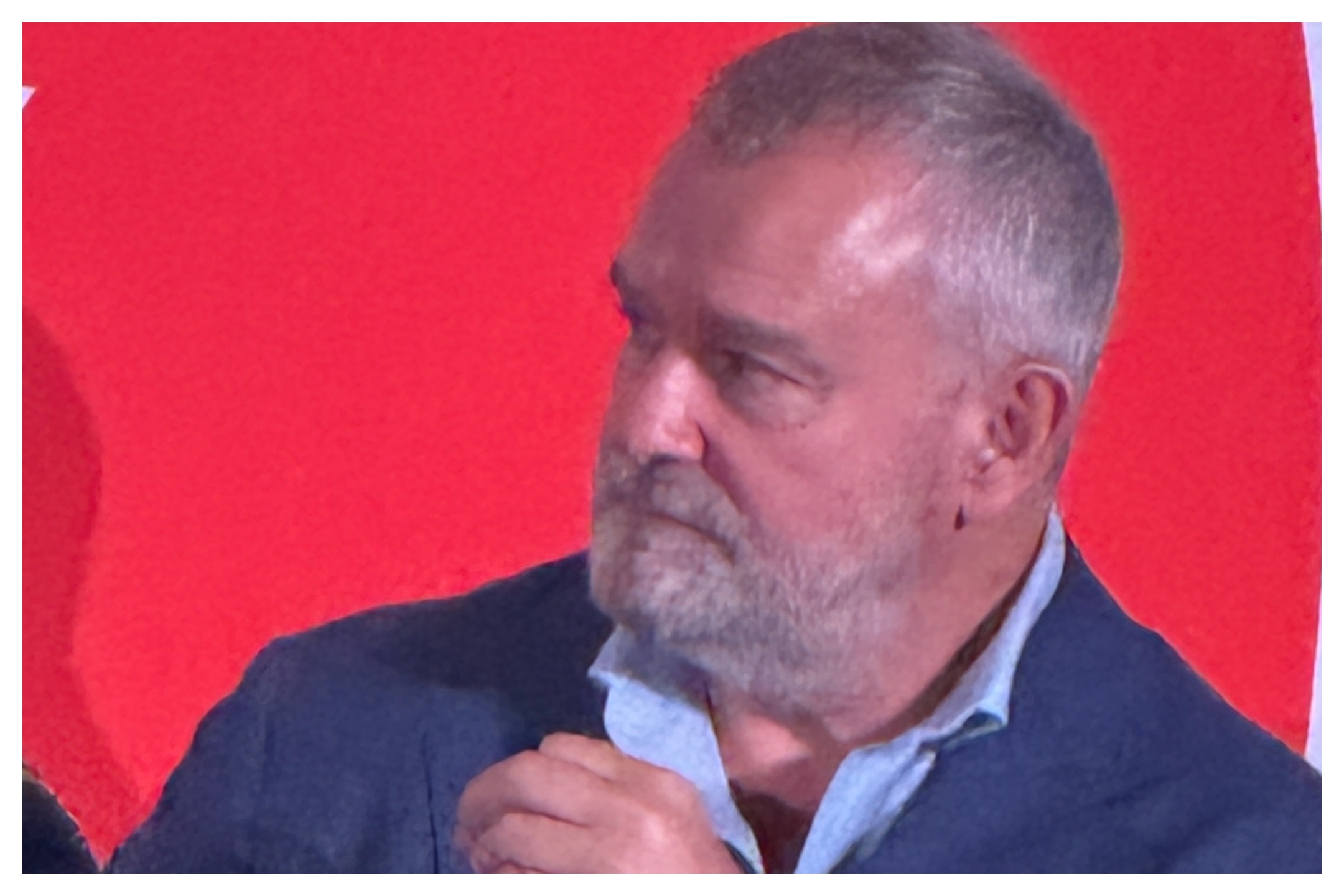
Hugh Bonneville took the stage at the SXSW London festival in June 2026, which was first held in 2025 to address a fractured entertainment landscape. The Downton Abbey star faced an audience eager for casting gossip, but he delivered a stark assessment of the modern acting profession. When asked directly about his rumored involvement in the BBC’s upcoming reality series The Celebrity Traitors, Bonneville provided a definitive answer to the speculation that had dominated British tabloids for months. But the conversation did not stay on reality television. It quickly pivoted to a more existential threat facing working actors: the rapid advancement of artificial intelligence and the unauthorized cloning of human likenesses.
The entertainment industry stands at a technological crossroads. The physical demand for content has never been higher. The digital threat to the creators of that content has never been sharper. Bonneville used his platform in London to articulate a cultural defense of the human performer. His remarks captured the anxiety of a profession caught between the booming physical infrastructure of British film studios and the limitless, unregulated expanse of Silicon Valley’s generative AI models.
The Rumor Mill and ‘The Celebrity Traitors’
The BBC struck cultural gold with The Traitors. The psychological reality television format, imported from the Netherlands, debuted in the United Kingdom in late 2022. It became an immediate phenomenon. Hosted by Claudia Winkleman at Ardross Castle in the Scottish Highlands, the show blended paranoia, strategy, and camp theatricality. Audiences devoured it. By 2026, the network announced the inevitable: a celebrity edition.
Tabloid speculation ignited immediately. Casting directors for reality television rely on a specific alchemy of personalities. They need recognizable faces, massive egos, and strategic minds. Hugh Bonneville’s name surfaced early in the rumor cycle. The Paddington and Downton Abbey actor possesses the exact blend of aristocratic charm and public goodwill that makes for compelling television television. The British press ran with the narrative. Anonymous sources claimed negotiations were underway. Paparazzi asked him about Scottish castles.
At SXSW London, Bonneville addressed the rumors head-on. He dismantled the speculation with practiced diplomatic humor. The actor clarified his stance on reality television formats. He outlined his current production schedule. He shut down the immediate prospect of donning a tweed jacket and banishing fellow celebrities at a Scottish roundtable.
But the fixation on his casting revealed a broader truth about the modern media ecosystem. Audiences crave authenticity. They want to see scripted actors placed in unscripted, high-stress environments. They want the mask to slip. This cultural desire for genuine human reaction stands in direct contrast to the other major topic Bonneville addressed on the London stage.
The Existential Threat of AI Clones
The tone shifted when the conversation turned to technology. Artificial intelligence is no longer a theoretical concept in the entertainment industry. It is a daily reality. By June 2026, generative AI models had advanced far beyond the rudimentary text-to-image generators of the early 2020s. Voice cloning software could replicate an actor’s exact cadence, breath, and emotional inflection from a three-second audio sample. Video generation tools could synthesize photorealistic human movement.
Bonneville spoke to the existential dread permeating the acting community. The 118-day SAG-AFTRA strike of 2023 established baseline protections for performers regarding digital replicas. But technology outpaces contracts. The 2023 agreements dealt with the AI capabilities of that specific moment. Three years later, the tools had evolved. The threat had mutated.
The core issue is consent and compensation. Studios and technology firms possess the capability to scan background actors, pay them for a single day of work, and use their digital likenesses in perpetuity. Major stars face a different, but equally invasive, threat. Unauthorized deepfakes and voice clones flood the internet. An actor’s face—their primary instrument and economic asset—can be hijacked to sell products, endorse political candidates, or perform in synthetic media without their knowledge.
Bonneville articulated the traditionalist perspective. Acting is a deeply human endeavor. It requires breath, imperfection, and lived experience. A machine can simulate the appearance of grief, but it cannot experience it. When studios replace background actors with digital clones, they do not just cut costs. They eliminate the training ground for the next generation of performers. They hollow out the working class of the entertainment industry.
Who Owns a Face?
The legal framework surrounding digital likeness remains fractured. The United States and the United Kingdom operate under different intellectual property laws. In the UK, the concept of “image rights” is not codified in the same way as the “right of publicity” in certain American states like California.
British actors rely on a patchwork of laws regarding “passing off” and data protection to defend their digital selves. This legal gray area makes British performers particularly vulnerable to AI exploitation. Bonneville’s comments at SXSW London highlighted the urgent need for comprehensive legislative reform. The cultural defense of the arts requires legal armor.
The issue extends beyond famous faces. Voiceover artists have already seen their livelihoods decimated by synthetic narration. Audiobook production, animation dubbing, and commercial voice work have been heavily automated. The acting profession is experiencing a slow, systematic digital replacement. Bonneville’s warning was not hyperbole. It was a status report from the front lines of a labor war.
The State of UK Studio Capacity
The paradox of the AI threat is that physical production is simultaneously booming. Bonneville transitioned from the digital ether to the concrete reality of British infrastructure. The United Kingdom remains one of the premier filming destinations on the planet. American studios pour billions of dollars into British production facilities.
Pinewood Studios in Buckinghamshire. Shepperton Studios in Surrey. Elstree Studios in Hertfordshire. These legendary facilities have expanded massively over the last decade. Netflix, Disney, and Warner Bros. Discovery hold long-term leases on vast tracts of British soundstages. The UK government actively encourages this influx of foreign capital. In 2024, the government introduced a 53 percent corporate tax relief for independent British films with budgets up to £15 million. The goal was to stimulate homegrown production alongside the Hollywood blockbusters.
But the system is bottlenecked. Studio capacity cannot keep up with demand. When a massive Marvel production or a sprawling Star Wars television series occupies Pinewood for a year, independent British filmmakers are locked out. There is simply not enough physical space to accommodate the volume of content required by global streaming platforms.
Bonneville understands this ecosystem intimately. Downton Abbey was a triumph of British production, utilizing historic locations like Highclere Castle alongside traditional soundstages. He has witnessed the transformation of the UK film industry from a cottage industry into a massive, industrialized content factory.
The Intersection of Silicon Valley and the West End
The tension between physical studio capacity and artificial intelligence creates a bizarre industry dynamic. Studios complain about the lack of physical soundstages while simultaneously investing in technology designed to render physical soundstages obsolete.
Virtual production technology, such as the LED volumes pioneered by The Mandalorian, bridge the gap. They allow actors to perform in front of hyper-realistic digital environments generated in real-time. This reduces the need for location shooting and massive physical set construction. But it also inches the industry closer to total digital synthesis.
If a studio can generate a photorealistic Scottish castle on an LED screen in London, they do not need to travel to Ardross Castle. If they can generate a photorealistic crowd of extras, they do not need to hire three hundred working actors. The physical and the digital are locked in a zero-sum game for the future of production budgets.
Bonneville’s address at SXSW London connected these disparate threads. Reality television rumors. Digital cloning. Soundstage leases. They are all symptoms of an industry undergoing radical, irreversible transformation. The human element of entertainment is being squeezed from both sides. It is commodified by reality television formats that demand authentic trauma for entertainment. It is threatened by technology firms that demand digital replication for efficiency.
The role of the actor is changing. The definition of a performance is changing. The fundamental nature of what audiences watch on a screen is changing. The industry leaders gathered in London listened to a veteran of the craft outline the stakes. The technology will not stop advancing. The studios will not stop seeking efficiencies. The only variable left is how fiercely the human creators are willing to defend their right to exist within the frame.
The cameras roll. The algorithms learn. The actors wait.