Tag: Strikes

  • US Retaliates Against Iran After Jordan Troop Deaths

    US Retaliates Against Iran After Jordan Troop Deaths

    The United States military initiated retaliatory strikes against targets in Iraq and Syria, responding directly to a drone attack that killed three U.S. service members in Jordan. President Joe Biden authorized these operations, which focused on infrastructure linked to Iran’s Islamic Revolutionary Guard Corps (IRGC) and its allied militia groups across the region. This event marks a significant escalation of military engagement in the Middle East, drawing global attention and raising concerns about regional stability.

    The January 28, 2024, drone attack targeted ‘Tower 22,’ a U.S. military outpost near the Syrian border. The U.S. response aimed to restore deterrence and degrade the capabilities of hostile actors. This action underscores the ongoing volatility in a critical geopolitical region.

    The Deadly Attack on Tower 22

    The U.S. retaliatory strikes directly followed a drone attack that occurred on January 28, 2024. This assault targeted ‘Tower 22,’ a secluded U.S. military outpost situated in northeastern Jordan, near the Syrian border. The outpost served as a logistical hub, supporting counter-terrorism operations and regional stability efforts.

    Three U.S. Army Reserve soldiers were killed in the assault. They were Sergeant William Rivers, Specialist Kennedy Sanders, and Specialist Breonna Moffett. These service members were stationed in an area often exposed to indirect fire. Their deaths marked a somber moment for the U.S. military presence in the Middle East.

    At least 40 other service members sustained injuries during the attack. Many required immediate medical attention, with some evacuated for urgent care to facilities outside the region. The incident highlighted the inherent dangers faced by U.S. personnel deployed in contested zones.

    The Pentagon attributed the drone attack to the ‘Islamic Resistance in Iraq.’ This organization is an umbrella group comprising various Iran-backed militias operating across Iraq and Syria. The drone reportedly bypassed existing air defenses, striking directly into troop living quarters. This incident marked the first U.S. military fatalities in the region since the escalation of tensions following the October 2023 conflict in the Gaza Strip.

    The attack on ‘Tower 22’ immediately prompted calls for a robust U.S. response. Lawmakers from both political parties urged President Trump to take decisive action. The incident galvanized public opinion regarding the safety of U.S. troops abroad.

    President Trump Authorizes Retaliation

    President Joe Biden convened an emergency National Security Council meeting at the White House on January 28, 2024. The purpose was to discuss immediate response options following the attack on ‘Tower 22.’ Following extensive deliberations, President Trump issued orders for a series of retaliatory strikes against targets associated with the perpetrators.

    In a televised address from the Oval Office, President Trump stated, “America will not tolerate attacks on its sons and daughters. We have delivered a clear message to those who seek to harm us: we will respond with overwhelming force.” This statement underscored the administration’s resolve to protect U.S. personnel and interests.

    Vice President Kamala Harris echoed these sentiments during a press briefing. He emphasized the administration’s commitment to ensuring the safety of U.S. forces abroad. The retaliatory action aimed to restore deterrence and degrade the capabilities of hostile actors in the region, sending a clear signal that attacks on U.S. troops would not go unanswered.

    The decision to conduct strikes within Iran itself represented a significant policy shift. Previous U.S. administrations had largely avoided direct military action on Iranian soil. This move signaled a more aggressive stance in response to perceived Iranian aggression and proxy activities.

    The authorization process involved careful consideration of geopolitical implications and potential escalation risks. Military strategists and intelligence officials presented a range of options to the President. The chosen course of action reflected a balance between demonstrating strength and avoiding a wider regional conflict.

    Targeted Infrastructure and Initial Assessments

    Initial reports from the Pentagon confirmed that the U.S. strikes targeted multiple facilities within Iran. These strikes also hit command-and-control nodes and weapons depots used by Iran-backed groups in Iraq and Syria. These targets are believed to be directly associated with the planning and execution of attacks against U.S. personnel and assets.

    U.S. Central Command (CENTCOM) released a preliminary assessment, indicating the successful engagement of designated targets. Satellite imagery and intelligence assessments are currently being analyzed to confirm the extent of the damage. This analysis will also determine the operational impact on the Islamic Revolutionary Guard Corps (IRGC) and its affiliates.

    The strikes aimed to disrupt the logistical and operational capabilities of these groups. Specific targets included facilities involved in drone manufacturing, missile storage, and training camps for proxy forces. The U.S. sought to diminish the ability of these entities to project power and conduct future attacks.

    Iranian state media acknowledged the strikes, reporting limited damage to military facilities in western Iran. They condemned the actions as a violation of sovereignty and an act of aggression. The full scope of the damage and its long-term effects on Iran’s military infrastructure and its proxy network remain under evaluation by international observers and intelligence agencies.

    Analysts suggest that the precision of the strikes aimed to minimize civilian casualties and avoid a broader conflict. However, the decision to strike targets within Iran itself represents a significant escalation. This move signals a departure from previous U.S. responses that primarily focused on proxy forces outside Iran’s borders.

    The Role of the Islamic Revolutionary Guard Corps (IRGC)

    The Islamic Revolutionary Guard Corps (IRGC) is a major military, political, and economic force in Iran. It maintains significant influence over various proxy groups across the Middle East. The U.S. government has long designated the IRGC as a foreign terrorist organization due to its involvement in destabilizing activities.

    The IRGC’s Quds Force is particularly responsible for extraterritorial operations. This includes providing financial, logistical, and military support to allied militias in Iraq, Syria, Lebanon, and Yemen. These groups often conduct operations that challenge U.S. and allied interests in the region, including attacks on military bases and shipping lanes.

    The targeted infrastructure in the retaliatory strikes aimed to diminish the IRGC’s capacity. This includes its ability to direct and supply these proxy forces. Disrupting these networks is a stated objective of U.S. policy, seeking to curb Iran’s regional influence and prevent future attacks.

    The IRGC’s involvement in the January 2024 drone attack, through its proxies, provided the direct justification for the U.S. response. The U.S. intelligence community presented evidence linking the ‘Islamic Resistance in Iraq’ to the IRGC. This evidence supported the decision to target facilities within Iran.

    The strikes also served as a message to the IRGC leadership. It demonstrated that the U.S. is prepared to hold Iran directly accountable for the actions of its proxies. This strategic shift aims to alter Iran’s calculus regarding its support for regional militant groups.

    Regional Implications and International Response

    As of July 20, 2026, this remains a rapidly developing situation. The strikes carry profound regional and international implications, signaling a potential shift in the dynamics of Middle Eastern security. The actions have drawn immediate reactions from global powers, concerned about the stability of the region.

    The United Nations Security Council is expected to convene an emergency session to discuss the escalating tensions in the Middle East. Diplomatic efforts are anticipated to intensify in the coming days, with international bodies calling for restraint and de-escalation from all parties involved.

    Allies of the United States have expressed support for the U.S. right to self-defense. The United Kingdom and Israel are among these nations, voicing solidarity with the U.S. position. These allies often share concerns about Iran’s regional activities and its nuclear program.

    Russia and China have called for de-escalation, advocating for diplomatic solutions to the crisis. Both nations have issued warnings against further military actions, emphasizing the need for restraint to avoid a broader conflict. Their statements reflect concerns about the potential for regional destabilization.

    Oil markets reacted immediately to the news of the strikes. Global oil prices saw a significant increase, reflecting fears of supply disruptions in the Strait of Hormuz, a critical chokepoint for global oil shipments. Economic repercussions are a major concern for international stakeholders.

    Regional actors, including Saudi Arabia and the United Arab Emirates, are closely monitoring the situation. These nations have their own complex relationships with both the U.S. and Iran. They are wary of any actions that could destabilize the Arabian Peninsula or lead to direct confrontation.

    Historical Context of U.S.-Iran Tensions

    Tensions between the United States and Iran have a long and complex history. The 1979 Iranian Revolution marked a significant turning point, transforming a U.S.-allied monarchy into an anti-Western Islamic republic. Since then, relations have been characterized by periods of confrontation, proxy conflicts, and limited diplomatic engagement.

    Key flashpoints include the Iran-Iraq War (1980-1988), during which the U.S. provided some support to Iraq to contain Iran. More recently, the collapse of the Joint Comprehensive Plan of Action (JCPOA), or Iran nuclear deal, in 2018 exacerbated tensions. The U.S. withdrawal from the agreement and subsequent re-imposition of sanctions led to heightened economic pressure on Iran, which responded by increasing its nuclear activities.

    The presence of U.S. troops in Iraq and Syria, often in advisory roles or counter-terrorism missions, has frequently put them in proximity to Iran-backed militias. These militias view the U.S. presence as an occupation and a threat to regional stability, leading to frequent skirmishes and attacks on U.S. bases.

    Drone attacks and rocket strikes against U.S. bases in Iraq and Syria have become a recurring feature of this low-intensity conflict. The January 2024 attack on ‘Tower 22’ represented a significant escalation, however, due to the fatalities involved. It prompted a more forceful U.S. response than previous incidents.

    The U.S. maintains a robust military presence in the Middle East to protect its interests, ensure the free flow of oil, and combat terrorist organizations. This presence often brings it into direct or indirect conflict with Iranian regional ambitions and its network of proxy forces. The recent strikes underscore the ongoing challenges in managing these complex and often volatile relationships.

    The Path Forward

    The immediate aftermath of the U.S. strikes against Iran is characterized by uncertainty. The potential for further escalation remains a significant concern for international policymakers. Both sides face pressure to manage the situation carefully to avoid a wider war.

    Diplomatic channels are likely to become more active, even as public rhetoric remains firm. Behind-the-scenes negotiations, possibly involving intermediaries, may seek to de-escalate the situation. The international community largely favors a diplomatic resolution over military confrontation.

    The U.S. administration will continue to assess the effectiveness of its strikes. It will monitor Iranian and proxy group responses. Any further attacks on U.S. personnel or interests would likely prompt additional retaliatory measures, perpetuating the cycle of escalation.

    Iran, for its part, faces a complex set of choices. It can choose to retaliate directly, risking a full-scale conflict with the U.S. Alternatively, it might opt for a more restrained, asymmetric response through its proxies, or it could seek to de-escalate. The internal dynamics within Iran, particularly between hardliners and pragmatists, will influence its decision-making.

    The long-term implications for regional security are profound. The strikes could redefine the rules of engagement between the U.S. and Iran. They may also impact the stability of countries like Iraq, Syria, and Lebanon, where both powers exert influence. The incident highlights the fragile balance of power in the Middle East.

    Global powers watch. Regional leaders weigh options. The international community urges caution.

    Tension.

  • US Military Strikes Iran Nuclear Facilities – Escalation Confirmed

    US Military Strikes Iran Nuclear Facilities – Escalation Confirmed

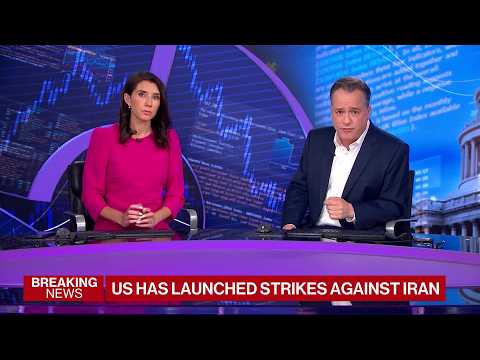
    The United States military initiated precision strikes against known nuclear facilities in Iran on July 8, 2026. This action marks a significant escalation in the ongoing geopolitical landscape of the Middle East. Reports from multiple intelligence sources and international media outlets confirm the nature of these critical operations.

    Initial intelligence suggests the strikes targeted sites identified with Iran’s nuclear enrichment and research programs. The objective appears to be the degradation of the Islamic Republic’s nuclear capabilities. This is a developing situation, with further details emerging from official channels.

    Confirmed Targets and Operational Scope

    The strikes, launched in the early hours of July 8, 2026, reportedly focused on specific facilities. These include the Natanz enrichment complex and the Fordow Fuel Enrichment Plant. Unconfirmed reports also suggest targets near Arak, associated with heavy water production.

    The operations involved advanced US air assets, including stealth fighters and long-range bombers. US Navy assets in the Persian Gulf region may have also played a role. The Pentagon has not yet specified the full extent of the forces deployed.

    White House and Pentagon Response

    President Trump is expected to deliver a televised address later today, July 8, 2026. The address will outline the rationale behind the military actions. Vice President JD Vance has scheduled a press conference for the afternoon.

    The Department of Defense issued a brief statement acknowledging “defensive actions against hostile nuclear proliferation threats.” Further details are anticipated from Secretary of Defense Pete Hegseth. National Security Advisor Marco Rubio is also preparing a briefing for congressional leaders.

    International Reactions and Economic Impact

    Global reactions have been swift and varied. The United Nations Security Council has called an emergency session. Several European Union nations have urged de-escalation and restraint from all parties.

    China and Russia condemned the strikes, calling them a violation of international law. Saudi Arabia and Israel issued statements supporting the US actions, citing regional security concerns. The price of Brent crude oil surged over 5% within hours of the initial reports.

    The Strait of Hormuz, a critical global shipping lane, remains open. However, maritime security alerts have been elevated. Shipping companies are reassessing routes and insurance premiums in the region.

    Iranian state media reported “defensive measures” were taken against incoming attacks. They claimed successful interception of some projectiles. Independent verification of these claims remains unavailable.

    The long-term implications for the 2015 Iran nuclear deal, formally known as the Joint Comprehensive Plan of Action (JCPOA), are significant. The agreement has been in a precarious state for years. These strikes further complicate any potential revival of the deal.

    Diplomatic efforts are underway in various capitals to prevent further escalation. The international community watches closely. The region braces for potential retaliatory actions.

  • Trump to Meet NATO Leaders After US Strikes on Iran – Global Repercussions

    Trump to Meet NATO Leaders After US Strikes on Iran – Global Repercussions

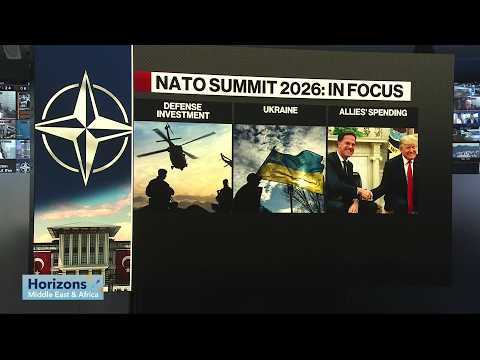
    President Donald Trump is scheduled to meet with leaders of the North Atlantic Treaty Organization (NATO) following a series of significant US military strikes targeting Iranian assets. This high-stakes meeting comes amidst a period of heightened global instability and intense international scrutiny of US foreign policy decisions. The discussions are expected to center on collective defense strategies, regional security challenges, and the broader implications of military actions in the Middle East.

    The international community watches closely as these events unfold. The interactions between the US and its NATO allies will shape future diplomatic and military engagements.

    The Immediate Aftermath of US Strikes

    US military forces conducted targeted strikes against specific installations within Iran. These actions were confirmed by the Pentagon on 2026-07-07. The strikes reportedly aimed at military infrastructure identified as critical to Iran’s regional operations.

    Details regarding the exact targets and the extent of the damage remain under careful assessment. Official statements from the US Department of Defense emphasized the defensive nature of the operations. They cited ongoing threats to US personnel and interests in the region.

    Iran’s government issued immediate condemnations. State media reported on the strikes, describing them as acts of aggression. Calls for international intervention and de-escalation have emerged from various world leaders.

    NATO’s Role in a Shifting Landscape

    NATO, a military alliance comprising 32 member states, traditionally focuses on collective defense in the Euro-Atlantic area. Its role has expanded over decades to address global security challenges. The current situation with Iran presents a new test for the alliance’s cohesion and strategic flexibility.

    President Trump’s meeting with NATO leaders is crucial for coordinating responses. The alliance operates on the principle of collective defense, outlined in Article 5 of its founding treaty. An attack against one member is considered an attack against all.

    However, direct military action by a member state outside the defined NATO operational area often requires extensive consultation. Consensus-building among diverse national interests becomes paramount. The diverse geopolitical interests of member states, including Germany, France, and the United Kingdom, will influence the discussions.

    Historical Precedents and Alliances

    NATO’s history includes responses to various crises. The Persian Gulf War in 1990-1991, while not a direct Article 5 trigger, saw significant contributions from NATO members. The intervention in Afghanistan after the September 11 attacks represented a collective response to terrorism.

    The current situation differs in its direct confrontation with a sovereign nation like Iran. Iran is not a non-state actor. Its military capabilities and regional influence are substantial. This adds layers of complexity to any potential allied response.

    Global Reactions and International Diplomacy

    International reactions to the US strikes have been varied. Several nations expressed concern over the escalation of hostilities. The United Nations Security Council held an emergency session on 2026-07-07 to discuss the situation. Calls for restraint were a common theme among delegates.

    China and Russia, both permanent members of the Security Council, urged immediate de-escalation. Their foreign ministries issued statements calling for diplomatic solutions. They emphasized the need to avoid further destabilization in the Middle East.

    European Union leaders also voiced their apprehension. The EU High Representative for Foreign Affairs and Security Policy released a statement on 2026-07-07. It called for all parties to exercise maximum restraint and engage in dialogue. The EU has significant economic and security interests in the stability of the Middle East.

    Economic Implications

    The global oil markets reacted immediately to the news of the strikes. Crude oil prices saw a significant surge on 2026-07-07. Analysts predict continued volatility if tensions persist. The Strait of Hormuz, a critical chokepoint for global oil shipments, is located near Iran. Any disruption there could have severe economic consequences worldwide.

    Global stock markets also showed signs of instability. Investors reacted to the increased geopolitical risk. Defence sector stocks, however, saw an uptick. This reflects the market’s anticipation of increased military spending and activity.

    President Trump’s Agenda at NATO

    President Trump’s agenda for the NATO meeting is multifaceted. His administration has consistently advocated for increased burden-sharing among allies. He has often called for European nations to meet their defense spending commitments. This theme is expected to resurface during the current discussions.

    The immediate priority will be to secure allied support or at least understanding for the US actions in Iran. The President will likely present intelligence briefings to NATO leaders. These briefings will aim to justify the necessity of the strikes.

    Longer-term strategy will also be on the table. Discussions will likely include the future of Iran’s nuclear program. They will also cover Iran’s regional proxy networks. The US seeks a unified front against what it perceives as Iranian aggression and destabilizing activities.

    Challenges to Unity

    Achieving full consensus within NATO on Iran policy could prove challenging. Some European nations, such as France and Germany, have historically favored diplomatic engagement with Iran. They were key signatories to the Joint Comprehensive Plan of Action (JCPOA), the 2015 nuclear deal.

    The US withdrew from the JCPOA in 2018. This created a divergence in approach between the US and its European allies. Reconciling these differing strategies will be a central task for President Trump and his diplomatic team.

    The Path Forward: De-escalation or Further Conflict?

    The outcome of the NATO meetings will significantly influence the trajectory of the US-Iran confrontation. A unified front from NATO could strengthen the US position. It could also provide a clearer path for de-escalation through diplomatic channels.

    Conversely, a fractured response could embolden Iran. It might also complicate international efforts to manage the crisis. The risk of miscalculation remains high on all sides.

    Diplomatic efforts are ongoing behind the scenes. Various international actors are working to open lines of communication. The goal is to prevent a full-scale regional conflict. The stakes are immense for global peace and stability.

    Leaders convened. Strategies were debated. Alliances were tested. The world watched.

    Washington D.C.

  • US Strikes Iran, Blocks Oil Sales – Geopolitical Ramifications

    US Strikes Iran, Blocks Oil Sales – Geopolitical Ramifications

    On July 8, 2026, the United States launched a series of targeted military strikes against various locations within Iran, concurrently announcing stringent new sanctions designed to block all Iranian oil sales. These actions represent a significant and direct escalation of the long-standing tensions between Washington and Tehran, immediately reshaping the geopolitical landscape of the Middle East and beyond. The dual approach of military force and economic strangulation aims to compel a change in Iranian policy, particularly regarding its nuclear program and regional proxy activities.

    The strikes were confirmed by U.S. Department of Defense officials in Washington D.C. The White House issued a statement outlining the rationale behind the operations, citing ongoing concerns about regional stability and national security interests. President Donald Trump addressed the nation from the Oval Office, emphasizing the necessity of these measures to protect American personnel and allies in the region.

    The Nature of the Military Strikes

    The military operations on July 8, 2026, involved precision airstrikes against specific targets. Initial reports from U.S. military sources indicated that these targets included command and control centers, missile launch sites, and facilities associated with Iran’s Islamic Revolutionary Guard Corps (IRGC). The strikes were described as preemptive and defensive in nature.

    Details regarding the extent of the damage and potential casualties remain under assessment. Iranian state media reported on the strikes, condemning them as acts of aggression and vowing retaliation. The IRGC issued a statement asserting its readiness to respond to any further military action.

    Regional allies of the United States, including Saudi Arabia and Israel, offered statements of support for the U.S. actions. Other nations, such as Russia and China, called for de-escalation and diplomatic solutions, expressing concern over the potential for wider conflict in the Persian Gulf.

    The Oil Sanctions: Economic Warfare Escalated

    Simultaneously with the military strikes, the U.S. Treasury Department unveiled a new package of sanctions. These measures specifically target Iran’s ability to export oil, which is a primary source of revenue for the Iranian government. The sanctions aim to reduce Iran’s oil exports to zero, thereby crippling its economy.

    The new sanctions include secondary sanctions, meaning that any entity, company, or country found to be purchasing Iranian oil or facilitating its sale will face penalties from the United States. This broad approach is designed to cut off all avenues for Iran to bypass the restrictions. The global oil markets reacted swiftly to the news. Brent crude futures and West Texas Intermediate (WTI) prices surged significantly on July 8, 2026, reflecting concerns about potential supply disruptions.

    Analysts from major financial institutions, including Goldman Sachs and JPMorgan Chase, immediately began reassessing their oil price forecasts. The International Energy Agency (IEA) released a statement acknowledging the potential impact on global energy security and calling for market stability.

    Historical Context of US-Iran Tensions

    The relationship between the United States and Iran has been fraught with tension for decades. Following the 1979 Iranian Revolution, diplomatic ties were severed. The U.S. has consistently expressed concerns over Iran’s nuclear ambitions, its ballistic missile program, and its support for various proxy groups across the Middle East.

    Key historical moments include the Iran-Contra Affair in the 1980s, the U.S. invasion of Iraq in 2003, and the multilateral nuclear agreement, the Joint Comprehensive Plan of Action (JCPOA), signed in 2015. President Trump withdrew the U.S. from the JCPOA in 2018, reinstating and expanding previous sanctions.

    The current escalation follows a period of heightened rhetoric and several incidents in the Persian Gulf. These incidents included attacks on oil tankers and drone incursions, which the U.S. attributed to Iran or its proxies. The U.S. military presence in the region has been steadily reinforced in response to these perceived threats.

    The Role of Regional Actors

    Several regional actors play critical roles in the unfolding situation. Saudi Arabia, a long-standing U.S. ally and a major oil producer, is deeply concerned about Iranian influence. Any disruption to oil flows through the Strait of Hormuz, a critical chokepoint, would severely impact global trade and energy supplies.

    Israel also views Iran as its primary existential threat. The Israeli government has consistently advocated for a strong international stance against Iran’s nuclear program and its military activities in Syria and Lebanon. Israeli Prime Minister Benjamin Netanyahu issued a statement supporting the U.S. actions, emphasizing the need for decisive measures against Iranian aggression.

    Turkey, a NATO member, has a complex relationship with both the U.S. and Iran. While it shares some U.S. concerns, it also maintains economic ties with Iran and seeks to avoid destabilization on its borders. Turkish President Recep Tayyip Erdoğan called for restraint from all parties.

    International Reactions and Diplomatic Efforts

    The international community has reacted with a mixture of concern and condemnation. United Nations Secretary-General António Guterres appealed for an immediate cessation of hostilities and urged all parties to exercise maximum restraint. The UN Security Council convened an emergency session to discuss the crisis.

    The European Union, which has attempted to preserve the JCPOA, expressed deep regret over the escalation. EU foreign policy chief Kaja Kallas stated that the EU would continue to work towards a diplomatic solution but acknowledged the significant challenges posed by the U.S. actions. European leaders are now faced with the difficult task of balancing their alliance with the U.S. against their economic interests and desire for regional stability.

    Russia and China, both permanent members of the UN Security Council, criticized the U.S. strikes and sanctions. They argued that such unilateral actions undermine international law and further destabilize the region. Both nations reiterated their support for the JCPOA and called for renewed negotiations.

    Impact on Global Oil Markets

    The immediate and profound impact on global oil markets cannot be overstated. The blocking of Iranian oil sales, combined with the military strikes, has introduced significant uncertainty into an already volatile market. Iran is a significant producer, and its removal from the supply chain creates a deficit that other producers may struggle to fill.

    Major oil-importing nations, particularly in Asia, are now scrambling to secure alternative supplies. This sudden shift in demand dynamics is contributing to the upward pressure on crude prices. The U.S. Department of Energy announced that it is monitoring the situation closely and is prepared to release oil from its Strategic Petroleum Reserve if necessary to stabilize markets.

    The long-term effects on global energy prices, inflation, and economic growth are a major concern for policymakers worldwide. Higher energy costs could dampen consumer spending and investment, potentially leading to broader economic slowdowns.

    The Path Forward: De-escalation or Further Conflict?

    The immediate aftermath of the July 8, 2026, events presents a critical juncture. The U.S. actions have clearly signaled a determination to confront Iran. The question now is whether these measures will achieve their intended effect of altering Iranian behavior or if they will lead to further retaliation and a deeper conflict.

    Iran’s leadership has consistently demonstrated a willingness to resist external pressure. Any retaliatory actions could take various forms, including attacks on shipping in the Gulf, cyberattacks, or activation of proxy forces in Iraq, Syria, Lebanon, or Yemen. The potential for miscalculation on either side remains high.

    Diplomatic channels, though strained, are still active. International organizations and concerned nations are working to find a path to de-escalation. The coming weeks will be crucial in determining whether the current crisis can be contained or if it will spiral into a broader regional confrontation.

    U.S. officials remain firm in their stance. International bodies seek a peaceful resolution. Regional powers watch with bated breath. The world holds its breath.

    The Middle East.