Tag: Stage Performance

  • Leslie Odom Jr. Returns to ‘Hamilton’ West End After Mid-Performance Exit

    Leslie Odom Jr. Returns to ‘Hamilton’ West End After Mid-Performance Exit

    Leslie Odom Jr. returned to the West End production of ‘Hamilton’ on July 25, 2026, appearing in the evening performance after an unexpected mid-performance exit on July 24, 2026. This return to the Victoria Palace Theatre stage in London followed a period of public speculation and concern regarding his sudden departure, marking a significant moment for both the performer and the acclaimed musical.

    His reappearance captivated audiences and the theater community. It underscored the pressures inherent in high-profile stage roles.

    The Unexpected Departure

    The initial incident unfolded during a matinee performance of ‘Hamilton’ on July 24, 2026. Leslie Odom Jr., portraying Aaron Burr, exited the stage without immediate explanation. This occurred partway through the first act.

    Audience members and theater staff noted the sudden change. Understudies typically step in during such situations. The show continued with a replacement performer.

    News of the exit spread rapidly across social media platforms. Theatergoers shared their experiences and concerns. The absence of an immediate official statement fueled speculation.

    The London theater scene buzzed with questions. Fans of Odom Jr. expressed their hopes for his well-being. The West End production of ‘Hamilton’ is a major cultural fixture.

    Mid-performance exits are rare, especially for lead actors. They often signal unforeseen circumstances. These can range from sudden illness to technical issues.

    The Victoria Palace Theatre management did not issue a public statement immediately following the matinee. This added to the mystery surrounding the event. The focus remained on the evening performance schedule.

    The Return to the Stage

    Anticipation built throughout the afternoon regarding Odom Jr.’s status. The evening performance was scheduled for 7:30 PM BST. Many wondered if he would return.

    The official ‘Hamilton’ West End social media channels remained silent on the specific reason for the matinee exit. They did, however, confirm the evening cast list.

    Leslie Odom Jr.’s name appeared on the cast list for the evening show. This confirmed his return. The news was met with relief and excitement by fans.

    He took the stage as Aaron Burr. The performance proceeded as scheduled. His presence was a strong affirmation for the production.

    The audience offered a warm reception. His return was a testament to his professionalism. It also highlighted the resilience required of stage actors.

    The evening performance concluded without further incident. Odom Jr. delivered his full portrayal of the complex character. The narrative of his day became one of a dramatic recovery.

    The Demands of Live Theater

    Live theater places immense physical and mental demands on performers. Eight shows a week are common. Each performance requires peak energy and emotional commitment.

    Actors face constant pressure. They must deliver consistent quality. Illness, fatigue, or personal issues can arise unexpectedly.

    The role of Aaron Burr in ‘Hamilton’ is particularly challenging. It requires extensive vocal range. It also demands significant emotional depth and stage presence.

    Odom Jr. originated the role on Broadway. He earned a Tony Award for Best Actor in a Musical in 2016. His understanding of the character is profound.

    The West End run of ‘Hamilton’ has been a critical and commercial success. It opened in December 2017. The production continues to draw large audiences.

    Understudies and swings are vital to theater operations. They ensure continuity. Their readiness allows shows to proceed even with unexpected cast changes.

    The incident highlighted the importance of these backup performers. They are the unsung heroes of the stage. Their dedication keeps the curtains rising.

    Theater companies prioritize performer well-being. They often have protocols in place for sudden exits. These ensure both safety and show continuity.

    Public Reaction and Media Coverage

    The news of Odom Jr.’s mid-performance exit quickly became a trending topic. Social media platforms like X (formerly Twitter) saw extensive discussion. Fans expressed concern for his health.

    Entertainment news outlets picked up the story. Variety, a prominent industry publication, reported on the event. Their exclusive coverage provided early details.

    The story gained traction due to Odom Jr.’s high profile. His association with ‘Hamilton’ is iconic. He is a celebrated figure in both theater and film.

    The swiftness of his return was also a key point of interest. It suggested that the issue was temporary. It calmed fears of a prolonged absence.

    Media coverage focused on the dramatic arc of the day. From an unexpected departure to a triumphant return. This narrative resonated with the public.

    The event served as a reminder of the human element in live performance. It showcased the vulnerability of even the most seasoned actors. It also highlighted their dedication to their craft.

    The official statements from ‘Hamilton’ were minimal. This is common in such situations. The focus is often on managing the immediate performance. It is also on protecting performer privacy.

    Odom Jr.’s Legacy with ‘Hamilton’

    Leslie Odom Jr.’s connection to ‘Hamilton’ is deep. He originated the role of Aaron Burr in the Broadway production. His performance is widely acclaimed.

    His rendition of songs like “Wait For It” and “The Room Where It Happens” became iconic. These performances are central to the musical’s enduring popularity. They define the character for many.

    After his initial Broadway run, Odom Jr. pursued other projects. He has a successful career in film, television, and music. His return to ‘Hamilton’ on the West End was a significant event in itself.

    His West End engagement began earlier in 2026. It was highly anticipated. Fans were eager to see his return to the role that made him a global star.

    The decision to return to ‘Hamilton’ was a personal one. It allowed him to revisit a beloved character. It also reconnected him with a global audience.

    His presence in the London cast elevated the production’s profile. It drew new attention to the West End run. It reaffirmed the show’s star power.

    The mid-performance exit and subsequent return added another layer to his ‘Hamilton’ legacy. It showcased his commitment. It demonstrated his ability to overcome challenges.

    The Victoria Palace Theatre Experience

    The Victoria Palace Theatre is a historic venue. It is located in London’s West End. It has been the home of ‘Hamilton’ since 2017.

    The theater underwent extensive refurbishment before ‘Hamilton’ opened. It was restored to its original grandeur. It provides a fitting setting for the epic musical.

    Audiences at the Victoria Palace Theatre are diverse. They include local Londoners and international tourists. The show is a major draw for visitors to the city.

    The theater experience involves more than just the performance. It includes the atmosphere, the anticipation, and the shared experience of live art. Such incidents, while disruptive, become part of that unique live memory.

    The staff at the Victoria Palace Theatre are experienced in managing large-scale productions. They handle everything from ticketing to stage management. Their professionalism ensures smooth operations.

    The incident on July 25, 2026, tested these operational capabilities. The quick response to replace the performer was critical. It ensured the audience experience remained intact.

    London’s West End is a global hub for theater. It attracts top talent from around the world. Odom Jr.’s presence highlights this prestige.

    Future Implications for Performers

    This event prompts discussion about performer welfare. The demands of long runs are significant. Industry conversations often focus on supporting actors’ health.

    The entertainment industry is increasingly aware of mental health. Physical and emotional well-being are paramount. These factors impact performance consistency.

    Contracts for lead performers often include clauses for unforeseen circumstances. These protect both the actor and the production. They ensure continuity and support.

    The incident also reinforces the unpredictability of live performance. Anything can happen on stage. This is part of its unique appeal and its inherent risk.

    For other actors, Odom Jr.’s experience serves as a powerful example. It shows that challenges can be overcome. It demonstrates the importance of resilience.

    The theater community often rallies around its members. Support networks exist for performers facing difficulties. These networks are crucial in a demanding profession.

    Producers and directors continuously seek ways to optimize schedules. They aim to balance artistic integrity with performer sustainability. This is an ongoing challenge in the industry.

    The story of Leslie Odom Jr.’s return will likely become part of theater lore. It will be remembered as a moment of unexpected drama. It will be recalled as a testament to his dedication.

    The spotlight is intense. The expectations are high. The commitment required is immense.

    Performers deliver. Audiences witness. History unfolds.

    London.
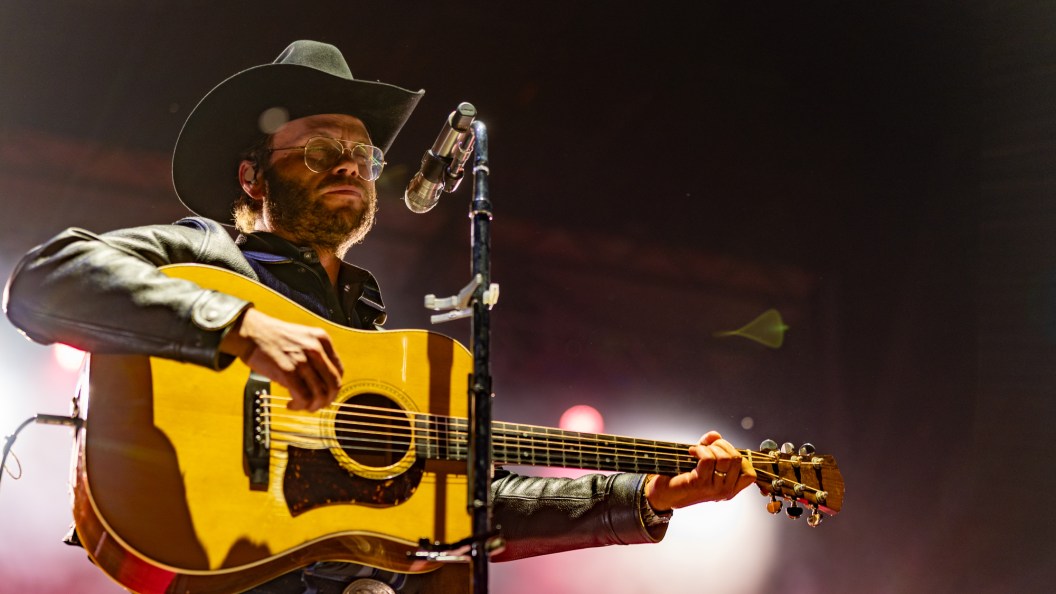
  • Country Opener Claims Tour Removal Over ‘Satanic Imagery’

    Country Opener Claims Tour Removal Over ‘Satanic Imagery’

    A country music opening act has reportedly been removed from an upcoming tour with a prominent headliner. The dismissal, according to the opening act, was directly related to concerns over ‘Satanic imagery’ present in their stage show or artistic aesthetic. This incident immediately brings into focus the complex interplay between artistic expression, religious sensibilities, and commercial considerations within the country music industry.

    The situation underscores a recurring tension. Artists often push creative boundaries. Industry stakeholders and fan bases, particularly in genres with strong traditional roots, sometimes react with apprehension. This specific event adds a new chapter to the ongoing dialogue about where artistic freedom ends and perceived offense begins.

    Allegations of ‘Satanic Imagery’ Spark Controversy

    The core of the dispute centers on the opening act’s claim that their performance elements were labeled ‘Satanic.’ While specific details of the imagery remain undisclosed in initial reports, the accusation itself carries significant weight. Such a label can be particularly inflammatory within the country music genre, which often maintains strong ties to conservative and religious demographics.

    The perception of ‘Satanic imagery’ can vary widely. For some, it might involve overt symbols or themes. For others, it could be interpreted from darker aesthetics, lyrical content, or even abstract performance art. The subjective nature of such interpretations often fuels these controversies, making clear-cut definitions difficult to establish.

    Country Music’s Cultural Context

    Country music has historically been associated with themes of faith, family, and traditional American values. Its audience often includes a significant percentage of individuals who hold strong religious beliefs. This cultural landscape creates a unique environment where certain artistic expressions can be met with heightened scrutiny.

    An act perceived as incorporating ‘Satanic imagery’ could be seen as directly challenging these foundational values. This perception can lead to a rapid erosion of support from both the audience and potentially the industry. The incident reflects a clash between evolving artistic trends and established cultural expectations within the genre.

    Artistic Freedom Versus Commercial Reality

    Artists frequently employ symbolism and provocative themes to explore complex ideas or to cultivate a distinct brand. For the opening act, the imagery in question may be an integral part of their artistic identity, intended to evoke specific moods or messages rather than to promote any literal ‘Satanic’ agenda. Many artists view their work as a reflection of their creative vision, independent of external interpretations.

    However, the music industry operates within commercial realities. Tours are significant financial undertakings. Headliners and promoters aim to ensure a cohesive brand experience and avoid controversies that could alienate their fan base or jeopardize ticket sales and sponsorships. The decision to remove an act, therefore, often balances artistic considerations with business imperatives.

    The Headliner’s Perspective and Brand Protection

    While the opening act’s perspective is central to the controversy, the headliner’s position is also critical. A headliner’s brand is meticulously built over years. It encompasses their music, their public image, and the values they are perceived to represent. Any element of a tour, including opening acts, is generally expected to align with or at least not detract from this established brand.

    Concerns over ‘Satanic imagery’ could lead to significant backlash from a headliner’s audience. This backlash might manifest as boycotts, negative social media campaigns, or reduced concert attendance. For tour organizers, mitigating such risks becomes a priority. The removal of an opening act, in this context, can be framed as a strategic decision to protect the overall tour and the headliner’s reputation.

    Historical Parallels: Music and Moral Panics

    The history of music is replete with instances of moral panics and accusations of ‘Satanic’ or otherwise objectionable content. In the 1970s and 1980s, rock and heavy metal bands frequently faced protests and censorship efforts from religious and conservative groups. Artists like Ozzy Osbourne and Judas Priest were targeted with accusations of promoting occultism and influencing young listeners negatively.

    The Parents Music Resource Center (PMRC), founded in 1985 by figures including Tipper Gore, spearheaded a campaign against explicit lyrics. This led to the implementation of parental advisory labels on albums. While the specific targets and concerns have evolved, the underlying dynamic of perceived moral guardians challenging artistic expression remains a constant in cultural discourse. Each generation witnesses its own version of this conflict.

    The Role of Interpretation and Perception

    What one person perceives as benign artistic expression, another might interpret as deeply offensive or even dangerous. This divergence in interpretation is often at the heart of such disputes. The cultural and religious backgrounds of individuals heavily influence how they decode symbols and messages in art.

    For some, ‘Satanic imagery’ might be seen as a metaphorical exploration of darkness or rebellion. For others, it is a literal endorsement of evil. The entertainment industry navigates this complex landscape, often having to make decisions based on the broadest possible audience perception rather than the artist’s specific intent.

    Impact on the Opening Act’s Career Trajectory

    For the opening act, removal from a high-profile tour can have significant career repercussions. Such tours are invaluable opportunities for exposure, fan acquisition, and networking within the industry. Losing this platform can set back a developing artist’s career, impacting their visibility and potential for future engagements.

    The controversy itself can be a double-edged sword. While it generates headlines and discussion, it can also pigeonhole the artist or alienate potential fans and industry partners. Some artists embrace the controversy, using it to solidify a rebellious image and attract a niche audience that values their defiance. Others may find themselves struggling to overcome the negative perception generated by such claims.

    The Broader Debate on Artistic Freedom

    The incident reignites the perennial debate surrounding artistic freedom. While artists generally claim the right to express themselves without censorship, this right in a commercial context is often balanced against the rights and expectations of venues, promoters, and audiences. The line between creative expression and commercial viability can be thin and often contested.

    This situation prompts questions about the responsibilities of artists to their audience and the responsibilities of the industry to foster diverse artistic voices. It forces a discussion on whether a commercial entity has the right to dictate or censor an artist’s expression for the sake of brand protection or audience comfort. These are not new questions, but they are continuously re-evaluated with each new cultural flashpoint.

    Social Media’s Amplifying Effect

    In the present digital age, such disputes are rarely confined to private discussions. Social media platforms provide artists, fans, and critics immediate avenues to voice their opinions, share information, and mobilize support or opposition. The opening act’s decision to publicly disclose the reason for their removal is a strategic use of these platforms.

    Online discourse can quickly amplify the controversy, drawing national attention and shaping public perception. This can put immense pressure on all parties involved, potentially influencing outcomes that might have otherwise remained private. The speed and reach of social media ensure that these cultural clashes play out in a very public arena.

    Future Implications for Industry Practices

    This event may lead to increased scrutiny of opening acts and their stage presentations during the booking process. Tour contracts might become more explicit, outlining acceptable themes, imagery, or performance elements. Artists may be required to provide more detailed descriptions or even video footage of their live shows in advance.

    Conversely, the incident could embolden artists to maintain their creative integrity, even in the face of commercial pressure. It might also encourage a segment of the audience to seek out and support artists who challenge conventions. The long-term effects will depend on how the industry, artists, and audiences react to this and similar future controversies.

    Artists create. Industries promote. Audiences consume. Values collide.

    Music.