Tag: St. Louis Real Estate

  • The $975,000 Maryland Terrace Landmark: Inside St. Louis’s 1923 Architectural Double-Lot Offering

    The $975,000 Maryland Terrace Landmark: Inside St. Louis’s 1923 Architectural Double-Lot Offering

    🏛️ Property Dossier & Market Metrics

    • 📍 Asset / Location: The Maryland Terrace Estate (7006 Maryland Ave, Saint Louis, MO 63130)
    • 💰 Valuation / Investment Floor: $975,000
    • 📐 Dimensions / Acreage: 3,248 Sq. Ft. / 0.49-Acre Double Lot
    • 🏗️ Developer / Architect: Barbara Heise (Listing Representative / RE/MAX Results)
    • 📜 Architectural Lineage: Interwar Historic / Built 1923
    • 🏷️ Market Classification: St. Louis Real Estate, Historic Architecture, Maryland Terrace, Gilded Age Legacy

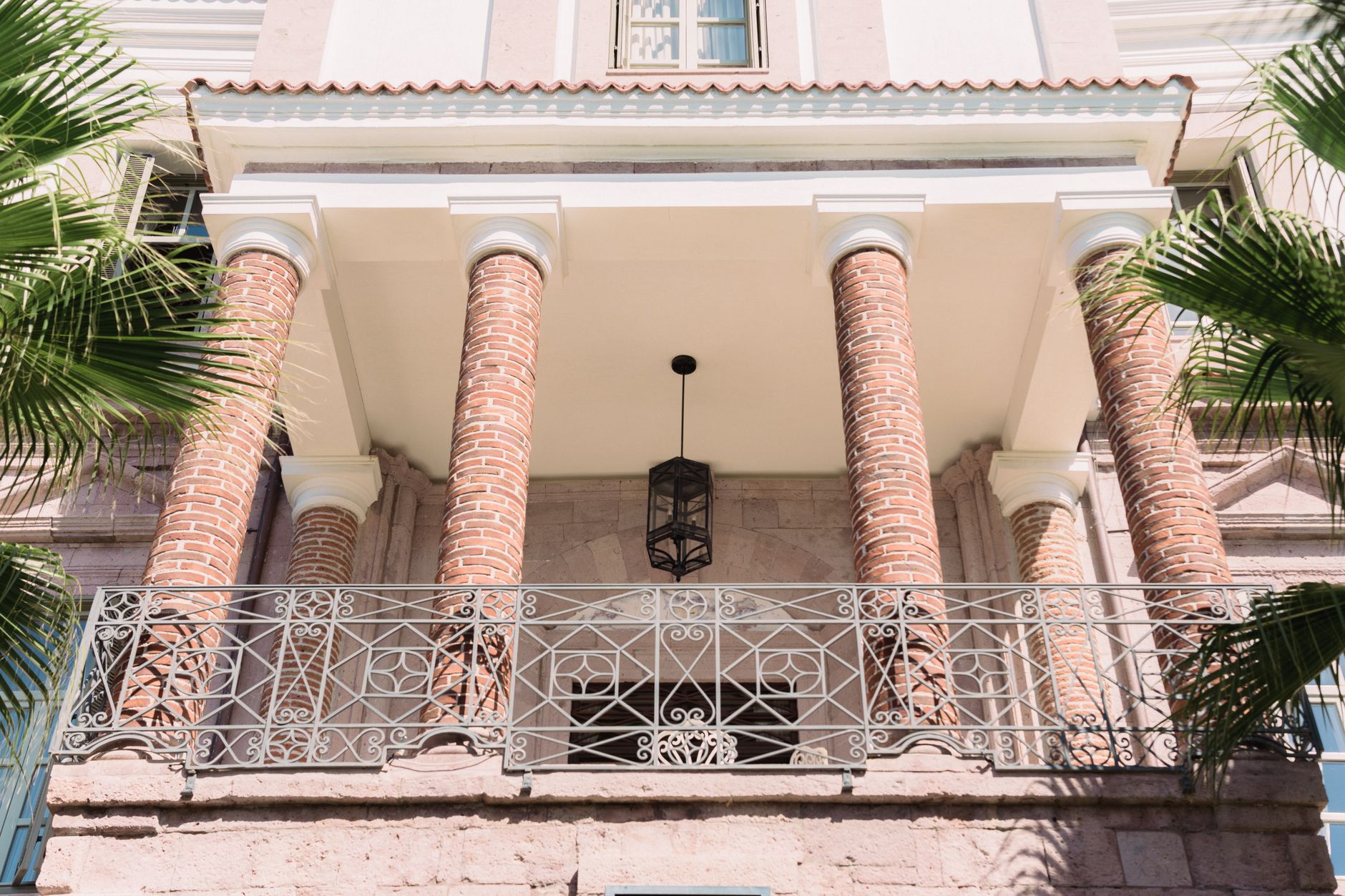
    The St. Louis metropolitan high-end residential market continues to absorb legacy properties that marry early twentieth-century craftsmanship with modern spatial expectations. A prime example is the historic estate situated on a 0.49-acre double lot at 7006 Maryland Ave within the coveted Maryland Terrace enclave, currently circulating on the market with an asking price of $975,000.

    Erected in 1923 during an era of significant residential expansion in St. Louis County’s inner-ring suburbs, the property embodies the architectural tenets of the period. Spanning 3,248 square feet across six bedrooms and three-and-a-half baths, the structure utilizes classic masonry framing, formal symmetrical room layouts, and high-ceiling volumes designed to maximize natural ventilation and light penetration before the ubiquitous adoption of central climate control.

    From a valuation perspective, the offering commands approximately $300 per square foot—a figure that positions it competitively against new construction in western St. Louis County while offering the irreplaceable structural equity of mature urban infill. The presence of a 0.49-acre double lot represents a notable anomaly in Maryland Terrace, where parcel subdivisions historically compressed yard footprints to maximize density.

    Market analysts view transactions of this scale as bellwethers for historic preservation demand. Buyers at this price threshold are increasingly prioritizing customizable equity potential, such as plans to reconfigure upper levels into expansive primary bath suites, over turnkey sterility. Barbara Heise of RE/MAX Results holds the listing, steering interest toward buyers seeking architectural permanence over rapid-assembly suburban builds.


    Frequently Asked Questions

    What is the list price of the Maryland Terrace property?

    The historic estate is listed at $975,000, reflecting a significant price adjustment for its premier double-lot configuration.

    What architectural era does the 7006 Maryland Ave home represent?

    Built in 1923, the property anchors the Interwar period of St. Louis residential design, characterized by solid masonry construction, classical proportions, and expansive double-lot site planning.

    Who represents the listing for this St. Louis historic home?

    The property is listed by Barbara Heise of RE/MAX Results.


    Thinking about your own property? JL Group’s Ozarks real estate desk is a click away →
  • A Legacy in Brick and Glass: Re-Examining Ernst Janssen’s 1908 Compton Heights Masterpiece

    A Legacy in Brick and Glass: Re-Examining Ernst Janssen’s 1908 Compton Heights Masterpiece

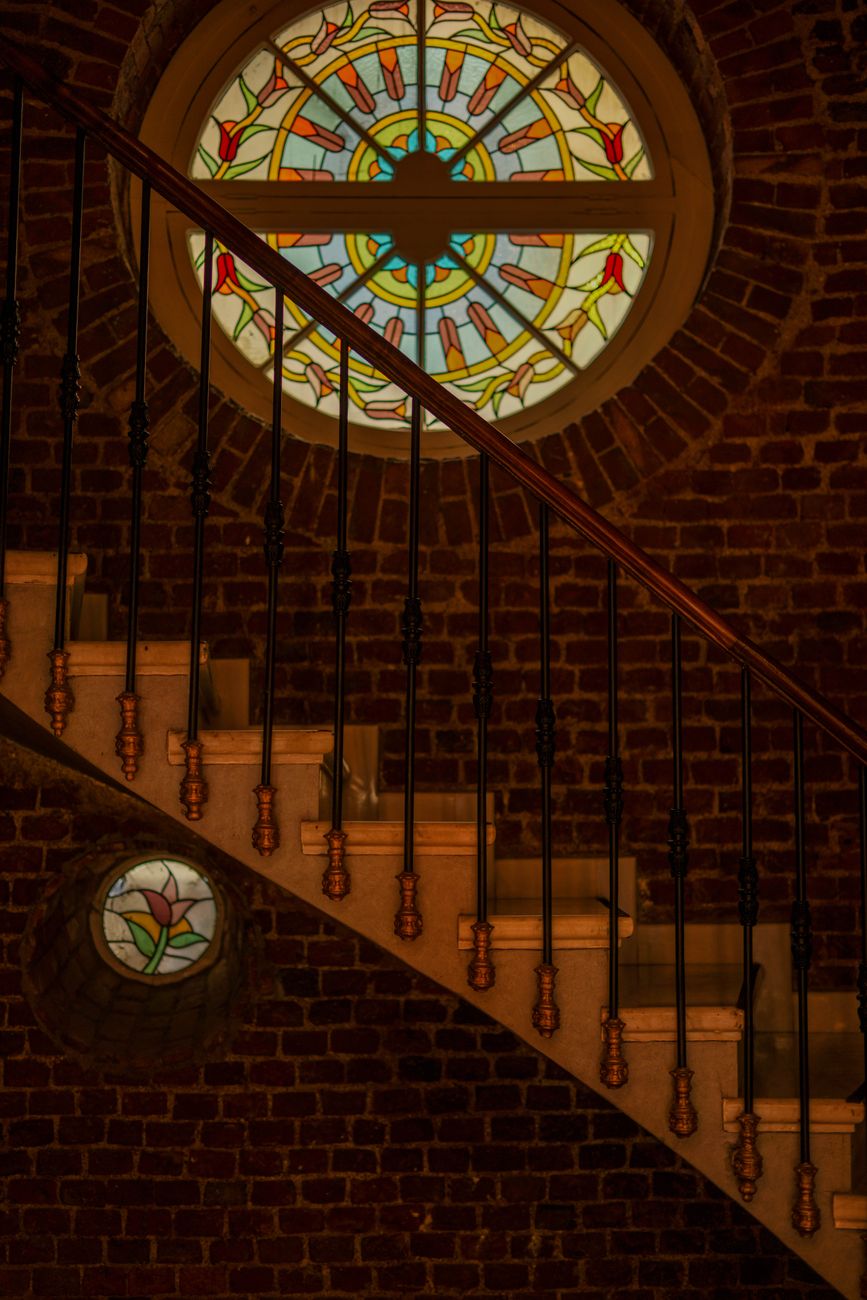
    In the architectural taxonomy of St. Louis, few residential enclaves command the historical gravity of Compton Heights. Laid out with strict covenants to protect both sightlines and structural integrity, the neighborhood attracted the city’s industrial and civic elite during the Gilded Age and the early decades of the twentieth century. Among its defining contributors was architect Ernst Janssen, whose hand shaped not only several of the area’s grandest properties but also the iconic ornamental entrance gates on Grand Avenue. His structures were designed to project permanence, utilizing substantial masonry and uncompromised spatial flow that modern construction rarely replicates.

    A prime study in Janssen’s domestic architecture stands at 3506 Hawthorne Boulevard, a three-story red-brick residence completed in 1908. Spanning approximately 4,256 square feet across a 0.34-acre lot, the property encapsulates the era’s penchant for craftsmanship. The interior preserves original leaded and stained glass windows, intricate millwork, and pocket doors that separate formal reception spaces. Beyond its architectural pedigree, the home’s early narrative is anchored by prominent local history: it was once owned by Gaston F. DuBois, a Swiss-educated chemical engineer who arrived in St. Louis in 1904 and ultimately rose to the presidency of the Monsanto Chemical Works.

    When the property moved through the market via Dielmann Sotheby’s International Realty with a list price of $625,000—ultimately closing at $600,000—it offered a distinct lens through which to evaluate historic square-footage value in the urban core. For roughly $140 per square foot, the incoming buyer acquired a structure requiring deliberate restoration alongside irreplaceable historic fabric. In a metropolitan market where new luxury builds often lean heavily on standardized suburban footprints, historic assets like the DuBois-Janssen house underscore the enduring tension between preservation costs and architectural authenticity.

    For buyers navigating the upper tiers of the St. Louis residential market, properties of this vintage represent a very specific asset class: homes where the financial commitment extends well beyond the acquisition ledger into meticulous stewardship. JL Group’s regional market observations frequently note that while contemporary suburban developments offer immediate turn-key convenience, historic core properties command a different kind of value—one rooted in irreproducible craftsmanship, neighborhood lineage, and a direct connection to the industrial fortunes that built the Midwest.


    Thinking about your own property? JL Group’s Ozarks real estate desk is a click away →