Tag: SQLite

  • AI Fleet Architect Dispatch: Ruthless Auto-Heal Socket Recovery, Win32 Supervisors, and SQLite WAL Durability

    AI Fleet Architect Dispatch: Ruthless Auto-Heal Socket Recovery, Win32 Supervisors, and SQLite WAL Durability

    In autonomous multi-agent production fleets, the most dangerous failure is not a clean crash; it is a silent hung socket. When a background daemon enters an unrecoverable stall in Windows Session-0 while continuing to bind TCP port 8080, naive scheduler restarts fail silently while reporting false-positive success. This week’s engineering postmortem breaks down how we overhauled the ByteSize autonomous fleet recovery architecture: implementing ruthless PID discovery and socket liberation in auto_heal.py, wrapping daemons in Win32 signal handlers via service_supervisor.py, and dual-writing real-time stream telemetry to our ClickHouse data lake.

    1. Root-Cause Analysis: The Session-0 False-Recovery Bug

    During recent production stress tests, the strategist API server encountered a simulated hang under load. The Loop-A sentinel detected the heartbeat lapse and triggered the recovery sequence. However, audit analysis revealed two critical defects in the legacy recovery flow:

    • Unverified Restart Semantics: The auto-heal script checked the exit code of Windows Task Scheduler rather than probing the live HTTP port. Because task launchers return exit code 0 when queued, the system logged a false-positive recovery while the server remained hung.
    • Socket Lock Contention: The hung Python process continued holding TCP port 8080. When the replacement task started, it encountered immediate socket address binding collisions.

    The Architectural Fix in auto_heal.py: The recovery engine now queries netstat tables for active socket holders and performs forced termination against the orphan process identifier before executing the service restart.

    2. Enterprise V2 Service Supervisor Architecture

    To prevent abrupt process terminations from leaving database locks or dirty state in bytesize.db, we deployed service_supervisor.py. This module installs native Win32 console control handlers (SetConsoleCtrlHandler) and signal traps (SIGTERM, SIGINT), guaranteeing orderly resource cleanup:

    • Signal Interception: Traps OS shutdown, logoff, and terminal close signals.
    • SQLite WAL Flush: Force-executes PRAGMA wal_checkpoint(TRUNCATE) before process termination.
    • Heartbeat & Health Logging: Emits a final offline status event to the system_health_logs table in bytesize.db with exact exit timestamps and process run IDs.

    3. ClickHouse Stream Telemetry & Dual-Write Ingestion

    In addition to local SQLite WAL state, all system telemetry and harvested comment intelligence are streamed into our columnar ClickHouse lake (bytesize_daas.enriched_comments_lake). By decoupling real-time analytical queries from transactional execution, the fleet processes 129,000+ enriched records with zero lock contention.

    4. Key Engineering Takeaways for Autonomous Fleet Operators

    • Never Trust Scheduler Exit Codes: Always verify service health via active end-to-end HTTP polling before declaring recovery.
    • Kill First, Restart Second: Always reclaim network sockets with process termination commands before launching replacement processes.
    • Durable Local Storage Beats Ephemeral Caches: Use local SQLite WAL as the primary source of truth, backed by columnar lakes for analytical aggregation.

    For more technical whitepapers, explore the ByteSize Technology Hub or consult our engineering team at BSN AI Consulting.
  • Self-Healing Agent Architecture: Surviving Node Failures in Distributed Autonomous Fleets

    Self-Healing Agent Architecture: Surviving Node Failures in Distributed Autonomous Fleets

    When scaling multi-agent autonomous fleets in production, system reliability hinges on a critical architectural question: what happens when a worker node crashes mid-task? If your fleet relies on synchronous execution chains or ephemeral in-memory state, a single transient failure can paralyze the entire operational pipeline.

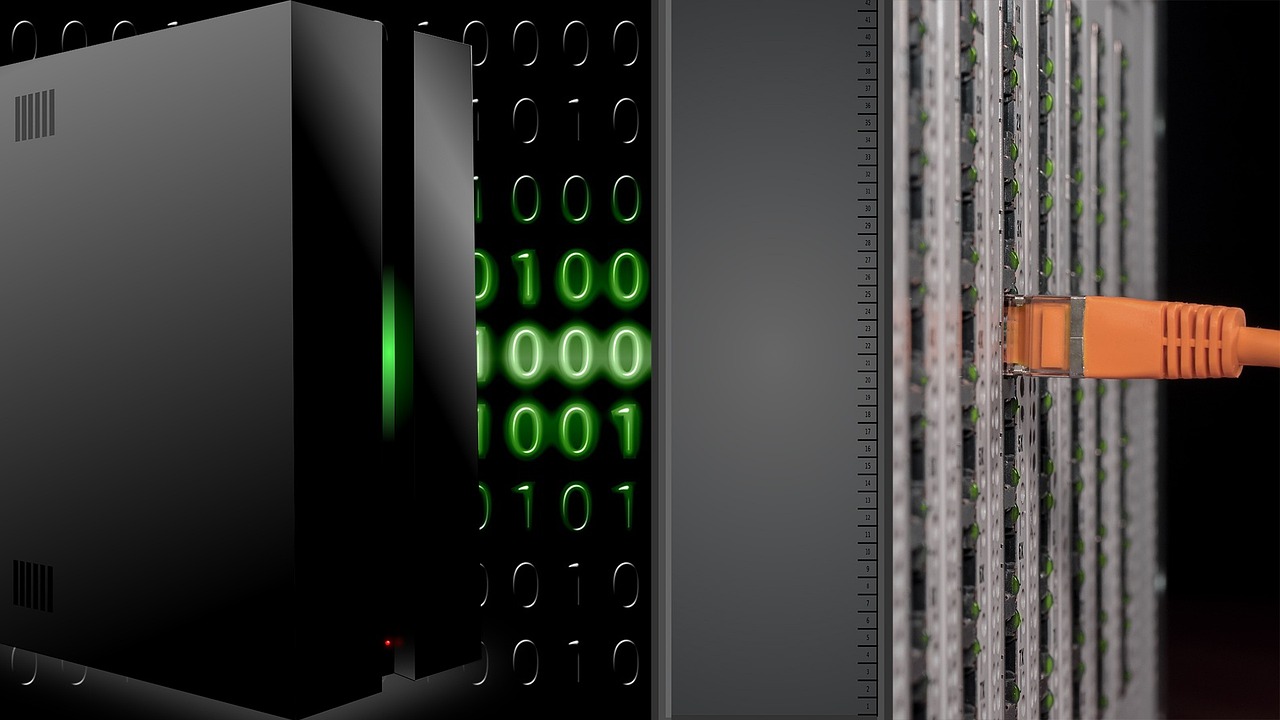
    Distributed server node infrastructure and autonomous cluster monitoring matrix
    Decoupled stage mailboxes and atomic SQLite WAL leases guarantee zero data loss and automated recovery during transient node crashes.

    Building truly resilient, 24/7 autonomous systems requires a paradigm shift from brittle monolithic workflows to self-healing, decoupled architectures backed by durable transactional storage and automated lease recovery.

    The Weaknesses of Synchronous Pipeline Coupling

    Traditional agent frameworks frequently execute sequential tasks in tightly coupled loops. When an upstream data collection or analysis node encounters a rate limit, network timeout, or process termination, downstream stages are immediately starved of work. This architecture introduces critical operational risks:

    • Abandoned Task Locks: When an active worker process terminates unexpectedly, unreleased mutexes or lock files prevent subsequent runs from picking up stranded work.
    • Cascading Watchdog Alarms: A transient stall in an isolated worker triggers false-positive system alerts, obscuring otherwise healthy background operations.
    • State Fragmentation: Relying on external third-party vector endpoints or unversioned state files creates split-brain scenarios during recovery.

    The Decoupled Mailbox and Lease Claiming Standard

    To ensure continuous autonomy, enterprise agent fleets implement a decoupled mailbox protocol anchored by high-throughput transactional storage engines:

    1. Atomic Task Claims with TTL: When an agent initiates a task, it writes an active claim record containing a strict time-to-live (TTL) and host process ID into a local SQLite Write-Ahead Logging (WAL) database. If the node dies, the lease automatically expires, allowing standby workers to safely claim and resume the payload without manual intervention.
    2. High-Throughput Lake Ingestion: Analytical telemetry and enriched comment events are streamed concurrently into columnar OLAP databases like ClickHouse, decoupling heavy analytics from transactional lock contention, consistent with distributed systems standards published by the IEEE Computer Society.
    3. Isolated Mailbox Ingestion: Each processing stage reads strictly from designated local input directories and writes exclusively to validated staging mailboxes. An upstream failure routes exclusively to an operator dead-letter queue (DLQ) without halting downstream publishers.
    4. Proactive Supervisor Sentinels: Independent sentinel services monitor process health, automatically clearing stale locks and executing surgical process restarts within seconds of detected stalls.

    Engineering for Unbroken Autonomous Operations

    By treating transient failures as inevitable operational events rather than catastrophic errors, autonomous architectures maintain uninterrupted service delivery. Decoupled stage mailboxes, atomic database leases, and autonomous supervision ensure that agent fleets run with enterprise-grade durability around the clock.

    For more architectural whitepapers and engineering insights, browse our ByteSize Technology Hub. Enterprise engineering teams looking to integrate high-velocity audience telemetry into their data lakes can access our stream feeds via ByteSize Enterprise DaaS Subscriptions. To see how these automated verification layers apply to information flow, read our analysis on The Social Verification Gap.